

3501 N Prescott, Tucson, AZ 85750
To contact a resident: (520) 722-9629
For more information about senior living options: (866) 208-4318
Cattleya Adult Care Home Costs & Pricing
Cattleya Adult Care Home offers competitive pricing for its services compared to the broader market in Pima County and the state of Arizona. For semi-private rooms, Cattleya's monthly cost is $2,000, significantly lower than the county average of $2,805 and the state average of $2,820. Similarly, for private rooms, residents at Cattleya can expect to pay $2,800, which again presents a notable savings compared to Pima County's average of $3,332 and Arizona's statewide average of $3,345. This makes Cattleya an attractive option for individuals seeking quality care without compromising their financial planning.
| Floor plans | Cattleya Adult Care Home | Pima County | Arizona |
|---|---|---|---|
| Semi-Private | $2,000 | $2,805 | $2,820 |
| Private | $2,800 | $3,332 | $3,345 |
Senior living communities with a similar price nearby
-
from +$200 / mo

Abuelos At La Canada
$2,200 to $2,800 / month9.2 miles away -
from -$150 / mo

Connie's Manor Home
$1,850 to $2,300 / month11.1 miles away -
from +$300 / mo

Northwest Assisted Living
$2,300 to $2,500 / month10.3 miles away -
from +$200 / mo

Gentlemen's Inn I
$2,200 / month3.6 miles away -
About the same

1 Abbey Adult Care Home
$2,000 to $3,500 / month1.1 miles away
Overall Review of Cattleya Adult Care Home
Pros
 The facility was very clean.
- The director arrived late but was very helpful.
- Cynthia is a good manager and owner.
Cons
 The reviewer couldn't understand the caregiver and had to re-ask questions.
- A negative aspect noted was that there is usually only one caregiver present at a time.
- Even with overlapping shifts, there would still be too few hours of assistance for the mother, who needed two caregivers to transfer.
- The hallways were narrow.
- The bathroom in the available bedroom was too small to accommodate a wheelchair.
Review
Cattleya Adult Care Home in Tucson is best suited for seniors who primarily need light to moderate daily assistance and who place a premium on a spotless, well-kept environment plus hands-on, responsive management. The setting works well for residents who can tolerate care being delivered by a single caregiver at a time, with the expectation that the director or owner will step in to troubleshoot issues and oversee operations. It is not the right choice for someone who requires frequent, two-person transfers or constant, high-intensity assistance, day in and day out.
Families that should consider alternatives are those confronting frequent transfer needs or significant mobility challenges that demand two caregivers for safety. The reviews repeatedly flag the reality that there is often only one caregiver on site, which can create gaps for tasks like transfers that typically require two people. Narrow hallways and a small bathroom in the available bedroom also limit wheelchair maneuverability and in-room accessibility, making this community less suitable for residents with substantial mobility or space needs. Communication gaps with caregivers further dampen suitability for anyone who relies on precise, consistent instructions or needs clear, repeated explanations.
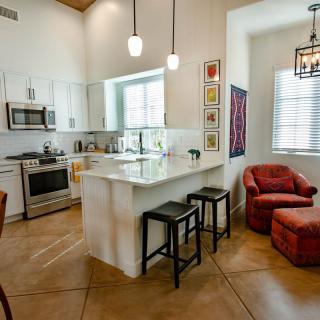
The strongest positives here are clear and persistent: a very clean environment and a management duo that appears engaged and capable. The director’s involvement, alongside Cynthia as a manager/owner who shows up and offers practical problem-solving, creates a foundation of trust and accountability. Cleanliness reduces risk and creates a comfortable living atmosphere, which matters greatly for peace of mind. When staff are present and the leadership is responsive, minor service gaps can be mitigated, and families gain confidence that issues will be addressed rather than ignored.
Yet the advantages do not fully offset the main drawbacks. The single-caregiver model, coupled with the reality that two-person assistance is often required for safe transfers, raises legitimate safety concerns. Even when overlap shifts are discussed, the practical outcome may still leave residents without sufficient help during critical moments. The narrow in-room bathroom and tight hallways compound mobility hazards and restrict independent mobility, which can translate into higher fall risk or dependence on staff that may not be consistently available. Communication issues with caregivers, requiring re-asks and clarification, also erode reliability, particularly for residents who rely on precise routines or a clear understanding of daily steps.
For families weighing a choice, prioritize a concrete plan: verify staffing structure and a guaranteed two-caregiver option for essential transfers; request a live demonstration of mobility tasks in the room and corridors; assess whether the available bedroom can be reconfigured or upgraded to accommodate a wheelchair, including a larger bathroom or grab-bar installations if possible. Ask about the schedule for overlaps and whether any on-call or alternate staff can fill in when the primary caregiver is momentarily unavailable. Probe how communication is handled, whether caregivers receive written instructions, and how daily care goals are tracked and reviewed with family members.
Bottom line: Cattleya Adult Care Home offers a clean, well-managed environment with responsive leadership, which makes it a solid fit for residents who mostly require supervision and daily help without intensive transfer needs. For families facing mobility challenges that demand two-person assistance, or for those who require more expansive accessibility and consistently predictable staffing, stronger alternatives should be explored. This community rewards diligence and attentiveness, but safety and accessibility must be demonstrably guaranteed before committing, ensuring the care plan aligns with the resident’s highest-priority needs.
 Board and Care Home
 Private
 Tucson International (12 miles away)
 Ambulatory care
 Diabetic care
 High acuity care
 Incontinence care
 Medication management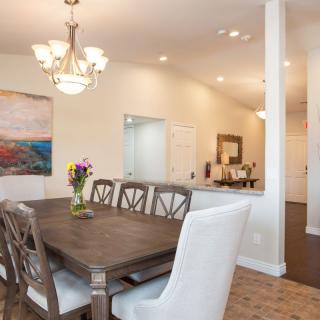






 In-Depth Look at the VA Aid and Attendance Program
 Nurturing Our Loved Ones: A Daughter's Journey in Caring for Her Mother
 Nurturing Our Elders: Linda's Journey of Supporting Her Mother