
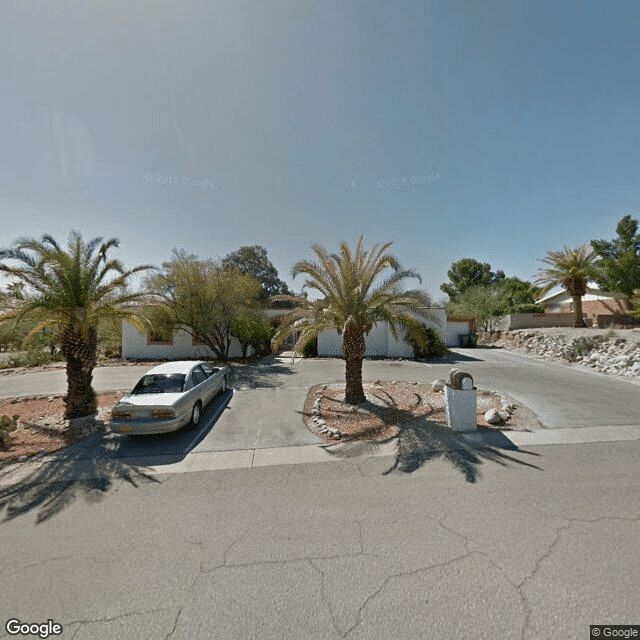
3401 N. Camino de Piedras, Tucson, AZ 85750
To contact a resident: (520) 290-4882
For more information about senior living options: (866) 208-4318
Helen's TLC Costs & Pricing
At Helen's TLC, the monthly cost for a private room is $3,000, which is notably more affordable compared to the average rates in Pima County at $3,332 and across Arizona where the costs reach approximately $3,345. This pricing structure positions Helen's TLC as a competitive option for individuals seeking quality care without compromising on comfort or personal space. By offering lower rates than both the county and state averages, Helen's TLC ensures that residents receive exceptional value while benefiting from a nurturing environment tailored to their needs.
| Floor plans | Helen's TLC | Pima County | Arizona |
|---|---|---|---|
| Private | $3,000 | $3,332 | $3,345 |
Senior living communities with a similar price nearby
-
from -$200 / mo
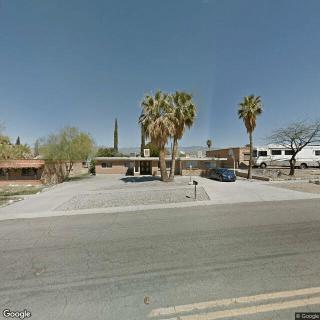
Abella Manor Senior Care, LLC
$2,800 to $3,200 / month3.3 miles away -
from +$150 / mo
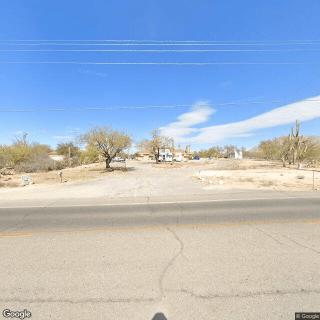
Casa De Buena Vida
$3,150 to $3,450 / month9.9 miles away -
from +$200 / mo
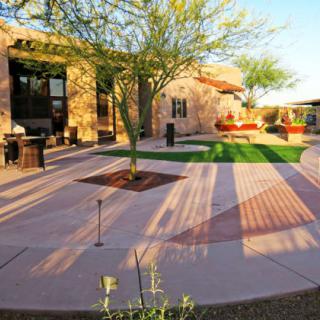
Academy Villas
$3,200 to $7,000 / month13.4 miles away -
from -$500 / mo
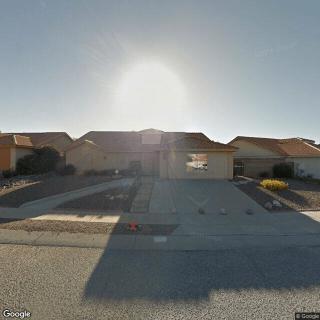
Grace Home I
$2,500 to $3,200 / month5.2 miles away -
About the same
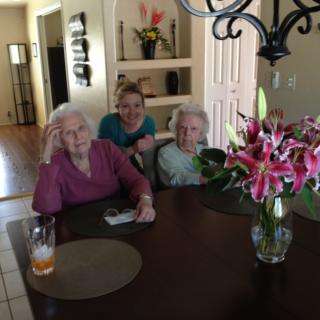
Lisa's Loft
$3,000 to $4,000 / month5.6 miles away
Overall Review of Helen's TLC
Pros
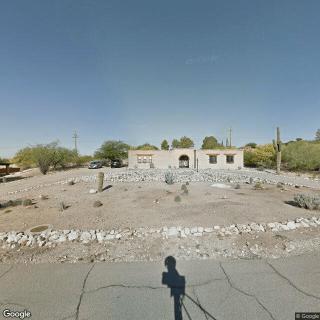
 The neighborhood is good.
- The bedrooms are nice.
- The man who showed the place was extremely pleasant.
- It might be okay for a more mobile senior.
Cons
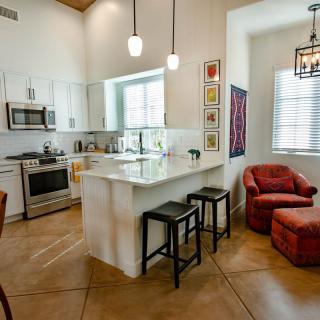
 The ceilings were low and the two communal areas were somewhat dark.
- There were no private bathrooms.
- It wasn't appropriate for their mom.
- The manager didn't show up for the appointment.
Review
Helen’s TLC in Tucson is best suited for a mobile, independent senior who values a quiet, residential neighborhood over modern, resort-like amenities and who can live without private bathrooms. The bedrooms themselves are a bright spot, and the surrounding area feels compatible with a simple, low-maintenance routine. For someone who needs little hands-on care and can navigate a home with shared facilities, it can be a tolerable, low-stress option. The standout detail from the on-site contact was the pleasant demeanor of the person who conducted the tour, which signals potential for solid customer service if the operation can stabilize its strengths. If that level of staff attentiveness is enough to offset other gaps, this community may work in the short term.
The negatives, however, are substantive and hard to overlook. The space design reads small and boxed in, with low ceilings that can leave common areas feeling cramped and dim. Two communal spaces simply aren’t enough for daily social variety, and the limited lighting amplifies a sense of enclosure. Most critically for many families, there are no private bathrooms in the units, which reshapes daily routines, privacy, and the level of assistance a resident can reasonably require. This setup makes daily living more vulnerable to friction, especially for residents who value convenience or have similar or rising needs for personal care. In addition, the appointment experience was unreliable, with the manager not showing up for a scheduled visit, a red flag about organizational reliability and responsiveness.
The best aspects, neighborhood appeal and pleasant staff contact, do little to compensate for the core drawbacks. A good neighborhood matters for strolls, errands, and familiar surroundings, aligning with independence and routine that many seniors prize. Yet the lack of en-suites and the dim, constrained common areas undermine comfort and practical usability inside the home. The favorable impression created by the tour guide’s courtesy does indeed suggest that service quality could improve with more consistent leadership and accountability, but such improvement cannot be assumed. For families balancing safety, ease of care, and living environment, the current mix tilts toward caution rather than confidence.
Those weighing options should clearly consider alternatives if privacy and brighter, more welcoming shared spaces are non-negotiable. Communities that offer private bathrooms or en-suite layouts, more expansive and well-lit gathering areas, and a track record of reliable, communicative management will typically deliver a higher level of daily quality of life and peace of mind. If a resident requires frequent assistance, a higher staff-to-resident ratio and more proactive care planning become essential factors, and Helen’s TLC may fall short in these dimensions.
If a tour is arranged, come armed with concrete questions: Are any units available with private baths, and if not, what is the plan for bathroom access and privacy? Can common areas be renovated or re-lit to improve brightness and flow? What is the actual staffing schedule, and how consistently does management attend tours or appointments? What safety features are in place beyond standard alarms, and how are incidents handled if a resident needs help at night? What meals, activities, and transportation options exist to keep days structured? These specifics will reveal whether the current environment is a temporary fit or a lasting concern.
In the end, Helen’s TLC reads as a feasible option only for a specific slice of seniors, those who are geographically anchored to a quiet neighborhood, prefer a straightforward, modest living footprint, and can tolerate shared bathrooms without compromising independence. For families prioritizing privacy, daylight, and consistently engaged management, this community should be set aside in favor of alternatives with clearer safety features, brighter common spaces, and a track record of dependable operations. The decision hinges on the resident’s mobility, comfort with shared facilities, and the importance placed on reliable, proactive administration.
 Board and Care Home
 Private
 Tucson International (12 miles away)
 Diabetic care

 6 Crucial Ways an Elder Law Attorney Assists Families
 Navigating the Tax Landscape of Caregiving: Credits, Deductions, and Beyond
 Highly Beneficial Low-Impact Exercises for Senior Living Residents