
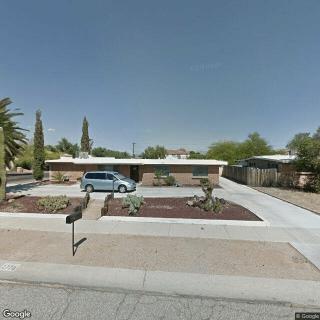
5803 East Ft Lowell, Tucson, AZ 85712
For more information about senior living options: (866) 208-4318
Overall Review of El Rancho Encanto Assisted Living At The Fort
Pros
 The entire staff is totally caring for their parents.
Cons
 The facility is a horrible place to bring loved ones.
- The manager is described as a drunk, with MEG allegedly coming to work drunk.
- The owner is never around.
- They hire staff who don’t know what they are doing and speak little English.
- Medications are never administered correctly, if at all.
- The environment involves people smoking weed there.
Review
El Rancho Encanto Assisted Living at The Fort in Tucson is best suited for families seeking a small, resident-focused environment where frontline caregivers deliver visible warmth and daily interaction. It works for seniors who mainly need help with activities of daily living, companionship, and routine monitoring rather than complex medical care. In this setting, residents often experience attentive, hands-on support that translates into familiar routines and a steady sense of daily comfort. For families who value a personal touch and are comfortable with a more intimate, less institutional feel, this community can meet those expectations well.
Potential buyers should be aware of significant red flags raised in the reviews. One account describes leadership as unreliable, alleging the on-site manager is intoxicated and the owner rarely present. The same account flags staff lacking proper training, with medications described as never correctly administered, or not given at all. Additional concerns include language barriers among staff and the impression that on-site smoking creates safety and routine disruptions. While this is a single perspective, the specificity of the claims warrants thorough due diligence: verify the current administrator’s presence, confirm medication management practices, and request detailed information about staff qualifications and turnover before committing.
On the pro side, the care team’s warmth is repeatedly cited as a strength. Frontline caregivers are described as genuinely attentive and willing to engage with residents, which translates into meaningful daily experiences, reassurance for families, and predictable routines. This kind of bedside dedication can create a strong core of daily stability even when administrative oversight feels uneven. In practical terms, consistent personal attention on the floor can help with meal reminders, mobility assistance, and companionship, delivering real value where family members cannot be present 24/7.
Yet the main cons, unreliable medication practices, perceived leadership absence, and language barriers, pose real safety and continuity risks. Medication errors can rapidly undermine a resident’s health and trust, especially for those on multiple prescriptions or with nuanced administration needs. A leadership figure who is not visible or responsive undermines accountability and makes issue resolution slower and more stressful for families. Language gaps among staff can impede clear communication about changes in care plans, symptom reporting, and timely updates. These shortcomings do not spell catastrophe, but they do demand rigorous mitigations: established, transparent medication protocols; scheduled clinical oversight; clearly documented care plans; and a predictable leadership presence that families can rely on.
To determine fit, families should demand a concrete, decision-ready plan. Request a tour focused on how medications are ordered, stored, and administered, and observe a medication pass if possible. Inquire about staff-to-resident ratios across shifts, and ask who supervises clinical care and how frequently administrators are on site. Ensure there is a clear process for reporting concerns, with timely, documented responses. Probe language support, whether there are bilingual caregivers or translated family updates, and confirm how communications are maintained with family members who prefer non-English updates. If these assurances cannot be demonstrated, or if leadership appears opaque, it is prudent to explore alternatives with stronger governance and medical oversight.
Bottom line: El Rancho Encanto can deliver the daily warmth and intimate, hands-on care that some seniors value, making it a viable choice for families who are ready to stay actively involved in monitoring safety and quality. However, for residents with complex medical needs or families requiring consistent, transparent medication management and stable leadership, it is essential to consider other options. The decision should rest on visible leadership accountability, proven medication protocols, and a sustainable, clear approach to communication that keeps families informed and engaged.
 8 resident community capacity
 Assisted Living
 Board and Care Home
 Cable or satellite TV
 Dining room
 Fully furnished
 Garden
 Housekeeping services
 Move-in coordination
 Outdoor space
 Telephone
 Wi-Fi/high-speed internet available
 Tucson International (11 miles away)
 24-hour supervision
 Activities of daily living assistance
 Assistance with bathing
 Assistance with dressing
 Assistance with transfers
 Diabetes diet
 Meal preparation and service
 Medication management
 Special dietary restrictions
 Transportation arrangement (medical)
 Transportation to doctors appointments



 Assisted Living and Memory Care: Understanding Their Core Differences
 Beyond the Bingo Hall: 50+ Enriching Activities for Seniors in Assisted Living
 Understanding the Distinctions: Assisted Living and Memory Care Explained