
5803 E. Ft Lowell Rd., Tucson, AZ 85712
To contact a resident: (520) 885-0004
For more information about senior living options: (866) 208-4318
El Rancho Encanto Assisted Living Costs & Pricing
El Rancho Encanto Assisted Living offers competitive pricing for its residents compared to both Pima County and the broader state of Arizona. For those seeking semi-private accommodations, El Rancho Encanto's monthly cost is $2,600, which is notably lower than the county average of $2,805 and the state average of $2,820. In the case of private rooms, residents will find that El Rancho Encanto's rate of $3,200 is also more advantageous when juxtaposed with Pima County's average of $3,332 and Arizona's overall average of $3,345. This positioning not only enhances accessibility for families and individuals seeking quality assisted living options but also emphasizes El Rancho Encanto's commitment to providing affordable care tailored to community needs.
| Floor plans | El Rancho Encanto Assisted Living | Pima County | Arizona |
|---|---|---|---|
| Semi-Private | $2,600 | $2,805 | $2,820 |
| Private | $3,200 | $3,332 | $3,345 |
Senior living communities with a similar price nearby
-
from +$200 / mo
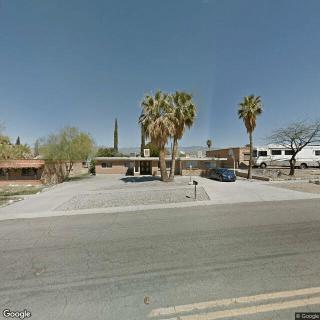
Abella Manor Senior Care, LLC
$2,800 to $3,200 / month4.7 miles away -
from -$400 / mo
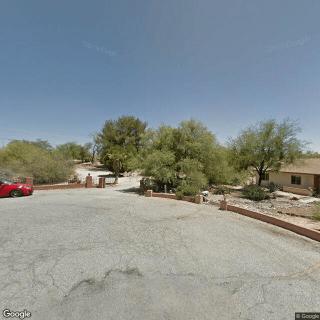
Abuelos At La Canada
$2,200 to $2,800 / month8.1 miles away -
from -$300 / mo
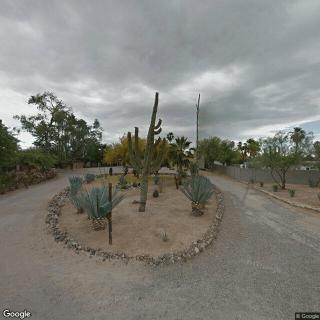
Northwest Assisted Living
$2,300 to $2,500 / month9.4 miles away -
from -$400 / mo

Gentlemen's Inn I
$2,200 / month4.0 miles away -
from -$100 / mo
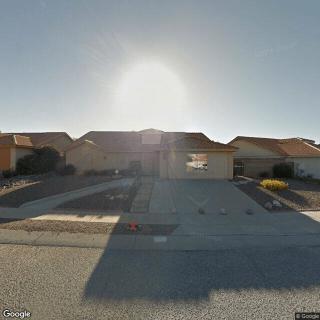
Grace Home I
$2,500 to $3,200 / month5.8 miles away
Overall Review of El Rancho Encanto Assisted Living
Pros
 The entire staff is totally caring for their parents.
Cons
 The review portrays the facility as a horrible place to bring loved ones.
- It alleges the manager is frequently drunk.
- It claims the owner is never around.
- It says they hire staff who don’t know what they’re doing.
- It notes the staff speak little English.
- It describes the residents’ situation as very sad.
- It states that working there is a joke.
- It claims medications are never administered correctly, if at all.
- It mentions Meg comes to work drunk on a regular basis.
- It asserts that marijuana is smoked there.
Review
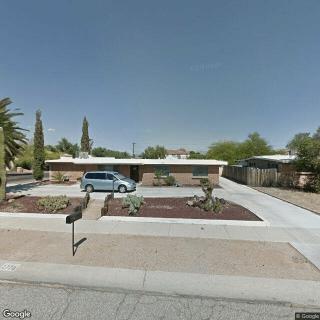
El Rancho Encanto Assisted Living in Tucson is best suited for families seeking a small, home-like setting where caregivers demonstrate visible warmth and hands-on attention. The community’s intimate size makes it possible to observe daily staff interactions up close, and the atmosphere tends toward friendliness and accessibility rather than clinical stiffness. It works well for residents who need help with routine daily tasks and who value regular social contact, rather than those requiring highly specialized medical programs. For families who want to stay closely involved in care decisions and favor a personable, neighborly feel, this setting offers a practical home away from home.
Alternatives should be considered for seniors with more demanding medical needs or where flawless medication management and steady administrative oversight are non-negotiable. Several reviewers flag governance concerns, noting the owner’s limited presence and inconsistent leadership, along with reports of staff who may lack experience or linguistic clarity. Such issues can translate into safety and reliability gaps, especially for residents with complex dosing schedules or cognitive impairment. In short, this community may not be the right fit when medical rigor and predictable operations are paramount.
On the upside, the most convincing strength is the care-driven culture evident in staff-resident interactions. Residents reportedly receive affectionate, attentive support, and the staff’s personal investment helps compensate for limitations typical of a smaller operation. The compact footprint can mean closer supervision, easier family communication, and quicker response to everyday needs. When care demands stay within assisted-living boundaries, assistance with dressing, reminders for meds, and social activities, these advantages can deliver meaningful quality of life and a sense of security.
Yet the darker notes from reviews cannot be ignored. Serious accusations about management and medication practices threaten the core reliability of the operation. Claims that a manager arrives to work under the influence and that medications are mismanaged or inconsistently administered, if true, pose real safety risks. Additional concerns about staff training, language barriers, and the inconsistent presence of ownership compound the risk, eroding trust and making it harder for families to feel confident in weekend or overnight coverage.
Families evaluating this option should pursue rigorous due diligence. Schedule a formal meeting with the administrator, request to observe a medication pass, and ask for detailed policies on med administration, incident reporting, and staffing patterns. Visit at multiple times, speak with several staff members, and, if possible, talk with current residents about daily routines and perceived safety. Verify licensing status, insurer expectations, and whether a medical director or qualified nurse oversees clinical aspects. Establish a plan for frequent updates and set clear expectations for accountability before deciding.
Bottom line: El Rancho Encanto presents a warm, intimate environment that can deliver everyday comfort and companionship where other nearby options might feel more institutional. However, governance and medication-management concerns loom large and may override the benefits for seniors with higher care needs. This community is best approached as a potentially suitable short- to mid-term choice for families who are willing to stay actively involved and demand stringent oversight. For those needing consistent medication safety, predictable leadership, and robust clinical governance, stronger alternatives should be pursued in parallel to ensure the right fit.
 Board and Care Home
 Private
 Tucson International (11 miles away)
 Diabetic care



 A Closer Look at Private Pay Home Care
 Comprehensive Approaches for Arthritis: A Detailed Guide to Symptoms, Causes, and Care
 Comprehensive Insights and Practical Strategies to Help Older Adults Avoid Falls