Good Shepherd Nursing Home in Wheeling, WV

Save

  • Interior

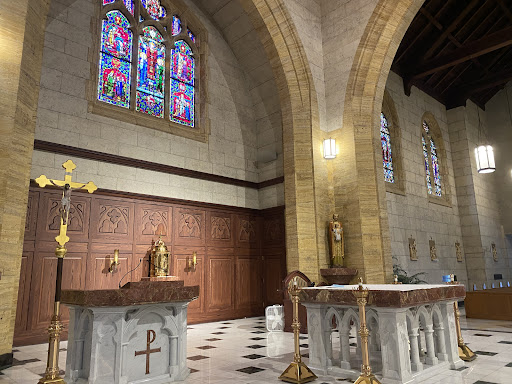
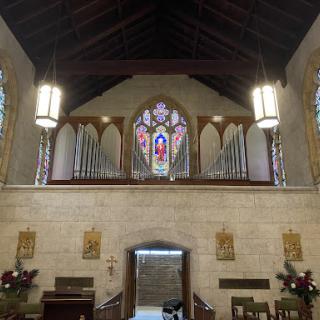
    A serene view of the altar in a church featuring beautiful stained glass windows.
  • Decor

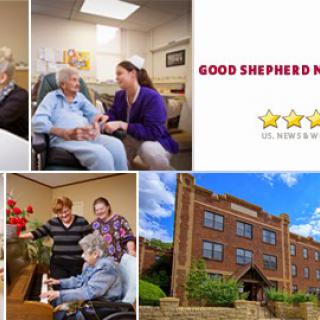
    Two musicians posing together in front of a beautifully decorated Christmas tree.
  • Building

    A historic brick building with multiple windows and a gabled entrance.
  • Architecture

    A serene view of the altar in a church, illuminated by colorful stained glass windows.
  • Healthcare

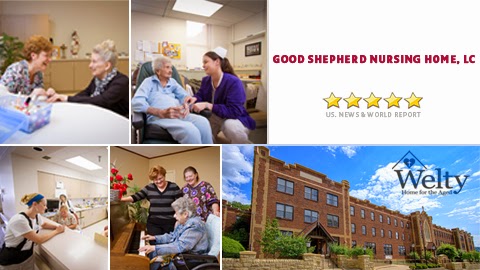
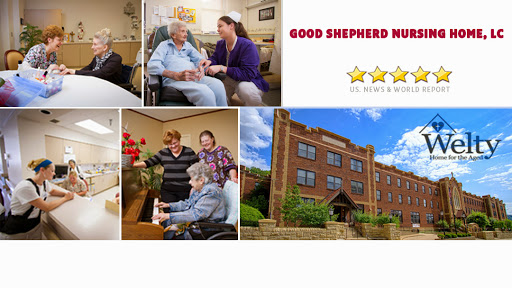
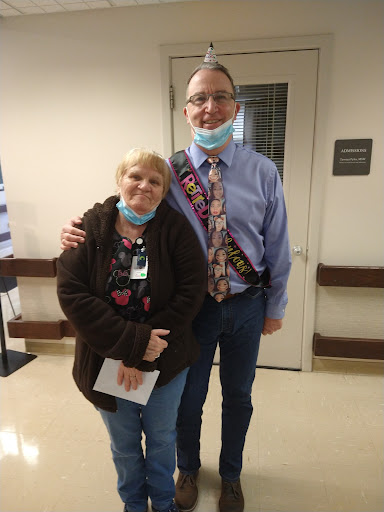
    A glimpse into the compassionate care and vibrant community at Good Shepherd Nursing Home.
  • Building Exterior

    Quality senior care at Good Shepherd Nursing Home, where compassion meets community.
  • Church

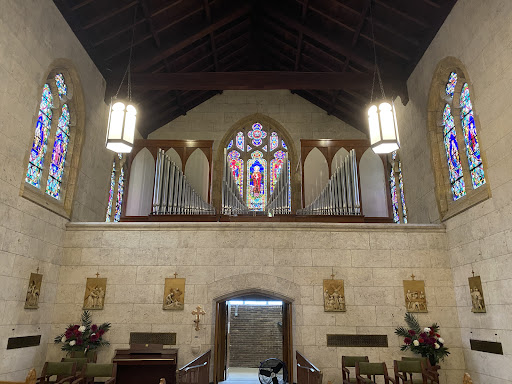
    The serene interior of a church featuring beautiful stained glass windows and a wooden ceiling.

Good Shepherd Nursing Home in Wheeling, WV

Information last verified:

159 Edgington Lane, Wheeling, WV 26003

For more information about senior living options: (844) 490-3973

4.2 from 89 reviews
5 stars
62
4 stars
9
3 stars
5
2 stars
4
1 stars
9

Seniors.FYI Elite Community Awards

Top 5% Senior Living Community in 2022

Add this award to your website

Overall Review of Good Shepherd Nursing Home

Pros

  • pro The Good Shepherd Nursing Home is a great facility that provides quality care.
  • pro The staff are wonderful, pleasant, and cheerful, doing their best for residents.
  • pro The chapel offers reverent Masses and is a true gem in Wheeling.
  • pro Families feel grateful for the care their loved ones receive there.
  • pro The dementia care is very well trained and compassionate.
  • pro The facility is clean, well maintained, and smells fresh.
  • pro The nurses and CNAs on the floors are dedicated and take excellent care of residents.
  • pro The staff deliver amazing, phenomenal care across departments.
  • pro The service is attentive, with friendly and helpful staff.
  • pro The overall environment is beautiful, with kind, caring personnel and good quality meals.

Cons

  • pro The facility was very understaffed, and the on-duty staff were stretched too thin.
  • pro The uncle’s cries for help went unanswered for hours, and he died.
  • pro His pants went missing during his stay.
  • pro He was left in a wheelchair for almost 13 hours, with no timely assistance.
  • pro Physical therapy was discontinued two weeks after his hip fracture, leaving him unable to walk.
  • pro The place smelled unpleasant as soon as someone walked in.
  • pro Items were stolen from residents’ rooms, and wandering residents went unnoticed by staff.
  • pro The administration was criticized for not handling problems properly.
  • pro There was a shortage of staff that sometimes led to medication issues.

Review

This community is best suited for families prioritizing warm, relationship-driven care in a setting that emphasizes spiritual life and a home-like feel, especially for residents with dementia or complex nursing needs who benefit from consistently compassionate staff. The chapel and ongoing pastoral presence stand out as a meaningful anchor for many families, and multiple reviews highlight staff who are patient, cheerful, and genuinely devoted to residents’ well-being. Cleanliness and a well-kept campus also matter here, with several accounts praising a pleasant environment and attentive front-line teams. Those who want a facility that can feel like a trusted, long-standing community, where staff know residents well and families feel welcomed, will find real value in Good Shepherd. Yet this is not a choice to overlook questions about staffing stability or the realities of managing a larger, aging building.

On the upside, the strongest selling points center on care that centers dementia experience, thoughtful attentiveness from nurses and CNAs, and a culture of kindness that families repeatedly notice during visits and transitions. Families repeatedly cite heartfelt moments, helping a resident through Christmas, assisting with mobility equipment, and training loved ones to use assistive devices, demonstrating a level of hands-on, personalized support that can be rare in larger facilities. The facility also earns praise for its religious programming and the sense that staff members take time to honor residents’ spiritual needs, which can be especially meaningful for families seeking congruence between care and faith. Finally, multiple residents and relatives describe the care as trustworthy and professional, with administrators and staff appearing capable of coordinating complex needs when operations are running smoothly.

The most troubling notes center on understaffing and the consequences that follow when coverage is insufficient. Reviews describe nights and wings staffed by too few caregivers, delays in response, and gaps in rehabilitation after injuries, all of which can have a direct impact on safety, mobility, and daily comfort. There are also credible reports of medication handoffs that required family vigilance, occasional missing personal items, and a few incidents of wandering residents that raised concern about security and supervision. A nagging sense of odor and aging infrastructure in some accounts adds to the impression that the setting, while clean at its best, sometimes betrays its age and resource constraints. Taken together, these cons are not abstract; they translate into real risk if staffing levels are not consistently maintained and if proactive safety protocols are not rigorously enforced.

Given those dynamics, families that must have unwavering staffing reliability, airtight medication management, and a secure environment should explore alternatives. Facilities with larger dedicated memory-care units or those known for stricter nurse-to-resident ratios may better meet expectations for consistent, around-the-clock coverage. If the decision hinges on a facility’s ability to keep pace with rehabilitation needs after injury or surgery, or to prevent gaps in daily activities and social engagement when staff are stretched thin, those considerations might tilt the balance away from Good Shepherd. For residents who require a highly structured, safety-first setting, especially where wandering or disruptive behavior is a concern, an environment with more robust security measures and specialized staffing patterns could be preferable.

For families actively evaluating options, a pragmatic path is essential. Inspect specific units, not just the overall campus: ask for staffing ratios by shift, request a tour during peak activity times to observe response times, and inquire about how often rehabilitation services are interrupted or discontinued, as cited in some reviews. Probe the administration’s approach to theft prevention, room safety, and how meals and nutrition are monitored, since dietary quality and the physical environment matter as much as touch and care. Seek transparency on incident history, how concerns are tracked, and what corrective actions are taken when problems are identified. Finally, consider the overall philosophy: a place that excels in compassionate, person-centered care and spiritual support may still require vigilant oversight to ensure consistency across every shift.

The bottom line is that Good Shepherd Nursing Home represents a strong, value-rich option for families who can actively monitor and engage with the care dynamic. For those who prize warmth, compassionate dementia care, and a community that feels like a home with spiritual fulfillment, the positives can far outweigh the drawbacks when staffing is dependable and oversight is tight. But this is not a hands-off choice. The most satisfied families will be those who enter with clear expectations about staffing variability, insist on ongoing communication from leadership, and maintain an assertive, collaborative role in their loved one’s daily routine. When these conditions align, Good Shepherd can deliver the meaningful, dignified care that many families seek in a Wheeling setting.

Features

Housing

  • 192 resident community capacity 192 resident community capacity

Types of Care

  • Skilled Nursing Facility Skilled Nursing FacilitySkilled Nursing Facilities are crucial for seniors as they provide round-the-clock medical care, rehabilitation services, and assistance with daily activities. These facilities ensure that seniors receive the specialized care they need to maintain their health and well-being as they age.

Amenities

  • Air-conditioning Air-conditioningAir conditioning is important for seniors as they are more vulnerable to heat-related illnesses and may have underlying health conditions that make it difficult for them to regulate their body temperature. It helps to keep them comfortable, safe, and healthy in hot weather.
  • Beauty salon Beauty salonBeauty salons are important for seniors because they provide a space for them to feel pampered, socialize, and maintain their personal grooming and hygiene. Regular visits to a beauty salon can help boost seniors' self-esteem and overall well-being.
  • Cable or satellite TV Cable or satellite TVCable or satellite TV is important for seniors because it provides entertainment, news, and companionship, helping to combat loneliness and boredom. It also offers a wide range of programming options tailored to different interests and preferences.
  • Computer center Computer centerA computer center is essential for seniors as it provides access to technology, communication tools, and resources that can enhance their daily lives. It allows them to stay connected with loved ones, engage in online activities, and learn new skills, ultimately promoting socialization and mental stimulation.
  • Dining room Dining roomDining rooms are important for seniors as they provide a space for socialization, connection, and nutritious meals. They offer opportunities for residents to bond over shared meals, foster a sense of community, and promote healthy eating habits. Dining rooms also ensure that seniors have access to well-balanced meals tailored to their dietary needs and preferences.
  • Fitness room Fitness roomHaving a fitness room in a senior living community is essential for seniors to stay active, maintain their physical health, and improve their overall well-being. Regular exercise can help prevent falls, reduce the risk of chronic diseases, and promote mental sharpness. It also provides social opportunities for residents to connect with others and enjoy a sense of community.
  • Fully furnished Fully furnishedFully furnished senior living communities are important for seniors because they provide convenience, comfort, and a hassle-free moving experience. Seniors can easily settle into their new living space without the stress of having to buy and move furniture. This allows them to focus on enjoying their new home and community.
  • Gaming room Gaming roomGaming rooms are important for seniors as they provide a fun and engaging environment for socializing, cognitive stimulation, and physical activity. Games can improve memory, problem-solving skills, and overall mental well-being while fostering friendships and reducing feelings of isolation.
  • Garden GardenGardens are important for seniors as they provide a peaceful and therapeutic environment for relaxation, physical activity, and socialization. Being in nature has been shown to reduce stress, improve mood, and promote overall well-being. Gardens also offer opportunities for seniors to engage in gardening activities, which can improve mobility, flexibility, and cognitive function. Additionally, gardens create a sense of community and connection with others who share a passion for plants and outdoor spaces.
  • Housekeeping services Housekeeping servicesHousekeeping services are important for seniors because they help maintain a clean and safe living environment, promote independence, and reduce the risk of accidents or illnesses. Additionally, having assistance with household chores can alleviate physical strain and allow seniors to focus on other aspects of their well-being.
  • Kitchenette KitchenetteKitchenettes are important for seniors living in senior living communities because they provide the convenience and independence of being able to prepare simple meals and snacks in the comfort of their own living space. This can help promote a sense of autonomy and well-being for seniors, allowing them to maintain some level of control over their dietary choices and daily routines.
  • Move-in coordination Move-in coordinationMove-in coordination is important for seniors because it helps ease the transition into their new living environment. It ensures that all logistics, such as packing, organizing movers, and setting up utilities are taken care of, allowing seniors to focus on settling in and adjusting to their new home. Having a smooth move-in process can alleviate stress and anxiety, making the transition smoother and more enjoyable for seniors.
  • Outdoor space Outdoor spaceOutdoor spaces are important for seniors as they provide opportunities for physical activity, social interaction, exposure to natural light and fresh air, and a sense of connection to nature. Having access to outdoor spaces can improve overall well-being and quality of life for older adults living in senior communities.
  • Private bathrooms Private bathroomsPrivate bathrooms are important for seniors in senior living communities because they provide independence, dignity, and comfort. Having a private bathroom allows seniors to maintain their personal hygiene routines without the need for assistance, promoting a sense of autonomy and privacy. Additionally, private bathrooms help prevent the spread of infections and provide a safe and clean environment for seniors to navigate safely.
  • Restaurant-style dining Restaurant-style diningRestaurant-style dining is important for seniors because it allows them to enjoy delicious, nutritious meals in a social and upscale setting. This enhances their dining experience, promotes healthy eating habits, and fosters socialization with fellow residents, ultimately contributing to their overall well-being and quality of life.
  • Small library Small librarySmall libraries are important for seniors as they provide access to a variety of reading materials, including books, newspapers, and magazines. This can help stimulate their minds, keep them engaged, and provide a sense of community through book clubs and other social activities. Additionally, reading has been shown to improve cognitive function and overall mental well-being in older adults.
  • Telephone TelephoneTelephones are important for seniors as they provide a lifeline for communication with loved ones, emergency services, and healthcare providers. They offer a sense of security and independence, enabling seniors to stay connected and access assistance when needed.
  • Wellness center Wellness centerWellness centers are important for seniors because they offer a variety of programs and services that promote physical, mental, and emotional well-being. These centers provide opportunities for exercise, socialization, education, and relaxation, helping seniors maintain their overall health and quality of life.
  • Wi-Fi/high-speed internet available Wi-Fi/high-speed internet availableWi-Fi/high-speed internet is important for seniors to stay connected with loved ones, access online resources, and participate in virtual activities to combat feelings of loneliness and isolation. It also allows them to easily manage healthcare needs, access entertainment, and engage in lifelong learning opportunities.

Transportation

  • Community operated transportation Community operated transportationCommunity operated transportation is crucial for seniors as it provides them with the means to access essential services, social activities, and medical appointments. It allows seniors to maintain their independence and quality of life by ensuring they can participate in activities outside of their homes. Additionally, community-operated transportation services offer a safe and reliable way for seniors to travel without having to rely on family or friends for assistance.
  • Transportation arrangement Transportation arrangementTransportation arrangements are crucial for seniors as they may face challenges with driving, mobility, or access to public transportation. Having reliable transportation services ensures that seniors can easily attend appointments, social activities, and maintain their independence and quality of life.
  • Transportation arrangement (non-medical) Transportation arrangement (non-medical)Transportation arrangements are essential for seniors as they provide access to essential services, activities, and social interactions outside the home. This service helps maintain independence, mobility, and overall well-being for seniors who may have limited transportation options.
  • Transportation to doctors appointments Transportation to doctors appointmentsTransportation to doctors appointments is crucial for seniors as it ensures they have access to necessary medical care and support, promoting their health and well-being. It allows them to receive timely treatment, monitor existing conditions, and address any new health concerns efficiently. Additionally, transportation services can help seniors maintain their independence and quality of life by enabling them to stay connected with their healthcare providers.

Care Services

  • 12-16 hour nursing 12-16 hour nursing12-16 hour nursing care is crucial for seniors in order to ensure around-the-clock monitoring, timely medication administration, and prompt response to any health concerns or emergencies. This level of care helps to promote the overall well-being and safety of seniors living in senior living communities.
  • 24-hour call system 24-hour call system24-hour call systems are important for seniors because they provide peace of mind and immediate assistance in case of emergencies. This technology ensures that help is always available, promoting safety and security for elderly individuals living alone or in assisted living facilities.
  • 24-hour supervision 24-hour supervision24-hour supervision is important for seniors to ensure their safety, well-being, and access to immediate assistance in case of emergencies or health issues. This constant support provides peace of mind for both seniors and their loved ones, allowing them to age in place with dignity and security.
  • Activities of daily living assistance Activities of daily living assistanceActivities of daily living assistance are important for seniors because they provide essential support with tasks such as eating, bathing, dressing, and mobility. This assistance helps seniors maintain their independence, dignity, and overall quality of life as they age.
  • Assistance with bathing Assistance with bathingAssistance with bathing is crucial for seniors as it helps maintain personal hygiene, prevents infections, and ensures their overall well-being and comfort. It also provides a sense of dignity and independence for seniors who may struggle with this task on their own.
  • Assistance with dressing Assistance with dressingAssistance with dressing is important for seniors because it helps maintain their independence, promotes personal hygiene, prevents accidents and injuries, and improves overall quality of life. This service ensures that seniors can continue to dress comfortably and confidently, despite any physical limitations they may have.
  • Assistance with transfers Assistance with transfersAssistance with transfers is crucial for seniors as it helps prevent falls and injuries, maintains their independence, and ensures they can safely navigate their living environment. It also provides peace of mind for both seniors and their loved ones.
  • Diabetes diet Diabetes dietA diabetes diet is crucial for seniors as it helps manage blood sugar levels, reduce risks of complications, and improve overall health and well-being. By following a balanced and nutritious diet tailored to their specific needs, seniors can better control their diabetes and enhance their quality of life.
  • Meal preparation and service Meal preparation and serviceMeal preparation and service are crucial for seniors as they may have limited mobility or energy to cook nutritious meals. Having access to healthy and convenient food options can ensure they are getting the proper nutrition needed to maintain their overall health and well-being.
  • Medication management Medication managementMedication management is crucial for seniors to ensure they are taking the right medications at the correct dosages and times. This helps prevent adverse drug interactions, reduces the risk of medication errors, and promotes overall health and well-being. Proactive management also allows for adjustments as needed based on changing health conditions or new prescriptions.
  • Mental wellness program Mental wellness programMental wellness programs are essential for seniors as they promote cognitive stimulation, emotional support, and social engagement. These programs help prevent isolation, depression, and cognitive decline, ultimately enhancing the overall quality of life for older adults.
  • Special dietary restrictions Special dietary restrictionsSpecial dietary restrictions are important for seniors because age-related changes in metabolism and health conditions can make it difficult for their bodies to process certain foods. By following a diet tailored to their specific needs, seniors can maintain their overall health and well-being, manage chronic conditions, and reduce the risk of complications such as malnutrition or food interactions with medications.

Dining

  • Diabetes diet Diabetes dietA diabetes diet is crucial for seniors as it helps manage blood sugar levels, reduce risks of complications, and improve overall health and well-being. By following a balanced and nutritious diet tailored to their specific needs, seniors can better control their diabetes and enhance their quality of life.
  • Special dietary restrictions Special dietary restrictionsSpecial dietary restrictions are important for seniors because age-related changes in metabolism and health conditions can make it difficult for their bodies to process certain foods. By following a diet tailored to their specific needs, seniors can maintain their overall health and well-being, manage chronic conditions, and reduce the risk of complications such as malnutrition or food interactions with medications.

Activities

  • Community-sponsored activities Community-sponsored activitiesCommunity-sponsored activities are important for seniors as they provide opportunities for social interaction, mental stimulation, and physical activity. These activities can help improve overall well-being, combat loneliness and isolation, and promote a sense of belonging and purpose among older adults.
  • Concierge services Concierge servicesConcierge services are essential for seniors as they provide assistance with daily tasks and errands, enhance their quality of life by offering convenience and personalized care, and promote a sense of safety and security.
  • Fitness programs Fitness programsFitness programs are crucial for seniors as they help improve strength, flexibility, balance, and overall well-being. Staying active can reduce the risk of chronic diseases, improve mental health, and enhance quality of life in older adults.
  • Planned day trips Planned day tripsPlanned day trips are important for seniors because they offer opportunities for socialization, mental stimulation, and physical activity. They provide a change of scenery and help seniors stay engaged and connected to their community, promoting overall well-being and quality of life.
  • Resident-run activities Resident-run activitiesResident-run activities are important for seniors as they encourage social interaction, creativity, and a sense of autonomy. These activities empower seniors to stay engaged and active in their community while fostering meaningful connections with their peers.
  • Scheduled daily activities Scheduled daily activitiesScheduled daily activities are important for seniors because they provide structure, socialization, mental stimulation, and physical activity. Engaging in regular activities can improve overall well-being and quality of life for seniors living in a community setting.

Description

Good Shepherd Nursing Home, located in the heart of Wheeling, WV, offers a warm and welcoming assisted living community designed to provide comfort, care, and a vibrant lifestyle for its residents. With an array of thoughtful amenities and comprehensive care services, Good Shepherd is committed to enhancing the quality of life for seniors.

Residents can enjoy a range of on-site facilities, including a beauty salon, fitness room, gaming room, and small library, perfect for relaxation and recreation. The beautifully landscaped outdoor spaces invite residents to connect with nature, while the garden provides a serene spot for socializing or quiet contemplation. Good Shepherd also features fully furnished living spaces that include private bathrooms and kitchenettes for added convenience.

Dining at Good Shepherd is a delightful experience with restaurant-style service that accommodates special dietary restrictions. Residents can savor nutritious meals prepared with care while enjoying the camaraderie of communal dining in the spacious dining room.

Care services are tailored to meet individual needs, ensuring peace of mind with 24-hour supervision and assistance available around the clock. Staff members are dedicated to providing support with daily activities such as bathing and dressing, medication management, diabetes diets, and more. A mental wellness program further emphasizes holistic health by nurturing both body and mind.

The community fosters engagement through various activities like planned day trips, resident-run events, fitness programs, and concierge services that encourage socialization among residents. Scheduled daily activities ensure that each day is filled with purpose and enjoyment.

For those looking to explore beyond the community's offerings, Good Shepherd Nursing Home is conveniently located near numerous cafes, parks, pharmacies, physicians' offices, restaurants, places of worship, theaters, and hospitals, making it easy for residents to access essential services or enjoy leisurely outings.

Overall, Good Shepherd Nursing Home stands as an exceptional choice for assisted living in Wheeling, providing not just a place to live but a true community where residents can thrive in their golden years.

Nearby Places of Interest

Places of Worship

  • Sisters Of St Joseph (0.1 miles)
  • Whittington P E Reverend (0.4 miles)
  • First Christian Church (0.7 miles)
  • St Joseph's Cathedral (2.4 miles)
  • Abundant Life Christian School (2.7 miles)
  • St Alphonsus Church (2.7 miles)
  • Trinity Assembly of God (2.9 miles)

Physicians

  • AIO The Eye Surgeons (0.6 miles)
  • Primary Care One (0.8 miles)
  • Midcap Douglas W (0.8 miles)
  • Peterson Rehabilitation Hospital (0.9 miles)
  • Advanced Family Practice (1.1 miles)
  • Baldi Steven T, DDS (1.1 miles)
  • Associates Of Ophthamology (1.3 miles)

Restaurants

  • Papa John's Pizza (0.7 miles)
  • Bob Evans (1.1 miles)
  • Figaretti's Restaurant (1.2 miles)
  • Generations Restaurant & Pub (2 miles)
  • Old Windmill Pub (2.4 miles)
  • Garbo's Neighborhood Bar (2.4 miles)
  • Elle & Jack's (2.5 miles)

Cafes

  • Wheeling Coffee Shoppe (0.7 miles)
  • Tim Hortons (0.9 miles)
  • Centre Cup Coffee (2.8 miles)
  • Starbucks (4.3 miles)
  • Panera Bread (4.3 miles)

Pharmacies

  • CVS Pharmacy (1 miles)
  • Kroger Pharmacy (1.2 miles)
  • Med Rx (1.5 miles)
  • CVS Pharmacy (2.5 miles)
  • Kroger Food And Pharmacy (2.7 miles)
  • Kroger Food and Pharmacy (3 miles)
  • CVS Pharmacy (3.1 miles)

Parks

  • Wheeling Park (1.6 miles)
  • Bethlehem Community Park (1.9 miles)
  • Fodor Memorial Park (2.8 miles)
  • Bridge Park (3.1 miles)

Hospitals

  • East Ohio Regional Hospital (2.6 miles)
  • Highmark Blue Cross Blue Shld (2.6 miles)
  • Hillcrest Behavioral Health Services (2.7 miles)
  • Bellaire Hospital (4.8 miles)
  • Acuity Specialty Hospital (6.2 miles)
  • Wheeling Hospital (8.2 miles)
  • Barton Social Hall (8.8 miles)

Theaters

  • Marquee Theaters Highlands (4.2 miles)

Frequently Asked Questions

Where is Good Shepherd Nursing Home?
What photos are available for Good Shepherd Nursing Home in Wheeling, West Virginia?

Nearby Communities

  • Elmhurst - The House Of Friendship

    Elmhurst - The House Of Friendship

    Wheeling, WV

    4.5 from 19 reviews
    $1,750 to $4,000 / month

    pro Friendly, attentive staff in a familiar, charming setting with engaging activities.


  • Welty Home

    Welty Home

    Wheeling, WV

    4.5 from 15 reviews
     

    pro Restaurant-style dining and 24/7 skilled nursing with extensive on-site amenities.

  • Guardian Elder Care At Wheeling

    Guardian Elder Care At Wheeling

    Wheeling, WV

    3.4 from 56 reviews
     

    pro Comprehensive care with 24/7 supervision, nursing services, and a wide range of amenities.

  • Continuous Care Center Wheeling Hospital

    Continuous Care Center Wheeling Hospital

    Wheeling, WV

    3 from 6 reviews
     

    pro Comprehensive care with 24/7 supervision and broad on-site amenities (dining, beauty salon, fitness, transportation, mental wellness).

  • Right at Home-Wheeling Area Private Duty LLC

    Right at Home-Wheeling Area Private Duty LLC

    Wheeling, WV

    3 from 4 reviews
     

    pro Consistent, likable caregivers and reduced stress.

  • East Ohio Regional Hospital Long Term Care

    East Ohio Regional Hospital Long Term Care

    Martins Ferry, OH

    3.2 from 100 reviews
     

    pro Comprehensive amenities and 24/7 supervision with restaurant-style dining.

  • Cumberland Pointe Care Center

    Cumberland Pointe Care Center

    St Clairsville, OH

    3.8 from 31 reviews
     

    pro Fast service and excellent care in a clean facility with good dining and outdoor space.

  • Villa Vista Royale

    Villa Vista Royale

    Steubenville, OH


    pro Continuum of care options with personalized services and furnished living spaces.

  • Transitions Healthcare Washington

    Transitions Healthcare Washington

    Washington, PA

    4.4 from 14 reviews
    $1,987 to $2,781 / month

    pro Attentive staff, clean facility, and helpful administration.

Skilled Nursing Facility in Nearby Cities

Related Resources

  • who qualifies for home health care servicesComprehensive Guide to Qualifying for Home Health Care Services

    The guide outlines the eligibility criteria for home health care services, emphasizing clinical requirements, insurance options, and application processes. It distinguishes between Medicare's strict and Medicaid's flexible qualifications while addressing challenges families may face in securing necessary care at home.

  • what is elder abusePowerful Realities of Elder Abuse and the Most Effective Ways to Report It

    Elder abuse affects many older adults worldwide and includes physical, emotional, neglectful, and financial harm, with about one in six individuals over 60 experiencing abuse annually. Prevention and intervention strategies focus on awareness, support for caregivers, and mandatory reporting, while recovery necessitates comprehensive support for both physical and emotional needs.

  • caregiver dutiesTen Vital Duties of a Senior Caregiver: A Comprehensive Guide

    The guide details ten essential responsibilities of senior caregivers, including personal care, mobility assistance, medication management, and emotional support, while emphasizing the importance of safety, nutrition, and maintaining a safe living environment to enhance seniors' quality of life and independence.