
236 Hullihen Place, Wheeling, WV 26003
For more information about senior living options: (866) 208-4318
Overall Review of Continuous Care Center Wheeling Hospital
Pros
 The place and its staff are awesome.
- The staff's professionalism and caring nature are beyond expectations.
- The sweet tea is awesome.
- The family and friends were more than happy with the care she received.
Cons
 The patient's mother doesn't want to come back.
- The doctor at the hospital is going against the patient's wishes.
- Many continuous care facilities lack essential aspects necessary to properly care for residents.
Review
This community is best suited for families seeking a hospital-adjacent, professional care environment where staff are consistently described as attentive and compassionate, and where the facility itself projects a polished, capable appearance. The Wheeling Hospital connection lends a clinically integrated feel that can reassure families looking for steady medical oversight and coordinated discharge planning. It works well for loved ones who value daily demonstrations of warmth from caregivers, a neatly maintained setting, and reliability in routine care. In short, it serves seniors who want a high level of professional care delivered with genuine empathy, and who are comfortable navigating a system that blends hospital resources with long-term care routines.
Carefully consider alternatives if certain priorities loom large. Families that prize unconditional respect for the resident’s stated wishes and autonomy may want to explore options with a more consistently patient-advocacy-driven culture. If the goal is uncompromising alignment between the resident’s preferences and the care plan, or if there is concern about how discharge decisions are communicated and executed, this community may not always meet those expectations. Similarly, if a more uniform experience across all families is essential, minimal variability in day-to-day interactions and outcomes, ringing alarms about mixed reviews could point toward considering other settings with steadier consistency.
The strongest positives center on professionalism and the caring demeanor of the staff, paired with a facility that supports those qualities with solid infrastructure. Reviews repeatedly highlight attentive caregivers who approach residents with genuine concern, and a climate where families feel seen and supported. The tangible aspects, clean, well-kept spaces, organized operations, and a sense that staff are committed to doing right by residents, amplify the value of compassionate care. When these elements align, families experience reassurance that their loved ones are in capable hands, receiving both medical management and daily personal attention that many facilities struggle to deliver.
Yet the record is not without its caveats. The most prominent drawback is the variability in experiences, as reflected by mixed reviews. A troubling note comes from a family member who reports a loved one’s resistance to returning and a hospital physician acting in opposition to the resident’s wishes, highlighting tensions that can emerge at the intersection of hospital discharge decisions and patient autonomy. A 3/6 rating, in a system where several families sing praise while others express disappointment, signals that outcomes depend heavily on individual interactions, the specific care team, and how well goals are aligned with caregivers on any given day. The presence of these negative experiences suggests that not every family will experience flawless continuity of care.
Despite the drawbacks, the pros can offset the cons for families who prioritize skilled, compassionate staff and a well-ordered, professional environment. When the caregiving approach is consistently patient-centered and the facility’s operations support reliable medical oversight, the positive experiences tend to be meaningful and memorable. For families whose loved ones thrive on personal connections and clear demonstrations of respect and dignity, the staff’s professionalism can be a decisive advantage. The key is recognition that, while many encounters are favorable, others may reveal gaps in autonomy support or communication that could derail plans if not proactively managed.
To make a well-informed decision, prospective families should approach visits with concrete questions and clear goals. Schedule a thorough tour and speak directly with frontline caregivers, the charge nurse, and the social worker to gauge how care plans are crafted and communicated. Request examples of resident-centered goals, discharge planning timelines, and how resident preferences are documented and honored across shifts. Probe for consistency in daily routines, activities, and responsiveness, and ask about avenues for escalating concerns if the resident’s autonomy or comfort is at risk. If alignment on personal goals, strong relationships with care staff, and a dependable, professional environment are priorities, this community warrants serious consideration; otherwise, exploring alternatives may protect against experiences that fail to reflect those essentials.
 144 resident community capacity
 Skilled Nursing Facility
 Air-conditioning
 Beauty salon
 Cable or satellite TV
 Computer center
 Dining room
 Fitness room
 Fully furnished
 Gaming room
 Garden
 Housekeeping services
 Kitchenette
 Move-in coordination
 Outdoor space
 Private bathrooms
 Restaurant-style dining
 Small library
 Telephone
 Wellness center
 Wi-Fi/high-speed internet available
 Community operated transportation
 12-16 hour nursing
 24-hour call system
 Activities of daily living assistance
 Assistance with bathing
 Assistance with dressing
 Assistance with transfers
 Diabetes diet
 Medication management
 Mental wellness program
 Special dietary restrictions
 Concierge services
 Planned day trips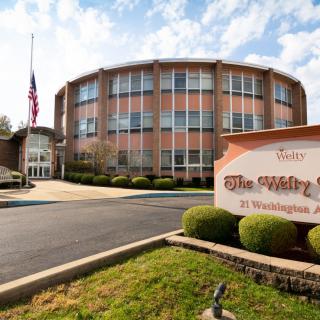





 Seniors and Modern Transportation: Exploring Uber, Lyft, and Other Ride-Hailing Options
 Comprehensive Guide to Qualifying for Home Health Care Services
 Powerful Realities of Elder Abuse and the Most Effective Ways to Report It