
456 Autumn Acres Road, Berkeley Springs, WV 25411
For more information about senior living options: (866) 208-4318
Overall Review of Berkeley Springs Center
Pros
 The medical staff is fantastic.
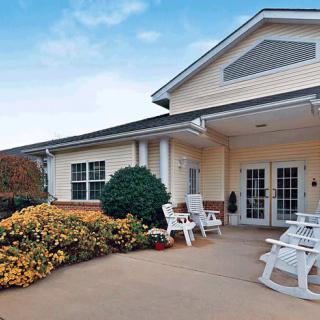
- The facility is clean.
- The care is good.
- The food is good.
- The people are very kind and caring.
- The staff were very caring.
- She received the attention she needed.
- The aunt looked as though she was being taken care of very well.
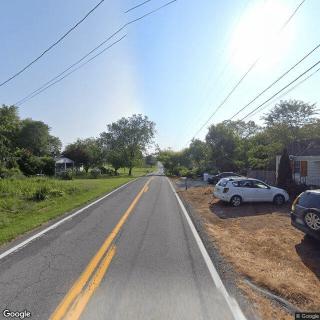
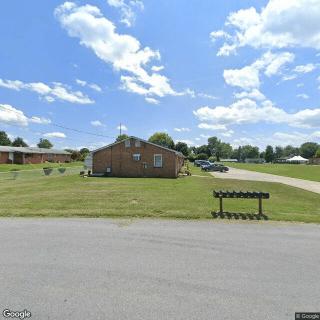
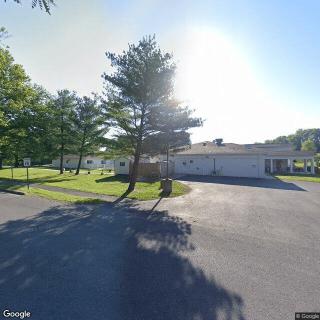
- The location is very peaceful.
Cons
 The facility is a little older.
- His room is small.
- There was confusion on financials among the administrative staff.
- They could improve their knowledge of Medicaid financials.
- The place is dated.
- His mother is not quite a good fit due to a large language barrier and limited translation.
- They do not have the facilities to help her dementia; it is not a memory care facility.
- The people there are bed-ridden.
Review
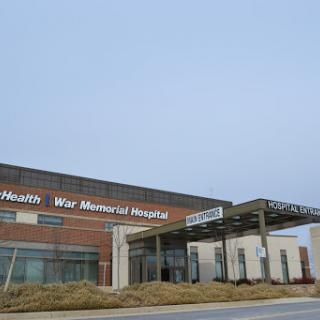
Berkeley Springs Center in Berkeley Springs, WV is best suited for families prioritizing steady medical oversight and a calm, dependable environment where a resident can receive substantial caregiving support with an emphasis on hands-on nursing care. Availability tends to drive the initial decision, making it a practical pick when placement is needed quickly. The campus sits in a quiet area near the hospital corridor, which adds reassurance for families seeking timely access to acute services if a medical issue arises. The care team earns consistent praise for medical competence and a steady, compassionate approach, and the facility remains clean and orderly even as the building shows its age. For those who value reliability in clinical care over upscale amenities, Berkeley Springs Center often checks the right boxes.
Those weighing alternatives should consider memory-care needs, language-support requirements, and preference for a newer, more expansive environment. The center is not a memory-care facility, so residents with dementia may struggle without specialized programming or translation resources, and some residents are bed-ridden, which may not suit expectations for more independent or actively engaged living. The building’s dated condition translates to smaller rooms, which can feel restrictive for couples or residents who benefit from more personal space. Administrative experiences with Medicaid and financials have been described as confusing, creating potential friction around billing and coverage. Families seeking a brighter, more modern campus with attendee therapy suites and stronger language access may want to look elsewhere.
On balance, the key positives, expert medical staff and a genuinely caring culture, tend to offset the aging infrastructure. Reviews consistently highlight attentive nurses and physicians who deliver focused attention on residents’ medical needs, with clear, responsive communication about care as needed. Food is frequently described as good, and a basic slate of activities, bingo, arts and crafts, baking, provides predictable routines and social touchpoints for residents who are able to participate. Cleanliness is repeatedly noted, and the location’s peaceful atmosphere supports a low-stress daily experience. When clinical quality and compassionate care are the priority, these strengths carry substantial weight.
Yet the drawbacks are real and worth weighing carefully. The language barrier reported by a family member can dampen engagement for non-English speakers and inhibit participation in activities that promote social connection and mental stimulation. The small, dated rooms may hamper comfort, especially for couples or those who value private space. The absence of a dedicated memory-care track means that dementia progression would likely require outside providers or alternative arrangements as needs evolve. Financials and Medicaid handling, if not clarified up front, can become a source of stress during a transition, potentially undermining overall satisfaction. Prospective residents should scrutinize these areas before committing.
For families navigating the decision, a deliberate, stepwise approach is prudent. Request a transparent, line-by-line explanation of Medicaid coverage and what remains out-of-pocket, along with hard numbers on private-room availability and pricing. Inspect the actual resident room to assess size, privacy, and comfort, and ask how care plans would adapt if memory-care needs emerge. Inquire about translation services or bilingual staff and how activities are adapted to accommodate language differences and dementia-level participation. Visit at different times to gauge staffing consistency and responsiveness, and confirm the facility’s proximity to hospitals does not overshadow the quality of day-to-day living. These checks help align expectations with reality and reduce post-admission surprises.
Overall, Berkeley Springs Center offers a solid, practical option for families prioritizing dependable medical oversight, compassionate staff, and a peaceful setting, especially when immediate admission and clinical reliability are critical. It is less ideal for those who require dedicated memory-care programming, robust multilingual support, or a modernized environment with larger private spaces. If memory care, language access, or upscale amenities are non-negotiables, explore alternatives with explicit memory-care tracks, multilingual staffing, and newer facilities. For many residents, the combination of medical competence, a caring culture, and a manageable, comfortable atmosphere makes this center a viable, actionable choice, provided upfront checks on finances, memory-care needs, and language support are completed.
 120 resident community capacity
 Skilled Nursing Facility
 Air-conditioning
 Beauty salon
 Cable or satellite TV
 Computer center
 Dining room
 Fitness room
 Fully furnished
 Gaming room
 Garden
 Housekeeping services
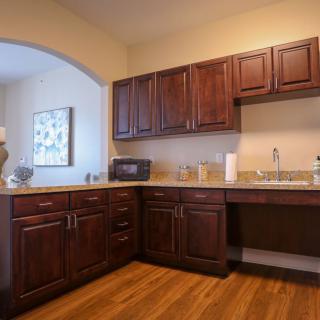
 Kitchenette
 Move-in coordination
 Outdoor space
 Private bathrooms
 Respite or short term stays offered
 Restaurant-style dining
 Small library
 Telephone
 Wellness center
 Wi-Fi/high-speed internet available
 Community operated transportation
 12-16 hour nursing
 24-hour call system
 Activities of daily living assistance
 Assistance with bathing
 Assistance with dressing
 Assistance with transfers
 Diabetes diet
 Medication management
 Mental wellness program
 Special dietary restrictions
 Concierge services
 Planned day trips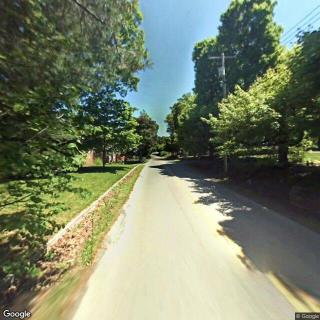

 A Detailed Exploration of Living Wills and Advance Directives
 Comprehensive Guide to Medicare Coverage for Hospice Care
 Caring for Those Who Care: Recognizing, Understanding, and Overcoming Caregiver Burnout