
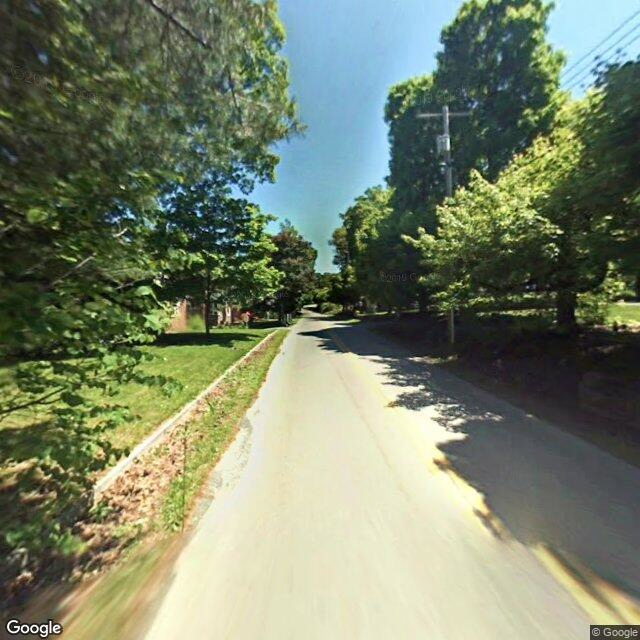
Johnson Mill Rd S, Berkeley Springs, WV 25411
To contact a resident: (304) 258-3673
For more information about senior living options: (866) 208-4318
Overall Review of Valley View Nursing Home
Pros
 They received great care and kindness during their mother's rehab stay.
- They would choose this facility again if their mother needed rehab.
- The staff are kind, caring, and great people.
- The remaining staff are great, even with the shortages.
- They praised the staff for their help.
Cons
 The reviewer notes that no one answers at the nursing station and the call button goes unanswered for up to 30 minutes.
- The facility is described as not being kept up well.
- They report that call lights remain on for 20 to 30 minutes while staff linger by the room and do not check if the patient needs help.
- There is a serious fall risk issue that remains unaddressed.
- Under the new ownership, costs have been cut to the point of endangering patients.
- There are too few staff, with one person doing tasks that should require multiple workers, risking patient care.
- The reviewer fears for the father’s future care and worries about having to move him to another facility.
Review
Valley View Nursing Home in Berkeley Springs is best suited for families pursuing short-term, rehab-focused outcomes where vigilant oversight can supplement spotty in-house attention. It works for residents whose needs are primarily rehabilitation-oriented and who can tolerate variation in day-to-day responsiveness, so long as a family member or advocate remains actively involved. It is not ideal for anyone requiring constant, reliable hands-on care, continuous monitoring, or aggressive fall-prevention support. Families should be prepared to intervene, coordinate with care teams, and consider moving a loved one if daily support and prompt communication prove insufficient.
Several reviewers acknowledge bright spots when staff are present: moments of genuine kindness, attentive rehab-focused care, and staff who go the extra mile. In those instances, families feel heard and their loved ones receive meaningful attention during the rehabilitation process. The exception is that these positive interactions hinge on staffing availability, which can be inconsistent. The facility’s strongest advocates emphasize that the personal warmth from a small number of caregivers can still offer meaningful, if uneven, improvements in a resident’s day-to-day experience.
The most persistent and disruptive drawbacks center on responsiveness and safety. Call bells are reported to go unanswered for extended periods, tied to 20, 30 minutes or more in some accounts, creating a clear risk during transitions, activities, or moments of distress. Fall risk is repeatedly identified as a serious concern, with families voicing anxiety over whether staff can reliably assist when needed. The physical environment and maintenance are described as not well kept, reinforcing a perception that basic comfort and safety can suffer when staffing is stretched thin. Taken together, these factors undermine confidence in long-term custodial stability.
Ownership changes and cost-cutting perceptions weigh heavily in families’ assessments. After a transition in 2015 to new ownership, reviewers describe a leaner staff with higher workloads for remaining workers. The consequence is a credible worry that essential tasks may be under-resourced, leaving patients at greater risk and families racing to fill gaps. While the remaining staff members are sometimes praised for their dedication, the reduced workforce makes consistent, proactive care unlikely and elevates the emotional and logistical burden on relatives who must step in more often.
For families evaluating options, practical steps can tilt the balance toward a clearer picture. Request current staffing ratios, and ask for typical call-light response times during day and night shifts. Inquire about the rehab program: who leads it, how often therapy sessions occur, and how progress is communicated to families. If possible, observe a shift to gauge responsiveness firsthand, and seek recent stability metrics from administration. Consider whether a longer-term custodial plan is feasible here, or whether a facility with stronger staffing guarantees and more reliable call-response culture would better align with the resident’s needs.
In the end, Valley View presents a mixed proposition. The facility can deliver commendable rehab-focused care and genuine warmth from some staff members, but systemic staffing gaps and safety concerns dominate the experience for many residents. For families prioritizing robust, predictable assistance and unwavering fall prevention, alternatives are strongly advised. For those who can maintain active oversight, understand the limits of staffing, and are prepared to step in when necessary, Valley View may still serve as a workable option during a controlled rehab stay. The key is clear expectations, vigilant advocacy, and an openness to transition if care needs outgrow what the community can reliably provide.
 Skilled Nursing Facility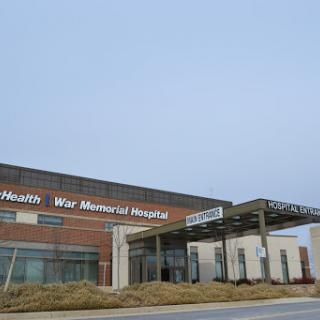




 Effective Strategies for Keeping Seniors' Minds Active: A Deep Dive into Brain Games and Apps
 In-Depth Look at the VA Aid and Attendance Program
 Nurturing Our Loved Ones: A Daughter's Journey in Caring for Her Mother