
609 Speyers Road, Selah, WA 98942
For more information about senior living options: (866) 208-4318
Overall Review of Yakima Valley School
Pros
 They provide wonderful services.
Cons
 Yakima Valley School refused to honor the daughter's request for a female caregiver for bathing, toileting, and dressing.
- The facility planned to assign a male caregiver during times when her intimate areas would be exposed.
- The reviewer canceled ten days of respite care because their daughter did not feel safe.
- The reviewers say the facility endangered the daughter's physical and mental health.
- They allege the facility broke state law by denying bodily autonomy.
- They warn not to send a child or vulnerable adult there.
- The place needs to be investigated.
- Management is reckless.
- Bad customer service.
Review
Yakima Valley School in Selah is best suited for families who are comfortable with variability in care quality and who are prioritizing lower-cost or basic-care options, without relying on it for trauma-sensitive or rigorously safeguarded intimate-care needs. The community presents a wide gulf between experiences, with some residents reportedly receiving useful services, while others encounter situations that erode trust and safety. In practice, this means potential residents may encounter days that feel adequate and days that raise serious red flags. For families seeking consistent, high-handling oversight, this facility is unlikely to deliver the steady, rights-respecting care that many seniors and adults with disabilities require.
Those considering alternatives should pay close attention to needs around autonomy, gender-sensitive care, and clear, enforceable policies. A troubling review highlights an incident where a female resident with PTSD could not exercise a requested preference for female assistance during intimate-care moments, yet the facility insisted on male involvement, seemingly violating bodily autonomy and state expectations. This is not a minor policy mismatch; it signals a pattern of prioritizing staffing logistics over resident rights and safety. Additional concerns about subjective judgments, discriminatory attitudes, and management’s recklessness further amplify the sense that oversight and accountability may be inconsistent.
Pros, when they appear, tend to revolve around basic service delivery and the presence of staff who perform routine tasks and programming. Some residents or families report wonderful services in certain moments, suggesting that competent, caring personnel can and do operate effectively. This variance is telling: while individual caregivers may provide reliable day-to-day support, the overall experience is not consistently dependable, and the strongest positives hinge on variable personnel and circumstances rather than on a proven, system-wide standard of care. For families, that means the potential upside is real but unpredictable.
The most consequential cons overshadow any appealing variability. The central concerns are safety and rights: reported refusals to honor a resident’s expressed preferences for gender-specific care, a perception that management places relationships or familiarity above resident welfare, and a general sense of reckless leadership. When autonomy and safety are in doubt, trust in staff and the facility’s ability to respond to issues erodes quickly. Poor customer service compounds these issues, making it harder for families to navigate problems, obtain timely information, or secure remediation. In short, the negatives are structural enough to undermine comfort for long-term placement, especially for individuals with complex medical or psychological needs.
For families evaluating options, a focused due diligence approach is essential. Request a clear, written policy on intimate-care practices, resident rights, and gender-sensitivity, and seek documentation of how staff are assigned and overseen during personal-care tasks. Insist on a transparent process for incident reporting, corrective action, and follow-up, including contact with a resident’s family. Before committing, arrange a comprehensive tour that emphasizes privacy, supervision, and the facility’s governance standards, and solicit candid feedback from current residents or their families. If possible, pilot with a short-term respite that includes careful monitoring of staff assignments and adherence to the resident’s stated preferences.
Overall, this community carries significant risk for anyone expecting consistent, rights-respecting care, particularly for trauma-affected individuals or those requiring tight governance around intimate-care decisions. The strongest call is to seek alternatives that demonstrate unwavering commitment to resident autonomy, robust staff training, and accountable leadership. For families unwilling to trade away safety and dignity, the recommendation is clear: proceed with caution, demand substantive protections, and compare several other communities that offer stronger assurances of respectful, trauma-informed care.
 160 resident community capacity
 Skilled Nursing Facility
 Air-conditioning
 Beauty salon
 Cable or satellite TV
 Computer center
 Dining room
 Fitness room
 Fully furnished
 Gaming room
 Garden
 Housekeeping services
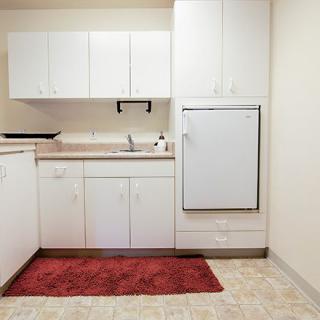
 Kitchenette
 Move-in coordination
 Outdoor space
 Private bathrooms
 Restaurant-style dining
 Small library
 Telephone
 Wellness center
 Wi-Fi/high-speed internet available
 Community operated transportation
 12-16 hour nursing
 24-hour call system
 Activities of daily living assistance
 Assistance with bathing
 Assistance with dressing
 Assistance with transfers
 Diabetes diet
 Medication management
 Mental wellness program
 Special dietary restrictions
 Concierge services
 Planned day trips







 Exploring Nonmedical Home Care: Understanding Services, Costs, and Financial Approaches
 Engaging Brain Games and Innovative Apps to Keep Senior Minds Active
 Effective Strategies for Keeping Seniors' Minds Active: A Deep Dive into Brain Games and Apps