

710 North 39Th Avenue, Yakima, WA 98902
For more information about senior living options: (866) 208-4318
Overall Review of Landmark Care And Rehabilitation
Pros
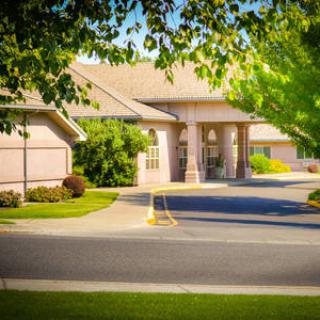
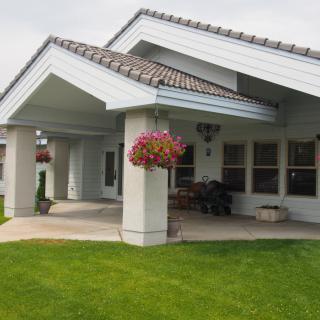
 The building is beautiful and the staff are helpful.
- There were no problems during the stay.
- The staff were excellent.
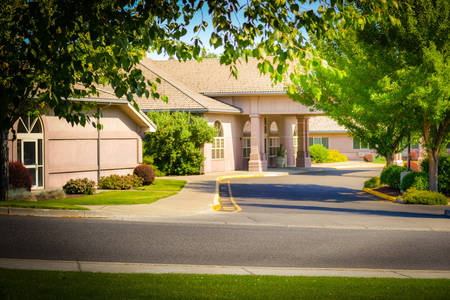
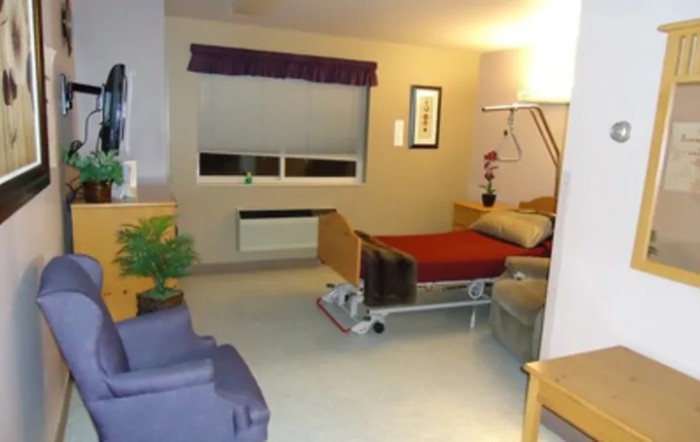
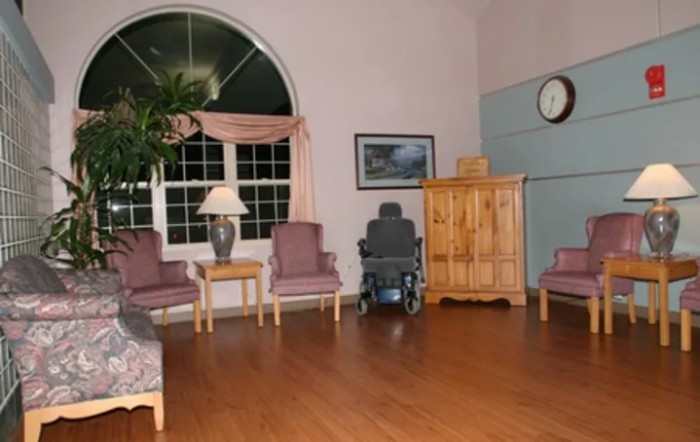
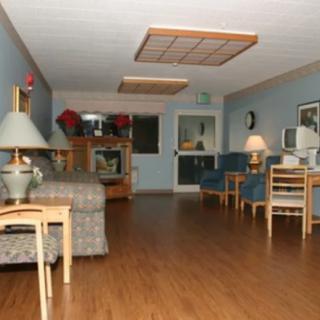
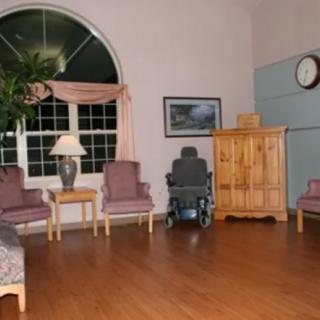
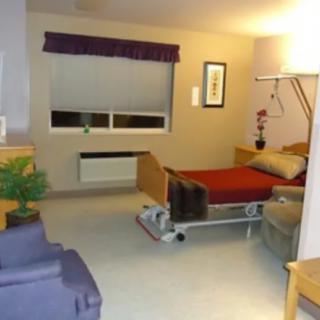
- The facility was very clean and nice.
- The food was quite good.
- They were very much on top of things.
- The staff were very helpful and caring.
- The rehabilitation was really good.
Cons
 Staff promised to call back after being told to contact his room, but never did.
- The father had to wait long periods for someone to come in and help him.
- The staff weren’t always there when she needed to go to the bathroom.
- The reviewer notes that there is an ongoing struggle with responsiveness in every facility.
Review
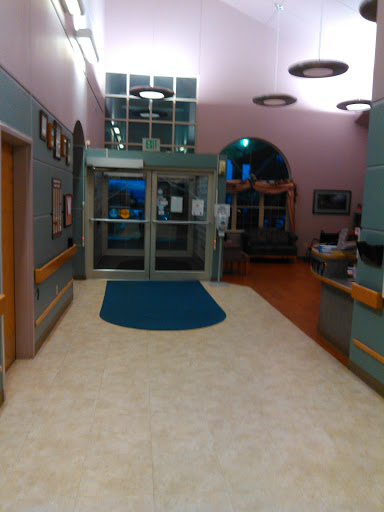
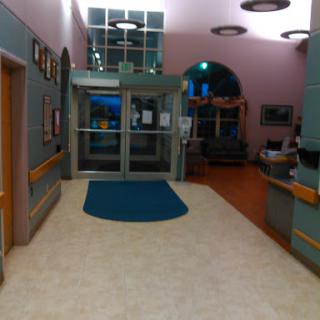
Landmark Care And Rehabilitation in Yakima is best suited for seniors who need skilled rehab and a clearly structured medical environment. The community tends to shine for post-acute recovery, where physical and speech therapy are central to the plan and where a team-oriented approach helps residents move back toward less intensive living. The building reads as professional and well-maintained, with a security-conscious layout, orderly dining rooms, and a sense that cleanliness and safety are non-negotiables. Families seeking evidence of tangible recovery outcomes, people who come in with mobility or endurance limits and leave stronger, will find this setting particularly aligned with those goals.
Those who may want alternatives are families prioritizing constant, ultra-quick responsiveness or a more home-like atmosphere. A recurring concern across reviews is call-bell reliability and the time it takes for hands-on assistance, especially when a loved one needs help to use the bathroom or requires timely help during a mobility challenge. If immediate, reassuring access to staff is non-negotiable, or if a more intimate, less hospital-like vibe is essential for comfort and motivation, it’s prudent to explore options with stronger reported call-back performance and a higher resident-to-staff ratio throughout the day and night.
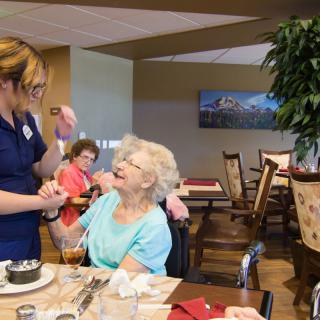
The compelling pros reverse many of the potential drawbacks. The facility’s beauty, cleanliness, and well-appointed dining room contribute to a dignified experience that supports daily life even when rehabilitation is the focus. The rehab services, physical and speech therapy, are consistently highlighted as a core strength, with multiple residents showing meaningful progress and even returning to assisted living after successful treatment. Added positives include capable caregivers and nurses who demonstrate genuine care, along with a well-organized after-care flow that helps families feel confident that a loved one’s medications, mobility aids, and daily routines are managed smoothly.
Another standout is the staff credibility and warmth. Reviews repeatedly describe caregivers and nurses as compassionate and patient, able to work with stubborn or resistant residents to accomplish exercises and build independence. The rehab emphasis is not merely clinical; it is paired with practical, day-to-day support, walker logistics, medication coordination, and timely assistance, that lowers family anxiety about transitions back to independent living or to a higher level of care if needed. The combination of strong clinical attention and reliable daily operations creates a credible path for short-term stays that aim to free loved ones from long-term dependency.
The clear caveat remains the variability in real-time responsiveness. While many experiences report thoughtful, attentive care and solid rehabilitation outcomes, others describe delays in basic help during peak times or in bathrooms. That gap matters most for residents who require rapid assistance or who live with incontinence or mobility vulnerabilities. Still, the documented success in rehab and the favorable perception of the care team’s professionalism suggest that these gaps, while important, do not overshadow the facility’s substantive strengths for the right resident profile.
For families evaluating Landmark, the bottom line is pragmatic: the community excels as a destination for effective post-acute rehab, with proven progress, supportive staff, and a clean, secure environment. It is less ideal for those who must have immediate, consistently flawless response regardless of season or shift, or for those seeking a more homelike, low-structure atmosphere. Prospective residents should witness a shift-changing moment, speak candidly with therapy staff about discharge planning, and request a clear outline of call-bell response times. If rehabilitation and a disciplined, respectful care culture are the priorities, Landmark stands out as a confident, results-oriented choice.
 93 resident community capacity
 Skilled Nursing Facility
 Air-conditioning
 Beauty salon
 Cable or satellite TV
 Computer center
 Dining room
 Fitness room
 Fully furnished
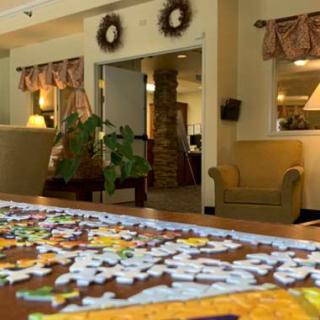
 Gaming room
 Garden
 Housekeeping services
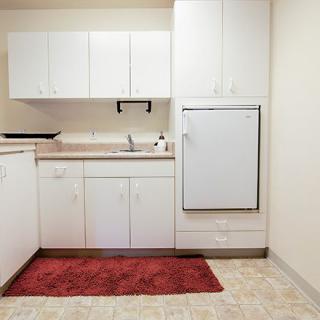
 Kitchenette
 Move-in coordination
 Outdoor space
 Private bathrooms
 Restaurant-style dining
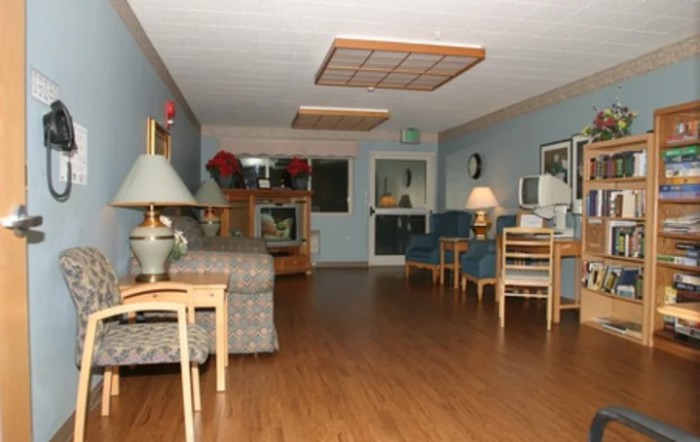
 Small library
 Telephone
 Wellness center
 Wi-Fi/high-speed internet available
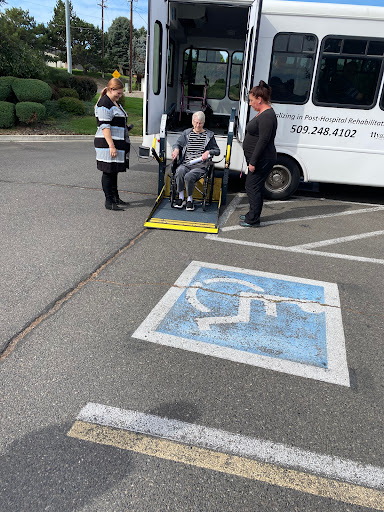
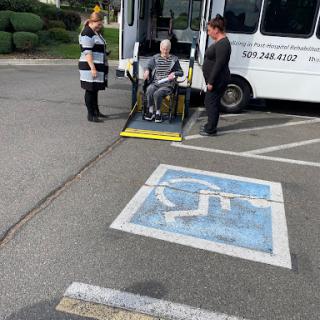
 Community operated transportation
 12-16 hour nursing
 24-hour call system
 Activities of daily living assistance
 Assistance with bathing
 Assistance with dressing
 Assistance with transfers
 Diabetes diet
 Medication management
 Mental wellness program
 Special dietary restrictions
 Concierge services
 Planned day trips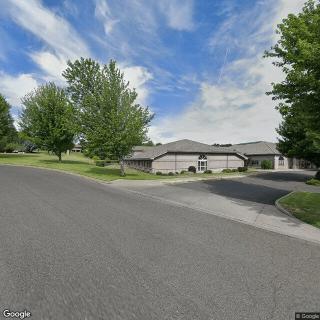

 California's Form 602A: An In-Depth Examination of Senior Care Assessment
 Comprehensive Look at Senior Blood Pressure Charts: Normal and Elevated Levels by Age
 Top Canine Companions for Older Adults