

Chandler House in Yakima, WA

Save

  • Interior

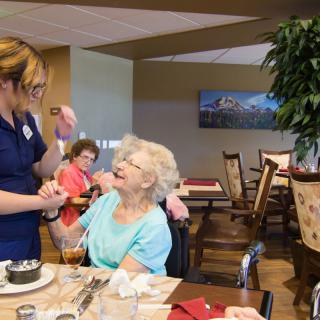
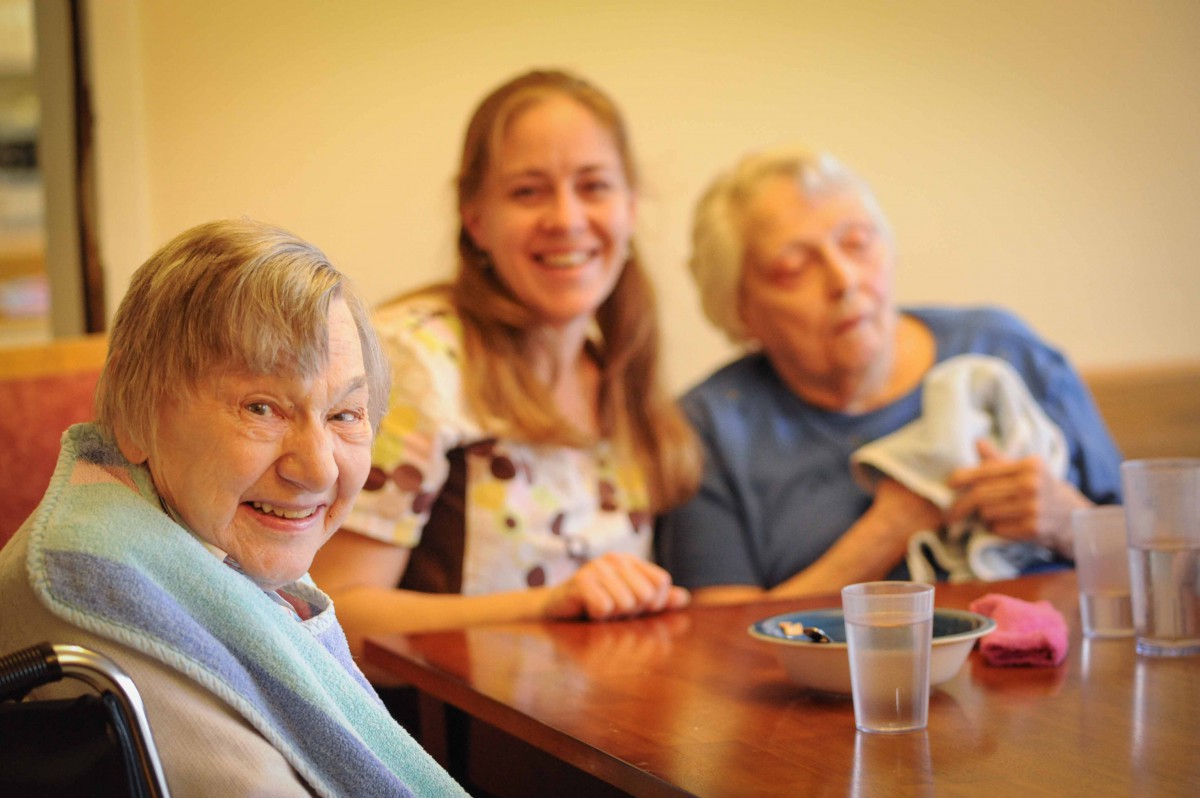
    A joyful group enjoying time together at a table.
  • Outdoors

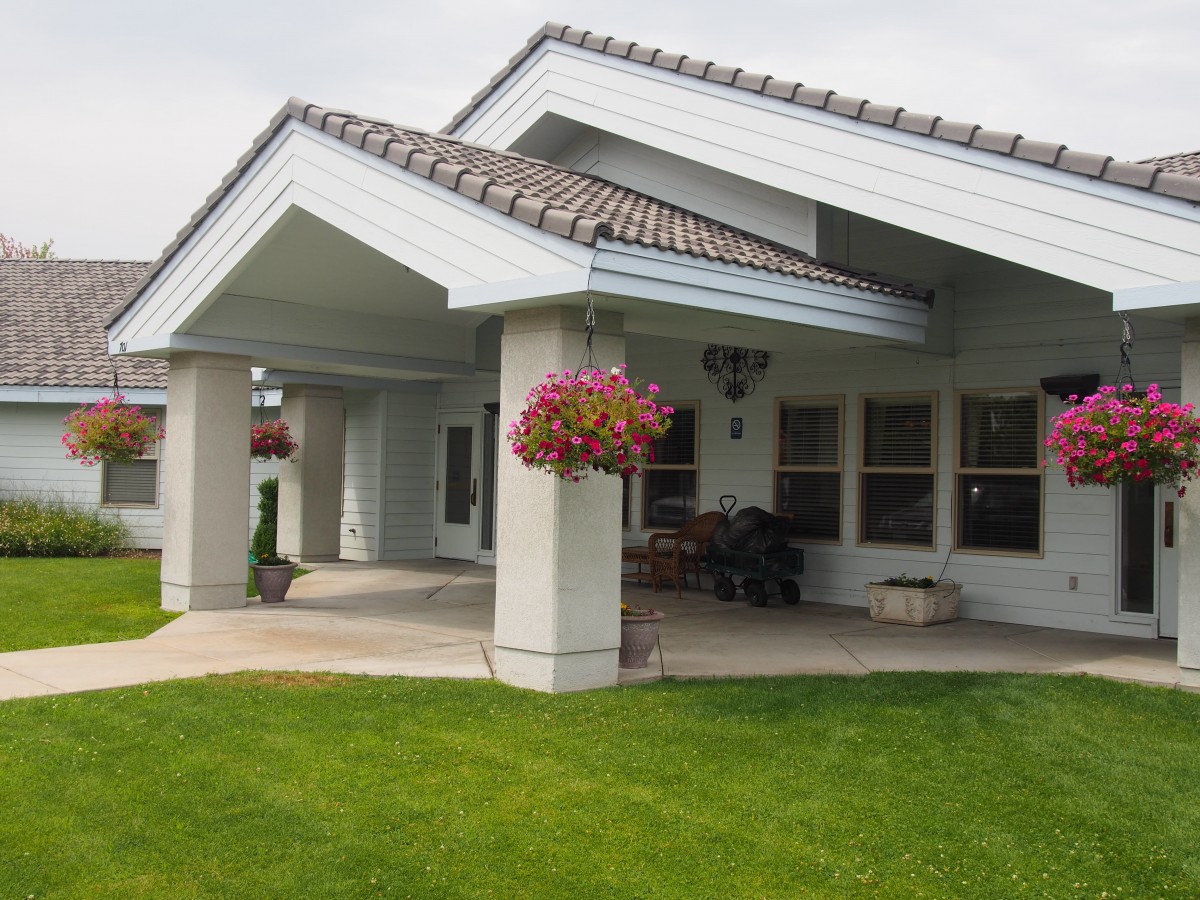
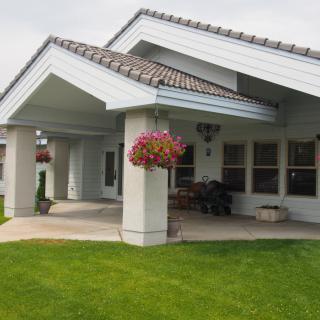
    A house with a covered porch, well-maintained lawn, and hanging flower baskets.
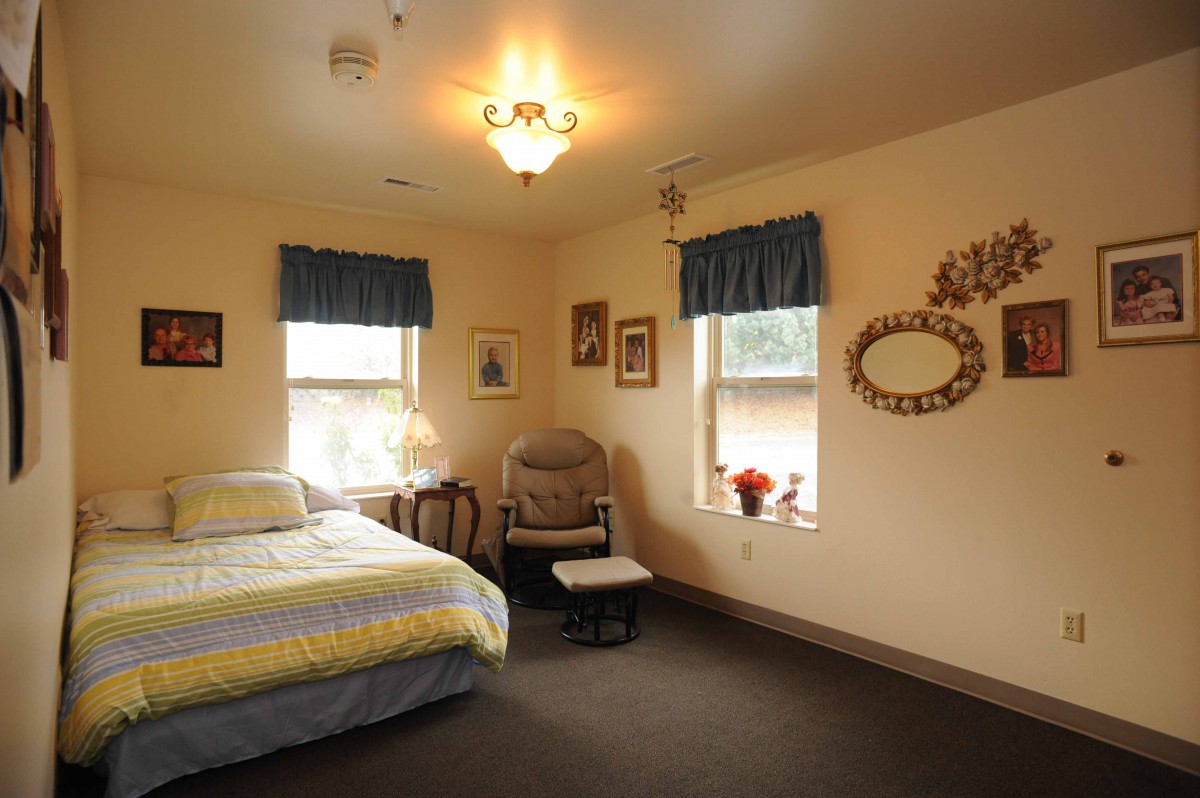
  • Decor

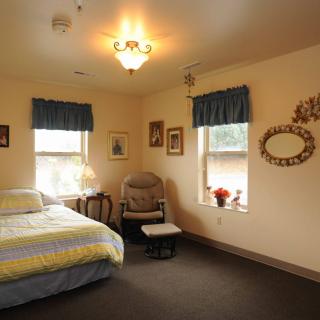
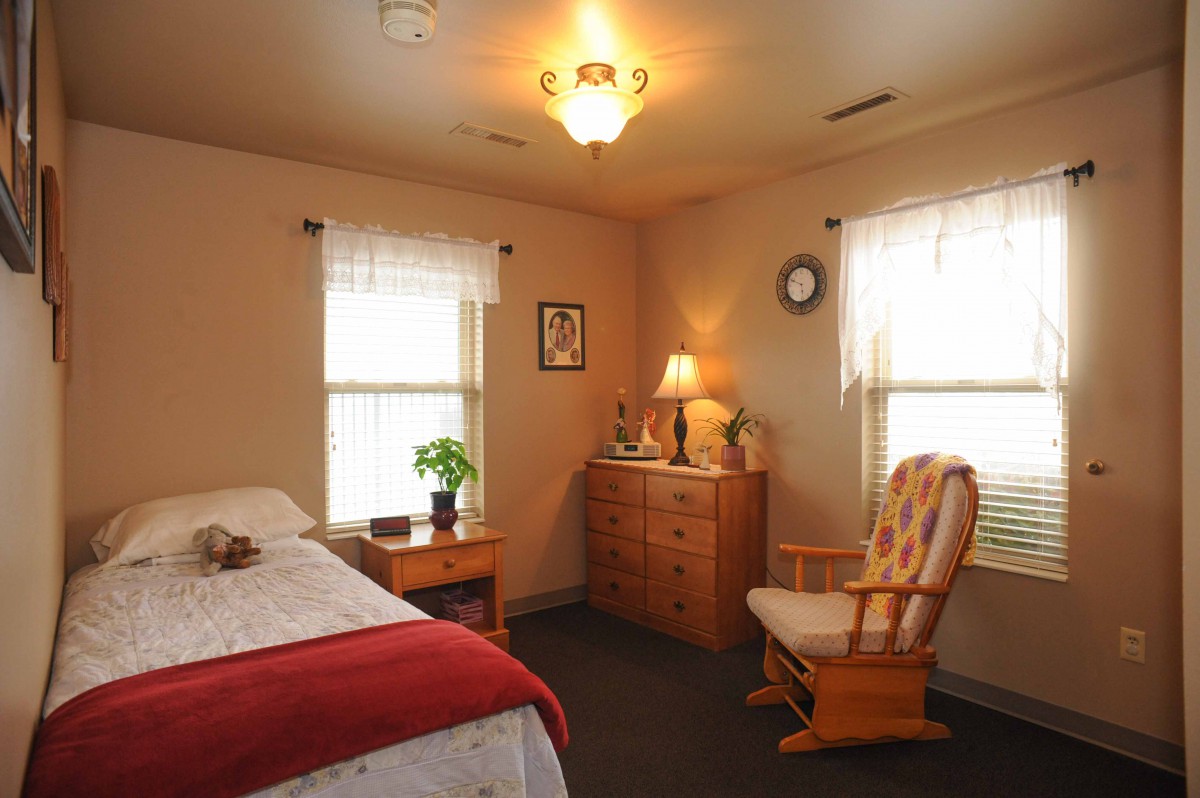
    A cozy bedroom with a bed, chair, and wall decorations, softly lit by a ceiling light.
  • Building

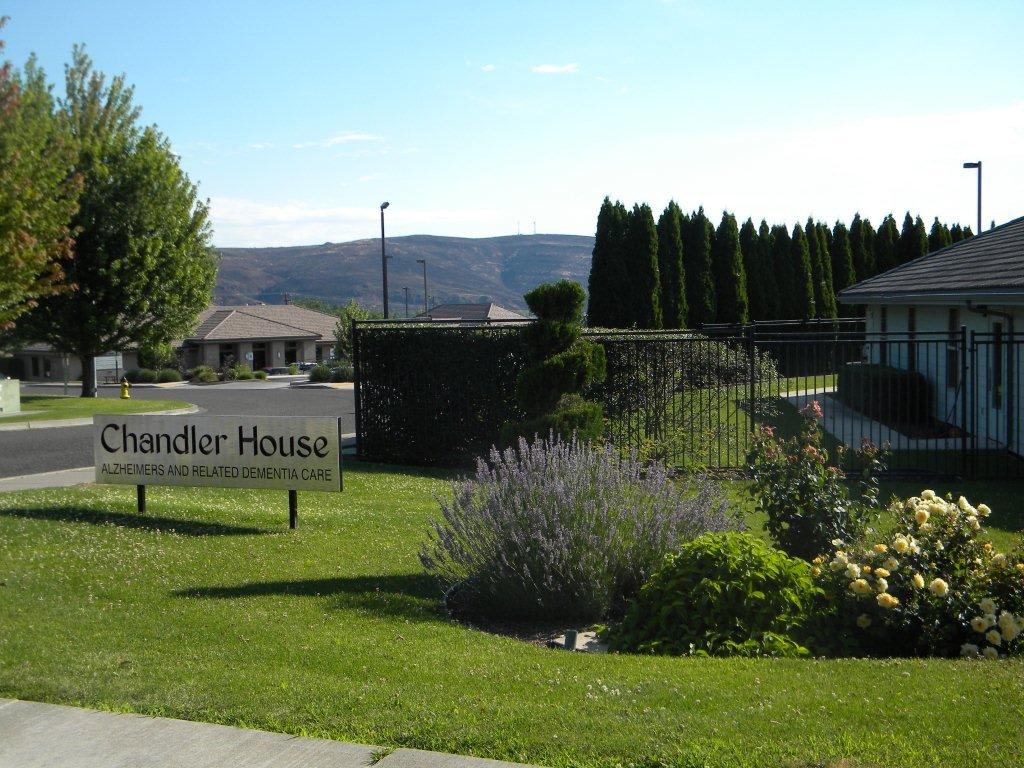
    Scenic view of a building with a sign reading 'Chandler House' surrounded by lush greenery and hills in the background.
  • Architecture

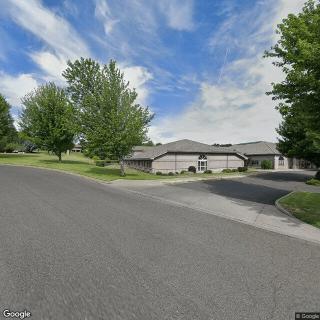
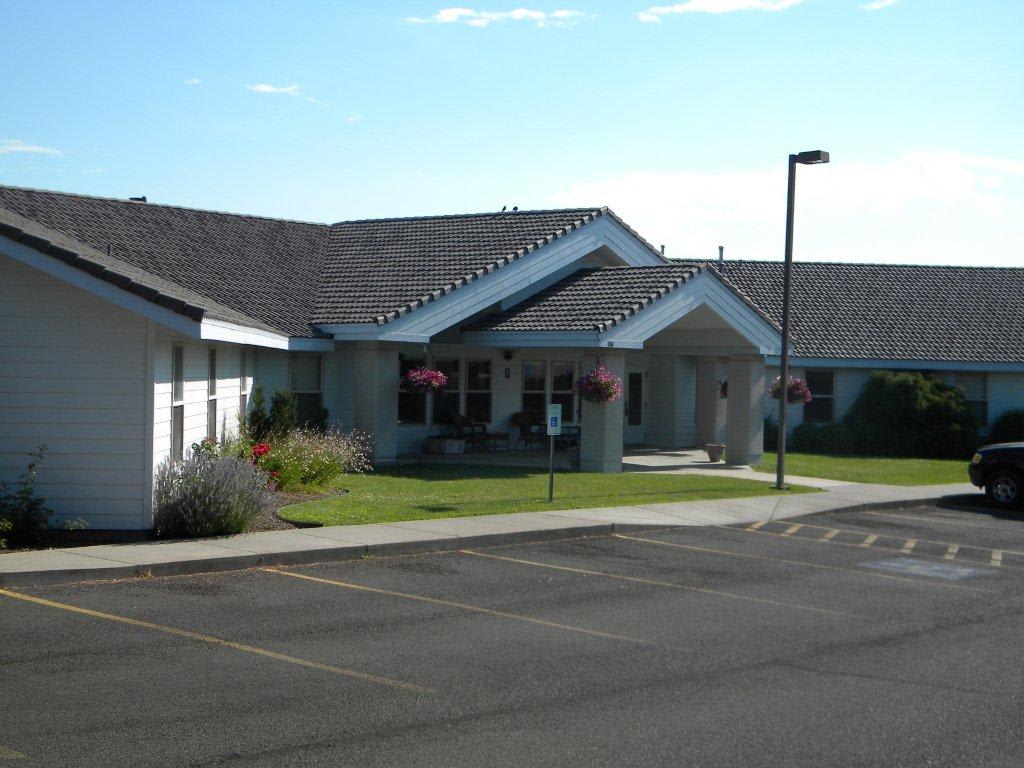
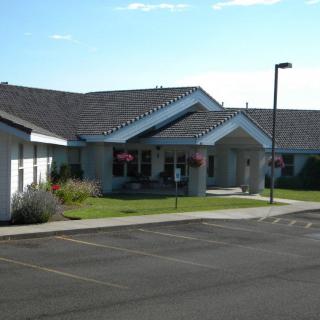
    A view of a residential-style building with a parking lot in front.
  • Bedroom

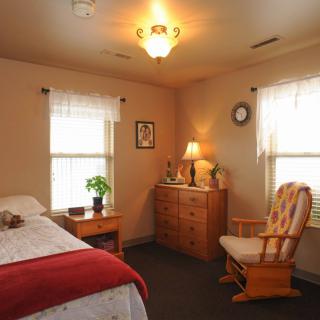
    A cozy bedroom with a rocking chair, dresser, and a warmly lit lamp.
  • Landscaping

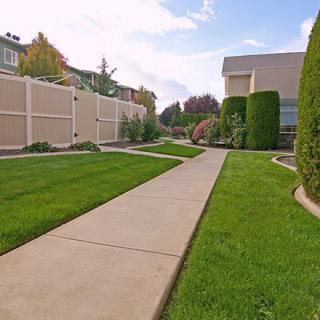
    A suburban backyard featuring a raised garden planter and a well-maintained lawn.
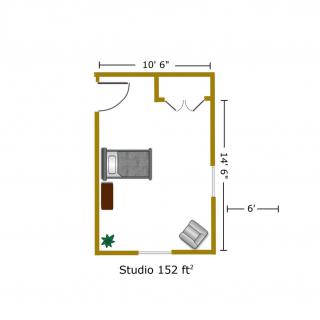
  • Floor Plan

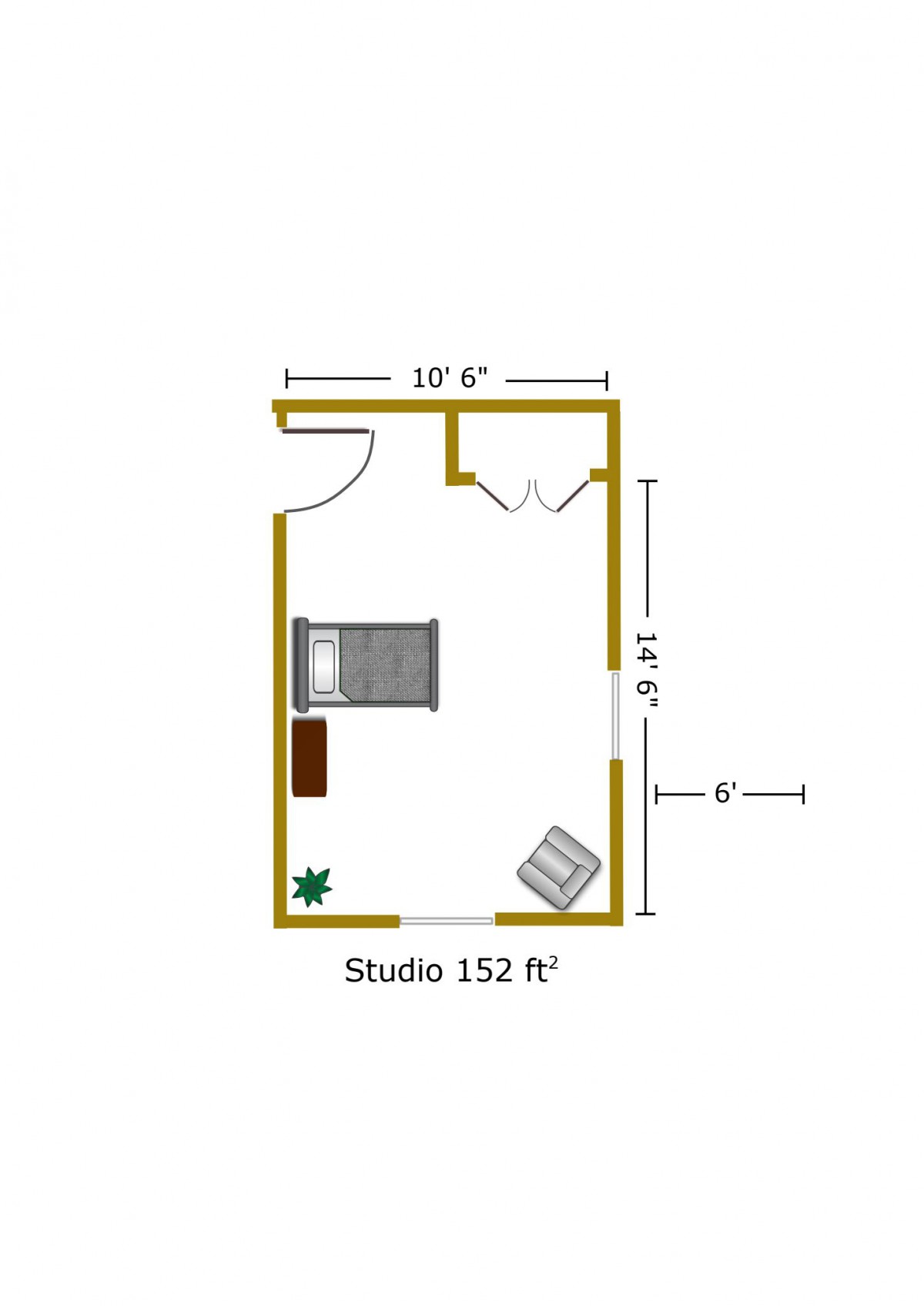
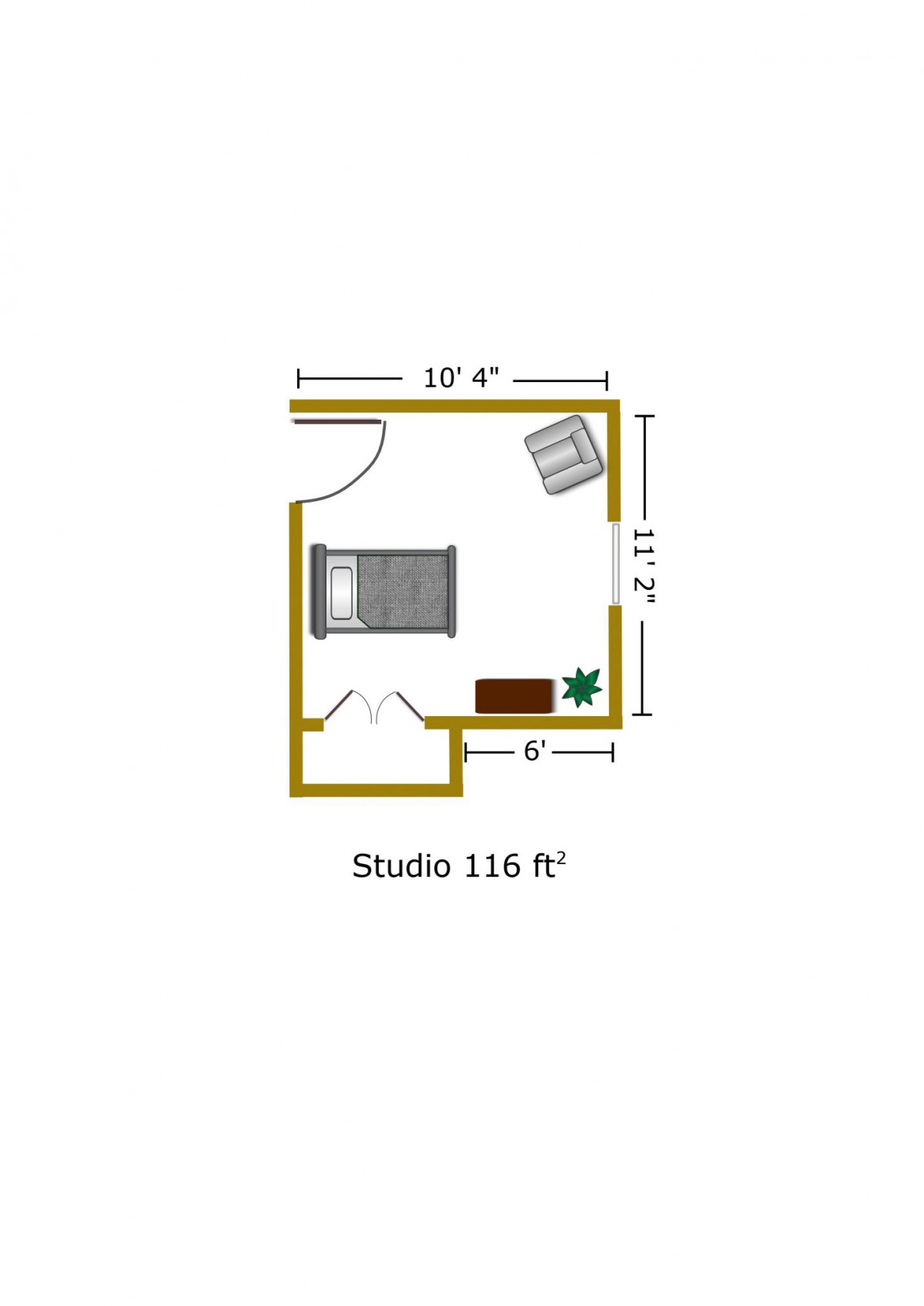
    Floor plan of a compact studio apartment measuring 152 square feet.
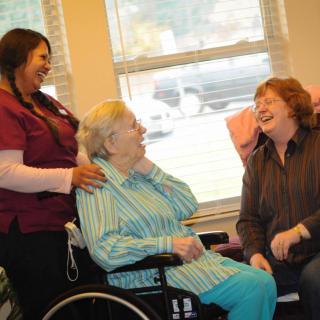
  • Wheelchair

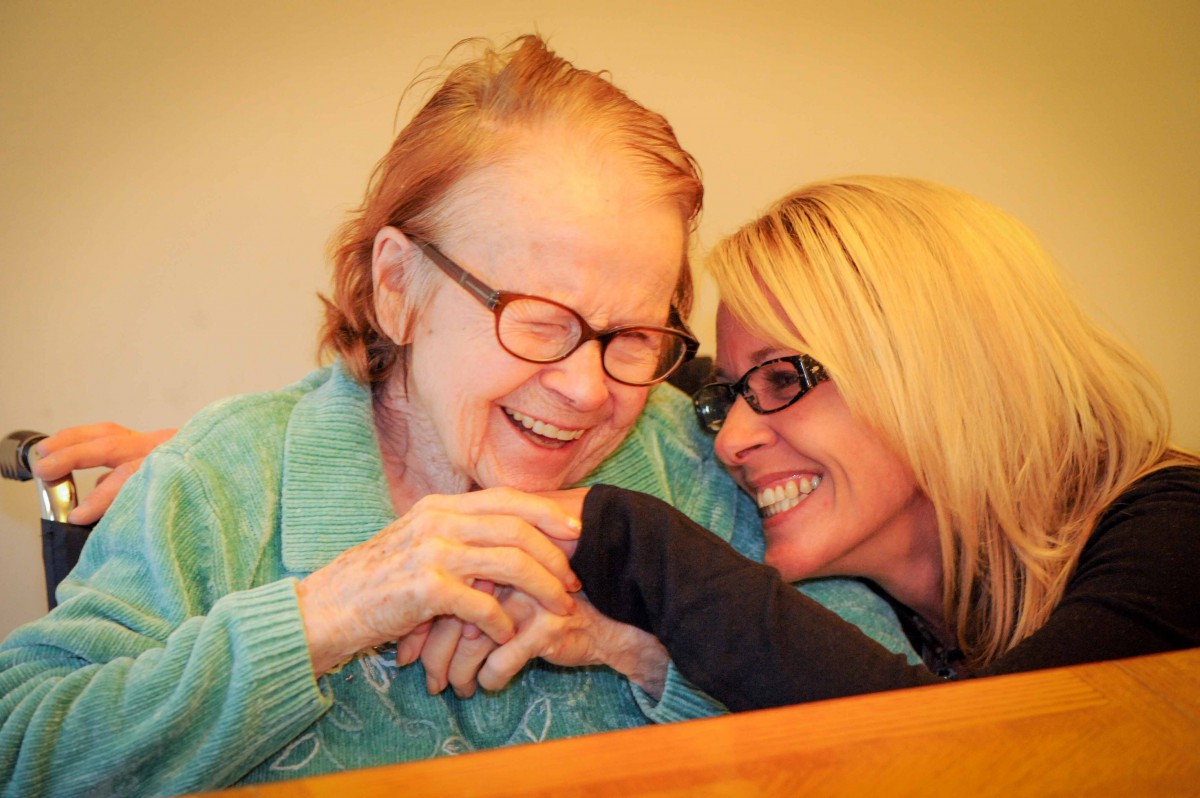
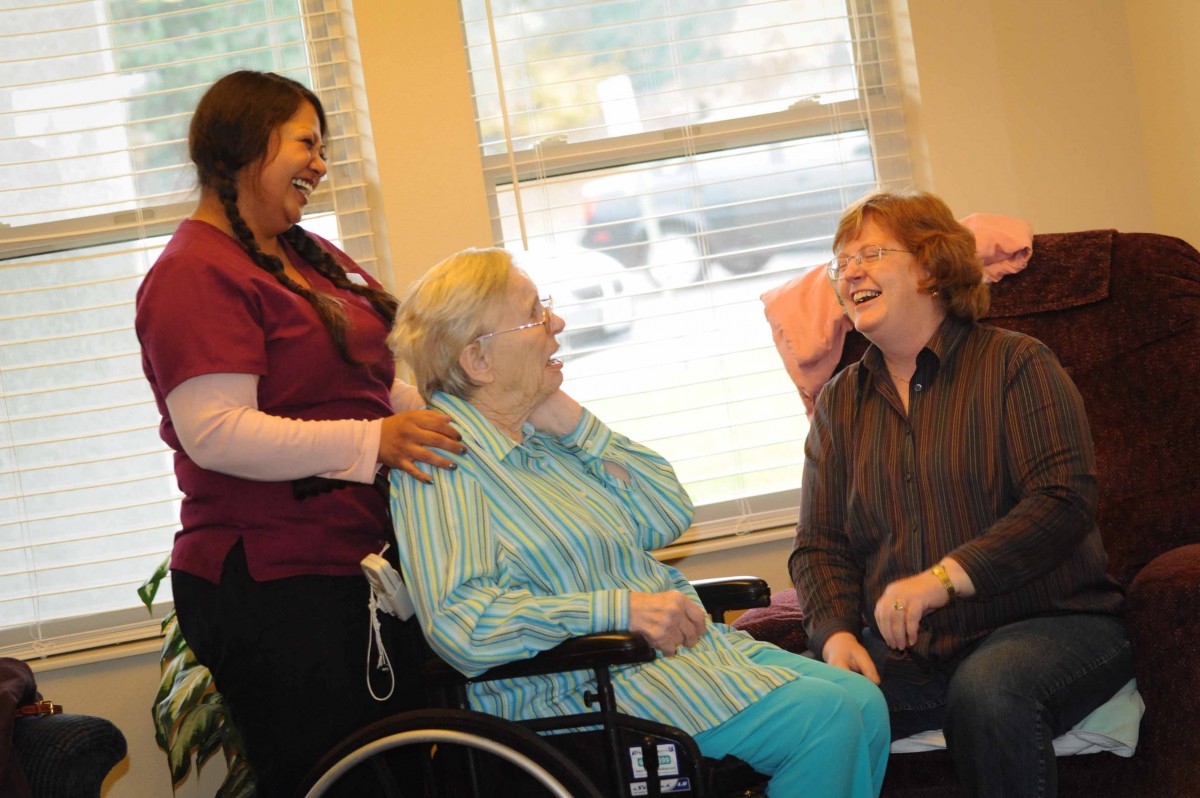
    A caregiver and a visitor share a joyful moment with an elderly woman in a wheelchair.
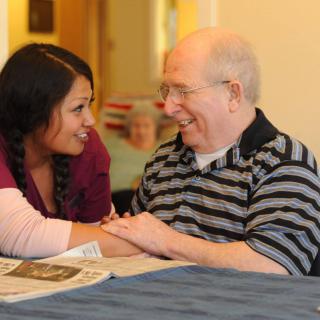
  • Caregiver

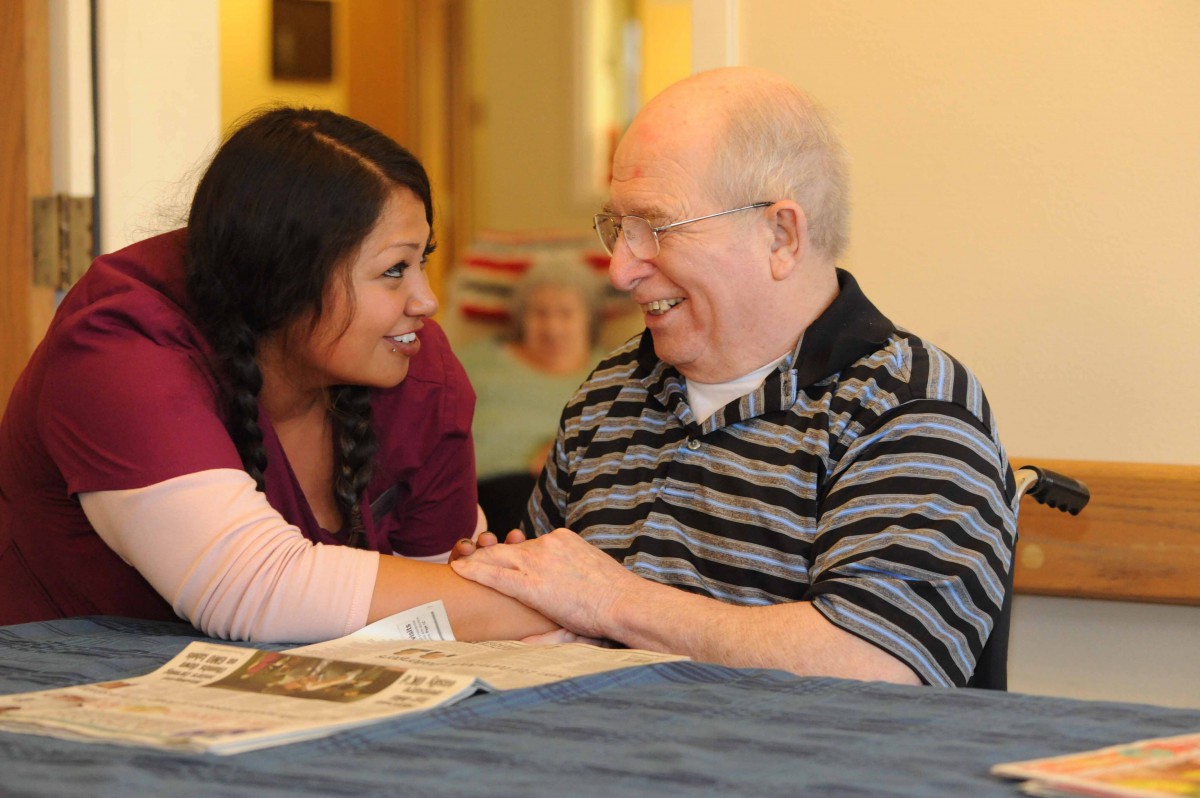
    A caregiver engages in a warm conversation with an elderly man, showcasing companionship and support.

Chandler House in Yakima, WA

701 N. 39th Ave, Yakima, WA 98902

For more information about senior living options: (844) 490-3973

4.5 from 19 reviews
5 stars
14
4 stars
3
3 stars
1
2 stars
0
1 stars
1

Memory Care

Chandler House Costs & Pricing

Chandler House offers competitively priced studio accommodations at $3,400 per month. When compared to the average costs in Yakima County, which are slightly lower at $3,231, Chandler House maintains a reasonable rate that reflects its unique amenities and services. In contrast, the average monthly cost for similar studio spaces across Washington state climbs to $4,126. This positioning not only highlights Chandler House as an attractive option for individuals seeking quality living arrangements but also emphasizes the value offered within the local market context.

Floor plansChandler HouseYakima CountyWashington
Studio$3,400$3,231$4,128

Overall Review of Chandler House

Pros

  • pro The staff treats residents like family.
  • pro The staff shows genuine care.
  • pro Chandler House sets families' minds at ease.
  • pro The staff is kind, caring, and welcoming.
  • pro The facility is clean and well organized.
  • pro Chandler House provides good value for the money.
  • pro The meals look good and residents seem to enjoy the meal plan.
  • pro Chandler House offers a homelike setting with private bedrooms and shared living/dining spaces.
  • pro The four small living units encourage residents to get to know one another.
  • pro The care is high quality and focused on residents' well-being.
  • pro The on-site RN is on duty most of the day and night, with thorough charting.
  • pro The staff makes residents feel at home and families feel confident in their care.

Cons

  • pro The reviewer notes that the food isn't great and calls the facility's overall quality only fair.
  • pro The reviewer states the evening supervisor is no good and rude to residents, and that staff fear speaking up or reporting concerns.
  • pro The reviewer claims staff mistreat residents and even fired them for planning to complain.
  • pro The reviewer would tell others, regarding cost, to go somewhere else.

Review

Chandler House in Yakima is best suited for families seeking dementia-focused, homelike care where staff are consistently compassionate, attentive, and available around the clock. This community shines for residents who want private bedrooms arranged in small, household-style units and value a family-like atmosphere over resort-grade amenities. It is particularly well-matched for families navigating advanced memory challenges, where reliable staff continuity, personalized attention, and clear family communication are prioritized over flashy common areas or extensive resort features. Those whose loved ones are not living with dementia or who crave a broader slate of high-end amenities may want to consider other options.

The strongest selling points center on care culture and structure. The facility is organized into several small living units, each with a private bedroom and shared living and dining spaces, which fosters intimate social interaction while preserving privacy. Staff longevity and visible engagement with residents translate into trust and familiarity, with frequent reassurance that medical needs are monitored by an on-site RN around the clock and well-documented charting that supports seamless care transitions. Families consistently report clean environments, home-style meals, and a level of attentiveness that makes residents appear comfortable and at ease, underscoring the core value of "home" in daily routines.

Yet there are clear trade-offs that families should weigh. Chandler House isn't the newest campus in the area, and some reviewers note that amenities don't compete with newer facilities. Meals, while described as home-cooked and generally satisfactory, do not always impress every palate, and not every visitor experiences the dining room during peak service. Occasional concerns about staff interaction surface, including one account of an evening supervisor who felt brusque, and another about difficulty in obtaining timely responses. Availability can also be a practical hurdle, with calls in some cases not returned promptly or admissions timelines constraining immediate placement.

These pros offset the cons in several practical ways. The homelike layout and private rooms reduce the stress and confusion that can accompany more institutional settings, while the dedicated dementia focus translates into specialized routines, clearer communication with families, and stronger coordination of medications and medical appointments. The presence of a registered nurse on site most hours, plus consistent, long-tenured staff, means that medical needs are more reliably addressed than at facilities with higher staff turnover or lower clinical oversight. In short, the care quality and family confidence often eclipse the drawbacks tied to newer amenities or dining variety.

To ensure a solid fit, prospective families should verify specific details during tours and conversations. Ask about the exact nurse coverage per shift, the staff-to-resident ratio in dementia units, and how care plans are updated and communicated to families. Inquire about the dining program - whether meals are truly customizable for dietary needs and preferences - and whether you can sample a meal during a visit. Explore activity options appropriate to late-stage dementia and how family input is integrated into daily rhythms and care decisions. Finally, compare costs, room availability, and any move-in requirements to ensure the choice aligns with both budget and timing.

For families prioritizing compassionate dementia care within a warm, homelike environment, Chandler House provides an exceptionally reassuring option in Yakima. It stands apart for its people-first approach, clear dementia orientation, and steady rhythm of care that can bring real peace of mind during the difficult transition from home life. Those seeking expansive resort-like amenities, cutting-edge facilities, or lower-cost alternatives should actively explore other communities to ensure a match on values, pace, and expectations. A thoughtful decision rests on visiting, listening to current families, and assessing whether the practical strengths align with the loved one's specific dementia needs and family goals.

Features

Types of Care

  • Memory Care Memory CareMemory care is crucial for seniors as it provides specialized support and services for individuals with dementia or Alzheimer's disease. These programs offer a safe and secure environment where residents receive personalized care, cognitive stimulation, and help with daily activities. Memory care helps seniors maintain their independence, quality of life, and dignity while also providing peace of mind for their families.

Pets

  • Cats allowed Cats allowed"Pet friendly" senior living communities are important for seniors because pets provide companionship, reduce feelings of loneliness and depression, promote physical activity and mental stimulation, and offer a sense of purpose and responsibility. Pets can improve overall well-being and quality of life for seniors in many ways.
  • Dogs allowed Dogs allowed"Pet friendly" senior living communities are important for seniors because pets provide companionship, reduce feelings of loneliness and depression, promote physical activity and mental stimulation, and offer a sense of purpose and responsibility. Pets can improve overall well-being and quality of life for seniors in many ways.

Amenities

  • Activities off-site Activities off-siteEngaging in off-site activities is crucial for seniors to maintain social connections, stay active, and stimulate their minds. It promotes overall well-being and helps combat feelings of isolation and loneliness.
  • Activities on-site Activities on-siteActivities on-site are important for seniors because they provide opportunities for socialization, mental stimulation, physical activity, and overall well-being. Engaging in activities can help seniors stay active, maintain their independence, and improve their quality of life.
  • Bath tubs Bath tubsBath tubs are important for seniors because they provide a safe and relaxing way to bathe, helping to prevent slips and falls while promoting independence and overall well-being.
  • Beautician on-site Beautician on-siteHaving a beautician on-site at a senior living community is important for seniors as it allows them to easily access grooming and personal care services, boosting their self-esteem and overall well-being. It also provides convenience and helps seniors maintain their sense of independence and personal style.
  • Cable or satellite TV Cable or satellite TVCable or satellite TV is important for seniors because it provides entertainment, news, and companionship, helping to combat loneliness and boredom. It also offers a wide range of programming options tailored to different interests and preferences.
  • Devotional services on-site Devotional services on-siteDevotional services on-site provide seniors with spiritual support and a sense of community, as well as an opportunity for reflection and guidance during their senior living experience. This can promote emotional well-being and connection to others, leading to a more fulfilling and enriching lifestyle in their later years.
  • Indoor common areas Indoor common areasIndoor common areas are crucial for seniors as they provide a space for socialization, recreation, and community engagement, promoting overall well-being and reducing feelings of isolation and loneliness.
  • Outdoor common areas Outdoor common areasOutdoor common areas are important for seniors as they provide a space for socialization, physical activity, and relaxation. Being outside in nature can improve mood and overall well-being, while also encouraging movement and engagement with others. These spaces can help combat feelings of isolation and promote a sense of community among residents.
  • Wheelchair accessible showers Wheelchair accessible showersWheelchair accessible showers are crucial for seniors as they provide a safe and independent bathing option for those with mobility challenges. These showers help prevent falls and allow seniors to maintain their dignity and autonomy while ensuring they can bathe comfortably.
  • Wi-Fi/high-speed internet available Wi-Fi/high-speed internet availableWi-Fi/high-speed internet is important for seniors to stay connected with loved ones, access online resources, and participate in virtual activities to combat feelings of loneliness and isolation. It also allows them to easily manage healthcare needs, access entertainment, and engage in lifelong learning opportunities.

Care Services

  • Ambulatory care Ambulatory care"Ambulatory care services provide essential medical support and treatment to seniors without requiring hospitalization, allowing them to maintain their independence and quality of life while managing chronic conditions or receiving routine medical care."
  • Diabetic care Diabetic careDiabetic care is crucial for seniors as they are more susceptible to developing diabetes due to aging and other health conditions. Proper management of diabetes can help prevent complications such as heart disease, vision loss, and nerve damage, improving the overall quality of life for seniors in senior living communities.
  • Incontinence care Incontinence careIncontinence care is essential for seniors to maintain their dignity, hygiene, and overall quality of life. By addressing incontinence issues promptly and effectively, seniors can enjoy a sense of independence and comfort in their daily activities.
  • Medication management Medication managementMedication management is crucial for seniors to ensure they are taking the right medications at the correct dosages and times. This helps prevent adverse drug interactions, reduces the risk of medication errors, and promotes overall health and well-being. Proactive management also allows for adjustments as needed based on changing health conditions or new prescriptions.

Dining

  • Gluten-free Gluten-freeGluten-free options are important for seniors as they are more prone to digestive issues and dietary sensitivities. Offering gluten-free meal choices in senior living communities can help improve their overall health and well-being.
  • Kosher KosherKosher options are important for seniors because they adhere to dietary laws that are significant to many Jewish individuals, providing them with peace of mind and an opportunity to maintain their cultural traditions and beliefs while living in a senior living community.
  • Low / no sodium Low / no sodiumLow/no sodium options are important for seniors because excessive sodium intake can lead to high blood pressure, heart disease, and other health issues commonly experienced by older adults. By choosing low/no sodium foods, seniors can better manage their health and reduce their risk of developing these conditions.
  • Meals provided Meals provided"Meals provided" are crucial for seniors in assisted living communities as it ensures they have access to nutritious, balanced meals without the stress of meal planning and preparation. This can help promote overall health and well-being for seniors who may have limited mobility or cognitive abilities.
  • No Sugar No SugarNo sugar diets are important for seniors because they can help prevent or manage chronic conditions such as diabetes, heart disease, and obesity. Sugar can also contribute to cognitive decline and inflammation in the body, so reducing sugar intake can lead to overall improved health and well-being in older adults.
  • Special dining programs Special dining programsSpecial dining programs are important for seniors because they provide nutritious meals tailored to their dietary needs and preferences. These programs also offer socialization opportunities, promote overall health and well-being, and can help prevent malnutrition.
  • Vegetarian VegetarianA vegetarian diet is important for seniors because it can help lower the risk of chronic diseases, maintain a healthy weight, and provide essential nutrients needed for aging bodies. Additionally, plant-based diets are often easier on digestive systems and can contribute to overall well-being in older adults.

Activities

  • Activities off-site Activities off-siteEngaging in off-site activities is crucial for seniors to maintain social connections, stay active, and stimulate their minds. It promotes overall well-being and helps combat feelings of isolation and loneliness.
  • Activities on-site Activities on-siteActivities on-site are important for seniors because they provide opportunities for socialization, mental stimulation, physical activity, and overall well-being. Engaging in activities can help seniors stay active, maintain their independence, and improve their quality of life.
  • Birthday parties Birthday partiesBirthday parties are important for seniors as they provide an opportunity for celebration, socialization, and joy. They allow seniors to feel special and appreciated, boosting their mood and overall well-being. Additionally, birthday parties can help combat feelings of isolation and loneliness by fostering connections with friends, family, and community members.
  • Day trips and outings Day trips and outingsDay trips and outings are important for seniors as they provide opportunities for socialization, mental stimulation, physical activity, and a break from daily routines. These experiences can enhance overall well-being and quality of life for older adults living in senior communities.
  • Devotional activities on-site Devotional activities on-siteDevotional activities on-site provide seniors with a sense of community, spiritual fulfillment, and emotional support, promoting overall well-being and a positive sense of purpose in their lives.
  • Holiday parties Holiday partiesHoliday parties are important for seniors because they provide opportunities for socialization, community involvement, and mental stimulation. These festive events offer a sense of belonging and connection during a time that can be lonely for many older adults. Additionally, participating in holiday celebrations can boost mood and overall well-being for seniors living in senior living communities.
  • Intergenerational programs Intergenerational programsIntergenerational programs are important for seniors because they provide social interaction, mental stimulation, and a sense of purpose. These programs allow seniors to connect with younger generations, share their wisdom and experiences, and maintain a sense of belonging in the community. This can help reduce feelings of isolation, improve cognitive function, and promote overall well-being in older adults.
  • Live dance or theater performances Live dance or theater performancesLive dance or theater performances are important for seniors because they provide opportunities for socialization, mental stimulation, and emotional engagement. These performances can help combat feelings of isolation and loneliness, while also offering a sense of connection to the arts and culture. Additionally, watching live performances can bring joy and create lasting memories for seniors in their later years.
  • Live musical performances Live musical performancesLive musical performances can provide seniors with a sense of joy, nostalgia, and connection. Music has the power to evoke emotions and memories, improve mood and cognitive function, and foster social interaction among seniors. It can also serve as a form of therapy and stress relief for older adults, making it an important activity to include in senior living communities.

Description

Chandler House in Yakima, WA is a vibrant and inclusive assisted living community that offers a wide range of amenities and care services to cater to the needs and preferences of its residents. The community provides a comfortable and welcoming environment where seniors can enjoy an active and fulfilling lifestyle.

Residents at Chandler House have access to numerous on-site activities that are tailored to their interests and abilities. These activities include social gatherings, exercise classes, arts and crafts sessions, and more. There are also indoor and outdoor common areas where residents can relax, socialize, or enjoy the beautiful surroundings.

The community ensures convenience by offering amenities such as cable or satellite TV, Wi-Fi/high-speed internet, and wheelchair accessible showers. A beautician is available on-site to provide personal grooming services, ensuring residents always look and feel their best. Additionally, devotional services are available for those who wish to nurture their spiritual well-being.

Chandler House takes pride in providing excellent care services to its residents. Trained staff members are available round-the-clock to assist with medication management, diabetic care, and incontinence care. This ensures that residents receive the support they need while maintaining their independence.

Dining at Chandler House is a delightful experience with a variety of options available. Special dining programs are offered for those with specific dietary needs such as kosher, low/no sodium, vegetarian or no sugar diets. Meals are provided onsite and are prepared with nutritious ingredients to promote overall wellness.

In addition to these amenities and services, Chandler House offers an array of engaging activities for residents' entertainment. Birthday parties, day trips and outings allow residents to explore the local area while creating lasting memories. Devotional activities on-site enable residents to practice their faith alongside peers. Live dance or theater performances as well as live musical performances enrich the cultural experiences within the community.

Furthermore, Chandler House benefits from its convenient location near various cafes, parks, pharmacies, physicians' offices, restaurants transportation hubs, places of worship, and hospitals. This ensures that residents have easy access to the services and amenities they may need outside of the community.

In summary, Chandler House in Yakima, WA is a well-appointed assisted living community that offers a wide range of amenities and care services to support the well-being and independence of its residents. With an emphasis on activities, quality dining options, and convenient location, it provides a fulfilling and enriching lifestyle for seniors.

Nearby Places of Interest

This part of Yakima, Washington offers a convenient and diverse range of amenities for seniors considering living in the area. With multiple physicians and medical clinics within walking distance, including specialized services such as eye care, audiology, dermatology, and cancer treatment at North Star Lodge, seniors can easily access quality healthcare. Nearby cafes provide opportunities for socializing over coffee or a meal, while places of worship cater to various spiritual needs. Parks offer green spaces for outdoor relaxation, and pharmacies are conveniently located for medication needs. Several restaurants offer dining options close by, ranging from fast food to sports bars. Transportation options such as U-Haul are also available, making it easy to get around if needed. Additionally, with two hospitals within a short distance, seniors can feel reassured knowing that medical care is easily accessible in case of emergencies.

Physicians

  • Quality Care Medical Clinic (0 miles)
  • Wilkinson Wellness Clinic (0.1 miles)
  • Advanced Eye Care (0.1 miles)
  • Thompson Audiology (0.1 miles)
  • Pacific Cataract and Laser Institute (0.1 miles)
  • North Star Lodge (0.1 miles)
  • Yakima Valley Dermatology (0.2 miles)

Cafes

  • White House Cafe (0.1 miles)
  • 40th Avenue Espresso (0.6 miles)
  • Peet's Coffee and Tea (0.8 miles)
  • Tom Tom Espresso On 40th (1.1 miles)
  • Caffe Capri (1.2 miles)
  • Starbucks (1.5 miles)
  • Cruisin Coffee (1.7 miles)

Places of Worship

  • Church of Jesus Christ of Latter Day Saints (0.3 miles)
  • St Timothy's Episcopal Church (0.4 miles)
  • Englewood Christian Church (0.4 miles)
  • General Conference Of Seventh-Day Adventists (0.4 miles)
  • Trinity Church of the Nazarene (0.6 miles)
  • Messy Church at Wesley (1 miles)
  • Grace Temple Ministries (1.2 miles)

Parks

  • Chesterley Park (0.5 miles)

Pharmacies

  • Walgreens (0.6 miles)
  • Hi-School Pharmacy (0.7 miles)
  • Fred Meyer Pharmacy (0.8 miles)
  • River Village Pharmacy (1 miles)
  • Sav-On Pharmacy (1 miles)
  • Tieton Village Drugs (1.1 miles)
  • River Village Pharmacy (1.2 miles)

Restaurants

  • Powerhouse Grill (0.6 miles)
  • Arby's (0.7 miles)
  • McDonald's (0.7 miles)
  • Antojitos Mexicanos (0.7 miles)
  • KFC (0.7 miles)
  • Crave Coffee (1.2 miles)
  • Jack Sons Sports Bar (1.3 miles)

Transportation

  • U-Haul (1.4 miles)

Hospitals

  • Yakima Ambulatory Surgical Center (1.9 miles)
  • Yakima Hma (2 miles)

Frequently Asked Questions

How much does it cost to live at Chandler House in Yakima, WA?
Where is Chandler House?
Does Chandler House provide care for residents with dementia or Alzheimer's disease?
Does Chandler House allow residents to have pets?
What photos are available for Chandler House in Yakima, Washington?

Nearby Communities

  • Chandler House Unit A

    Chandler House Unit A

    Yakima, WA


    pro Fully furnished units with 24/7 supervision, medication management, meals with dietary accommodations, and coordinated transportation to medical appointments.

  • Chandler House Unit C

    Chandler House Unit C

    Yakima, WA

    3.8 from 4 reviews
     

    pro Fully furnished board-and-care with 24-hour supervision, ADL support, diabetes-friendly meals, and transportation.

  • Chandler House Unit D

    Chandler House Unit D

    Yakima, WA

    3.8 from 4 reviews
     

    pro Small, personalized care in a 9-resident setting with memory support and comprehensive services.

  • Chandler House Unit B

    Chandler House Unit B

    Yakima, WA


    pro Small, intimate 9-bed setting with dedicated memory care, 24-hour supervision, and comprehensive ADL support.

  • Landmark Care And Rehabilitation

    Landmark Care And Rehabilitation

    Yakima, WA

    4.2 from 6 reviews
     

    pro Compassionate staff; clean, attractive facility with solid rehab and dining.

  • Landmark Care Ctr

    Landmark Care Ctr

    Yakima, WA

    3 from 43 reviews
     

    pro Excellent staff and effective rehab that improved mobility.

  • Avamere at Englewood Heights

    Avamere at Englewood Heights

    Yakima, WA

    4.3 from 69 reviews
    $3,900 to $5,700 / month

    pro Clean, welcoming community with friendly staff, quality dining, and engaging activities.

  • Brookdale Yakima

    Brookdale Yakima

    Yakima, WA

    4.1 from 58 reviews
    $5,135 to $7,825 / month

    pro Friendly, attentive staff in a clean, activity-filled setting with ample amenities.

  • Fieldstone Orchardwest

    Fieldstone Orchardwest

    Yakima, WA

    4.6 from 27 reviews
    $2,825 to $5,125 / month

    pro Caring staff in a clean, safe, and well-maintained community.

Related Resources

  • does medicaid pay for assisted livingHow and When Medicaid May Cover Assisted Living Costs

    Medicaid coverage for assisted living varies by state and is primarily available to low-income individuals, with eligibility dependent on strict income and asset limits. Some states offer HCBS waivers for specific services in assisted living, but families must generally cover room and board costs, and should verify facility acceptance of Medicaid while considering potential waiting lists.

  • assisted living waiver programA Detailed Exploration of Assisted Living Medicaid Waivers Across the United States

    Medicaid waivers for assisted living services provide vital support for seniors and individuals with disabilities in need of long-term care, with varying state-specific eligibility criteria and benefits. These waivers cover personal care and case management but often do not fully cover room and board, leading to waiting lists for many applicants.

  • assisted living vs skilled nursingExploring the Contrasts Between Assisted Living and Skilled Nursing
    The article compares assisted living and skilled nursing facilities, detailing their differing levels of assistance, medical support, cost structures, and day-to-day experiences. It emphasizes that assisted living is for those needing help with daily activities while maintaining independence, whereas skilled nursing facilities provide intensive medical care with 24-hour staff supervision.