
203 West Naches Avenue, Selah, WA 98942
For more information about senior living options: (866) 208-4318
Overall Review of Selah Care And Rehabilitation
Pros
 The staff is awesome.
- The food is great.
- Very cozy, nobody will get missed out on anything!
- The staff was nice enough and they did their job.
- The bath aide was good.
- The staff was good and caring.
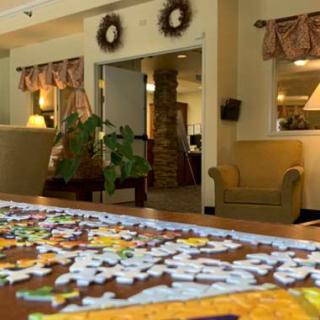
- There is at least one daily activity offered.
- It accommodates wheelchairs.
- Smoking inside was not allowed, which is a good thing for the health of all.
Cons
 The overall experience was poor.
- The dividing curtain between his bed and the other person was filthy.
- The floor was dirty most of the time.
- The facility did not have a long enough bed for the resident's height, and one had not been delivered.
- The resident was supposed to have an alarm on his bed and chair, but the alarm was not provided.
- An administrator once found the resident in the parking lot because the alarm could not be located.
- The aides were not particularly well-trained.
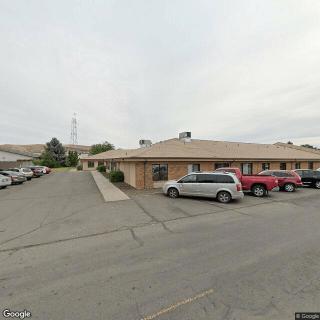
- The facility was very old and had not been updated.
- The process to sign papers required walking through the facility into a crowded building where the office was located.
- Most rooms were double occupancy, with very few private rooms; some rooms had 3–4 beds.
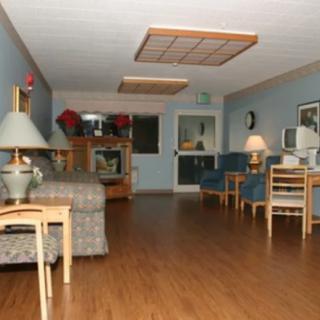
- There was no place for a resident to be outside of their room or the dining hall.
- The meals had a set menu with an alternate entrée, usually leftovers from the previous day.
Review
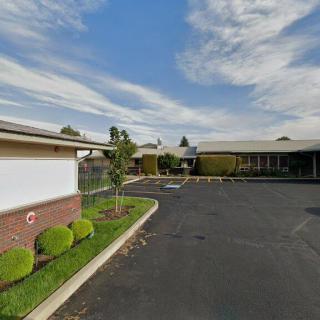
Selah Care And Rehabilitation is best suited for seniors who value warmth, reliable staffing, and a homey, small-community feel over gleaming modernity. The staff are described as caring and approachable, meals are solid, and the residence exudes coziness, with a setup that supports wheelchairs and daily social routines. For residents who are comfortable sharing a room and prioritizing daily contact with caregivers and peers, this facility can feel like a reassuring, low-stress option. Those needing private suites, cutting-edge rehab equipment, or checklists of contemporary amenities should be prepared to look elsewhere.
Alternatives are worth considering for anyone who places privacy, top-to-bottom cleanliness, and consistently robust safety systems at the top of the list. The building and interiors are older, with limited private rooms and signs of deferred modernization. A few reports describe maintenance lapses, inconsistent aide training, and management gaps that can affect safety in urgent situations. For families facing major post-acute rehab, specialized memory support, or a home-like environment with comprehensive safety controls, other communities in the region may deliver more predictable outcomes.
Yet the strongest positives, caring staff, dependable meals, and approachable social programming, do offset several drawbacks for residents who fit the profile. When aides are not overextended, daily activities and at least some outings provide structure and routine that keep residents engaged. The dining arrangements, meals served in a common hall with accessible in-room options, help preserve dignity for those who cannot participate fully in communal dining. These benefits, while not erasing the concerns about cleanliness and modernization, can make a meaningful difference in day-to-day quality of life.
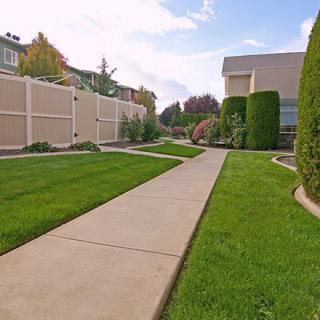
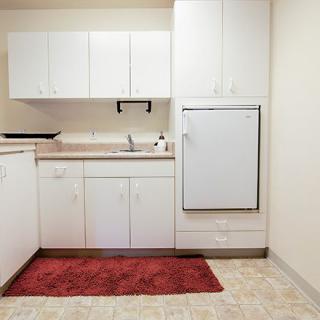
Concrete daily-life realities reflect the facility’s older footprint. Most rooms are shared, with limited private options, and the campus centers around a dining hall and a common path through the building. The kitchen relies on a dumbwaiter and insulated trays, a setup that works but lacks the polish of newer campuses. There is wheelchair-accessible transportation for outings, and a courtyard allows smoking with safeguards. While this supports certain residents, it also means privacy and personal space are constrained, and residents who crave enrichment outside of the dining hall may feel constrained.
Care quality and management yield a mixed track record. Positive impressions arise from staff who appear attentive and from a bath aide who stands out; however, training levels and oversight are uneven. A troubling account from a post-surgery stay highlighted a filthy curtain, a dirty floor, an incorrectly sized bed, and a missing alarm, with administration failing to locate the alarm promptly. These episodes, combined with historical facility aging and occasional administrative hassles, signal a risk that cannot be ignored when evaluating long-term placement.
Bottom line: this community serves a defined niche, seniors who prize warmth, social continuity, and reasonable meals, and who can tolerate shared rooms and an older physical plant. For families prioritizing privacy, modern rehab services, and rigorous safety protocols, alternatives deserve serious consideration. Before deciding, schedule a focused tour that probes cleanliness, safety equipment readiness, room configurations, and staff continuity. If the current state supports safe, dignified living with ongoing social engagement, Selah Care And Rehabilitation offers a practical, dependable option in a market where personal connection often matters as much as square footage.
 39 resident community capacity
 Skilled Nursing Facility
 Beauty salon
 Cable or satellite TV
 Dining room
 Fully furnished
 Garden
 Housekeeping services
 Kitchenette
 Move-in coordination
 Outdoor space
 Restaurant-style dining
 Small library
 Telephone
 Wi-Fi/high-speed internet available
 24-hour call system
 Activities of daily living assistance
 Assistance with bathing
 Assistance with dressing
 Assistance with transfers
 Diabetes diet
 Medication management
 Mental wellness program
 Special dietary restrictions


 9 Stimulating Memory Activities for Seniors: Puzzles, Cards, and Much More
 Managing Nursing Home Expenses After Medicare Coverage Ends
 Is a Geriatric Care Manager the Right Choice for Your Family?