23352 Courthouse Highway, Windsor, VA 23487
For more information about senior living options: (866) 208-4318
Overall Review of Consulate Health Care Of Windsor
Pros
 The staff worked well with hospice staff and families to ensure patients' needs were well taken care of.
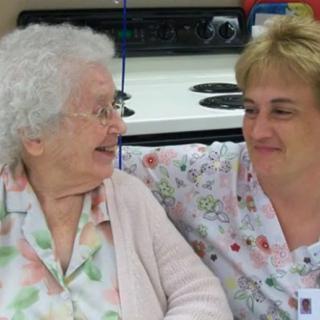
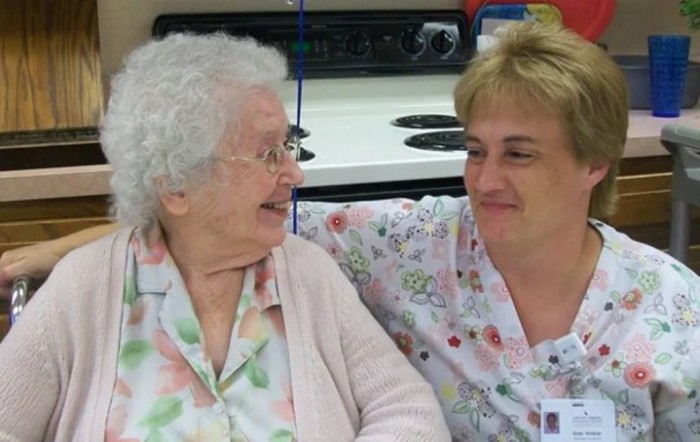
- Jennifer is very caring and kind, and the facility could benefit from more staff like her.
- The facility has awesome, caring staff.
- It is a great place to send a loved one who needs therapy or long-term care, and it is also a great place to work.
- Consulate of Windsor is a great place with a top-notch therapy team providing excellent skilled nursing care.
- The rehab unit's staff are friendly and professional, contributing to positive progress in rehabilitation.
- The facility is under new management and leadership making significant, positive changes.
- The management team is awesome and cares about residents, demonstrating a strong commitment to better care.
Cons
 They provided incorrect information about medication timing and often left the patient without meds for hours.
- They failed to arrange specialist appointments and did not inform the family.
- They discharged with only one day’s notice despite requests for two weeks.
- They posted patient rights on the door but did not follow them and were not believed.
- The facility smelled of mothballs and looked like an abandoned home for the sick, with minimal staff presence.
- There was no call button or telephone in the rooms, so residents could not call for help.
- There was a severe nurse shortage and staff were uncaring, often not checking on patients for hours.
Review
Consulate Health Care of Windsor is best suited for families prioritizing a dedicated rehabilitation program and ongoing therapy progress, particularly where there is readiness to supervise care coordination closely. The community appears to respond well to skilled therapy teams and to staff who express genuine care. It may work for residents who value hands-on rehab and are comfortable engaging with administrators and front-line staff to push for timely services. Those seeking a hands-off experience or expecting flawless daily operations should look elsewhere, as reliability in medication management, discharge planning, and consistent communication can be uneven.
Several reviews underscore a real strength in therapy and rehab, with multiple accounts of progress and professional, compassionate interactions from therapy staff. A number of commenters highlight a caring atmosphere among certain caregivers and repeatedly note that the leadership transition has brought a push toward meaningful changes. In hospice contexts, collaboration with clinical teams appears to be effective, suggesting that when care teams are aligned, the facility can deliver coordinated, patient-centered work. For families prioritizing rehabilitation outcomes, these elements matter.
Yet the negatives are persistent and repeatedly voiced, and they cannot be dismissed. The most consequential issues center on medication administration, delays, omissions, and communication gaps about scheduling and adjustments. Discharge and referral processes also appear unreliable at times, with concerns about timely notifications and proper follow-through. Front-desk responsiveness and overall communication with families are frequently described as insufficient, and staffing shortages, especially among RNs and CNAs, turs the daily experience toward inconsistency. Environmental and safety impressions occasionally mirror older, under-resourced facilities, reinforcing a sense of variability in day-to-day operations.
These strengths and weaknesses do not cancel each other out; they simply tilt the balance toward a rehab-forward role with caveats. When rehabilitation progress is the primary objective, the facility’s therapy team and dedicated caregivers can deliver meaningful gains, but those gains may be undermined by lapses in medication safety, timely care, and reliable coordination. The new leadership is cited by some as purposeful and improving, yet the history of communication gaps and episodic care concerns suggests ongoing oversight will be essential. Families should expect to be highly involved, asking pointed questions about med-pass protocols, nurse-to-patient ratios, and the concrete steps being taken to stabilize operations.
For families evaluating alternatives, several red flags warrant careful comparison. If a resident requires precise medication timing, rapid call-back times, predictable daily schedules, or a consistently clean, well-maintained environment, other options may offer more peace of mind. The reports of neglected residents, staff turnover, and activity around safety and accountability cannot be ignored. While change is underway in leadership, the risk profile remains higher than average for a facility with such mixed reputational signals. Prospective residents should weigh the potential for rehab gains against the likelihood of inconsistent daily care.
In the end, Consulate Health Care of Windsor presents a conditional proposition: solid rehab potential and reportedly compassionate staff under a management team that is actively trying to reform, but with substantial caveats around medication safety, timely communication, and overall reliability. For families able to commit to rigorous oversight, frequent follow-ups, and a clear, joint plan with clinicians, the facility can be part of a viable continuum of care focused on rehabilitation and short-term recovery. For those unable to assume that level of ongoing advocacy, or who require consistently flawless operations and safety, it is prudent to explore alternatives with more established track records in med-management, family communication, and day-to-day reliability.
 114 resident community capacity
 Skilled Nursing Facility
 Air-conditioning
 Beauty salon
 Cable or satellite TV
 Computer center
 Dining room
 Fitness room
 Fully furnished
 Gaming room
 Garden
 Housekeeping services
 Kitchenette
 Move-in coordination
 Outdoor space
 Private bathrooms
 Restaurant-style dining
 Small library
 Telephone
 Wellness center
 Wi-Fi/high-speed internet available
 Community operated transportation
 12-16 hour nursing
 24-hour call system
 Activities of daily living assistance
 Assistance with bathing
 Assistance with dressing
 Assistance with transfers
 Diabetes diet
 Medication management
 Mental wellness program
 Special dietary restrictions
 Concierge services
 Planned day trips



 Essential Knowledge on Pneumonia in Older Adults
 Exploring Palliative Care in the Home: A Comprehensive Overview
 Comprehensive Insights into Palliative Home Care: What It Is and What to Expect