
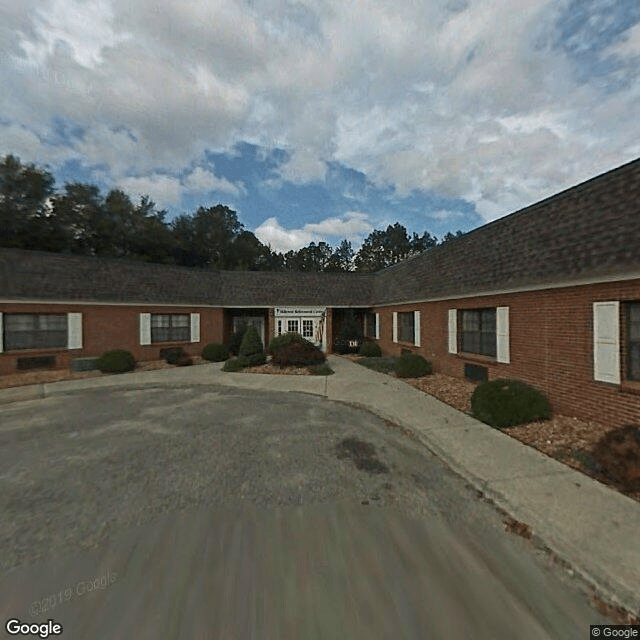
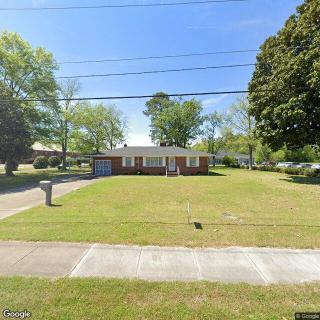
200 Constance Road, Suffolk, VA 23434
To contact a resident: (757) 539-8744
For more information about senior living options: (866) 208-4318
Nansemond Pointe Rehabilitation and Healthcare Center Costs & Pricing
At Nansemond Pointe Rehabilitation and Healthcare Center, the monthly costs for care reflect a competitive pricing structure when compared to both Suffolk City and the broader Virginia state averages. For a private room, residents can expect to pay $3,930, which is significantly lower than the city average of $6,122 yet remains within a reasonable range compared to the state average of $4,684. Similarly, for semi-private accommodations, the cost is set at $4,620 - a figure that slightly exceeds Suffolk City's average of $4,432 but is still higher than the state average of $3,991. Overall, Nansemond Pointe presents an attractive option for individuals seeking quality rehabilitation and healthcare services at relatively affordable rates in comparison to local and state benchmarks.
| Floor plans | Nansemond Pointe Rehabilitation and Healthcare Center | Suffolk city | Virginia |
|---|---|---|---|
| Private | $3,930 | $6,122 | $4,684 |
| Semi-Private | $4,620 | $4,432 | $3,991 |
Skilled Nursing Facilities with a similar price nearby
-
from +$180 / mo
Portsmouth Health And Rehab
$4,110 to $4,620 / month16.8 miles away -
from -$420 / mo
Signature Healthcare Of Norfolk
$3,510 to $4,230 / month18.0 miles away -
from -$315 / mo

Heritage Hall Virginia Beach
$3,615 to $3,992 / month24.5 miles away
Overall Review of Nansemond Pointe Rehabilitation and Healthcare Center
Cons
 The facility has some staff who work, but most are rude, lazy, and pass the buck.
- The rooms are filthy, with patients left in filth or on beds without sheets.
- The nursing staff to patient ratio is unacceptable.
- The facility pressures families to sign an agreement not to sue and claims residents have the right to fall, saying they cannot be forced to do anything.
- Showers are only provided if requested; otherwise residents may go an entire week without one.
- Information about a family member’s health care is scarce, and medical records requests can take 30 days.
- A family member’s phone was reportedly stolen, with staff denying it, despite evidence showing the phone was at the facility.
- A relative spent 1.5 weeks there with a lack of attention: slow nurse responses, long delays for diaper changes, cold meals, and meds not dispensed on time; minimal wound care.
- Care after a stroke is described as the worst: staff are short and incompetent, and the patient is unclean with dirty linens.
- Call bells are not answered promptly, often taking up to two hours.
- Hospice care issues include catheter not flushed and chest tube bag not changed, leading to UTI and sepsis after seizures due to delayed meds; staff described as lazy and incompetent.
Review
Nansemond Pointe Rehabilitation and Healthcare Center in Suffolk, VA is best suited for families with extremely limited options who are prepared to supervise relentlessly and demand accountability, rather than for anyone seeking reliable medical oversight, consistent daily hygiene, or a clean, well-run environment for a loved one. The facility does not meet basic expectations for safe, attentive care, and it should not be considered by those who require steady nursing attention, timely med administration, or proactive wound and hygiene management.
Those who should seriously consider alternatives are families prioritizing dignity, cleanliness, and dependable care. Post-stroke patients, individuals needing regular wound care, or anyone reliant on consistent help with activities of daily living will likely encounter repeated gaps in care here. If a loved one depends on prompt call-bell responses, fresh meals, and a stable, sanitary living space, the evidence suggests another option is a far wiser choice. Prospective families should exhaust other nearby facilities, or even home-based solutions, before committing to this center.
The few potential conveniences offered by the facility do not offset the dominant drawbacks. There are no meaningful, durable advantages documented in the reviews; the surface-level attributes, such as location or access to some basic services, do not withstand the gravity of safety and quality concerns. The core failings, staff shortages, poor attitudes, and a pattern of neglect, erode any minor benefits, making the overall proposition risky and unacceptable for vulnerable seniors.
The pattern across the reviews is consistent and alarming. Rooms described as filthy with dirty linens; meals delivered late or cold; showers delayed for days; and a chronic failure to respond to call bells for hours all paint a picture of neglect rather than care. Medication timing is repeatedly faulty, with reports of missed doses and delayed wound care, including serious concerns about bed sores and post-injury management. The environment even includes troubling episodes of theft and alleged misrepresentation around patient status, which undermine trust and safety. The social work and administrative channels appear focused on compliance and payment rather than actual patient well-being, with complaints about medical records turnaround and a perceived reluctance to address urgent health needs.
Given these patterns, serious consideration should be given to what questions to ask and what standards to demand if this facility is on the short list. Request a current state survey and any recent corrective actions, insist on a live demonstration of call-button response times, observe a dining and cleaning routine, and verify the facility’s wound-care protocols and medication administration processes. Seek conversations with direct care staff and seasoned supervisors about daily workflows, staff-to-patient ratios, and a concrete plan for emergency response. If the choice must be made, demand explicit, enforceable guarantees for timely hygiene care, consistent nutrition, prompt pain and symptom management, and a transparent, accountable line of escalation for any concern.
In the end, the verdict is clear: this center is not generally suitable for most families seeking safe, respectful, and reliable senior care. The cumulative evidence points to persistent, systemic lapses that endanger daily well-being and long-term health. Alternatives should be pursued aggressively, with a focus on facilities demonstrating solid staffing, stringent cleanliness, timely medical and personal care, and credible wound-management practices. If options are truly limited, consider intensive home-health or hospice-supported care as a temporary bridge while a higher-quality facility is identified and secured. The priority is safeguarding the loved one’s health and dignity, and the data here strongly counsel against relying on Nansemond Pointe as a dependable caregiving solution.
 Skilled Nursing Facility
 Private
 Norfolk International (24 miles away)
 Small, intimate setting with full ADL support and diabetes-friendly dining.



 Engaging Brain Games and Innovative Apps to Keep Senior Minds Active
 Effective Strategies for Keeping Seniors' Minds Active: A Deep Dive into Brain Games and Apps
 In-Depth Look at the VA Aid and Attendance Program