
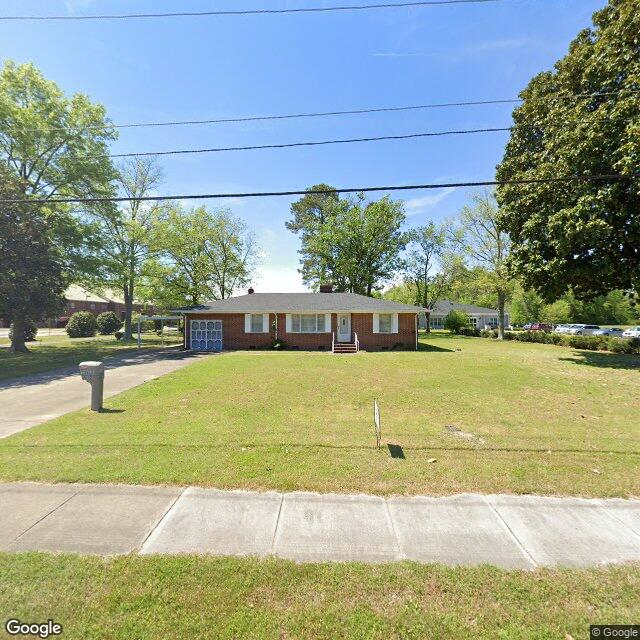
2536 East Washington Street, Suffolk, VA 23434
For more information about senior living options: (866) 208-4318
Tabernacle Gardens Assisted Living Facility Costs & Pricing
Tabernacle Gardens Assisted Living Facility offers competitive pricing options compared to its broader market in Suffolk City and the state of Virginia. For instance, residents in semi-private accommodations can expect to pay $2,250 per month, significantly lower than the average costs of $4,432 in Suffolk and $3,991 statewide. Similarly, for studio apartments, Tabernacle Gardens charges $2,800, contrasting sharply with Suffolk's rate of $5,082 and Virginia's average of $4,436. The 1-bedroom option at Tabernacle is priced at $3,200 - still more affordable than the city and state averages of $4,086 and $4,257 respectively. These rates position Tabernacle Gardens as an accessible choice for seniors seeking quality care without breaking the bank.
| Floor plans | Tabernacle Gardens Assisted Living Facility | Suffolk city | Virginia |
|---|---|---|---|
| Semi-Private | $2,250 | $4,432 | $3,991 |
| Studio | $2,800 | $5,082 | $4,436 |
| 1 Bedroom | $3,200 | $4,086 | $4,257 |
Assisted Living communities with a similar price nearby
-
from +$250 / mo
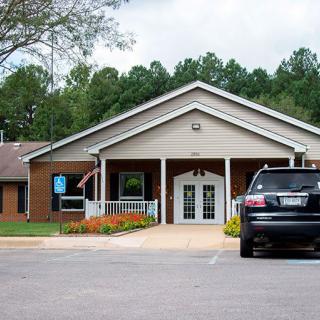
Dominion Village at Chesapeake
$2,500 to $3,400 / month11.3 miles away -
About the same

The Devonshire
$2,295 to $3,399 / month23.3 miles away -
from +$250 / mo
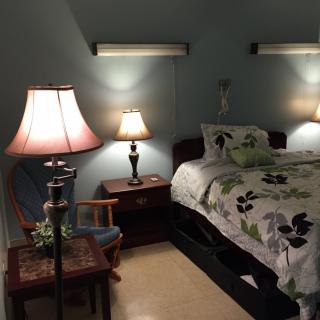
Golden Years Assisted Living
$2,500 to $4,000 / month22.4 miles away -
from -$132 / mo
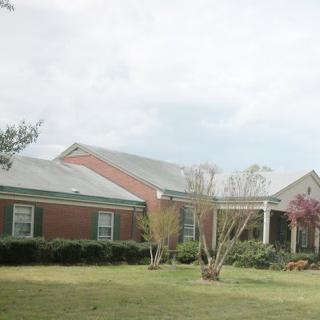
Emily Green Shores
$2,118 to $2,569 / month12.3 miles away -
from +$300 / mo

Gates House
$2,550 to $3,000 / month22.1 miles away
Overall Review of Tabernacle Gardens Assisted Living Facility
Pros
 Tabernacle Gardens is totally refurbished and looking new.
- The first visit to Tabernacle Gardens was encouraging, with things going well so far.
Cons
 They were disgusted and felt the facility shouldn’t be in operation.
- They described the living conditions as unacceptable.
- They decided not to let their loved one stay there.
- They observed very limited staffing and noted staff members looked extremely tired and worn out.
- They stated that proper staffing is imperative in a facility like this.
- They found the living facilities dismal and in need of a lot of work.
Review
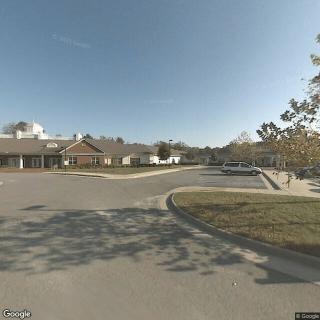
Tabernacle Gardens Assisted Living in Suffolk is best suited for families who want a facility that looks fresh and modern and are prepared to be hands-on about care. The renovated appearance can ease the initial decision, signaling updated spaces, better lighting, and a potentially more comfortable daily living environment. However, the look alone does not guarantee quality care. In this community, ongoing staffing and operational stability are the real determinants. For families willing to advocate, insist on transparent disclosures, and set clear expectations, Tabernacle Gardens can be navigated toward a workable arrangement. It will reward those who prioritize a current, well-maintained ambiance while recognizing that improvements must accompany any appealing exterior.
Alternatively, those needing reliable, around-the-clock attention should consider other options. Multiple reviews describe very limited staffing and exhausted caregivers, which translates into delayed assistance, missed routines, and potential gaps in safety supervision. Residents with higher acuity or memory care needs may not be adequately supported. Families should also be cautious if a plan hinges on ongoing major changes; frequent turnover in leadership or governance can create unstable routines. In short, Tabernacle Gardens is not ideal for anyone requiring predictable, high-quality care without vigilant oversight.
On the upside, the facility's refurbishment matters. New-looking common areas and rooms can support a sense of dignity and comfort, and updated infrastructure may reduce maintenance hassles in the short term. That said, first impressions from tours were tempered by concerns about staffing and living conditions. The critical factor remains whether operations keep pace with the cosmetic upgrades. If staff levels improve and scheduling becomes transparent, the space can deliver a livable, even pleasant, environment. Until then, the shine remains contingent on real-world care delivery.
Consistency is the bigger issue. Reviews repeatedly cite very limited staff and caregivers who look tired, underscoring the risk of slow responses to call bells, limited assistance with activities of daily living, and gaps in housekeeping and meal service. The reported “dismal” living conditions and the observation that the facility is undergoing major changes signal ongoing disruption. Such instability undermines routines that seniors rely on and increases the likelihood of safety lapses. In a setting where proper staffing is imperative, these are not minor annoyances but fundamental deal-breakers for many families.
Do the positives offset the negatives? The refurbished look can provide some reassurance, but without steady, sufficient staffing the positives quickly lose bite. The only reliable way to counterbalance the cons is a credible plan for staffing, supervision, and maintenance, clear ratios, defined shifts, RN oversight, and proactive housekeeping schedules. If administration demonstrates a credible path to address shortages and the facility stabilizes, the upgrades could start delivering on their promise. Absent that, the cons overwhelm the aesthetic gains, making Tabernacle Gardens a risky choice for anyone who cannot monitor operations daily.
Practical decision guidance: pursue a thorough, unhurried, in-person assessment focusing on staffing reality. Request detailed staffing rosters, including nurse coverage, aides per shift, and any on-call support. Tour during peak activity to observe responsiveness and quality of care. Review the latest state licensing reports and ask to see the facility’s plan for ongoing capital improvements and housekeeping. Compare with two or three nearby communities that offer similar price points and higher staffing assurances. If a decision lands here, implement a formal oversight plan, checklists, weekly reviews with the administrator, and a contingency exit strategy. Tabernacle Gardens is most viable for families prepared to demand excellence and ready to bear the burden of ongoing oversight; otherwise, alternatives deserve strong consideration.
 98 resident community capacity
 Assisted Living
 Activities on-site
 Air-conditioning
 Beauty salon
 Cable or satellite TV
 Computer center
 Devotional services on-site
 Dining room
 Fitness room
 Fully furnished
 Gaming room
 Garden
 Housekeeping services
 Indoor common areas
 Kitchenette
 Move-in coordination
 Outdoor space
 Private bathrooms
 Restaurant-style dining
 Small library
 Telephone
 Wellness center
 Wi-Fi/high-speed internet available
 Norfolk International (22 miles away)
 Community operated transportation
 12-16 hour nursing
 24-hour call system
 Ambulatory care
 Assistance with bathing
 Assistance with dressing
 Assistance with transfers
 Diabetes diet
 Diabetic care
 Incontinence care
 Medication management
 Mental wellness program
 Special dietary restrictions
 Bible study group
 Book club
 Choir / singing club
 Concierge services
 Planned day trips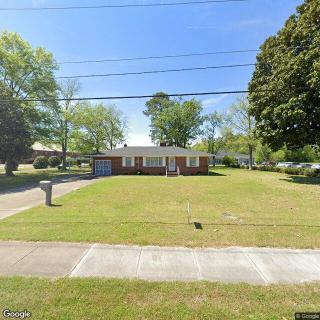



 8 Key Indicators That Suggest It May Be Time to Transition from Assisted Living to Skilled Nursing Care
 Vibrant Senior Living: A Comprehensive Guide for Active Older Adults
 When to Transition from Assisted Living to Memory Care: Key Indicators, Steps, and Finding the Right Community