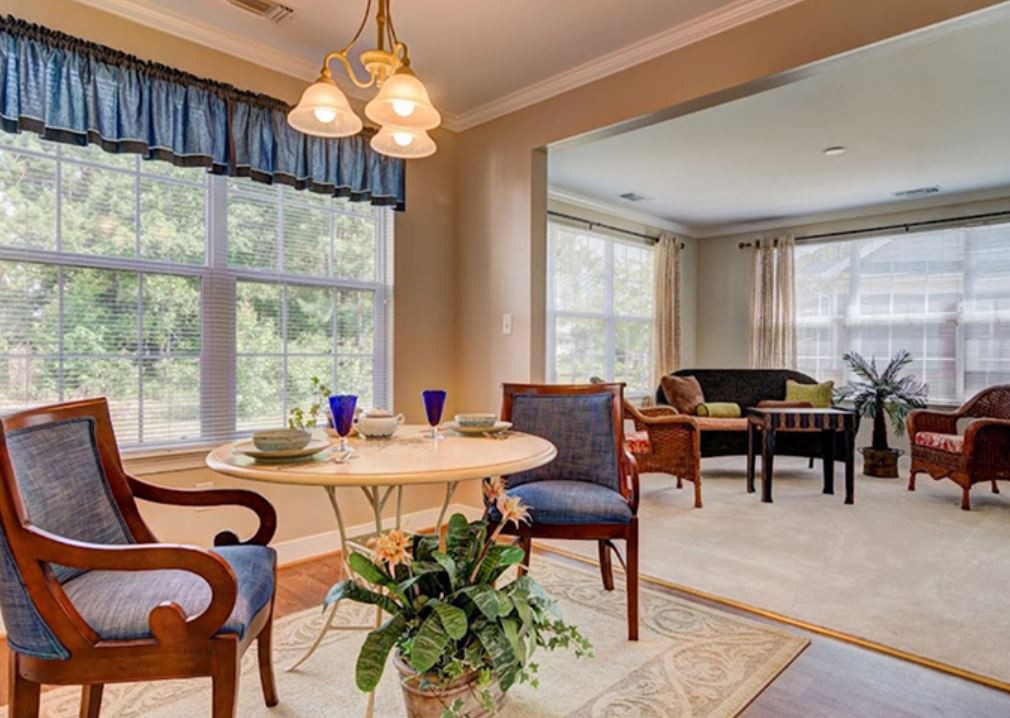
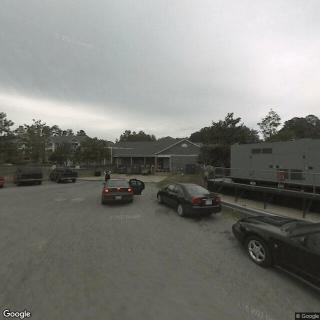
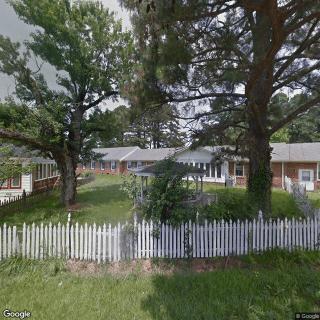
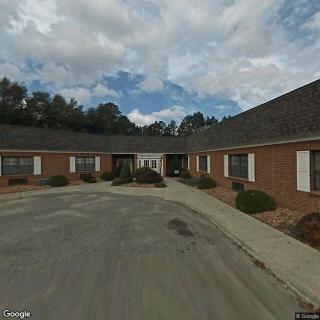
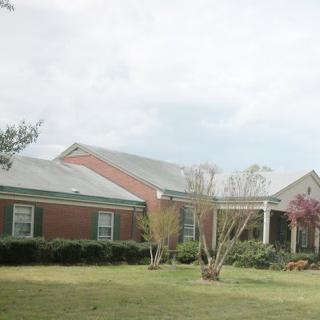
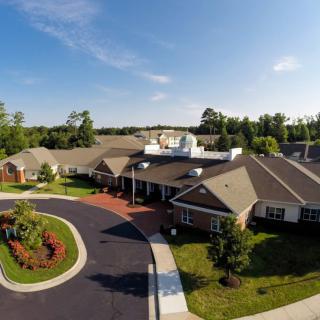
Lake Prince Woods in Suffolk, VA

Save

Lake Prince Woods in Suffolk, VA

100 Anna Goode, Suffolk, VA 23434

For more information about senior living options: (844) 490-3973

4 from 30 reviews
5 stars
19
4 stars
5
3 stars
0
2 stars
0
1 stars
6

Assisted Living Continuing Care Retirement Community (CCRC) Independent Living Memory Care

Lake Prince Woods Costs & Pricing

Lake Prince Woods offers a range of accommodation options with pricing that reflects both the amenities provided and the local market dynamics. For a one-bedroom unit, costs range from $1,731 to $9,350, significantly lower than Suffolk city's average of $4,086 and Virginia's average of $4,257. In the two-bedroom category, prices start at $1,851 and can go up to $11,200, again undercutting Suffolk city's average of $3,480 while remaining competitive compared to Virginia's $4,602. The studio apartments are offered between $4,650 and $8,500; though slightly above Suffolk city's average of $5,082, they are still more affordable than the state average. For semi-private accommodations at Lake Prince Woods priced at $6,850 and private rooms ranging from $10,500 to $11,500 show a higher investment but offer exclusivity compared to early competitors in both Suffolk ($4,432 for semi-private; private rooms average around $6,122) and statewide averages ($3,991 for semi-private; about $4,684 for private). Overall, Lake Prince Woods presents a variety of living options that cater well to different budgets while remaining an attractive choice within the regional landscape.

Floor plansLake Prince WoodsSuffolk cityVirginia
1 Bedroom$1,731 to $9,350$4,086$4,257
2 Bedrooms$1,851 to $11,200$3,480$4,602
Studio$4,650 to $8,500$5,082$4,436
Semi-Private$6,850$4,432$3,991
Private$10,500 to $11,500$6,122$4,684

Overall Review of Lake Prince Woods

Pros

  • pro The cafeteria is outstanding.
  • pro The staff treated Grandma like family and cared for her deeply.
  • pro The staff mourned with the family and showed they loved her.
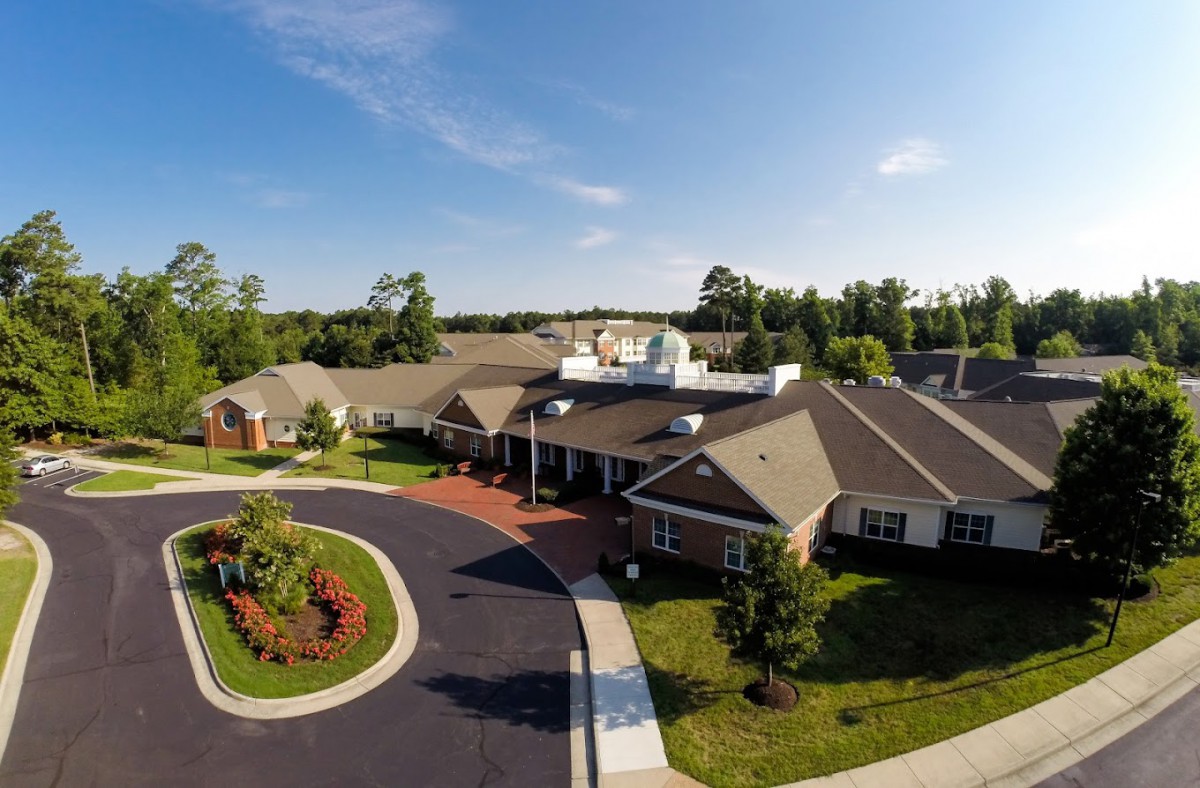
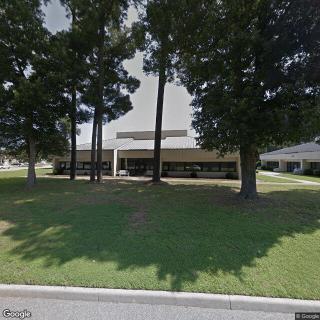
  • pro The facility is clean, well maintained, with beautiful grounds.
  • pro The memory care staff are fabulous, kind, and caring.
  • pro Rehab services provided great physical and mental improvement.
  • pro The community is filled with caring people and wonderful neighbors.
  • pro The food is wonderful and dining experiences are enjoyable.

Cons

  • pro This facility has proven, time and again, that it is more concerned with the net worth of the families it serves than with providing care, dignity, and support to those at the end of their lives.
  • pro To exploit and fail vulnerable patients, especially those on hospice, is unconscionable.
  • pro This place does not deserve your trust.
  • pro This facility is poorly managed.
  • pro The memory dementia unit is a disaster.
  • pro Most of these units are owned and operated by large conglomerates that are required to show shareholders a profit every quarter, leading to cuts in staff and services.
  • pro One staff member to five or six residents, with residents being kept doped up.
  • pro Management offered no apology for the problems observed.
  • pro Management refused to allow video monitoring and defended privacy, with no apology for the many problems found.

Review

Lake Prince Woods in Suffolk, VA is best suited for families seeking an active, people-centered senior living campus with a visible, caring staff and a robust social calendar. It works well for residents who value well-kept grounds, on-site amenities, dependable rehab services, and a memory-care offering that other families spoke to in vehement terms about. The community's atmosphere - friendly neighbors, engaged volunteers, and frequent events - appeals to families wanting a sense of belonging and reassurance that help is nearby. It is not a bland, one-note facility; it operates as a campus where independent living, short-term rehab, and dementia care sit under one roof with accessible campus amenities.

At the same time, this is not a place for risk-averse families, nor for those prioritizing flawless memory-care governance. Prospective residents should consider alternatives if the priority is consistently reliable dementia care with ironclad oversight, or if concerns about management, discrimination, or financial focus loom large. Some reviews paint a stark contrast between the warmth of staff in certain roles and the way the facility handles broader governance, suggesting that the environment can feel uneven at the top. For families facing end-of-life care decisions, the most troubling accounts describe indifference or a perceived prioritization of finances over dignity, which is a warning sign for those who demand unwavering ethical standards.

The strongest positives at Lake Prince Woods - when care is good - offset several tangible drawbacks, but not completely. Many families praise the on-site staff across levels: memory-care teams described as fabulous and responsive, maintenance and dining staff consistently praised, and rehab experiences that yield noticeable physical and mental improvements. The facility's cleanliness, attractive grounds, and a variety of activities and programs give residents a sense of normalcy and engagement. Meals are repeatedly highlighted as a standout, and the overall campus ambiance reinforces a feeling of safety and community. For families who prioritize strong personal attention, quick responsiveness, and a welcoming culture, these strengths can deliver real value.

Yet the negatives demand serious consideration. The most serious red flags involve governance and safety concerns in the dementia unit: reports of theft, residents sleeping in inappropriate arrangements, and family members discovering problems through their own monitoring. In several accounts, management's reaction to families who raised concerns was defensive or dismissive, with some describing a culture that seemed more focused on appearances and financial considerations than on resident welfare. One review specifically cites discrimination and a need for structural reform, while others describe staffing ratios in extended care that raise questions about adequate supervision. These patterns temper confidence for families who require a consistently safe, well-regulated dementia program.

From a decision-making perspective, Lake Prince Woods offers a clear value proposition for those needing rehab, independent living, or memory care with a warm, community-oriented feel and strong daily operations in many areas. The decision hinges on tolerance for governance risk and the potential for uneven care experiences, particularly in the dementia unit. Prospective families should verify the specifics: staff-to-resident ratios, turnover, how safety and personal-item security are managed, and how complaints are handled. Direct conversations with current residents and families, multiple site visits, and a careful read of the contract will reveal whether the campus's strengths align with the stricter requirements of the care plan.

In the end, this community can deliver genuine warmth, good food, and a livable, family-like environment when the care team is operating at its best. It is an attractive option for veterans of the self-contained campus model who want robust rehab services and vibrant independent living alongside memory care. However, for families prioritizing unwavering dementia governance, transparent management, and protection from internal missteps, alternatives deserve serious consideration. The prudent path is to tour with specific questions, seek out multiple perspectives, and compare Lake Prince Woods against other Suffolk options to determine where the balance truly lies between comfort, cost, and care integrity.

Features

Housing

  • 22 resident community capacity 22 resident community capacity

Types of Care

  • Assisted Living Assisted LivingAssisted living facilities provide crucial support and care for seniors who may need help with daily tasks such as medication management, bathing, and meal preparation. These communities offer a safe and comfortable environment where seniors can maintain their independence while receiving the assistance they need to thrive in their golden years.
  • Continuing Care Retirement Community (CCRC) Continuing Care Retirement Community (CCRC)Continuing Care Retirement Communities (CCRCs) are important for seniors because they provide a range of housing options and care services all in one location. This allows seniors to age in place and receive the level of care they need as their health changes, without having to move to a new facility. CCRCs provide a sense of security and peace of mind for seniors and their families, knowing that they will be taken care of no matter what the future holds.
  • Independent Living Independent LivingIndependent living communities are important for seniors because they offer a safe and supportive environment where older adults can live independently while still having access to amenities and services that enhance their quality of life. These communities provide social opportunities, recreational activities, and assistance with daily tasks, promoting overall well-being and allowing seniors to maintain their independence for as long as possible.
  • Memory Care Memory CareMemory care is crucial for seniors as it provides specialized support and services for individuals with dementia or Alzheimer's disease. These programs offer a safe and secure environment where residents receive personalized care, cognitive stimulation, and help with daily activities. Memory care helps seniors maintain their independence, quality of life, and dignity while also providing peace of mind for their families.

Pets

  • Cats allowed Cats allowed"Pet friendly" senior living communities are important for seniors because pets provide companionship, reduce feelings of loneliness and depression, promote physical activity and mental stimulation, and offer a sense of purpose and responsibility. Pets can improve overall well-being and quality of life for seniors in many ways.
  • Dogs allowed Dogs allowed"Pet friendly" senior living communities are important for seniors because pets provide companionship, reduce feelings of loneliness and depression, promote physical activity and mental stimulation, and offer a sense of purpose and responsibility. Pets can improve overall well-being and quality of life for seniors in many ways.

Amenities

  • Activities off-site Activities off-siteEngaging in off-site activities is crucial for seniors to maintain social connections, stay active, and stimulate their minds. It promotes overall well-being and helps combat feelings of isolation and loneliness.
  • Activities on-site Activities on-siteActivities on-site are important for seniors because they provide opportunities for socialization, mental stimulation, physical activity, and overall well-being. Engaging in activities can help seniors stay active, maintain their independence, and improve their quality of life.
  • Bath tubs Bath tubsBath tubs are important for seniors because they provide a safe and relaxing way to bathe, helping to prevent slips and falls while promoting independence and overall well-being.
  • Beautician on-site Beautician on-siteHaving a beautician on-site at a senior living community is important for seniors as it allows them to easily access grooming and personal care services, boosting their self-esteem and overall well-being. It also provides convenience and helps seniors maintain their sense of independence and personal style.
  • Beauty salon Beauty salonBeauty salons are important for seniors because they provide a space for them to feel pampered, socialize, and maintain their personal grooming and hygiene. Regular visits to a beauty salon can help boost seniors' self-esteem and overall well-being.
  • Cable or satellite TV Cable or satellite TVCable or satellite TV is important for seniors because it provides entertainment, news, and companionship, helping to combat loneliness and boredom. It also offers a wide range of programming options tailored to different interests and preferences.
  • Devotional services off-site Devotional services off-siteDevotional services off-site are important for seniors as they provide spiritual nourishment, social engagement, and a sense of community outside of the senior living facility. This can enhance overall well-being and help combat feelings of isolation and loneliness often experienced by older adults.
  • Devotional services on-site Devotional services on-siteDevotional services on-site provide seniors with spiritual support and a sense of community, as well as an opportunity for reflection and guidance during their senior living experience. This can promote emotional well-being and connection to others, leading to a more fulfilling and enriching lifestyle in their later years.
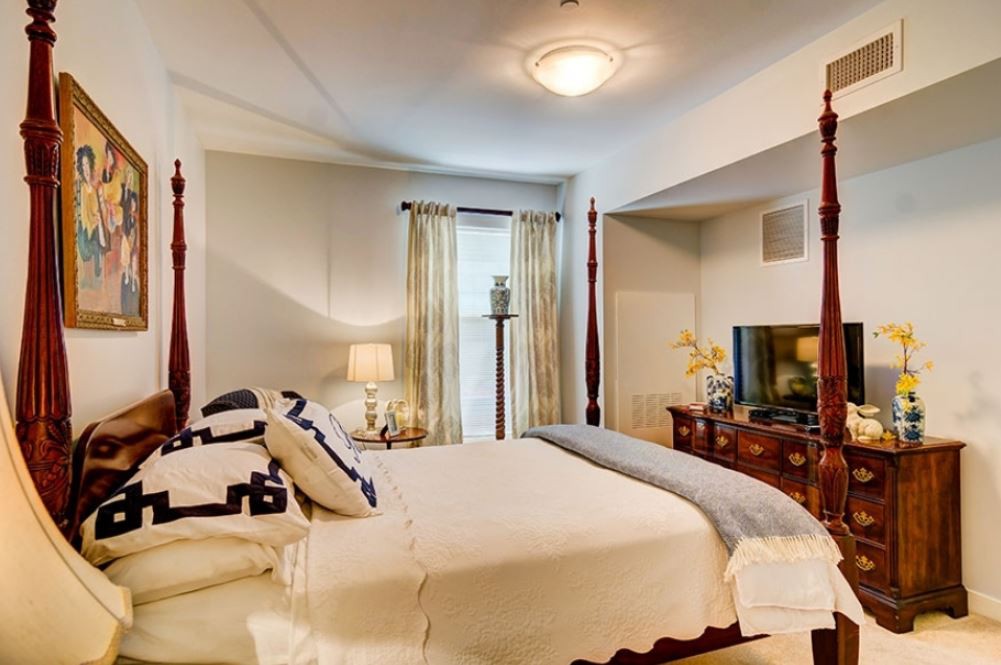
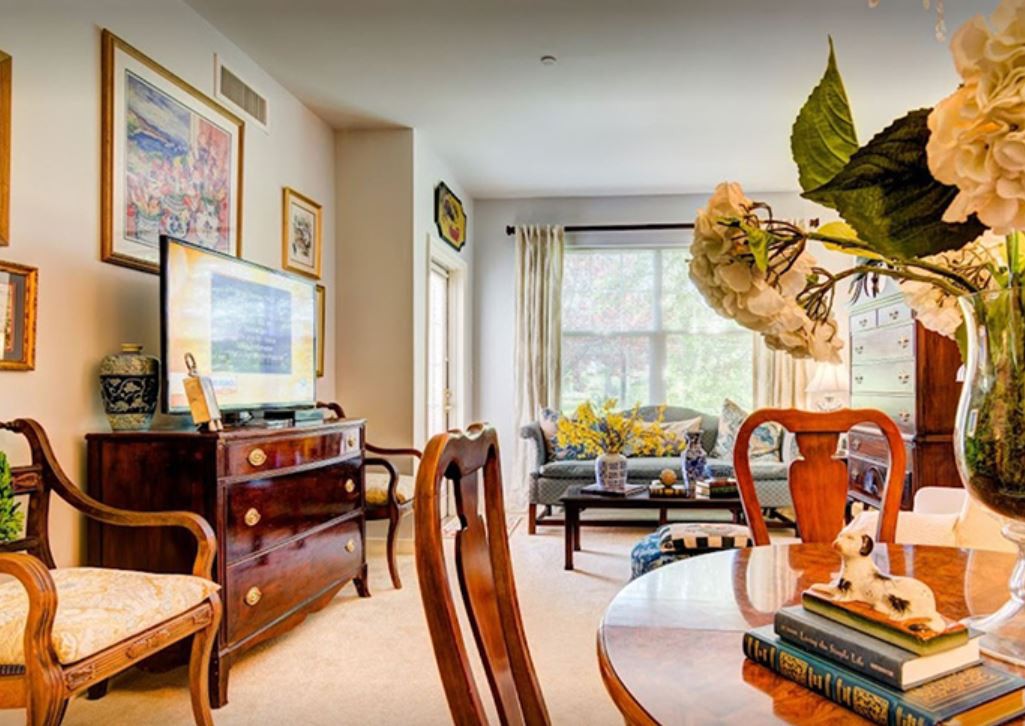
  • Fully furnished Fully furnishedFully furnished senior living communities are important for seniors because they provide convenience, comfort, and a hassle-free moving experience. Seniors can easily settle into their new living space without the stress of having to buy and move furniture. This allows them to focus on enjoying their new home and community.
  • Garden GardenGardens are important for seniors as they provide a peaceful and therapeutic environment for relaxation, physical activity, and socialization. Being in nature has been shown to reduce stress, improve mood, and promote overall well-being. Gardens also offer opportunities for seniors to engage in gardening activities, which can improve mobility, flexibility, and cognitive function. Additionally, gardens create a sense of community and connection with others who share a passion for plants and outdoor spaces.
  • Ground floor units Ground floor unitsGround floor units are important for seniors because they provide easy accessibility, reduced risk of falls and injuries, and convenience for those with mobility issues. Seniors can avoid climbing stairs or using elevators, making daily tasks and activities more manageable and enjoyable.
  • Housekeeping services Housekeeping servicesHousekeeping services are important for seniors because they help maintain a clean and safe living environment, promote independence, and reduce the risk of accidents or illnesses. Additionally, having assistance with household chores can alleviate physical strain and allow seniors to focus on other aspects of their well-being.
  • Indoor common areas Indoor common areasIndoor common areas are crucial for seniors as they provide a space for socialization, recreation, and community engagement, promoting overall well-being and reducing feelings of isolation and loneliness.
  • Kitchenette KitchenetteKitchenettes are important for seniors living in senior living communities because they provide the convenience and independence of being able to prepare simple meals and snacks in the comfort of their own living space. This can help promote a sense of autonomy and well-being for seniors, allowing them to maintain some level of control over their dietary choices and daily routines.
  • Move-in coordination Move-in coordinationMove-in coordination is important for seniors because it helps ease the transition into their new living environment. It ensures that all logistics, such as packing, organizing movers, and setting up utilities are taken care of, allowing seniors to focus on settling in and adjusting to their new home. Having a smooth move-in process can alleviate stress and anxiety, making the transition smoother and more enjoyable for seniors.
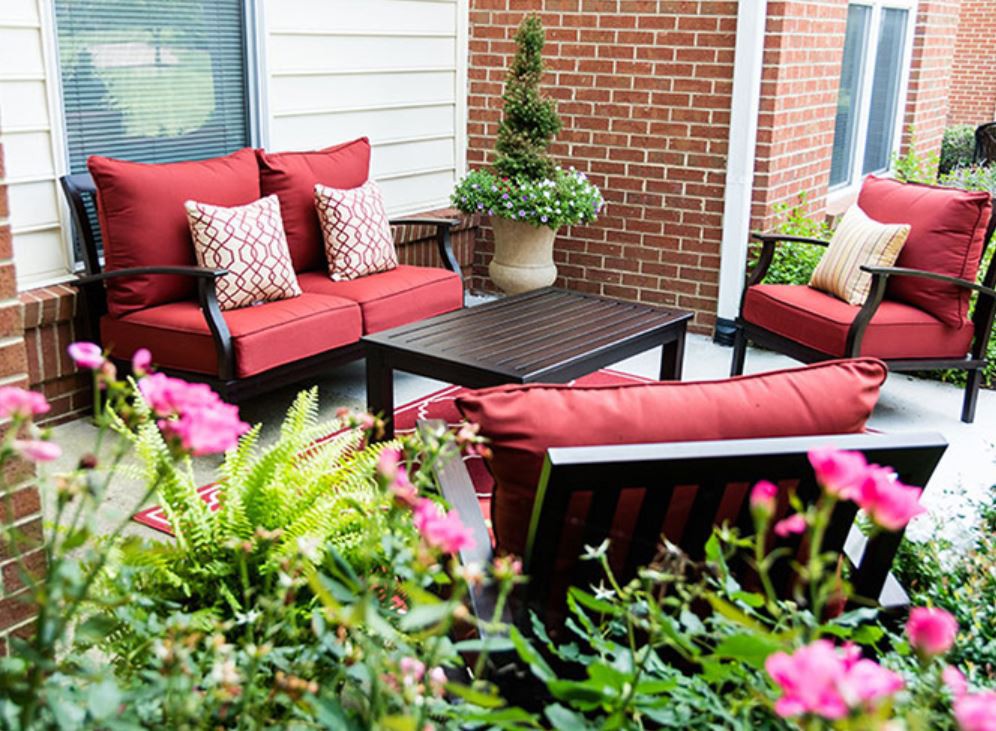
  • Outdoor common areas Outdoor common areasOutdoor common areas are important for seniors as they provide a space for socialization, physical activity, and relaxation. Being outside in nature can improve mood and overall well-being, while also encouraging movement and engagement with others. These spaces can help combat feelings of isolation and promote a sense of community among residents.
  • Outdoor space Outdoor spaceOutdoor spaces are important for seniors as they provide opportunities for physical activity, social interaction, exposure to natural light and fresh air, and a sense of connection to nature. Having access to outdoor spaces can improve overall well-being and quality of life for older adults living in senior communities.
  • Private bathrooms Private bathroomsPrivate bathrooms are important for seniors in senior living communities because they provide independence, dignity, and comfort. Having a private bathroom allows seniors to maintain their personal hygiene routines without the need for assistance, promoting a sense of autonomy and privacy. Additionally, private bathrooms help prevent the spread of infections and provide a safe and clean environment for seniors to navigate safely.
  • Respite or short term stays offered Respite or short term stays offeredRespite or short term stays provide seniors with a temporary solution when their regular caregiver is unavailable, offering them the opportunity to receive additional care and support during times of need, while also giving caregivers a chance to rest and recharge.
  • Wheelchair accessible showers Wheelchair accessible showersWheelchair accessible showers are crucial for seniors as they provide a safe and independent bathing option for those with mobility challenges. These showers help prevent falls and allow seniors to maintain their dignity and autonomy while ensuring they can bathe comfortably.
  • Wi-Fi/high-speed internet available Wi-Fi/high-speed internet availableWi-Fi/high-speed internet is important for seniors to stay connected with loved ones, access online resources, and participate in virtual activities to combat feelings of loneliness and isolation. It also allows them to easily manage healthcare needs, access entertainment, and engage in lifelong learning opportunities.

Transportation

  • Norfolk International (24 miles away) Norfolk International (24 miles away)
  • Newport News Williamsburg International (25 miles away) Newport News Williamsburg International (25 miles away)
  • Community operated transportation Community operated transportationCommunity operated transportation is crucial for seniors as it provides them with the means to access essential services, social activities, and medical appointments. It allows seniors to maintain their independence and quality of life by ensuring they can participate in activities outside of their homes. Additionally, community-operated transportation services offer a safe and reliable way for seniors to travel without having to rely on family or friends for assistance.
  • Transportation arrangement Transportation arrangementTransportation arrangements are crucial for seniors as they may face challenges with driving, mobility, or access to public transportation. Having reliable transportation services ensures that seniors can easily attend appointments, social activities, and maintain their independence and quality of life.
  • Transportation arrangement (non-medical) Transportation arrangement (non-medical)Transportation arrangements are essential for seniors as they provide access to essential services, activities, and social interactions outside the home. This service helps maintain independence, mobility, and overall well-being for seniors who may have limited transportation options.

Care Services

  • 24-hour call system 24-hour call system24-hour call systems are important for seniors because they provide peace of mind and immediate assistance in case of emergencies. This technology ensures that help is always available, promoting safety and security for elderly individuals living alone or in assisted living facilities.
  • 24-hour supervision 24-hour supervision24-hour supervision is important for seniors to ensure their safety, well-being, and access to immediate assistance in case of emergencies or health issues. This constant support provides peace of mind for both seniors and their loved ones, allowing them to age in place with dignity and security.
  • Activities of daily living assistance Activities of daily living assistanceActivities of daily living assistance are important for seniors because they provide essential support with tasks such as eating, bathing, dressing, and mobility. This assistance helps seniors maintain their independence, dignity, and overall quality of life as they age.
  • Ambulatory care Ambulatory care"Ambulatory care services provide essential medical support and treatment to seniors without requiring hospitalization, allowing them to maintain their independence and quality of life while managing chronic conditions or receiving routine medical care."
  • Assistance with bathing Assistance with bathingAssistance with bathing is crucial for seniors as it helps maintain personal hygiene, prevents infections, and ensures their overall well-being and comfort. It also provides a sense of dignity and independence for seniors who may struggle with this task on their own.
  • Assistance with dressing Assistance with dressingAssistance with dressing is important for seniors because it helps maintain their independence, promotes personal hygiene, prevents accidents and injuries, and improves overall quality of life. This service ensures that seniors can continue to dress comfortably and confidently, despite any physical limitations they may have.
  • Assistance with transfers Assistance with transfersAssistance with transfers is crucial for seniors as it helps prevent falls and injuries, maintains their independence, and ensures they can safely navigate their living environment. It also provides peace of mind for both seniors and their loved ones.
  • Diabetes diet Diabetes dietA diabetes diet is crucial for seniors as it helps manage blood sugar levels, reduce risks of complications, and improve overall health and well-being. By following a balanced and nutritious diet tailored to their specific needs, seniors can better control their diabetes and enhance their quality of life.
  • Diabetic care Diabetic careDiabetic care is crucial for seniors as they are more susceptible to developing diabetes due to aging and other health conditions. Proper management of diabetes can help prevent complications such as heart disease, vision loss, and nerve damage, improving the overall quality of life for seniors in senior living communities.
  • Incontinence care Incontinence careIncontinence care is essential for seniors to maintain their dignity, hygiene, and overall quality of life. By addressing incontinence issues promptly and effectively, seniors can enjoy a sense of independence and comfort in their daily activities.
  • Meal preparation and service Meal preparation and serviceMeal preparation and service are crucial for seniors as they may have limited mobility or energy to cook nutritious meals. Having access to healthy and convenient food options can ensure they are getting the proper nutrition needed to maintain their overall health and well-being.
  • Medication management Medication managementMedication management is crucial for seniors to ensure they are taking the right medications at the correct dosages and times. This helps prevent adverse drug interactions, reduces the risk of medication errors, and promotes overall health and well-being. Proactive management also allows for adjustments as needed based on changing health conditions or new prescriptions.
  • Special dietary restrictions Special dietary restrictionsSpecial dietary restrictions are important for seniors because age-related changes in metabolism and health conditions can make it difficult for their bodies to process certain foods. By following a diet tailored to their specific needs, seniors can maintain their overall health and well-being, manage chronic conditions, and reduce the risk of complications such as malnutrition or food interactions with medications.

Dining

  • Diabetes diet Diabetes dietA diabetes diet is crucial for seniors as it helps manage blood sugar levels, reduce risks of complications, and improve overall health and well-being. By following a balanced and nutritious diet tailored to their specific needs, seniors can better control their diabetes and enhance their quality of life.
  • Meals provided Meals provided"Meals provided" are crucial for seniors in assisted living communities as it ensures they have access to nutritious, balanced meals without the stress of meal planning and preparation. This can help promote overall health and well-being for seniors who may have limited mobility or cognitive abilities.
  • Special dietary restrictions Special dietary restrictionsSpecial dietary restrictions are important for seniors because age-related changes in metabolism and health conditions can make it difficult for their bodies to process certain foods. By following a diet tailored to their specific needs, seniors can maintain their overall health and well-being, manage chronic conditions, and reduce the risk of complications such as malnutrition or food interactions with medications.
  • Vegetarian VegetarianA vegetarian diet is important for seniors because it can help lower the risk of chronic diseases, maintain a healthy weight, and provide essential nutrients needed for aging bodies. Additionally, plant-based diets are often easier on digestive systems and can contribute to overall well-being in older adults.

Activities

  • Activities off-site Activities off-siteEngaging in off-site activities is crucial for seniors to maintain social connections, stay active, and stimulate their minds. It promotes overall well-being and helps combat feelings of isolation and loneliness.
  • Activities on-site Activities on-siteActivities on-site are important for seniors because they provide opportunities for socialization, mental stimulation, physical activity, and overall well-being. Engaging in activities can help seniors stay active, maintain their independence, and improve their quality of life.
  • Bible study group Bible study groupBible study groups provide seniors with a sense of community, spiritual growth, and support during their later years. It helps them stay connected to their faith, find comfort in difficult times, and build meaningful relationships with others.
  • Book club Book clubBook clubs are important for seniors because they provide socialization, intellectual stimulation, and a sense of community. They offer the opportunity to engage in meaningful discussions, share perspectives, and connect with others who share a love of reading. Book clubs can also help seniors stay mentally active and combat feelings of loneliness or isolation.
  • Bridge club Bridge clubBridge clubs are important for seniors as they provide social interaction, mental stimulation, and a sense of belonging. Engaging in the game of bridge can help improve memory, critical thinking skills, and overall cognitive function. Additionally, participating in a bridge club can combat feelings of isolation and loneliness that are common among seniors.
  • Cards / pinochle club Cards / pinochle club"Cards / pinochle club" provide social interaction, mental stimulation, and a sense of community for seniors, promoting overall well-being and reducing feelings of loneliness and isolation.
  • Choir / singing club Choir / singing clubChoirs and singing clubs provide seniors with a sense of community, purpose, and connection through music. These groups promote social interaction, cognitive stimulation, emotional well-being, and physical activity, all of which are essential for healthy aging. Singing together also brings joy and helps boost self-esteem for seniors in senior living communities.
  • Community-sponsored activities Community-sponsored activitiesCommunity-sponsored activities are important for seniors as they provide opportunities for social interaction, mental stimulation, and physical activity. These activities can help improve overall well-being, combat loneliness and isolation, and promote a sense of belonging and purpose among older adults.
  • Devotional activities offsite Devotional activities offsiteDevotional activities offsite are important for seniors because they provide social engagement, spiritual growth, and a sense of community outside of their living environment. This can improve overall well-being, mental health, and combat feelings of isolation or loneliness.
  • Devotional activities on-site Devotional activities on-siteDevotional activities on-site provide seniors with a sense of community, spiritual fulfillment, and emotional support, promoting overall well-being and a positive sense of purpose in their lives.
  • Fitness programs Fitness programsFitness programs are crucial for seniors as they help improve strength, flexibility, balance, and overall well-being. Staying active can reduce the risk of chronic diseases, improve mental health, and enhance quality of life in older adults.
  • Resident-run activities Resident-run activitiesResident-run activities are important for seniors as they encourage social interaction, creativity, and a sense of autonomy. These activities empower seniors to stay engaged and active in their community while fostering meaningful connections with their peers.
  • Scheduled daily activities Scheduled daily activitiesScheduled daily activities are important for seniors because they provide structure, socialization, mental stimulation, and physical activity. Engaging in regular activities can improve overall well-being and quality of life for seniors living in a community setting.

Description

Lake Prince Woods in Suffolk, VA, is a vibrant and welcoming assisted living community offering a range of care services and amenities to ensure the comfort and well-being of its residents. As a Continuing Care Retirement Community (CCRC), it provides various levels of care, including Independent Living, Memory Care, and round-the-clock supervision.

The community boasts an array of amenities designed to enhance the quality of life for its residents. Engaging activities are offered on-site, providing opportunities for socialization and entertainment. Residents can relax in bath tubs or take advantage of wheelchair accessible showers in their private bathrooms. A beauty salon with a beautician on-site ensures that residents can maintain their personal grooming needs in the utmost convenience. Cable or satellite TV is available to keep residents connected with the world around them.

Transportation services are provided to assist residents with getting around the community. Whether it be for devotional services off-site or simply enjoying outdoor common areas and gardens, Lake Prince Woods offers easy and convenient transportation arrangements.

Housekeeping services help maintain a clean and inviting living environment for residents, while fully furnished units provide them with comfortable accommodations. Each unit features a kitchenette for those who enjoy cooking their own meals.

For those requiring specialized care, assistance with activities of daily living is readily available. This includes help with bathing, dressing, transfers, medication management, diabetes diet support, diabetic care, incontinence care, meal preparation and service, all provided by compassionate staff members who prioritize individual needs.

Dining options at Lake Prince Woods cater to different dietary preferences and restrictions by providing nutritious meals that are both delicious and suitable for special diets such as vegetarian or other specific dietary requirements.

Residents have access to a variety of stimulating activities tailored to their interests. From bible study groups to book clubs, bridge clubs to singing choirs, there are plenty of opportunities for intellectual growth and social interaction. Fitness programs help promote physical well-being while resident-run activities encourage active participation and a sense of community. Daily activities are thoughtfully scheduled to ensure there is always something exciting happening.

Lake Prince Woods is conveniently located near several amenities, including cafes, pharmacies, physicians' offices, restaurants, places of worship, and hospitals. This allows residents easy access to essential services and the opportunity to explore their local surroundings.

In summary, Lake Prince Woods in Suffolk, VA, provides a warm and caring environment where seniors can receive personalized assistance while enjoying a fulfilling and active lifestyle. With its wide range of amenities, supportive care services, and engaging activities, this assisted living community strives to enhance the overall well-being of its residents.

Nearby Places of Interest

This part of Suffolk, Virginia offers a convenient and peaceful environment for senior living. With a variety of places of worship within close proximity, residents have access to spiritual support and community engagement. Additionally, there are several reputable physicians and pharmacies nearby, ensuring easy access to healthcare services. The presence of cafes and restaurants like Panera Bread, Starbucks, and Mason's Grill & Smokehouse provide opportunities for socializing and enjoying meals outside the home. For leisure activities, residents can visit parks such as Bennetts Creek Park or take a short drive to FunVille Playground and Cafe in Chesapeake. Overall, this area offers a blend of convenience, amenities, and recreational options suitable for seniors looking for a welcoming neighborhood to call home.

Places of Worship

  • Eastern Virginia Associates United Church of Christ (0.1 miles)
  • Liberty Biker Church (1.3 miles)
  • Southern Baptist Convention (2.1 miles)
  • Calvary Chapel (4.3 miles)
  • West End Baptist Church (4.3 miles)
  • Southern Baptist Convention (4.3 miles)
  • Southern Baptist Convention (6.4 miles)

Restaurants

  • Huddle House (1.4 miles)
  • Ruby Tuesday (2.2 miles)
  • Wendy's (2.2 miles)
  • Mason's Grill & Smokehouse (2.3 miles)
  • Hardee's (2.6 miles)
  • Sonic Drive-In (3.2 miles)
  • IHOP (3.4 miles)

Physicians

  • Cardiology Associates PC (1.9 miles)
  • Lakeview Family Medicine (2 miles)
  • Chesapeake Bay ENT - Suffolk (2 miles)
  • Persons Orthopaedic Sports Medicine & Joint Replacement Center (2.1 miles)
  • Suffolk Eye Physicians & Surgeons (2.1 miles)
  • Orthopaedic Surgery Centers (2.2 miles)
  • Virginia Orthopaedic and Spine Specialists (2.2 miles)

Pharmacies

  • Walgreens (2.2 miles)
  • Rite Aid (4 miles)
  • Walgreens (4 miles)
  • Rite Aid (4.4 miles)
  • Super Drug (4.6 miles)
  • CVS Pharmacy (7 miles)
  • Walgreens (9.9 miles)

Hospitals

  • Obici Occupational Health Services (2.3 miles)
  • Sentera Obici Sleep Disorders (2.4 miles)
  • Wilkins (4.4 miles)

Cafes

  • Panera Bread (3.4 miles)
  • Starbucks (3.5 miles)
  • Pourfavor Coffee Shop (4.2 miles)
  • Starbucks (11.6 miles)

Transportation

  • Suffolk Executive Airport (7.4 miles)

Parks

  • Bennetts Creek Park (8.8 miles)
  • FunVille Playground and Cafe Chesapeake (11.3 miles)
  • Crossings Park (11.8 miles)
  • Dunedin Park (12.4 miles)

Frequently Asked Questions

How much does it cost to live at Lake Prince Woods in Suffolk, VA?
Where is Lake Prince Woods?
Does Lake Prince Woods provide care for residents with dementia or Alzheimer's disease?
Does Lake Prince Woods allow residents to have pets?
What photos are available for Lake Prince Woods in Suffolk, Virginia?

Nearby Communities

  • Autumn Care Of Suffolk

    Autumn Care Of Suffolk

    Suffolk, VA

    4.6 from 102 reviews
     

    pro Attentive staff, clean and welcoming environment with personalized resident interactions.
  • The Commons at Centerbrooke

    The Commons at Centerbrooke

    Suffolk, VA

    4 from 12 reviews
    $1,000 to $1,070 / month

    pro Affordable 1- and 2-bedroom pricing with inclusive amenities and accessibility.

  • Home Instead - Suffolk,  VA

    Home Instead - Suffolk, VA

    Suffolk, VA


    pro Warm, caring environment with nearby medical services and amenities.

  • Accordius Health at Nans

    Accordius Health at Nans

    Suffolk, VA


    pro Small, intimate setting with full ADL support and diabetes-friendly dining.

  • Nansemond Pointe Rehabilitation and Healthcare Center

    Nansemond Pointe Rehabilitation and Healthcare Center

    Suffolk, VA

    1 from 7 reviews
    $3,930 to $4,620 / month

    pro Nurses are available and hospice care is offered, with a range of rehabilitation and healthcare services.

  • Concordia Assisted Living - Nansemond Commons

    Concordia Assisted Living - Nansemond Commons

    Suffolk, VA

    3.6 from 7 reviews
    $4,461 to $5,353 / month

    pro Clean, spacious rooms with helpful staff and engaging activities, plus effective physical therapy.

  • Moore Comfort Home Care

    Moore Comfort Home Care

    Chesapeake, VA

    4.4 from 16 reviews
    $4,695 to $6,103 / month

    pro Caring, patient caregivers with a personal touch from the owner.

  • Harmony at Harbour View

    Harmony at Harbour View

    Suffolk, VA

    4.2 from 119 reviews
    $3,220 to $5,660 / month

    pro Beautiful, clean, and well-appointed community with attentive staff and engaging activities.

  • Emily Green Shores

    Emily Green Shores

    Portsmouth, VA

    4.1 from 34 reviews
    $2,118 to $2,569 / month

    pro Warm, family-like atmosphere with attentive staff.

Related Resources

  • dementia hallucinationsDementia-Related Hallucinations: Causes, Experiences, and Practical Approaches

    Dementia, particularly Lewy body dementia, often involves hallucinations that can significantly distress both patients and caregivers due to disruptions in sensory processing and neurotransmitter imbalances. Effective management includes compassionate communication, environmental adjustments, and a multidisciplinary approach to care while addressing the emotional needs of caregivers.

  • alzheimer's factsIlluminating Insights About Alzheimer's Disease: Ten Crucial Realities

    Alzheimer’s disease is a progressive neurological disorder that significantly impacts memory and cognitive functions, accounting for 60-80% of dementia cases, with early diagnosis being crucial yet challenging. It involves brain changes like beta-amyloid plaques and tau tangles, influenced by genetic and lifestyle factors, and while there is no cure, symptom management and support for caregivers are essential.

  • list of drugs linked to dementiaA Thorough Discussion of Medications Potentially Linked to Dementia Risk

    Dementia, influenced by aging and certain medications, may be exacerbated by drug classes such as anticholinergics, benzodiazepines, and antipsychotics, which are associated with cognitive impairment. Regular medication reviews by healthcare professionals are crucial for older adults to manage risks and optimize cognitive health.