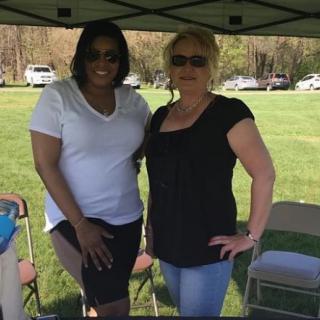
Residents and visitors repeatedly describe the staff as kind and attentive.
Many reviewers say the staff is friendly, polite, and caring, whether they are nurses, CNAs, reception, or therapy team members. Several people also mention specific staff members taking extra time to help during visits or care moments. A few negative reviews criticize professionalism or responsiveness, but even those accounts often acknowledge individual staff members trying to help.
caveat10 reviews mention this
Cleanliness and odors draw concerns
Cleanliness and odor issues come up often in the negative reviews.
Some reviewers report persistent cleanliness problems, including dirty rooms or hallways and trash or debris left behind. Multiple comments mention strong odors, including urine smell, and note insects like cockroaches or ants. There are also a few positive cleanliness remarks, but the negative accounts describe the issue as affecting the patient experience rather than a one-time oversight.
common11 reviews mention this
Activities and outings stand out
Activities are a frequent bright spot in residents’ day-to-day experiences.
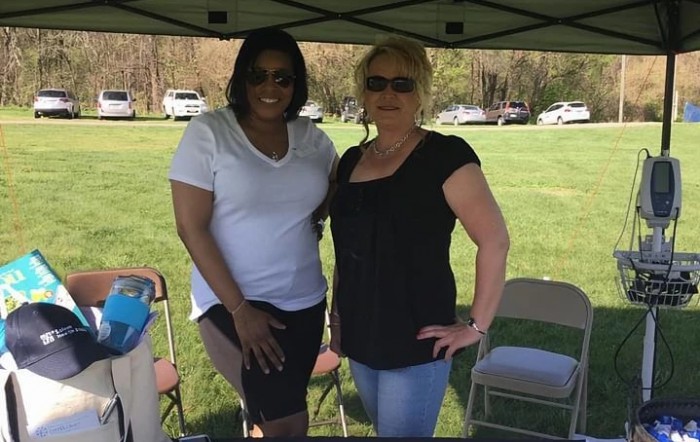
Reviewers describe regular events and activity programming, including resident activities and community-sponsored events like the chili cook-off. Several people mention that residents seem engaged and enjoy the time spent with others. A number of reviews also note outings, with some describing transportation to get residents out for shopping or other activities.
differentiator7 reviews mention this
Therapy support helps recovery
Physical and occupational therapy is repeatedly described as helpful for rehab progress.
Several reviewers credit the therapy team—especially PT/OT—with helping them regain strength, stamina, or mobility during rehab. People describe therapists as professional, kind, and focused on preparing for discharge. While a few critical reviews mention care problems, the recurring positive theme is that therapy work made a real difference in recovery for the individuals who wrote about it.
caveat3 reviews mention this
Dining is mixed
Dining feedback ranges from tasty meals to complaints about meal quality.
Some reviewers say the meals are very tasty and that staff bring snacks. Others describe food quality as mediocre or poor, and one reviewer says dietary needs were not accommodated. The community offers restaurant-style dining and supports special dietary restrictions in meal service and meal prep, which aligns with why dining becomes a point of contrast in reviews.
How we summarize
Counts show how many written reviews mention each theme; a review can touch several themes, and only frequently mentioned themes are displayed.
The guide outlines the eligibility criteria for home health care services, emphasizing clinical requirements, insurance options, and application processes. It distinguishes between Medicare's strict and Medicaid's flexible qualifications while addressing challenges families may face in securing necessary care at home.
Elder abuse affects many older adults worldwide and includes physical, emotional, neglectful, and financial harm, with about one in six individuals over 60 experiencing abuse annually. Prevention and intervention strategies focus on awareness, support for caregivers, and mandatory reporting, while recovery necessitates comprehensive support for both physical and emotional needs.
The guide details ten essential responsibilities of senior caregivers, including personal care, mobility assistance, medication management, and emotional support, while emphasizing the importance of safety, nutrition, and maintaining a safe living environment to enhance seniors' quality of life and independence.
Get PricingAsk A QuestionSchedule A TourContact Senior Advisor
By clicking submit, you agree to our Partner's Terms of Use. You
also consent to receive calls and texts, which may be autodialed, from our Partner. Your consent is not a condition to
using our Partner's service. Please visit our Partner's Privacy Policy for information about their privacy practices.





 240 resident community capacity
 Skilled Nursing Facility
 Air-conditioning
 Beauty salon
 Cable or satellite TV
 Computer center
 Dining room
 Fitness room
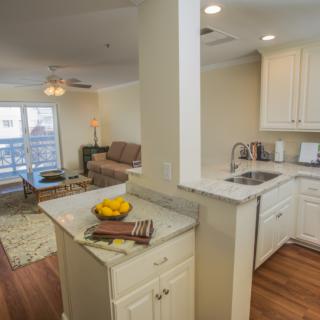
 Fully furnished
 Gaming room
 Garden
 Housekeeping services
 Kitchenette
 Move-in coordination
 Outdoor space
 Private bathrooms
 Restaurant-style dining
 Small library
 Telephone
 Wellness center
 Wi-Fi/high-speed internet available
 Roanoke Regional Woodrum (4 miles away)
 Community operated transportation
 12-16 hour nursing
 24-hour call system
 Activities of daily living assistance
 Assistance with bathing
 Assistance with dressing
 Assistance with transfers
 Diabetes diet
 Medication management
 Mental wellness program
 Special dietary restrictions
 Concierge services
 Planned day trips
 Close-knit community with convenient nearby amenities.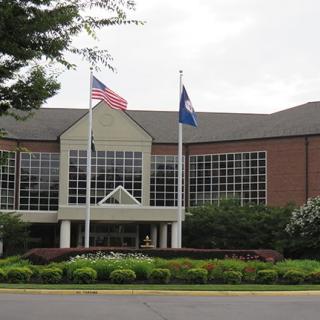




 Comprehensive Guide to Qualifying for Home Health Care Services
 Powerful Realities of Elder Abuse and the Most Effective Ways to Report It
 Ten Vital Duties of a Senior Caregiver: A Comprehensive Guide