For more information about senior living options: (866) 208-4318
4.2 from 48 reviews
5 stars
34
4 stars
4
3 stars
1
2 stars
3
1 stars
6
Overall Review of South Roanoke Nursing Home
common24 reviews mention this
Staff care and communication stand out
Many residents and families describe caring staff who stay responsive and communicative.
Across reviews, people repeatedly highlight staff members as polite, kind, compassionate, and attentive to day-to-day needs. Several also mention regular communication—sharing progress updates and addressing concerns when families call. Cleanliness is brought up alongside that care in multiple reviews, including comments about the facility feeling clean and safe. A few reviews contrast that with serious concerns about care quality and respect, so experiences are not uniform.
common6 reviews mention this
Rehab therapy and activities matter
Residents describe therapy teams and activity programming as part of what helped them make progress.
In multiple reviews, residents or families connect outcomes to therapy involvement, including physical therapy and rehab staff working with individual needs. Activities also come through as more than basic scheduling, with mentions of day trips and group gatherings such as bingo and music-focused events. One review credits the activities staff with helping a rehab resident stay involved. A separate review about room placement and support also points to staff involvement when family concerns came up.
caveat3 reviews mention this
Dining quality is mixed
Dining reviews range from negative to positive, with food being a recurring topic.
Some residents and families report strong satisfaction with the food, while others describe it in very unfavorable terms. At least one review calls the food “atrocious,” and another criticizes the dining room experience and food quality. One family also says their loved one enjoys the food. Because the comments swing in both directions, it’s worth treating dining as a variable experience rather than a guaranteed strength.
common5 reviews mention this
Rooms and facility feel vary
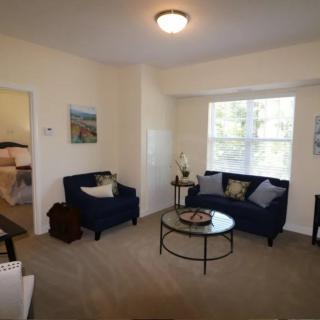
Several reviewers comment on the facility’s cleanliness, layout, and room setup.
Reviews frequently describe the building as clean, with comments about the layout and that it can feel smaller and older. Some also mention specific room features, including a private room for rehab. One review notes the absence of odors and emphasizes a clean, fresh feeling during a visit. Another review raises concerns that the facility has run down, adding an important counterpoint to the otherwise cleanliness-focused remarks.
common2 reviews mention this
Location helps with nearby options
Families may find everyday destinations within a short drive.
The immediate area includes nearby restaurants and coffee options, plus healthcare and parks listed close by. That can make it easier for families to handle errands and outings while a loved one is there. Nearby categories in particular include dining and physician offices within about a mile. This does not address what’s offered on-site, but it can support convenience for visits.
How we summarize
Counts show how many written reviews mention each theme; a review can touch several themes, and only frequently mentioned themes are displayed.
Features
Housing
98 resident community capacity
Types of Care
Skilled Nursing Facility
Amenities
Air-conditioning
Beauty salon
Cable or satellite TV
Computer center
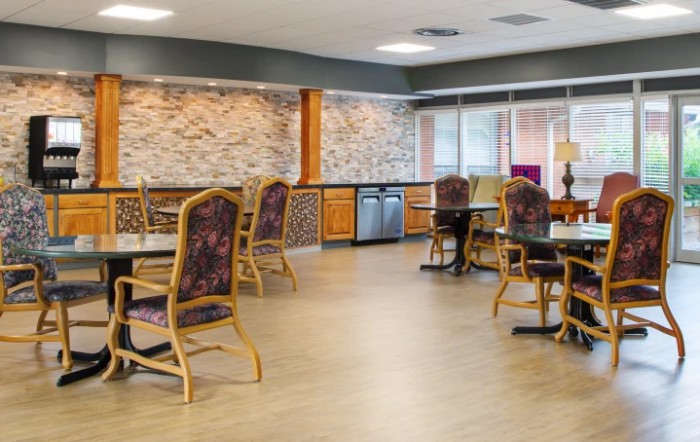
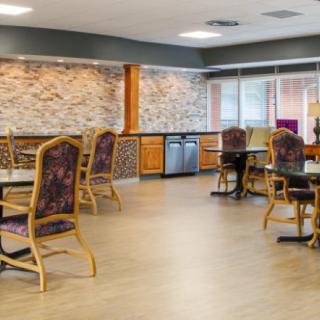
Dining room
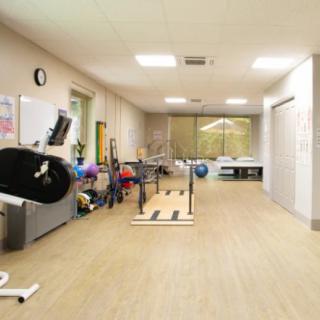
Fitness room
Fully furnished
Gaming room
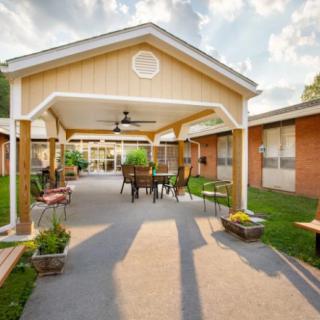
Garden
Housekeeping services
Kitchenette
Move-in coordination
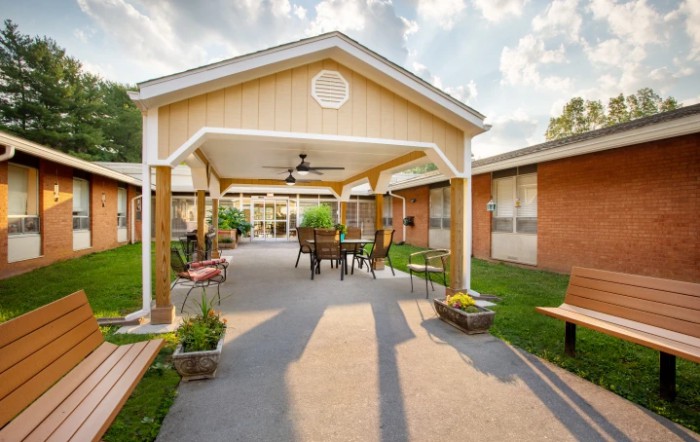
Outdoor space
Private bathrooms
Restaurant-style dining
Small library
Telephone
Wellness center
Wi-Fi/high-speed internet available
Transportation
Roanoke Regional Woodrum (6 miles away)
Community operated transportation
Transportation arrangement
Transportation arrangement (non-medical)
Transportation to doctors appointments
Care Services
12-16 hour nursing
24-hour call system
24-hour supervision
Activities of daily living assistance
Assistance with bathing
Assistance with dressing
Assistance with transfers
Diabetes diet
Meal preparation and service
Medication management
Mental wellness program
Special dietary restrictions
Dining
Diabetes diet
Special dietary restrictions
Activities
Community-sponsored activities
Concierge services
Fitness programs
Planned day trips
Resident-run activities
Scheduled daily activities
Videos
Nearby Places of Interest
Restaurants
Montano's International Gourmet (0.1 miles)
Chicken Salad Chick (0.3 miles)
Red Lobster (0.3 miles)
Wendy's (0.3 miles)
IHOP (0.4 miles)
Five Guys Burgers & Fries (0.4 miles)
Macado's (0.5 miles)
Theaters
AMC CLASSIC Roanoke 1 (0.2 miles)
Transportation
Enterprise Rent-A-Car (0.3 miles)
Physicians
Vistar Eye Center (0.6 miles)
Kelly Peter F, Dpm - Roanoke Foot And Ankle (0.7 miles)
Southwest Medical Clinic (0.8 miles)
Roanoke Family Medicine (0.8 miles)
Whitney Iii, William P, Md - Carilion Family Med-Colonial (0.9 miles)
Physician Associates Of Virginia, PC (0.9 miles)
Internal Medicine Associates of Roanoke (0.9 miles)
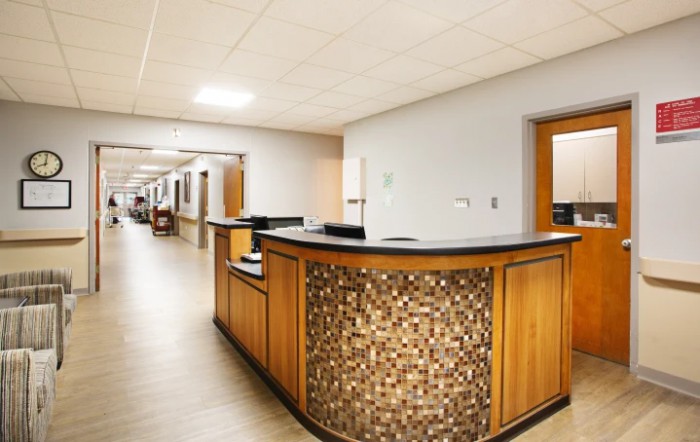
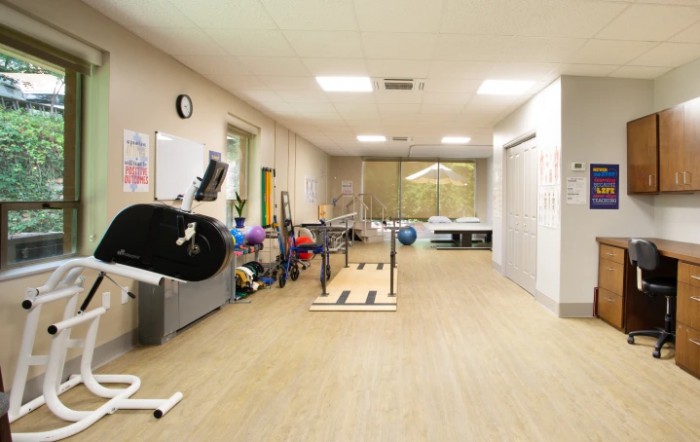
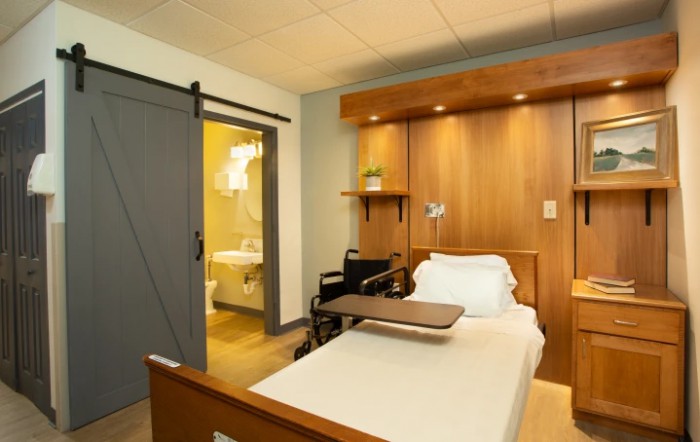
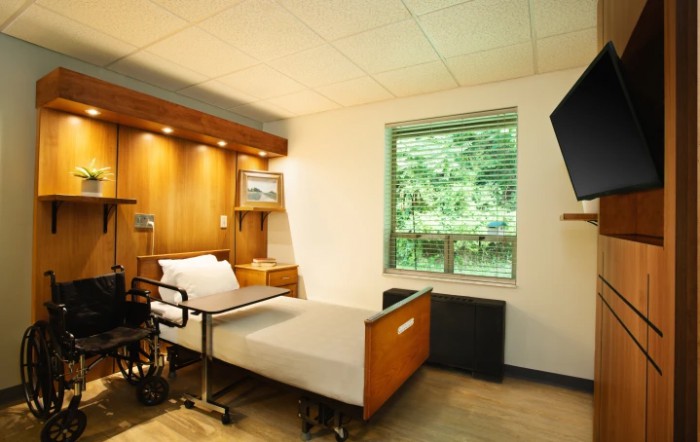
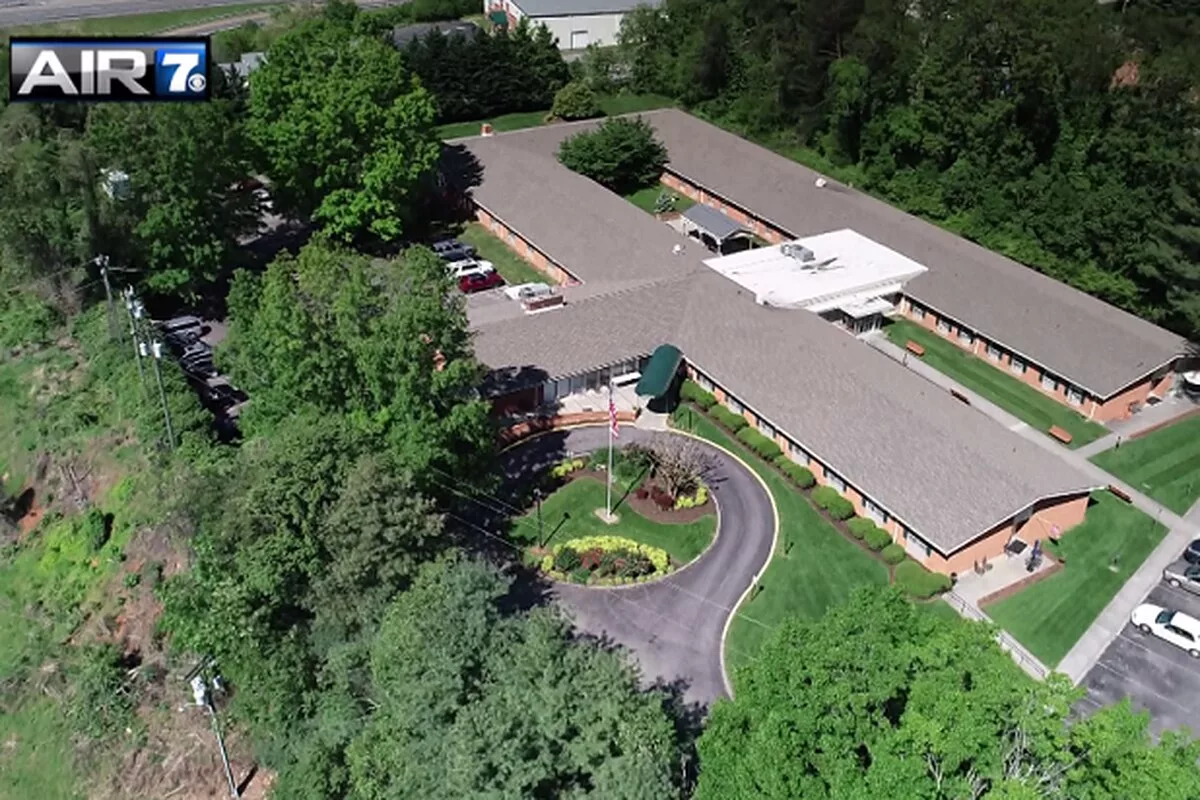
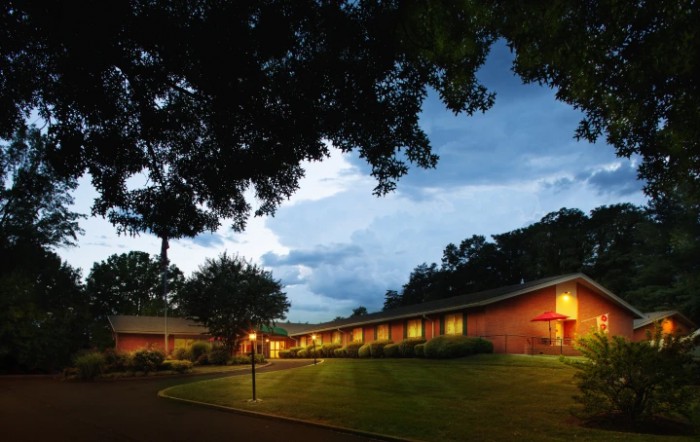
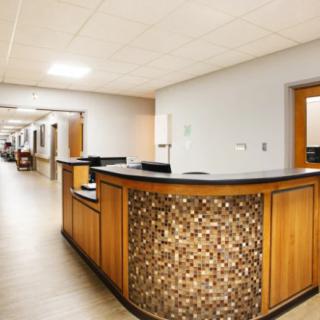
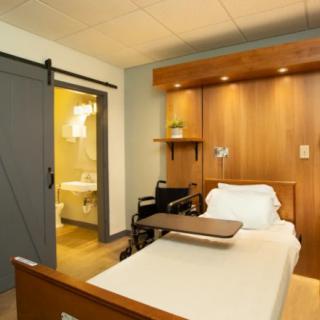
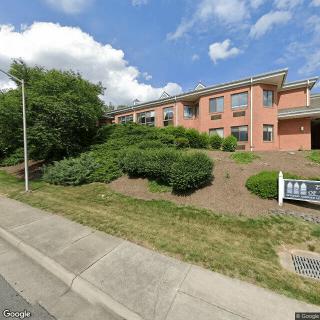
South Roanoke Nursing Home on seniors.fyi includes 10 photos including images showing interior, landscaping, building, trees, wheelchair, healthcare, dining, hallway, and more.
Nearby Communities
Holiday Elm Park Estates
Roanoke, VA
4.6 from 120 reviews
$2,209 to $2,959 / month
Friendly, attentive staff in a welcoming community with engaging activities and quality dining.
Woodland Hills Independent Living Assisted Living & Memory Care
Roanoke, VA
4.8 from 102 reviews
Convenient on-site amenities (beauty salon, restaurant-style dining) plus transportation and wellness programs.
The Harmony Collection At Roanoke Assisted Living
Roanoke, VA
4.2 from 65 reviews
$3,605 to $5,285 / month
Spacious, well-equipped apartments with restaurant-style dining and a lively activity lineup.
The Harmony Collection at Roanoke Memory Care
Roanoke, VA
3.8 from 34 reviews
Clean, well-maintained facility with engaging activities and friendly staff.
The Harmony Collection at Roanoke - Memory Care
Roanoke, VA
3.6 from 44 reviews
$5,205 to $6,725 / month
Clean facility with dementia-trained staff and on-site therapists.
The Crossings At Pheasant Ridge
Roanoke, VA
Specialized diabetic care with on-site activities
TerraBella Pheasant Ridge
Roanoke, VA
4 from 86 reviews
$2,800 to $4,000 / month
Attentive staff, clean facilities, and engaging activities.
The Park Oak Grove
Roanoke, VA
4.7 from 53 reviews
$3,525 to $4,050 / month
Friendly staff, quality meals, clean environment, and spacious apartments.
Our Lady of the Valley
Roanoke, VA
4.1 from 49 reviews
$1,837 to $6,039 / month
Clean, well-maintained facility with friendly staff and engaging activities.
Palliative care enhances the quality of life for seriously ill patients by providing comprehensive support at home through a multidisciplinary team, addressing various needs and prioritizing comfort over curative treatments. While it offers personalized care and involves family in decision-making, challenges like caregiver stress and logistical issues persist, with growing demand prompting advancements in technology and healthcare policies to improve access.
Palliative home care focuses on improving the quality of life for individuals with serious illnesses by providing comfort, symptom management, and emotional support in their own homes. This approach includes personalized care plans, regular assessments, and resources for family caregivers, all while prioritizing person-centered treatment that aligns with patients' goals.
Skilled nursing facilities (SNFs) provide high-level medical care and rehabilitation for short-term recovery, typically covered by Medicare after hospitalization, while nursing homes focus on ongoing custodial care for chronic conditions, mainly funded by Medicaid or private payments. The staffing and regulatory structures differ significantly between the two, necessitating clarity for families in choosing appropriate long-term care options.
Exercise Equipment, Gym, Fitness, and Workout Space
Healthcare and Wheelchair
Parking, Aerial View, and Road
Hallway
Lights
Doors
Reception Desk
Get PricingAsk A QuestionSchedule A TourContact Senior Advisor
By clicking submit, you agree to our Partner's Terms of Use. You
also consent to receive calls and texts, which may be autodialed, from our Partner. Your consent is not a condition to
using our Partner's service. Please visit our Partner's Privacy Policy for information about their privacy practices.







 98 resident community capacity
 Skilled Nursing Facility
 Air-conditioning
 Beauty salon
 Cable or satellite TV
 Computer center
 Dining room
 Fitness room
 Fully furnished
 Gaming room
 Garden
 Housekeeping services
 Kitchenette
 Move-in coordination
 Outdoor space
 Private bathrooms
 Restaurant-style dining
 Small library
 Telephone
 Wellness center
 Wi-Fi/high-speed internet available
 Roanoke Regional Woodrum (6 miles away)
 Community operated transportation
 12-16 hour nursing
 24-hour call system
 Activities of daily living assistance
 Assistance with bathing
 Assistance with dressing
 Assistance with transfers
 Diabetes diet
 Medication management
 Mental wellness program
 Special dietary restrictions
 Concierge services
 Planned day trips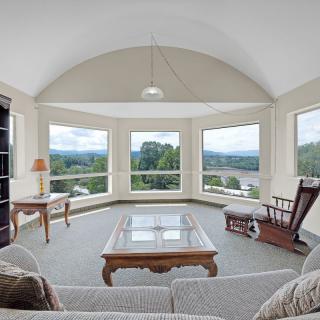
 Friendly, attentive staff in a welcoming community with engaging activities and quality dining.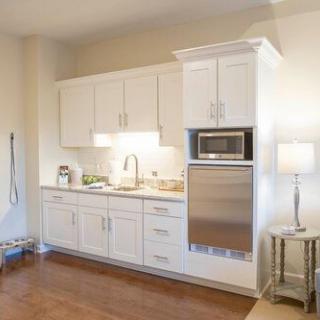




 Exploring Palliative Care in the Home: A Comprehensive Overview
 Comprehensive Insights into Palliative Home Care: What It Is and What to Expect
 Skilled Nursing Facilities vs. Nursing Homes: Making Sense of the Differences