The Harmony Collection at Roanoke Memory Care

Save

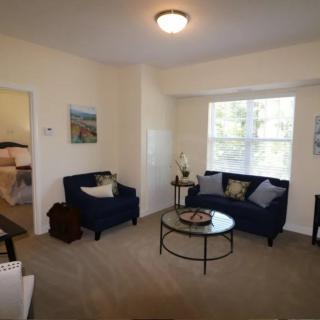
  • Interior

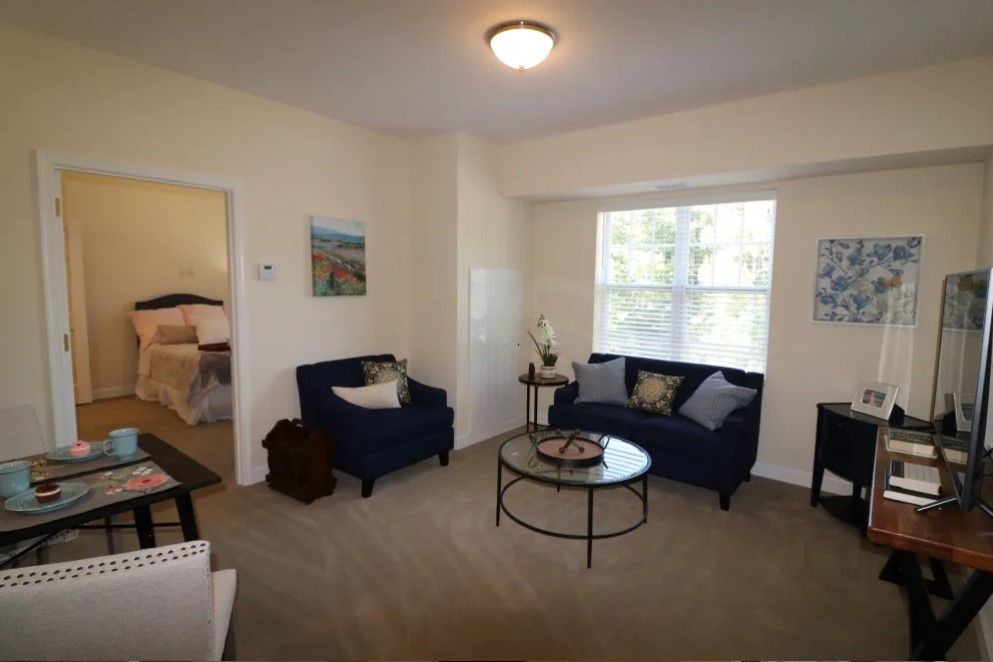
    A cozy living room with blue armchairs, a sofa, and a round coffee table near a bright window.
  • Decor

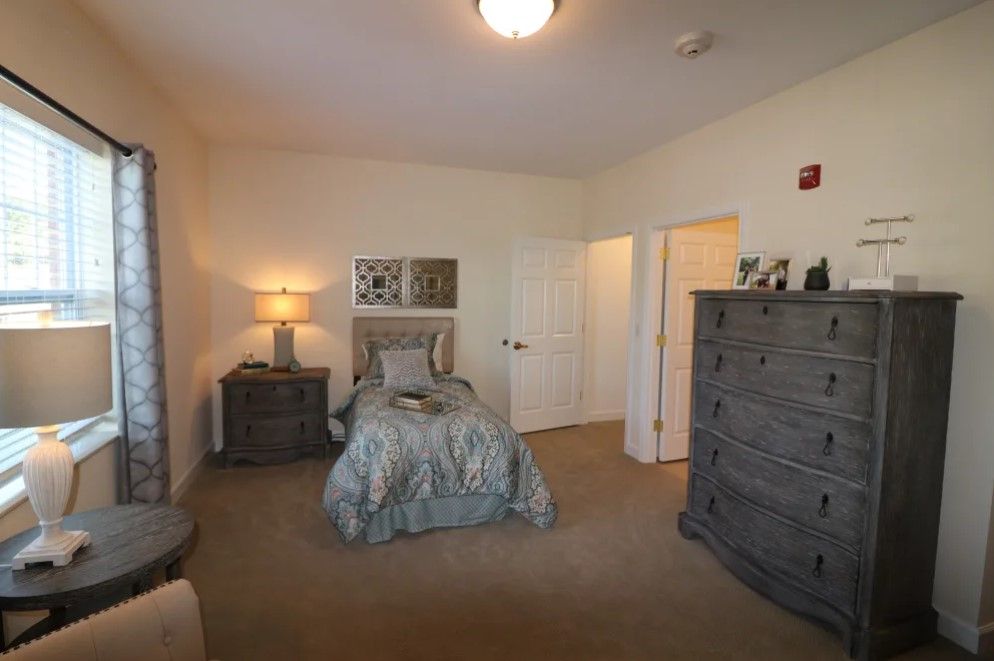
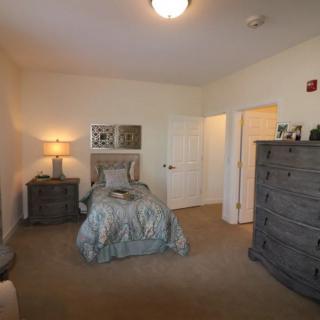
    A cozy bedroom with a neatly made bed, wooden dresser, and soft lighting.
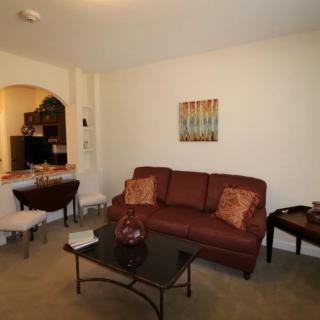
  • Living Room

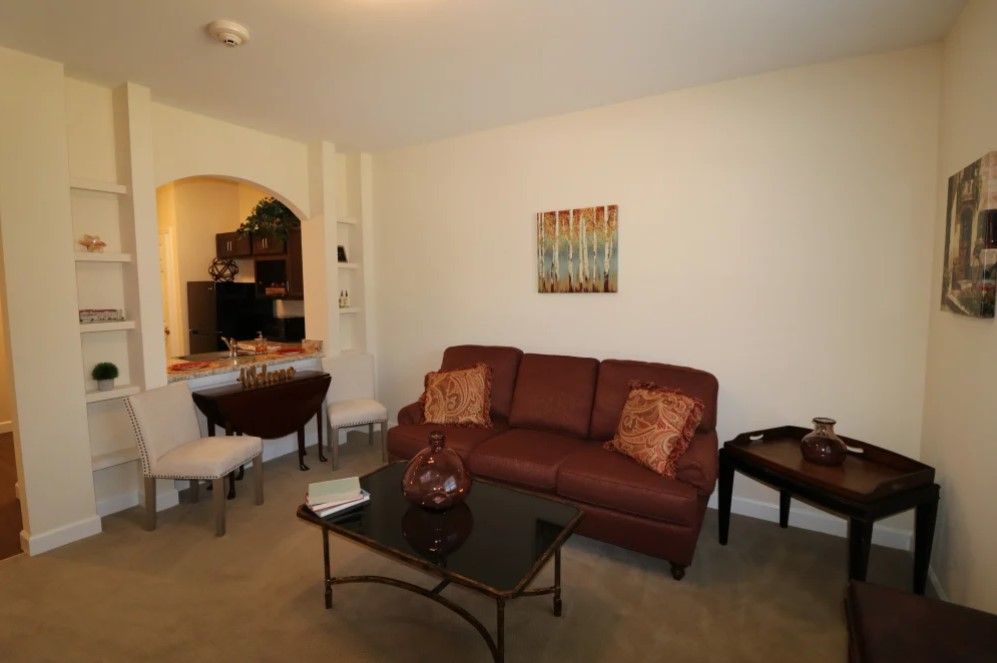
    A cozy living room with a brown sofa, coffee table, and a small dining area in the background.
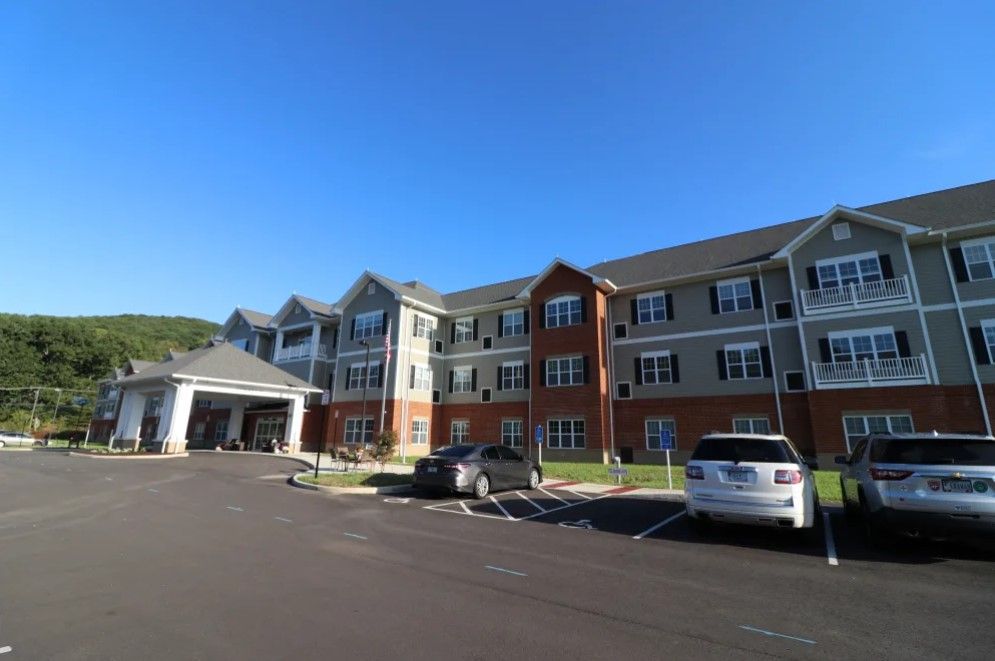
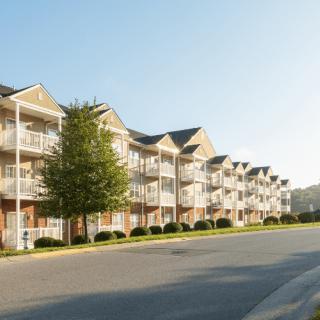
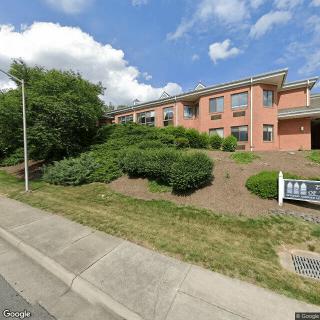
  • Building

    A residential building with a parking lot and cars under a clear blue sky.
  • Windows

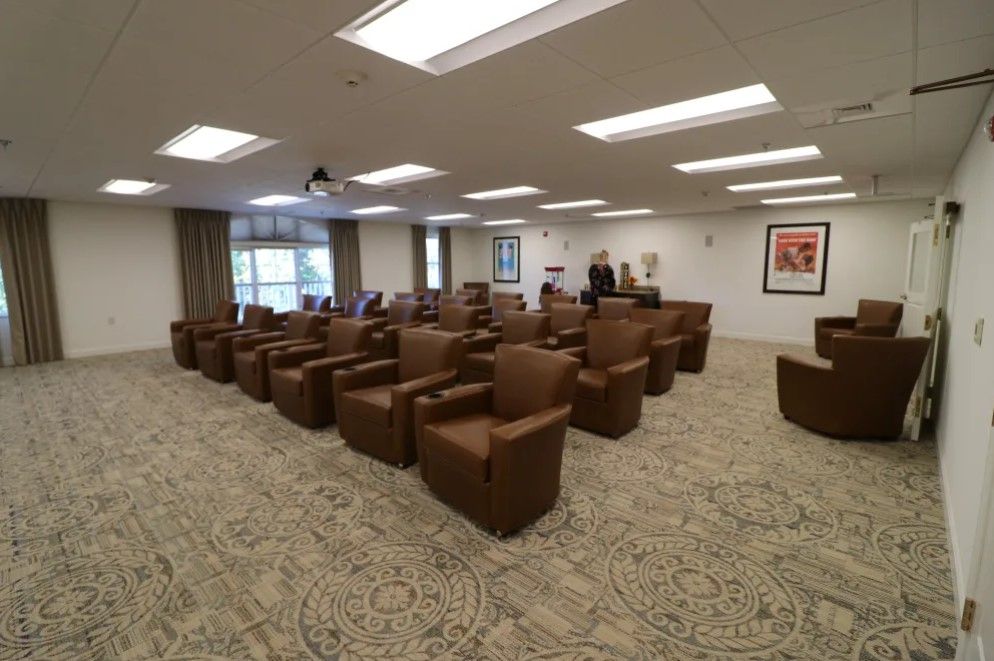
    A spacious conference room with brown chairs arranged in rows, well-lit by overhead lights, and featuring large windows on one side.
  • Dining

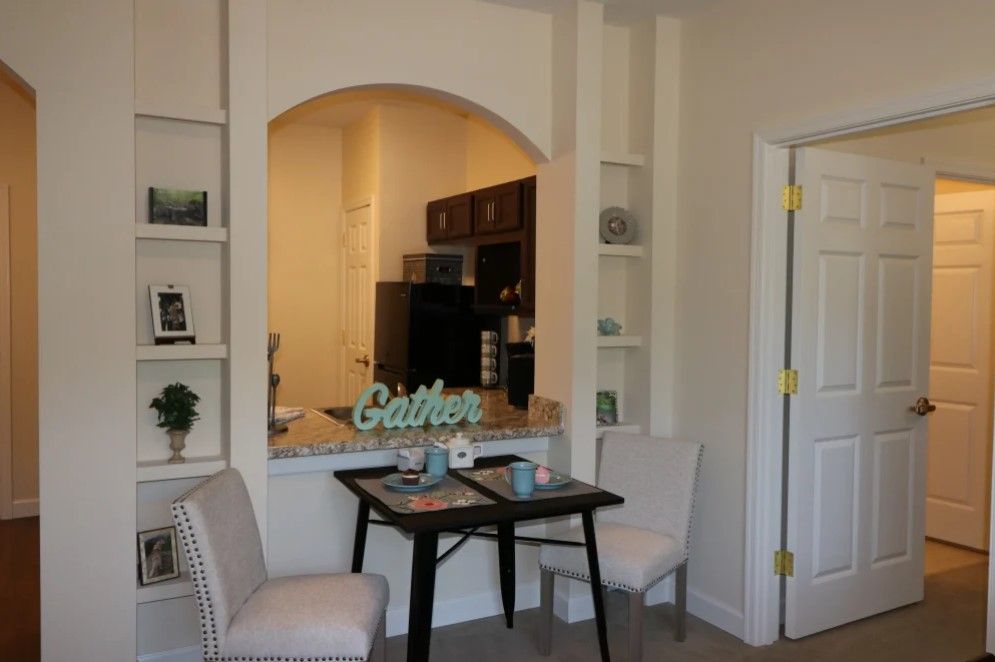
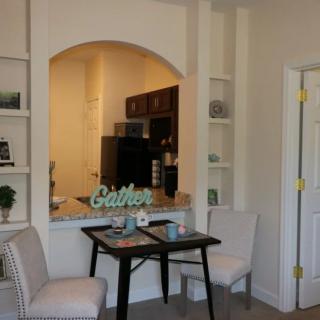
    A cozy dining nook with two chairs and a table situated near an open kitchen.
  • Artwork

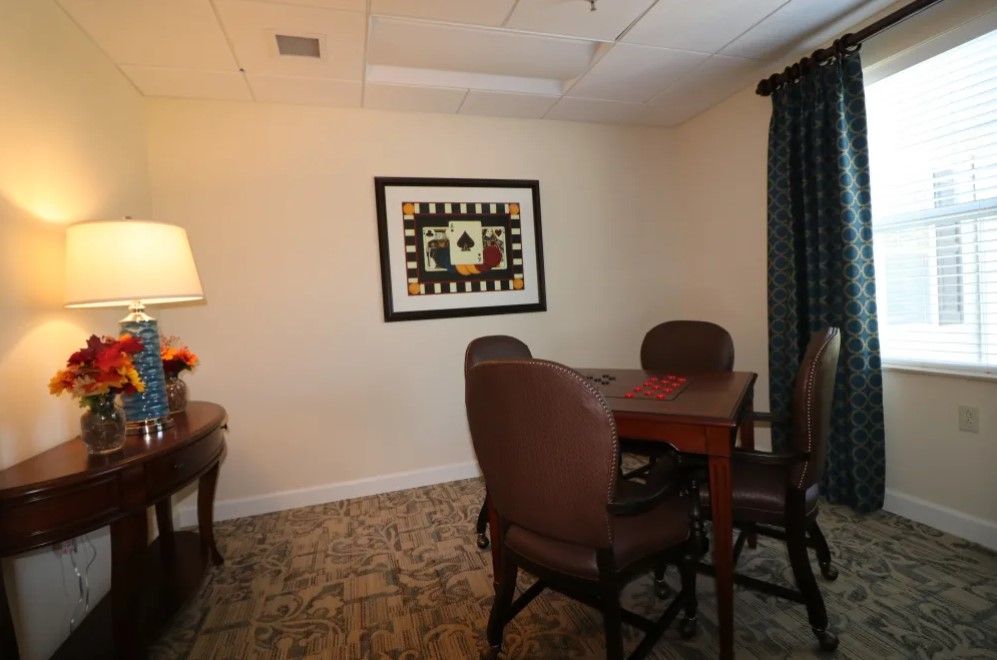
    A small meeting room with a table, chairs, and artwork on the wall.
  • Bookshelves

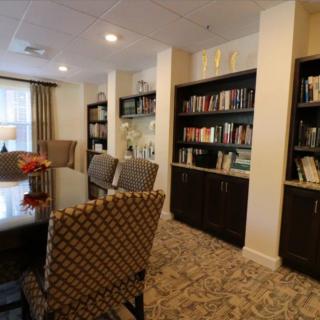
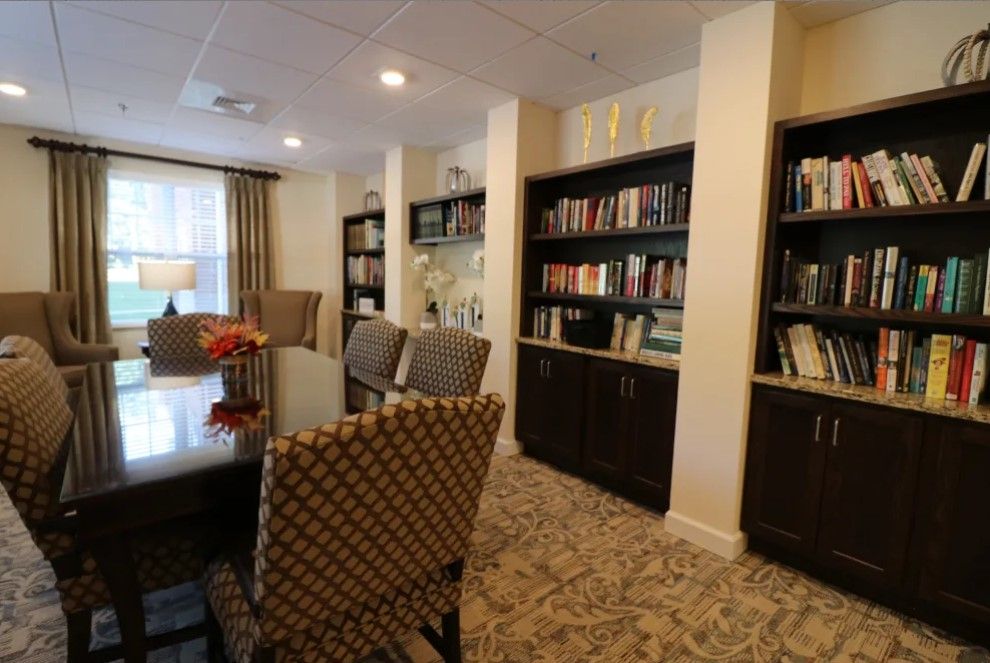
    A cozy library space with bookshelves, a table, and chairs for reading.
  • Piano

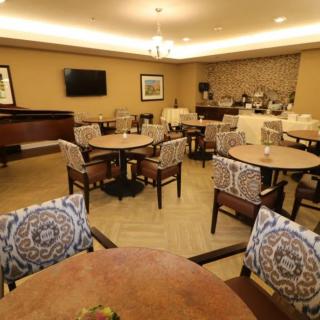
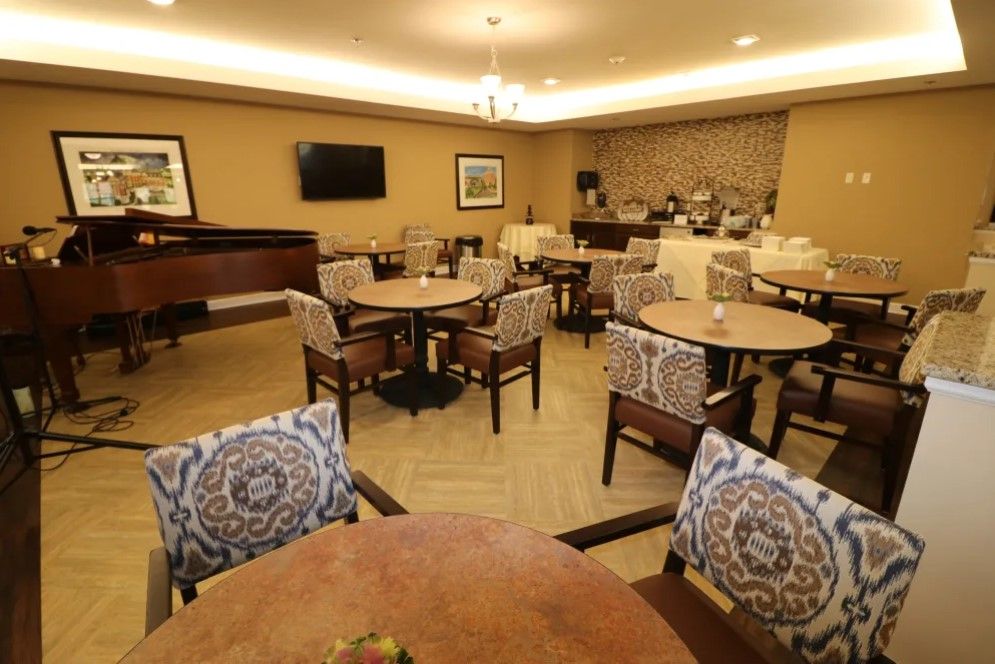
    A cozy dining area with tables, chairs, a piano, and a buffet setup.
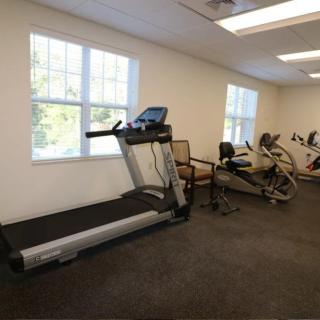
  • Exercise Equipment

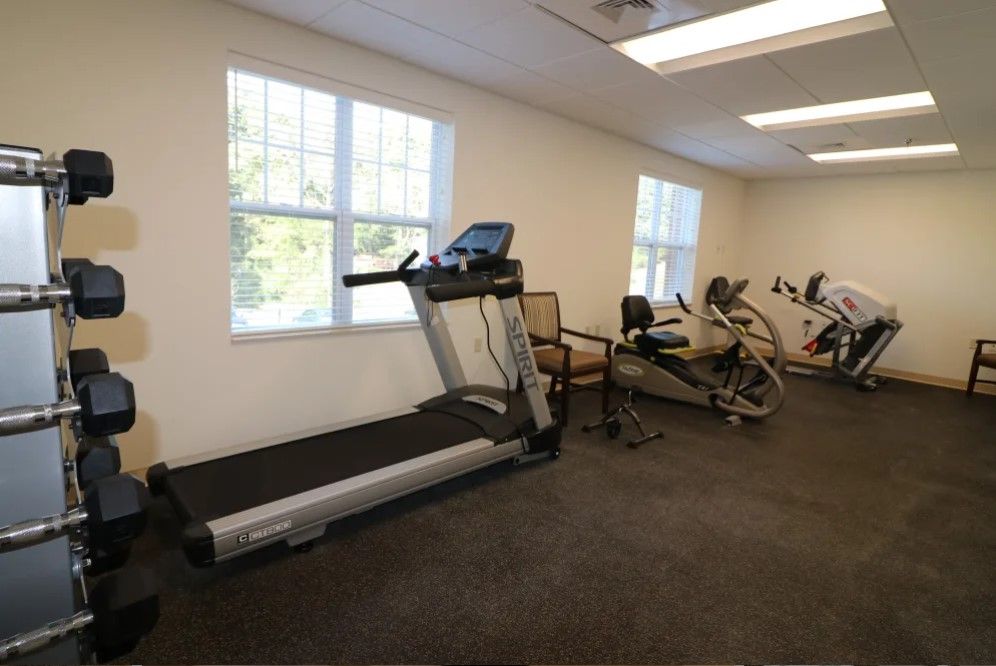
    A room featuring fitness equipment, including a treadmill and exercise bikes.

The Harmony Collection at Roanoke Memory Care

4414 Pheasant Ridge Road, Roanoke, VA 24014

For more information about senior living options: (844) 490-3973

3.8 from 29 reviews
5 stars
19
4 stars
1
3 stars
0
2 stars
1
1 stars
8

Assisted Living Memory Care

Overall Review of The Harmony Collection at Roanoke Memory Care

Pros

  • pro The Harmony Collection at Roanoke - Memory Care is described as bringing a loved one back to life and giving families time to make memories.
  • pro Families express gratitude and say they will never forget what Harmony gave them.
  • pro The staff are helpful and attentive, and managers go above and beyond for residents.
  • pro The facility is described as new, clean, pleasant, with friendly staff and welcoming spaces like a library and theater.
  • pro It feels like a true home, with staff who greet residents by name and respond promptly and kindly to needs.
  • pro There is a strong team approach, with on-site therapists and regular visits from doctors and nurses.
  • pro The atmosphere is peaceful, with smiling caregivers, restaurant-style meals, and daily activities.
  • pro Residents can engage in a variety of activities and enjoy well-designed common areas and spaces.
  • pro Families gain peace of mind knowing their loved ones are safe, happy, and well cared for.
  • pro The management, including Margaret, is noted as fantastic and very helpful during transitions.

Cons

  • pro The reviews describe the facility as terrifying, filthy, scary, and an unforgiving place to die, with patients left wandering unsupervised.
  • pro There is no activities or exercise, medications are not administered or are given incorrectly, and the staff is severely understaffed.
  • pro The administration is characterized as feckless and cruel, showing no regard for patients, with laundry mishandled and dirty sheets left for weeks.
  • pro The air is described as unfit to breathe on days when visitors come, implying unsafe environmental conditions.
  • pro Basic care is not being performed: residents have rashes from prolonged exposure to mess, rooms are not kept clean, and showers are not provided.
  • pro Communication with management is poor; administrators are unapproachable and medical staff are hard to reach or do not respond to concerns.
  • pro Families report not being notified about emergencies or hospitalizations, and there are billing errors or charges after a resident leaves.
  • pro Several reviews allege dishonest, sales-driven behavior with promises not kept and misleading information about care quality.

Review

The Harmony Collection at Roanoke Memory Care is best suited for families seeking an engaging, campus-style memory-care environment where residents can access on-site therapy, restaurant-style dining, and a structured mix of activities. The community's three-building layout, film theater, library, and town-center vibe create a sense of immersion that appeals to those who want social interaction, visible staff engagement, and a tone of everyday normalcy for a memory-impaired loved one. It is particularly appealing to families prioritizing a robust activity calendar, convenient access to physical, occupational, and speech therapy, and a facility that feels both welcoming and secure. This is not the choice for those who demand flawless day-to-day operations and unwavering consistency in every clinical touchpoint.

Alternatives should be considered for families who cannot tolerate repeated concerns about cleanliness, communication gaps, or medical responsiveness. Several reviews flag serious operational flaws - undercare, missed or mishandled medications, laundry failures, and odors - that undermine the otherwise appealing ambiance. If a loved one requires near-perfect hygiene, punctual medical interventions, and consistently proactive administration, exploring other options with stronger, more transparent reporting and higher staffing ratios is prudent. While the setting can feel inviting, these red flags make permanence uncertain for families who value airtight reliability.

The strongest pros orbit around staff warmth, program breadth, and the care-team model. Families repeatedly praise compassionate, attentive staff who greet residents by name, the presence of on-site therapists, and a care culture that emphasizes relationship-building. Positive experiences describe transitions well managed by engaged managers, with meals and social activities presented in a way that resembles a welcoming community rather than a clinical orbit. The theater, library, and other amenities, paired with a clearly structured daily rhythm, support meaningful engagement and can yield genuine reassurance for families navigating memory decline at home.

Yet the robust pros do not fully offset the most troubling cons. The most troubling themes center on understaffing and inconsistent care, with reports of missed or delayed medical attention, difficulties coordinating labs, and lapses in basic hygiene and laundry. Multiple families recount urgent needs going unmet, or being met only after intervention from outside parties, which can undermine trust during a precarious transition. Underpinning these issues are communication gaps - families report difficulty obtaining timely updates or clear points of contact - which compounds anxiety when a loved one's health status suddenly shifts. When these elements surface, even an otherwise appealing campus and activity slate cannot fully compensate.

This suggests a clear decision fork. For families who can tolerate some operational friction in exchange for a lively environment, accessible therapies, and a strong sense of community, Harmony can be a good fit - provided proactive due diligence is conducted: tour multiple times, meet the executive director, review care plans and incident logs, and probe staff-to-resident ratios and training credentials. For those whose priority is consistently pristine hygiene, reliable, immediate medical responses, and meticulous administrative accountability, it may be wiser to compare with facilities that demonstrate stronger performance on these fronts in independent reviews and state inspections. The choice hinges on balancing the value of an active, therapy-rich setting against the reality of reported care and communication gaps.

In the end, Harmony Memory Care offers substantial upside for families prioritizing engagement, on-site therapy access, and a residence-within-a-resident-community feel. It is not a one-size-fits-all solution: the decision should weigh the clear strengths - attentive staff, meaningful activities, and a well-equipped campus - against persistent concerns around cleanliness, medical responsiveness, and administrative reliability. Prospective residents' families should enter with explicit expectations, a clear plan for ongoing oversight, and a willingness to switch course if care quality slips. For those who tolerate some risk in exchange for a vibrant, connected environment, Harmony can fulfill a meaningful need; for those needing consistently flawless operations, alternatives deserve careful, careful comparison.

Features

Housing

  • 64 resident community capacity 64 resident community capacity
  • Studio apartments Studio apartmentsStudio apartments are important for seniors because they offer a smaller, more manageable living space that is easier to navigate and maintain as physical abilities decline. Additionally, studio apartments provide seniors with independence and privacy while still being part of a community that offers support and social opportunities.

Types of Care

  • Assisted Living Assisted LivingAssisted living facilities provide crucial support and care for seniors who may need help with daily tasks such as medication management, bathing, and meal preparation. These communities offer a safe and comfortable environment where seniors can maintain their independence while receiving the assistance they need to thrive in their golden years.
  • Memory Care Memory CareMemory care is crucial for seniors as it provides specialized support and services for individuals with dementia or Alzheimer's disease. These programs offer a safe and secure environment where residents receive personalized care, cognitive stimulation, and help with daily activities. Memory care helps seniors maintain their independence, quality of life, and dignity while also providing peace of mind for their families.

Amenities

  • Air-conditioning Air-conditioningAir conditioning is important for seniors as they are more vulnerable to heat-related illnesses and may have underlying health conditions that make it difficult for them to regulate their body temperature. It helps to keep them comfortable, safe, and healthy in hot weather.
  • Beauty salon Beauty salonBeauty salons are important for seniors because they provide a space for them to feel pampered, socialize, and maintain their personal grooming and hygiene. Regular visits to a beauty salon can help boost seniors' self-esteem and overall well-being.
  • Cable or satellite TV Cable or satellite TVCable or satellite TV is important for seniors because it provides entertainment, news, and companionship, helping to combat loneliness and boredom. It also offers a wide range of programming options tailored to different interests and preferences.
  • Computer center Computer centerA computer center is essential for seniors as it provides access to technology, communication tools, and resources that can enhance their daily lives. It allows them to stay connected with loved ones, engage in online activities, and learn new skills, ultimately promoting socialization and mental stimulation.
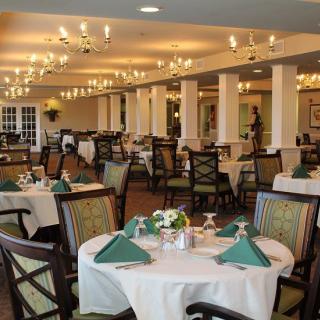
  • Dining room Dining roomDining rooms are important for seniors as they provide a space for socialization, connection, and nutritious meals. They offer opportunities for residents to bond over shared meals, foster a sense of community, and promote healthy eating habits. Dining rooms also ensure that seniors have access to well-balanced meals tailored to their dietary needs and preferences.
  • Fitness room Fitness roomHaving a fitness room in a senior living community is essential for seniors to stay active, maintain their physical health, and improve their overall well-being. Regular exercise can help prevent falls, reduce the risk of chronic diseases, and promote mental sharpness. It also provides social opportunities for residents to connect with others and enjoy a sense of community.
  • Fully furnished Fully furnishedFully furnished senior living communities are important for seniors because they provide convenience, comfort, and a hassle-free moving experience. Seniors can easily settle into their new living space without the stress of having to buy and move furniture. This allows them to focus on enjoying their new home and community.
  • Gaming room Gaming roomGaming rooms are important for seniors as they provide a fun and engaging environment for socializing, cognitive stimulation, and physical activity. Games can improve memory, problem-solving skills, and overall mental well-being while fostering friendships and reducing feelings of isolation.
  • Garden GardenGardens are important for seniors as they provide a peaceful and therapeutic environment for relaxation, physical activity, and socialization. Being in nature has been shown to reduce stress, improve mood, and promote overall well-being. Gardens also offer opportunities for seniors to engage in gardening activities, which can improve mobility, flexibility, and cognitive function. Additionally, gardens create a sense of community and connection with others who share a passion for plants and outdoor spaces.
  • Housekeeping services Housekeeping servicesHousekeeping services are important for seniors because they help maintain a clean and safe living environment, promote independence, and reduce the risk of accidents or illnesses. Additionally, having assistance with household chores can alleviate physical strain and allow seniors to focus on other aspects of their well-being.
  • Kitchenette KitchenetteKitchenettes are important for seniors living in senior living communities because they provide the convenience and independence of being able to prepare simple meals and snacks in the comfort of their own living space. This can help promote a sense of autonomy and well-being for seniors, allowing them to maintain some level of control over their dietary choices and daily routines.
  • Move-in coordination Move-in coordinationMove-in coordination is important for seniors because it helps ease the transition into their new living environment. It ensures that all logistics, such as packing, organizing movers, and setting up utilities are taken care of, allowing seniors to focus on settling in and adjusting to their new home. Having a smooth move-in process can alleviate stress and anxiety, making the transition smoother and more enjoyable for seniors.
  • Outdoor space Outdoor spaceOutdoor spaces are important for seniors as they provide opportunities for physical activity, social interaction, exposure to natural light and fresh air, and a sense of connection to nature. Having access to outdoor spaces can improve overall well-being and quality of life for older adults living in senior communities.
  • Private bathrooms Private bathroomsPrivate bathrooms are important for seniors in senior living communities because they provide independence, dignity, and comfort. Having a private bathroom allows seniors to maintain their personal hygiene routines without the need for assistance, promoting a sense of autonomy and privacy. Additionally, private bathrooms help prevent the spread of infections and provide a safe and clean environment for seniors to navigate safely.
  • Restaurant-style dining Restaurant-style diningRestaurant-style dining is important for seniors because it allows them to enjoy delicious, nutritious meals in a social and upscale setting. This enhances their dining experience, promotes healthy eating habits, and fosters socialization with fellow residents, ultimately contributing to their overall well-being and quality of life.
  • Small library Small librarySmall libraries are important for seniors as they provide access to a variety of reading materials, including books, newspapers, and magazines. This can help stimulate their minds, keep them engaged, and provide a sense of community through book clubs and other social activities. Additionally, reading has been shown to improve cognitive function and overall mental well-being in older adults.
  • Telephone TelephoneTelephones are important for seniors as they provide a lifeline for communication with loved ones, emergency services, and healthcare providers. They offer a sense of security and independence, enabling seniors to stay connected and access assistance when needed.
  • Wellness center Wellness centerWellness centers are important for seniors because they offer a variety of programs and services that promote physical, mental, and emotional well-being. These centers provide opportunities for exercise, socialization, education, and relaxation, helping seniors maintain their overall health and quality of life.
  • Wi-Fi/high-speed internet available Wi-Fi/high-speed internet availableWi-Fi/high-speed internet is important for seniors to stay connected with loved ones, access online resources, and participate in virtual activities to combat feelings of loneliness and isolation. It also allows them to easily manage healthcare needs, access entertainment, and engage in lifelong learning opportunities.

Transportation

  • Roanoke Regional  Woodrum (7 miles away) Roanoke Regional Woodrum (7 miles away)
  • Community operated transportation Community operated transportationCommunity operated transportation is crucial for seniors as it provides them with the means to access essential services, social activities, and medical appointments. It allows seniors to maintain their independence and quality of life by ensuring they can participate in activities outside of their homes. Additionally, community-operated transportation services offer a safe and reliable way for seniors to travel without having to rely on family or friends for assistance.
  • Transportation arrangement Transportation arrangementTransportation arrangements are crucial for seniors as they may face challenges with driving, mobility, or access to public transportation. Having reliable transportation services ensures that seniors can easily attend appointments, social activities, and maintain their independence and quality of life.

Care Services

  • 24-hour call system 24-hour call system24-hour call systems are important for seniors because they provide peace of mind and immediate assistance in case of emergencies. This technology ensures that help is always available, promoting safety and security for elderly individuals living alone or in assisted living facilities.
  • 24-hour supervision 24-hour supervision24-hour supervision is important for seniors to ensure their safety, well-being, and access to immediate assistance in case of emergencies or health issues. This constant support provides peace of mind for both seniors and their loved ones, allowing them to age in place with dignity and security.
  • Activities of daily living assistance Activities of daily living assistanceActivities of daily living assistance are important for seniors because they provide essential support with tasks such as eating, bathing, dressing, and mobility. This assistance helps seniors maintain their independence, dignity, and overall quality of life as they age.
  • Assistance with bathing Assistance with bathingAssistance with bathing is crucial for seniors as it helps maintain personal hygiene, prevents infections, and ensures their overall well-being and comfort. It also provides a sense of dignity and independence for seniors who may struggle with this task on their own.
  • Assistance with dressing Assistance with dressingAssistance with dressing is important for seniors because it helps maintain their independence, promotes personal hygiene, prevents accidents and injuries, and improves overall quality of life. This service ensures that seniors can continue to dress comfortably and confidently, despite any physical limitations they may have.
  • Assistance with transfers Assistance with transfersAssistance with transfers is crucial for seniors as it helps prevent falls and injuries, maintains their independence, and ensures they can safely navigate their living environment. It also provides peace of mind for both seniors and their loved ones.
  • Diabetes diet Diabetes dietA diabetes diet is crucial for seniors as it helps manage blood sugar levels, reduce risks of complications, and improve overall health and well-being. By following a balanced and nutritious diet tailored to their specific needs, seniors can better control their diabetes and enhance their quality of life.
  • Meal preparation and service Meal preparation and serviceMeal preparation and service are crucial for seniors as they may have limited mobility or energy to cook nutritious meals. Having access to healthy and convenient food options can ensure they are getting the proper nutrition needed to maintain their overall health and well-being.
  • Medication management Medication managementMedication management is crucial for seniors to ensure they are taking the right medications at the correct dosages and times. This helps prevent adverse drug interactions, reduces the risk of medication errors, and promotes overall health and well-being. Proactive management also allows for adjustments as needed based on changing health conditions or new prescriptions.
  • Mental wellness program Mental wellness programMental wellness programs are essential for seniors as they promote cognitive stimulation, emotional support, and social engagement. These programs help prevent isolation, depression, and cognitive decline, ultimately enhancing the overall quality of life for older adults.
  • Mild cognitive impairment Mild cognitive impairment"Mild cognitive impairment" is important for seniors because it is an early stage of cognitive decline that can potentially progress to more severe conditions such as dementia. Recognizing and addressing mild cognitive impairment can help seniors receive appropriate care and support to maintain their quality of life and independence for as long as possible.
  • Special dietary restrictions Special dietary restrictionsSpecial dietary restrictions are important for seniors because age-related changes in metabolism and health conditions can make it difficult for their bodies to process certain foods. By following a diet tailored to their specific needs, seniors can maintain their overall health and well-being, manage chronic conditions, and reduce the risk of complications such as malnutrition or food interactions with medications.
  • Specialized memory care programming Specialized memory care programmingSpecialized memory care programming is crucial for seniors with cognitive impairments such as dementia or Alzheimer's disease. These programs provide a safe and supportive environment tailored to the unique needs of individuals with memory loss, helping them maintain their independence, dignity, and quality of life.

Dining

  • Diabetes diet Diabetes dietA diabetes diet is crucial for seniors as it helps manage blood sugar levels, reduce risks of complications, and improve overall health and well-being. By following a balanced and nutritious diet tailored to their specific needs, seniors can better control their diabetes and enhance their quality of life.
  • Special dietary restrictions Special dietary restrictionsSpecial dietary restrictions are important for seniors because age-related changes in metabolism and health conditions can make it difficult for their bodies to process certain foods. By following a diet tailored to their specific needs, seniors can maintain their overall health and well-being, manage chronic conditions, and reduce the risk of complications such as malnutrition or food interactions with medications.

Activities

  • Community-sponsored activities Community-sponsored activitiesCommunity-sponsored activities are important for seniors as they provide opportunities for social interaction, mental stimulation, and physical activity. These activities can help improve overall well-being, combat loneliness and isolation, and promote a sense of belonging and purpose among older adults.
  • Concierge services Concierge servicesConcierge services are essential for seniors as they provide assistance with daily tasks and errands, enhance their quality of life by offering convenience and personalized care, and promote a sense of safety and security.
  • Fitness programs Fitness programsFitness programs are crucial for seniors as they help improve strength, flexibility, balance, and overall well-being. Staying active can reduce the risk of chronic diseases, improve mental health, and enhance quality of life in older adults.
  • Planned day trips Planned day tripsPlanned day trips are important for seniors because they offer opportunities for socialization, mental stimulation, and physical activity. They provide a change of scenery and help seniors stay engaged and connected to their community, promoting overall well-being and quality of life.
  • Resident-run activities Resident-run activitiesResident-run activities are important for seniors as they encourage social interaction, creativity, and a sense of autonomy. These activities empower seniors to stay engaged and active in their community while fostering meaningful connections with their peers.
  • Scheduled daily activities Scheduled daily activitiesScheduled daily activities are important for seniors because they provide structure, socialization, mental stimulation, and physical activity. Engaging in regular activities can improve overall well-being and quality of life for seniors living in a community setting.

Description

The Harmony Collection at Roanoke Memory Care in Roanoke, VA is a dedicated assisted living community that specializes in providing care for individuals with memory impairments. Our community offers a wide range of amenities to ensure the comfort and well-being of our residents.

Our residents can enjoy the convenience of an on-site beauty salon, cable or satellite TV in their fully furnished living spaces, and access to community-operated transportation for outings and appointments. We provide a computer center for those who wish to stay connected digitally, as well as a small library for leisure reading. Our fitness room is equipped to cater to physical wellness needs, while our gaming room offers opportunities for recreational activities.

With our beautiful outdoor spaces and garden areas, residents can find tranquility and relaxation in nature. They can also savor delicious meals in our dining room through our restaurant-style dining experience, where special dietary restrictions are accommodated.

At The Harmony Collection at Roanoke Memory Care, we prioritize the health and well-being of our residents by offering various care services. These include 24-hour supervision, assistance with activities of daily living such as bathing and dressing, transfers, medication management, and specialized memory care programming. We also provide support for those with mild cognitive impairment and offer a mental wellness program to promote emotional and psychological well-being.

For convenience and peace of mind, we offer housekeeping services along with move-in coordination. Residents have access to private bathrooms within their living spaces along with telephone services for communication purposes. Our wellness center promotes overall health through various programs and activities, while Wi-Fi/high-speed internet keeps residents connected online.

To enhance the social lives of our residents, we provide concierge services along with planned day trips and scheduled daily activities. Our fitness programs aim to keep residents active physically while resident-run activities foster engagement within the community.

Located near several cafes, parks, pharmacies, physicians' offices, restaurants, hospitals, places of worship, and theaters, our community ensures that residents have easy access to essential services and entertainment options.

At The Harmony Collection at Roanoke Memory Care, we strive to create a warm and supportive environment where individuals with memory impairments can thrive, receive the necessary care, and enjoy a fulfilling lifestyle.

Nearby Places of Interest

Cafes

  • Starbucks (0.4 miles)
  • Panera Bread (1 miles)
  • Mill Mountain Coffee & Tea (1.1 miles)
  • Sweet Donkey Coffee (2 miles)
  • Starbucks (2.2 miles)
  • Starbucks (2.6 miles)

Restaurants

  • Chick-Fil-A (0.4 miles)
  • IHOP (0.5 miles)
  • Wendy's (0.8 miles)
  • Macado's (0.9 miles)
  • Montano's International Gourmet (0.9 miles)
  • Chicken Salad Chick (0.9 miles)
  • Five Guys Burgers & Fries (1 miles)

Transportation

  • Enterprise Rent-A-Car (0.8 miles)

Parks

  • Cypress Park (0.9 miles)
  • Mill Mountain Park (2.4 miles)
  • Garst Mill Park (2.9 miles)
  • Vic Thomas Park (2.9 miles)
  • Wasena Park (3 miles)
  • Norwich Park (3.2 miles)

Physicians

  • Southwest Medical Clinic (1 miles)
  • Kelly Peter F, Dpm - Roanoke Foot And Ankle (1 miles)
  • Vistar Eye Center (1.1 miles)
  • Blue Ridge Research Center (1.2 miles)
  • Internal Medicine Associates of Roanoke (1.2 miles)
  • Physician Associates Of Virginia, PC (1.2 miles)
  • Virginia Skin & Vein (1.4 miles)

Theaters

  • AMC CLASSIC Roanoke 1 (1.1 miles)

Pharmacies

  • Walmart Pharmacy (1.4 miles)
  • Walgreens (1.8 miles)
  • Kare Pharmacy & Compounding (1.9 miles)
  • Carilion Clinic Pharmacy (2.1 miles)
  • Kroger Pharmacy (2.3 miles)
  • CVS Pharmacy (2.3 miles)
  • Walgreens (2.6 miles)

Hospitals

  • Carilion Health System (2.1 miles)
  • Roanoke Ambulatory Surgery Center (2.9 miles)
  • Roanoke Memorial Hospitals (3.2 miles)
  • Carilion Roanoke Community Hospital (3.2 miles)

Places of Worship

  • St Johns Episcopal Church (3.2 miles)

Frequently Asked Questions

What floor plans and room types does The Harmony Collection at Roanoke Memory Care offer?
Where is The Harmony Collection at Roanoke Memory Care?
Does The Harmony Collection at Roanoke Memory Care provide care for residents with dementia or Alzheimer's disease?
What photos are available for The Harmony Collection at Roanoke Memory Care in Roanoke, Virginia?

Nearby Communities

  • The Harmony Collection at Roanoke - Memory Care

    The Harmony Collection at Roanoke - Memory Care

    Roanoke, VA

    3.6 from 44 reviews
    $5,205 to $6,725 / month

    pro Clean facility with dementia-trained staff and on-site therapists.

  • The Crossings At Pheasant Ridge

    The Crossings At Pheasant Ridge

    Roanoke, VA


    pro Specialized diabetic care with on-site activities

  • The Harmony Collection At Roanoke Assisted Living

    The Harmony Collection At Roanoke Assisted Living

    Roanoke, VA

    4.2 from 62 reviews
    $3,605 to $5,285 / month

    pro Spacious, well-equipped apartments with restaurant-style dining and a lively activity lineup.

  • The Harmony Collection at Roanoke - Independent Living

    The Harmony Collection at Roanoke - Independent Living

    Roanoke, VA

    4.5 from 53 reviews
    $2,820 to $4,568 / month

    pro Caring staff with engaging activities and good value.

  • The Village On Pheasant Ridge

    The Village On Pheasant Ridge

    Roanoke, VA

    4.7 from 24 reviews
     

    pro Caring, professional staff; clean, spacious apartments; extensive activities and amenities.

  • Smith/Packett Med-Com LLC

    Smith/Packett Med-Com LLC

    Roanoke, VA


    pro Convenient Roanoke location with many nearby amenities (restaurants, parks, healthcare, and more).

  • TerraBella Pheasant Ridge

    TerraBella Pheasant Ridge

    Roanoke, VA

    4 from 81 reviews
    $2,800 to $4,000 / month

    pro Attentive staff, clean facilities, and engaging activities.

  • Our Lady of the Valley

    Our Lady of the Valley

    Roanoke, VA

    4.1 from 49 reviews
    $1,837 to $6,039 / month

    pro Clean, well-maintained facility with friendly staff and engaging activities.

  • The Park Oak Grove

    The Park Oak Grove

    Roanoke, VA

    4.7 from 53 reviews
    $3,525 to $4,050 / month

    pro Friendly staff, quality meals, clean environment, and spacious apartments.

Related Resources

  • best foods for dementia patients to eatNourishing the Mind: Essential Dietary Approaches for Dementia

    Dementia is characterized by cognitive decline, with nutrition playing a vital role in brain health; while no specific diet can prevent or reverse it, a nutrient-dense diet rich in antioxidants and healthy fats may support cognitive function. The MIND diet, which emphasizes beneficial foods and limits processed items, along with proper hydration and individualized meal strategies, can enhance the well-being of dementia patients.

  • dementia behaviorsUnderstanding Dementia Behaviors: Practical Insights and Strategies for Caregivers

    Dementia affects memory and cognitive function in older adults, presenting challenges for caregivers due to behavioral changes such as confusion and mood swings. Compassionate, person-centered care that considers individual history and preferences, along with effective communication and environmental modifications, is essential for supporting both patients and their caregivers.

  • dementia and angerWhen Dementia Sparks Anger and Aggression: Understanding the Connection and Ways to Cope
    Dementia leads to cognitive impairment and can cause emotional and behavioral changes, including aggression that arises from frustration, confusion, or fear. Effective coping strategies for caregivers include understanding dementia's nature, recognizing triggers, using empathetic communication, and employing non-pharmacological interventions like music and art therapy.