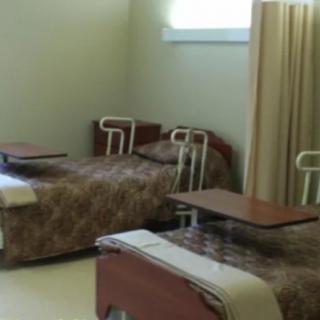
The Rio At Mission Trails

Save

The Rio At Mission Trails

6211 South New Braunfels Avenue, San Antonio, TX 78223

For more information about senior living options: (844) 490-3973

4.2 from 100 reviews
5 stars
78
4 stars
1
3 stars
2
2 stars
2
1 stars
17

Skilled Nursing Facility

What level of care are you interested in?

Assisted Living

Memory Care

Independent Living

Skilled Nursing Facility

Continuing Care Retirement Community (CCRC)CCRC

Other


Request a tour at The Rio At Mission Trails

    Overall Review of The Rio At Mission Trails

    Pros

    • pro Jennifer introduced herself with a smile, leaving a positive first impression.
    • pro The reviewer can without reservation recommend this facility as a great place to work.
    • pro The nursing staff are cohesive and supportive of each other, including DON, ADON, charge nurses, and CNAs.
    • pro The dietary staff provide nicely presented meals with alternate choices.
    • pro The staff are amazing - kind, attentive, and genuinely care about the residents.
    • pro The facility offers engaging activities, including music therapy sessions.
    • pro Del Rio Mission Trails San Antonio is a very good place, with trained and humane staff, and strong family involvement.

    Cons

    • pro The staff were described as inattentive, often on their phones, laughing, and not paying attention to residents.
    • pro The grandmother was repeatedly found in distress, lying sideways with her feet hanging off the bed during visits.
    • pro Basic care items or changes were promised but not provided for hours after requests.
    • pro It felt like residents were sedated to avoid dealing with them.
    • pro A dangerously high blood sugar of 548 was ignored, with staff saying "she's fine" and not addressing UTIs, fluids, or antibiotics.
    • pro A emergency-room transfer occurred; by the time she arrived at the hospital, she was in ICU with kidney failure and high potassium, conditions allegedly neglected.
    • pro The facility was described as filthy, with poor cleanliness and odors, and inadequate therapy or meals for diabetics.
    • pro Management was viewed as disorganized with poor communication, and leadership was seen as not supporting staff; some labeled the place a "death trap."

    Review

    The reviews present a strikingly mixed portrait of the same facility complex, with some visitors opening on a warm note and others recounting alarming safety concerns. On the positive side, one guest begins by describing a memorable first impression at the entrance: an employee named Jennifer greeted them with a smile, and the staff culture stood out as cohesive and supportive. The nursing team - don, ADON, charge nurses, and CNAs - was praised for working well together, and the Dietary staff earned compliments for offering an alternate meal choice and presenting meals nicely. This reviewer, Sheila A., even expressed a strong, unqualified willingness to recommend the facility as a great place to work and as a trustworthy place to place a loved one if the need ever arose.

    Yet another set of voices paints a diametrically different picture, focusing on chronic inattentiveness and neglect. The most jarring anecdotes describe staff members who seemed distracted, often on their phones, chatting and laughing instead of tending to residents. A grandmother who stayed for 22 days allegedly endured distress during each visit, with the resident repeatedly found lying sideways with feet dangling off the bed. Care items like washcloths were requested repeatedly but not provided, and attempts to reassure families were followed by hours-long delays. Some reviewers felt their loved ones were effectively sedated to avoid dealing with their needs, a perception that sparks ongoing concern about the facility's approach to comfort and dignity.

    Health crises and missed intervene situations appear in several accounts. On one occasion, a blood sugar reading of 548 was met with a minimal response - insisting "she's fine, we gave her insulin" while the resident was unresponsive, with a concurrent urinary tract infection and a lack of fluids or antibiotics. The family ultimately arranged an ambulance to the ER, where the patient's blood pressure had dropped to dangerous levels. The consequences were profound: the resident ended up in the ICU with kidney failure, a life-threatening combination of UTI and hyperkalemia. Reviewers described this sequence as neglectful and warned others not to entrust their loved ones to the facility.

    A recurring thread concerns management and organizational culture. Several reviewers fault the administration and leadership for a lack of oversight and fairness. Names like Benjamin Kwofie surfaced in one account as an administrator whose leadership was criticized for not supporting staff who raise concerns and for fostering a perception of retaliation against employees. Other comments described a disconnect between frontline care and the higher echelons of management, with claims that "the administrator doesn't reflect the same values" and that there is a broader pattern of poor organization and communication from leadership.

    Not all remarks clustered around danger and dysfunction, however. Some families recount positive experiences, noting that staff could be amazing - kind, attentive, and genuinely caring - especially when it came to day-to-day interaction and the environment the facility created for residents. One reviewer stated that the staff were "amazing - kind, attentive, and genuinely care about the residents," while another cited "great food" and a consistently clean environment. Yet even within these favorable accounts, there were caveats about the administration and how the facility was run, with callers urging that the leadership be more responsive and better supported to enable the frontline workers to do their jobs effectively.

    The facility also receives praise for specific strengths that are not easily dismissed. Several entries highlighted robust opportunities for engagement: a broad array of activities, arts and crafts, exercise classes, social events, and even music therapy that residents enjoyed. Family involvement was emphasized as a positive feature, with reviewers feeling welcomed and included in the care process. In one account, the overall experience of care was framed around these family-centric practices, further supported by praise for the food staff and even the cafeteria service. The testimonials suggest that the facility has the capacity to deliver meaningful, person-centered activities that enrich a resident's day when circumstances align with well-functioning leadership and attentive staff.

    Interwoven with the fluctuating experiences are warnings that have a similar drumbeat: do not take the facility's glossy surface at face value. A striking, recurring refrain is a "DEATH TRAP" inscription in one review, accompanied by a strong moral imperative against leaving a loved one there. The author insisted there were deliberate barriers to overnight family presence and urged others to avoid the location to prevent exposure to neglect. Across several entries, the sentiment echoed: even if some days feel promising, the overall pattern - particularly regarding emergency health responses, consistent basic care, and transparent staffing - leads to a high level of caution. The message to prospective families is clear: investigate, visit, and verify, because the risk profiles described by reviewers vary so dramatically from one experience to the next.

    In sum, these accounts reveal a facility that can be both a source of warmth, comprehensive care, and meaningful activity, and a place where families fear for a loved one's safety and well-being because of severe lapses in care, hygiene, and medical attention. The strongest strands of praise center on caring staff members, inviting family involvement, engaging activities, and decent meals when operations run smoothly. The strongest warnings focus on neglect, delayed responses to distress, alarming health crises, potential mismanagement, and a climate in which some families feel they must fight to obtain basic care. For anyone considering this facility, the takeaway is to weigh these sharply divergent experiences, seek up-to-date inspection records, visit personally, speak with multiple staff and residents, and assess whether leadership and frontline teams are aligned to deliver reliable, attentive, and compassionate care every day.

    Features

    Housing

    • 124 resident community capacity 124 resident community capacity

    Types of Care

    • Skilled Nursing Facility Skilled Nursing FacilitySkilled Nursing Facilities are crucial for seniors as they provide round-the-clock medical care, rehabilitation services, and assistance with daily activities. These facilities ensure that seniors receive the specialized care they need to maintain their health and well-being as they age.

    Amenities

    • Air-conditioning Air-conditioningAir conditioning is important for seniors as they are more vulnerable to heat-related illnesses and may have underlying health conditions that make it difficult for them to regulate their body temperature. It helps to keep them comfortable, safe, and healthy in hot weather.
    • Beauty salon Beauty salonBeauty salons are important for seniors because they provide a space for them to feel pampered, socialize, and maintain their personal grooming and hygiene. Regular visits to a beauty salon can help boost seniors' self-esteem and overall well-being.
    • Cable or satellite TV Cable or satellite TVCable or satellite TV is important for seniors because it provides entertainment, news, and companionship, helping to combat loneliness and boredom. It also offers a wide range of programming options tailored to different interests and preferences.
    • Computer center Computer centerA computer center is essential for seniors as it provides access to technology, communication tools, and resources that can enhance their daily lives. It allows them to stay connected with loved ones, engage in online activities, and learn new skills, ultimately promoting socialization and mental stimulation.
    • Dining room Dining roomDining rooms are important for seniors as they provide a space for socialization, connection, and nutritious meals. They offer opportunities for residents to bond over shared meals, foster a sense of community, and promote healthy eating habits. Dining rooms also ensure that seniors have access to well-balanced meals tailored to their dietary needs and preferences.
    • Fitness room Fitness roomHaving a fitness room in a senior living community is essential for seniors to stay active, maintain their physical health, and improve their overall well-being. Regular exercise can help prevent falls, reduce the risk of chronic diseases, and promote mental sharpness. It also provides social opportunities for residents to connect with others and enjoy a sense of community.
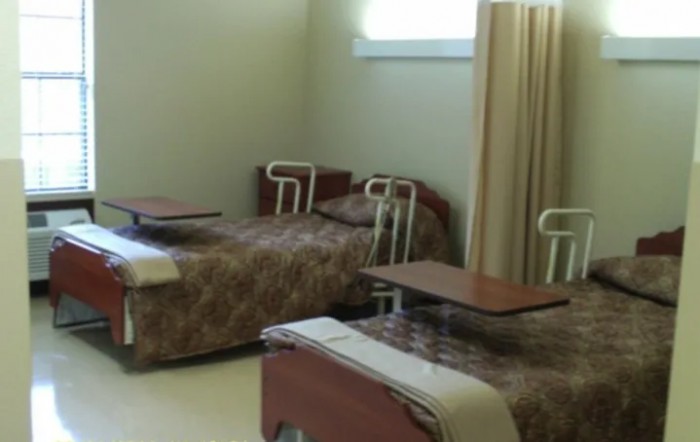
    • Fully furnished Fully furnishedFully furnished senior living communities are important for seniors because they provide convenience, comfort, and a hassle-free moving experience. Seniors can easily settle into their new living space without the stress of having to buy and move furniture. This allows them to focus on enjoying their new home and community.
    • Gaming room Gaming roomGaming rooms are important for seniors as they provide a fun and engaging environment for socializing, cognitive stimulation, and physical activity. Games can improve memory, problem-solving skills, and overall mental well-being while fostering friendships and reducing feelings of isolation.
    • Garden GardenGardens are important for seniors as they provide a peaceful and therapeutic environment for relaxation, physical activity, and socialization. Being in nature has been shown to reduce stress, improve mood, and promote overall well-being. Gardens also offer opportunities for seniors to engage in gardening activities, which can improve mobility, flexibility, and cognitive function. Additionally, gardens create a sense of community and connection with others who share a passion for plants and outdoor spaces.
    • Housekeeping services Housekeeping servicesHousekeeping services are important for seniors because they help maintain a clean and safe living environment, promote independence, and reduce the risk of accidents or illnesses. Additionally, having assistance with household chores can alleviate physical strain and allow seniors to focus on other aspects of their well-being.
    • Kitchenette KitchenetteKitchenettes are important for seniors living in senior living communities because they provide the convenience and independence of being able to prepare simple meals and snacks in the comfort of their own living space. This can help promote a sense of autonomy and well-being for seniors, allowing them to maintain some level of control over their dietary choices and daily routines.
    • Move-in coordination Move-in coordinationMove-in coordination is important for seniors because it helps ease the transition into their new living environment. It ensures that all logistics, such as packing, organizing movers, and setting up utilities are taken care of, allowing seniors to focus on settling in and adjusting to their new home. Having a smooth move-in process can alleviate stress and anxiety, making the transition smoother and more enjoyable for seniors.
    • Outdoor space Outdoor spaceOutdoor spaces are important for seniors as they provide opportunities for physical activity, social interaction, exposure to natural light and fresh air, and a sense of connection to nature. Having access to outdoor spaces can improve overall well-being and quality of life for older adults living in senior communities.
    • Private bathrooms Private bathroomsPrivate bathrooms are important for seniors in senior living communities because they provide independence, dignity, and comfort. Having a private bathroom allows seniors to maintain their personal hygiene routines without the need for assistance, promoting a sense of autonomy and privacy. Additionally, private bathrooms help prevent the spread of infections and provide a safe and clean environment for seniors to navigate safely.
    • Restaurant-style dining Restaurant-style diningRestaurant-style dining is important for seniors because it allows them to enjoy delicious, nutritious meals in a social and upscale setting. This enhances their dining experience, promotes healthy eating habits, and fosters socialization with fellow residents, ultimately contributing to their overall well-being and quality of life.
    • Small library Small librarySmall libraries are important for seniors as they provide access to a variety of reading materials, including books, newspapers, and magazines. This can help stimulate their minds, keep them engaged, and provide a sense of community through book clubs and other social activities. Additionally, reading has been shown to improve cognitive function and overall mental well-being in older adults.
    • Telephone TelephoneTelephones are important for seniors as they provide a lifeline for communication with loved ones, emergency services, and healthcare providers. They offer a sense of security and independence, enabling seniors to stay connected and access assistance when needed.
    • Wellness center Wellness centerWellness centers are important for seniors because they offer a variety of programs and services that promote physical, mental, and emotional well-being. These centers provide opportunities for exercise, socialization, education, and relaxation, helping seniors maintain their overall health and quality of life.
    • Wi-Fi/high-speed internet available Wi-Fi/high-speed internet availableWi-Fi/high-speed internet is important for seniors to stay connected with loved ones, access online resources, and participate in virtual activities to combat feelings of loneliness and isolation. It also allows them to easily manage healthcare needs, access entertainment, and engage in lifelong learning opportunities.

    Transportation

    • San Antonio International (12 miles away) San Antonio International (12 miles away)
    • Community operated transportation Community operated transportationCommunity operated transportation is crucial for seniors as it provides them with the means to access essential services, social activities, and medical appointments. It allows seniors to maintain their independence and quality of life by ensuring they can participate in activities outside of their homes. Additionally, community-operated transportation services offer a safe and reliable way for seniors to travel without having to rely on family or friends for assistance.
    • Transportation arrangement Transportation arrangementTransportation arrangements are crucial for seniors as they may face challenges with driving, mobility, or access to public transportation. Having reliable transportation services ensures that seniors can easily attend appointments, social activities, and maintain their independence and quality of life.
    • Transportation arrangement (non-medical) Transportation arrangement (non-medical)Transportation arrangements are essential for seniors as they provide access to essential services, activities, and social interactions outside the home. This service helps maintain independence, mobility, and overall well-being for seniors who may have limited transportation options.
    • Transportation to doctors appointments Transportation to doctors appointmentsTransportation to doctors appointments is crucial for seniors as it ensures they have access to necessary medical care and support, promoting their health and well-being. It allows them to receive timely treatment, monitor existing conditions, and address any new health concerns efficiently. Additionally, transportation services can help seniors maintain their independence and quality of life by enabling them to stay connected with their healthcare providers.

    Care Services

    • 12-16 hour nursing 12-16 hour nursing12-16 hour nursing care is crucial for seniors in order to ensure around-the-clock monitoring, timely medication administration, and prompt response to any health concerns or emergencies. This level of care helps to promote the overall well-being and safety of seniors living in senior living communities.
    • 24-hour call system 24-hour call system24-hour call systems are important for seniors because they provide peace of mind and immediate assistance in case of emergencies. This technology ensures that help is always available, promoting safety and security for elderly individuals living alone or in assisted living facilities.
    • 24-hour supervision 24-hour supervision24-hour supervision is important for seniors to ensure their safety, well-being, and access to immediate assistance in case of emergencies or health issues. This constant support provides peace of mind for both seniors and their loved ones, allowing them to age in place with dignity and security.
    • Activities of daily living assistance Activities of daily living assistanceActivities of daily living assistance are important for seniors because they provide essential support with tasks such as eating, bathing, dressing, and mobility. This assistance helps seniors maintain their independence, dignity, and overall quality of life as they age.
    • Assistance with bathing Assistance with bathingAssistance with bathing is crucial for seniors as it helps maintain personal hygiene, prevents infections, and ensures their overall well-being and comfort. It also provides a sense of dignity and independence for seniors who may struggle with this task on their own.
    • Assistance with dressing Assistance with dressingAssistance with dressing is important for seniors because it helps maintain their independence, promotes personal hygiene, prevents accidents and injuries, and improves overall quality of life. This service ensures that seniors can continue to dress comfortably and confidently, despite any physical limitations they may have.
    • Assistance with transfers Assistance with transfersAssistance with transfers is crucial for seniors as it helps prevent falls and injuries, maintains their independence, and ensures they can safely navigate their living environment. It also provides peace of mind for both seniors and their loved ones.
    • Diabetes diet Diabetes dietA diabetes diet is crucial for seniors as it helps manage blood sugar levels, reduce risks of complications, and improve overall health and well-being. By following a balanced and nutritious diet tailored to their specific needs, seniors can better control their diabetes and enhance their quality of life.
    • Meal preparation and service Meal preparation and serviceMeal preparation and service are crucial for seniors as they may have limited mobility or energy to cook nutritious meals. Having access to healthy and convenient food options can ensure they are getting the proper nutrition needed to maintain their overall health and well-being.
    • Medication management Medication managementMedication management is crucial for seniors to ensure they are taking the right medications at the correct dosages and times. This helps prevent adverse drug interactions, reduces the risk of medication errors, and promotes overall health and well-being. Proactive management also allows for adjustments as needed based on changing health conditions or new prescriptions.
    • Mental wellness program Mental wellness programMental wellness programs are essential for seniors as they promote cognitive stimulation, emotional support, and social engagement. These programs help prevent isolation, depression, and cognitive decline, ultimately enhancing the overall quality of life for older adults.
    • Special dietary restrictions Special dietary restrictionsSpecial dietary restrictions are important for seniors because age-related changes in metabolism and health conditions can make it difficult for their bodies to process certain foods. By following a diet tailored to their specific needs, seniors can maintain their overall health and well-being, manage chronic conditions, and reduce the risk of complications such as malnutrition or food interactions with medications.

    Dining

    • Diabetes diet Diabetes dietA diabetes diet is crucial for seniors as it helps manage blood sugar levels, reduce risks of complications, and improve overall health and well-being. By following a balanced and nutritious diet tailored to their specific needs, seniors can better control their diabetes and enhance their quality of life.
    • Special dietary restrictions Special dietary restrictionsSpecial dietary restrictions are important for seniors because age-related changes in metabolism and health conditions can make it difficult for their bodies to process certain foods. By following a diet tailored to their specific needs, seniors can maintain their overall health and well-being, manage chronic conditions, and reduce the risk of complications such as malnutrition or food interactions with medications.

    Activities

    • Community-sponsored activities Community-sponsored activitiesCommunity-sponsored activities are important for seniors as they provide opportunities for social interaction, mental stimulation, and physical activity. These activities can help improve overall well-being, combat loneliness and isolation, and promote a sense of belonging and purpose among older adults.
    • Concierge services Concierge servicesConcierge services are essential for seniors as they provide assistance with daily tasks and errands, enhance their quality of life by offering convenience and personalized care, and promote a sense of safety and security.
    • Fitness programs Fitness programsFitness programs are crucial for seniors as they help improve strength, flexibility, balance, and overall well-being. Staying active can reduce the risk of chronic diseases, improve mental health, and enhance quality of life in older adults.
    • Planned day trips Planned day tripsPlanned day trips are important for seniors because they offer opportunities for socialization, mental stimulation, and physical activity. They provide a change of scenery and help seniors stay engaged and connected to their community, promoting overall well-being and quality of life.
    • Resident-run activities Resident-run activitiesResident-run activities are important for seniors as they encourage social interaction, creativity, and a sense of autonomy. These activities empower seniors to stay engaged and active in their community while fostering meaningful connections with their peers.
    • Scheduled daily activities Scheduled daily activitiesScheduled daily activities are important for seniors because they provide structure, socialization, mental stimulation, and physical activity. Engaging in regular activities can improve overall well-being and quality of life for seniors living in a community setting.

    Description

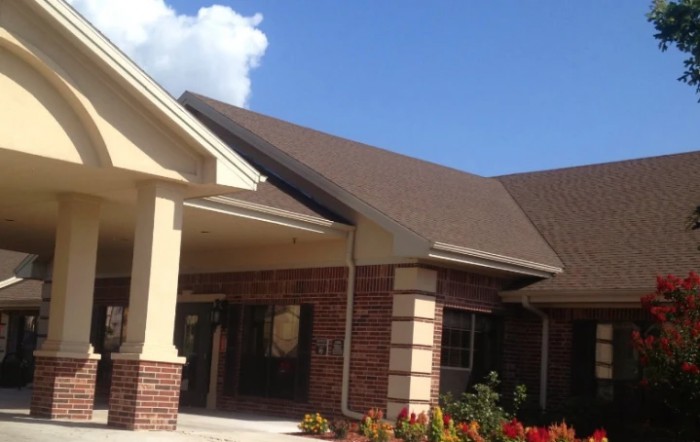
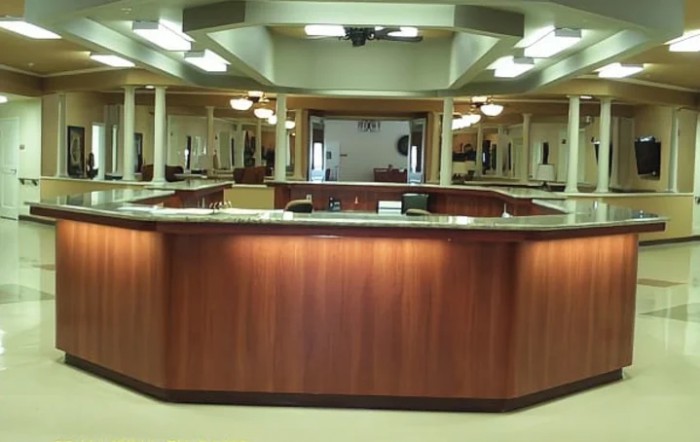
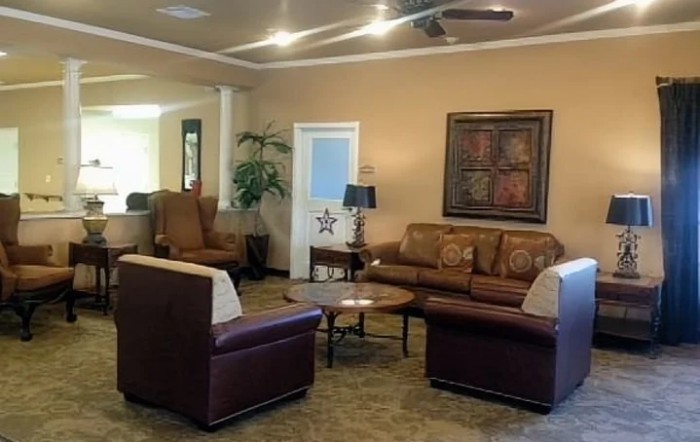
    The Rio at Mission Trails in San Antonio, TX is a vibrant assisted living community that offers an array of amenities and care services to ensure the comfort and well-being of its residents. The community boasts a range of amenities, including a beauty salon for pampering and grooming needs, cable or satellite TV for entertainment, and a computer center for staying connected with loved ones.

    Residents at The Rio can enjoy delicious meals in the dining room with restaurant-style dining, where special dietary restrictions are accommodated. The community also offers two cafes nearby for additional dining options. For those who prefer to cook their own meals, fully furnished apartments feature kitchenettes.

    Maintaining an active lifestyle is easy at The Rio as it provides a fitness room and wellness center to promote physical health. Residents can engage in fitness programs and participate in resident-run activities or scheduled daily activities. Planned day trips are also organized for residents to explore the local area.

    The community prioritizes the mental wellness of its residents by offering a mental wellness program, ensuring that each individual's emotional needs are met. Additionally, 24-hour call systems and supervision provide peace of mind for both residents and their families.

    Transportation arrangement services are provided for both non-medical purposes and doctor's appointments. For further convenience, move-in coordination is available to assist residents during the transition process. Housekeeping services ensure cleanliness and tidiness throughout the community.

    Residents can enjoy outdoor spaces such as gardens for relaxation and socialization. For leisurely activities indoors, there is a gaming room and a small library.

    Additionally, The Rio aims to create a sense of community among its residents by providing concierge services and encouraging social interaction through planned activities. Nearby amenities include pharmacies, physicians' offices, restaurants, places of worship, hospitals, and transportation services.

    Overall, The Rio at Mission Trails offers an enriching living experience with its comprehensive amenities and personalized care services tailored to meet the unique needs of each resident.

    Nearby Places of Interest

    Hospitals

    • San Antonio State Hospital (0.3 miles)
    • Innova Hospital San Antonio (3 miles)
    • US Army (6.9 miles)
    • University Health System (7 miles)
    • San Antonio Military Medical Center-SAMMC (7.1 miles)

    Restaurants

    • Taco Cabana (0.8 miles)
    • Taco Bell (1.1 miles)
    • Las Palapas (1.3 miles)
    • McDonald's (1.5 miles)
    • Chick-Fil-A (1.8 miles)
    • McDonald's (2.5 miles)
    • Wendy's (2.5 miles)

    Physicians

    • Dr.Abraham-Cox Office (0.9 miles)
    • Kidney Treatment Center-East (2.7 miles)
    • Hugo Alonzo Rojas (2.7 miles)
    • Southeast OB-GYN Associates PA (2.9 miles)
    • Trevino Family Clinic (2.9 miles)
    • Wesley Primary Care (4.2 miles)
    • John A Campagna (4.6 miles)

    Pharmacies

    • Walgreens (1 miles)
    • Walgreens (1.9 miles)
    • Walgreens (2 miles)
    • Walgreens (4 miles)
    • Walgreens (4.1 miles)
    • Walgreens (4.1 miles)
    • CVS Pharmacy (4.5 miles)

    Places of Worship

    • Mission San Jose (1.2 miles)
    • Mission Concepcion (2.7 miles)
    • Second Baptist Church (4.1 miles)
    • Temple Beth-El (6.3 miles)
    • St Ann's Catholic Church (6.7 miles)
    • Primera Iglesia Bautista Mexicana-San Antonio (8.6 miles)

    Transportation

    • Enterprise Rent-A-Car (1.2 miles)
    • Exit 567/Fredericksburg Rd/E (6.9 miles)

    Cafes

    • Starbucks (1.7 miles)
    • Starbucks (4.7 miles)
    • Starbucks (5.4 miles)
    • The Trading Post (7.1 miles)
    • Habibi Cafe (7.7 miles)
    • Starbucks (9.2 miles)

    Parks

    • Palo Alto Park (6 miles)
    • Woodlawn Lake Park (7.2 miles)

    Frequently Asked Questions

    Where is The Rio At Mission Trails?
    What photos are available for The Rio At Mission Trails in San Antonio, Texas?

    Nearby Communities

    Skilled Nursing Facility in Nearby Cities

    Related Resources

    • uber for seniorsSeniors and Modern Transportation: Exploring Uber, Lyft, and Other Ride-Hailing Options

      Seniors benefit from ride-hailing services like Uber and Lyft, which provide convenient and accessible transportation options that promote independence and social engagement, while addressing mobility challenges. These platforms have adapted to meet senior needs with user-friendly features and safety measures, although costs can be a concern; community programs may help subsidize rides for older adults.

    • who qualifies for home health care servicesComprehensive Guide to Qualifying for Home Health Care Services

      The guide outlines the eligibility criteria for home health care services, emphasizing clinical requirements, insurance options, and application processes. It distinguishes between Medicare's strict and Medicaid's flexible qualifications while addressing challenges families may face in securing necessary care at home.

    • what is elder abusePowerful Realities of Elder Abuse and the Most Effective Ways to Report It


      Elder abuse affects many older adults worldwide and includes physical, emotional, neglectful, and financial harm, with about one in six individuals over 60 experiencing abuse annually. Prevention and intervention strategies focus on awareness, support for caregivers, and mandatory reporting, while recovery necessitates comprehensive support for both physical and emotional needs.


    Get Pricing Ask A Question Schedule A Tour Contact Senior Advisor