
Windsor Mission Oaks

Save

Windsor Mission Oaks

3030 South Roosevelt Avenue, San Antonio, TX 78214

For more information about senior living options: (844) 490-3973

3.7 from 29 reviews
5 stars
16
4 stars
3
3 stars
2
2 stars
1
1 stars
7

Skilled Nursing Facility

What level of care are you interested in?

Assisted Living

Memory Care

Independent Living

Skilled Nursing Facility

Continuing Care Retirement Community (CCRC)CCRC

Other


Request a tour at Windsor Mission Oaks

    Overall Review of Windsor Mission Oaks

    Pros

    • pro The staff are great and provide a positive experience.
    • pro The staff are caring with residents.
    • pro The nurses go above and beyond to make residents comfortable.
    • pro The activity department is phenomenal at keeping residents entertained and involved.
    • pro The longevity of the staff speaks volumes about the facility.
    • pro The CNAs and nursing staff are amazing and consistently thoughtful toward residents.
    • pro The staff give 110% to provide quality care to residents and their families.

    Cons

    • pro The manager and cook are annoying and ruthless, telling one thing and then changing the story, and the place is only good for gossip.
    • pro The head cook nitpicks and has a nasty attitude, and the whole crew is about gossip.
    • pro It's the worst job ever.
    • pro Mrs. Wolff is always very rude to patients and guests, with little interaction and often on her phone.

    Review

    This collection of impressions about the facility reveals a range of experiences that many would recognize in a long-term care setting: moments of outstanding compassion and stability alongside warnings about workplace culture in certain roles and how staff interactions can feel inconsistent from one day to the next. A common thread through the more positive notes is a sense that the people who work there - especially the nurses, activity staff, and other caregivers - already know the residents well and often stay for years, which contributes to a feeling of continuity and familiarity for families and visitors.

    Several reviewers speak warmly about the staff's dedication to residents. The comments emphasize that caregivers and clinical teams are caring, patient, and committed to keeping residents comfortable and well-cared-for. Some reviewers specifically highlight great clinical experiences, noting that the nurses and other clinical staff go above and beyond to meet residents' needs. In one testimonial, the nurses are described as going "above and beyond" to ensure comfort, and families express appreciation for staff who respond quickly and effectively to the residents' changing needs. The activity staff also receives consistent praise for keeping residents engaged and supported, with thanks directed at those who design meaningful activities and devote attention to the residents' emotional and social well-being.

    Another set of reviews underscores the facility's stability and the durability of its leadership. Commenters mention that the administrator, the director of nursing (DON), and the admissions director have been with the organization for a long time, and that this longevity is viewed positively as a sign of consistency and continuity in care. A number of residents' family members express confidence that their loved ones are in a place where staff know them, understand their routines, and maintain a steady approach to caregiving. This sense of a cohesive team appears repeatedly, with families noting that staff members are reliable, responsive, and supportive when they need assistance.

    Within the more upbeat themes, a particularly touching note comes from families who thank the staff for the care provided to specific loved ones. For example, a family member expressed deep appreciation for the care given to their sister Esperanza Castillo, stating they could not be more pleased with the care and that the nurses helped make her comfortable in her final days. This sentiment - recognizing the emotional as well as the physical aspects of care - appears to be a recurring strength of the facility, with families acknowledging efforts that go beyond basic tasks to support residents and their families during vulnerable moments.

    Alongside these positive reflections, there are clear cautions about certain experiences and areas for improvement. A number of reviewers caution prospective employees and families about the environment in the dietary services and kitchen leadership. Comments describe a dynamic where the manager and the head cook can be perceived as problematic, with stories of promises made one day and then reversed the next, and concerns about a gossip-prone environment. One review explicitly warns against applying for a dietary aide position, citing nitpicking attitudes, a nasty disposition, and a culture of gossip among some staff. A particularly stark note - "WORST JOB EVER" - appears as a blunt reminder that some experiences can be dramatically negative for those who work there, suggesting that differences in department culture and interpersonal dynamics can be quite pronounced.

    There are also more specific interpersonal concerns from visitors. One reviewer recounts an experience with a particular staff member, Mrs. Wolff, who was described as rude to guests visiting patients. The remark points to an inconsistency in how welcoming or responsive some staff can be to family and friends who are trying to check on their loved ones. This kind of feedback, while isolated in tone, adds to the broader sense that while many staff members excel at patient care, not every interaction leaves a positive impression for visitors.

    Taken together, the reviews paint a nuanced portrait of the facility. The strongest positives center on compassionate care, skilled nursing, dedicated activity staff, and a stable leadership core that seems to foster continuity of care and long-standing relationships with residents and their families. The most significant cautions focus on internal cultural issues in certain departments, particularly dietary services, and on inconsistent experiences with individual staff members. For families evaluating this place, the message is clear: there is much to admire in the day-to-day commitment to residents and a strong base of experienced, caring professionals, but prospective staff and visitors should be mindful of the potential for interpersonal friction in some corners of the facility and should weigh these experiences against the consistently positive accounts of care and continuity that recur across many reviews.

    Features

    Housing

    • 150 resident community capacity 150 resident community capacity

    Types of Care

    • Skilled Nursing Facility Skilled Nursing FacilitySkilled Nursing Facilities are crucial for seniors as they provide round-the-clock medical care, rehabilitation services, and assistance with daily activities. These facilities ensure that seniors receive the specialized care they need to maintain their health and well-being as they age.

    Amenities

    • Air-conditioning Air-conditioningAir conditioning is important for seniors as they are more vulnerable to heat-related illnesses and may have underlying health conditions that make it difficult for them to regulate their body temperature. It helps to keep them comfortable, safe, and healthy in hot weather.
    • Beauty salon Beauty salonBeauty salons are important for seniors because they provide a space for them to feel pampered, socialize, and maintain their personal grooming and hygiene. Regular visits to a beauty salon can help boost seniors' self-esteem and overall well-being.
    • Cable or satellite TV Cable or satellite TVCable or satellite TV is important for seniors because it provides entertainment, news, and companionship, helping to combat loneliness and boredom. It also offers a wide range of programming options tailored to different interests and preferences.
    • Computer center Computer centerA computer center is essential for seniors as it provides access to technology, communication tools, and resources that can enhance their daily lives. It allows them to stay connected with loved ones, engage in online activities, and learn new skills, ultimately promoting socialization and mental stimulation.
    • Dining room Dining roomDining rooms are important for seniors as they provide a space for socialization, connection, and nutritious meals. They offer opportunities for residents to bond over shared meals, foster a sense of community, and promote healthy eating habits. Dining rooms also ensure that seniors have access to well-balanced meals tailored to their dietary needs and preferences.
    • Fitness room Fitness roomHaving a fitness room in a senior living community is essential for seniors to stay active, maintain their physical health, and improve their overall well-being. Regular exercise can help prevent falls, reduce the risk of chronic diseases, and promote mental sharpness. It also provides social opportunities for residents to connect with others and enjoy a sense of community.
    • Fully furnished Fully furnishedFully furnished senior living communities are important for seniors because they provide convenience, comfort, and a hassle-free moving experience. Seniors can easily settle into their new living space without the stress of having to buy and move furniture. This allows them to focus on enjoying their new home and community.
    • Gaming room Gaming roomGaming rooms are important for seniors as they provide a fun and engaging environment for socializing, cognitive stimulation, and physical activity. Games can improve memory, problem-solving skills, and overall mental well-being while fostering friendships and reducing feelings of isolation.
    • Garden GardenGardens are important for seniors as they provide a peaceful and therapeutic environment for relaxation, physical activity, and socialization. Being in nature has been shown to reduce stress, improve mood, and promote overall well-being. Gardens also offer opportunities for seniors to engage in gardening activities, which can improve mobility, flexibility, and cognitive function. Additionally, gardens create a sense of community and connection with others who share a passion for plants and outdoor spaces.
    • Housekeeping services Housekeeping servicesHousekeeping services are important for seniors because they help maintain a clean and safe living environment, promote independence, and reduce the risk of accidents or illnesses. Additionally, having assistance with household chores can alleviate physical strain and allow seniors to focus on other aspects of their well-being.
    • Kitchenette KitchenetteKitchenettes are important for seniors living in senior living communities because they provide the convenience and independence of being able to prepare simple meals and snacks in the comfort of their own living space. This can help promote a sense of autonomy and well-being for seniors, allowing them to maintain some level of control over their dietary choices and daily routines.
    • Move-in coordination Move-in coordinationMove-in coordination is important for seniors because it helps ease the transition into their new living environment. It ensures that all logistics, such as packing, organizing movers, and setting up utilities are taken care of, allowing seniors to focus on settling in and adjusting to their new home. Having a smooth move-in process can alleviate stress and anxiety, making the transition smoother and more enjoyable for seniors.
    • Outdoor space Outdoor spaceOutdoor spaces are important for seniors as they provide opportunities for physical activity, social interaction, exposure to natural light and fresh air, and a sense of connection to nature. Having access to outdoor spaces can improve overall well-being and quality of life for older adults living in senior communities.
    • Private bathrooms Private bathroomsPrivate bathrooms are important for seniors in senior living communities because they provide independence, dignity, and comfort. Having a private bathroom allows seniors to maintain their personal hygiene routines without the need for assistance, promoting a sense of autonomy and privacy. Additionally, private bathrooms help prevent the spread of infections and provide a safe and clean environment for seniors to navigate safely.
    • Restaurant-style dining Restaurant-style diningRestaurant-style dining is important for seniors because it allows them to enjoy delicious, nutritious meals in a social and upscale setting. This enhances their dining experience, promotes healthy eating habits, and fosters socialization with fellow residents, ultimately contributing to their overall well-being and quality of life.
    • Small library Small librarySmall libraries are important for seniors as they provide access to a variety of reading materials, including books, newspapers, and magazines. This can help stimulate their minds, keep them engaged, and provide a sense of community through book clubs and other social activities. Additionally, reading has been shown to improve cognitive function and overall mental well-being in older adults.
    • Telephone TelephoneTelephones are important for seniors as they provide a lifeline for communication with loved ones, emergency services, and healthcare providers. They offer a sense of security and independence, enabling seniors to stay connected and access assistance when needed.
    • Wellness center Wellness centerWellness centers are important for seniors because they offer a variety of programs and services that promote physical, mental, and emotional well-being. These centers provide opportunities for exercise, socialization, education, and relaxation, helping seniors maintain their overall health and quality of life.
    • Wi-Fi/high-speed internet available Wi-Fi/high-speed internet availableWi-Fi/high-speed internet is important for seniors to stay connected with loved ones, access online resources, and participate in virtual activities to combat feelings of loneliness and isolation. It also allows them to easily manage healthcare needs, access entertainment, and engage in lifelong learning opportunities.

    Transportation

    • San Antonio International (11 miles away) San Antonio International (11 miles away)
    • Community operated transportation Community operated transportationCommunity operated transportation is crucial for seniors as it provides them with the means to access essential services, social activities, and medical appointments. It allows seniors to maintain their independence and quality of life by ensuring they can participate in activities outside of their homes. Additionally, community-operated transportation services offer a safe and reliable way for seniors to travel without having to rely on family or friends for assistance.
    • Transportation arrangement Transportation arrangementTransportation arrangements are crucial for seniors as they may face challenges with driving, mobility, or access to public transportation. Having reliable transportation services ensures that seniors can easily attend appointments, social activities, and maintain their independence and quality of life.
    • Transportation arrangement (non-medical) Transportation arrangement (non-medical)Transportation arrangements are essential for seniors as they provide access to essential services, activities, and social interactions outside the home. This service helps maintain independence, mobility, and overall well-being for seniors who may have limited transportation options.
    • Transportation to doctors appointments Transportation to doctors appointmentsTransportation to doctors appointments is crucial for seniors as it ensures they have access to necessary medical care and support, promoting their health and well-being. It allows them to receive timely treatment, monitor existing conditions, and address any new health concerns efficiently. Additionally, transportation services can help seniors maintain their independence and quality of life by enabling them to stay connected with their healthcare providers.

    Care Services

    • 12-16 hour nursing 12-16 hour nursing12-16 hour nursing care is crucial for seniors in order to ensure around-the-clock monitoring, timely medication administration, and prompt response to any health concerns or emergencies. This level of care helps to promote the overall well-being and safety of seniors living in senior living communities.
    • 24-hour call system 24-hour call system24-hour call systems are important for seniors because they provide peace of mind and immediate assistance in case of emergencies. This technology ensures that help is always available, promoting safety and security for elderly individuals living alone or in assisted living facilities.
    • 24-hour supervision 24-hour supervision24-hour supervision is important for seniors to ensure their safety, well-being, and access to immediate assistance in case of emergencies or health issues. This constant support provides peace of mind for both seniors and their loved ones, allowing them to age in place with dignity and security.
    • Activities of daily living assistance Activities of daily living assistanceActivities of daily living assistance are important for seniors because they provide essential support with tasks such as eating, bathing, dressing, and mobility. This assistance helps seniors maintain their independence, dignity, and overall quality of life as they age.
    • Assistance with bathing Assistance with bathingAssistance with bathing is crucial for seniors as it helps maintain personal hygiene, prevents infections, and ensures their overall well-being and comfort. It also provides a sense of dignity and independence for seniors who may struggle with this task on their own.
    • Assistance with dressing Assistance with dressingAssistance with dressing is important for seniors because it helps maintain their independence, promotes personal hygiene, prevents accidents and injuries, and improves overall quality of life. This service ensures that seniors can continue to dress comfortably and confidently, despite any physical limitations they may have.
    • Assistance with transfers Assistance with transfersAssistance with transfers is crucial for seniors as it helps prevent falls and injuries, maintains their independence, and ensures they can safely navigate their living environment. It also provides peace of mind for both seniors and their loved ones.
    • Diabetes diet Diabetes dietA diabetes diet is crucial for seniors as it helps manage blood sugar levels, reduce risks of complications, and improve overall health and well-being. By following a balanced and nutritious diet tailored to their specific needs, seniors can better control their diabetes and enhance their quality of life.
    • Meal preparation and service Meal preparation and serviceMeal preparation and service are crucial for seniors as they may have limited mobility or energy to cook nutritious meals. Having access to healthy and convenient food options can ensure they are getting the proper nutrition needed to maintain their overall health and well-being.
    • Medication management Medication managementMedication management is crucial for seniors to ensure they are taking the right medications at the correct dosages and times. This helps prevent adverse drug interactions, reduces the risk of medication errors, and promotes overall health and well-being. Proactive management also allows for adjustments as needed based on changing health conditions or new prescriptions.
    • Mental wellness program Mental wellness programMental wellness programs are essential for seniors as they promote cognitive stimulation, emotional support, and social engagement. These programs help prevent isolation, depression, and cognitive decline, ultimately enhancing the overall quality of life for older adults.
    • Special dietary restrictions Special dietary restrictionsSpecial dietary restrictions are important for seniors because age-related changes in metabolism and health conditions can make it difficult for their bodies to process certain foods. By following a diet tailored to their specific needs, seniors can maintain their overall health and well-being, manage chronic conditions, and reduce the risk of complications such as malnutrition or food interactions with medications.

    Dining

    • Diabetes diet Diabetes dietA diabetes diet is crucial for seniors as it helps manage blood sugar levels, reduce risks of complications, and improve overall health and well-being. By following a balanced and nutritious diet tailored to their specific needs, seniors can better control their diabetes and enhance their quality of life.
    • Special dietary restrictions Special dietary restrictionsSpecial dietary restrictions are important for seniors because age-related changes in metabolism and health conditions can make it difficult for their bodies to process certain foods. By following a diet tailored to their specific needs, seniors can maintain their overall health and well-being, manage chronic conditions, and reduce the risk of complications such as malnutrition or food interactions with medications.

    Activities

    • Community-sponsored activities Community-sponsored activitiesCommunity-sponsored activities are important for seniors as they provide opportunities for social interaction, mental stimulation, and physical activity. These activities can help improve overall well-being, combat loneliness and isolation, and promote a sense of belonging and purpose among older adults.
    • Concierge services Concierge servicesConcierge services are essential for seniors as they provide assistance with daily tasks and errands, enhance their quality of life by offering convenience and personalized care, and promote a sense of safety and security.
    • Fitness programs Fitness programsFitness programs are crucial for seniors as they help improve strength, flexibility, balance, and overall well-being. Staying active can reduce the risk of chronic diseases, improve mental health, and enhance quality of life in older adults.
    • Planned day trips Planned day tripsPlanned day trips are important for seniors because they offer opportunities for socialization, mental stimulation, and physical activity. They provide a change of scenery and help seniors stay engaged and connected to their community, promoting overall well-being and quality of life.
    • Resident-run activities Resident-run activitiesResident-run activities are important for seniors as they encourage social interaction, creativity, and a sense of autonomy. These activities empower seniors to stay engaged and active in their community while fostering meaningful connections with their peers.
    • Scheduled daily activities Scheduled daily activitiesScheduled daily activities are important for seniors because they provide structure, socialization, mental stimulation, and physical activity. Engaging in regular activities can improve overall well-being and quality of life for seniors living in a community setting.

    Description

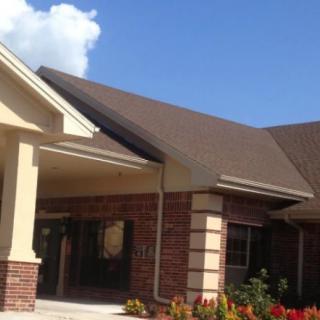
    Nestled in the vibrant city of San Antonio, TX, Windsor Mission Oaks offers a warm and welcoming assisted living community designed to enhance the quality of life for its residents. With an array of thoughtfully curated amenities, residents can enjoy a comfortable and engaging lifestyle tailored to their individual needs.

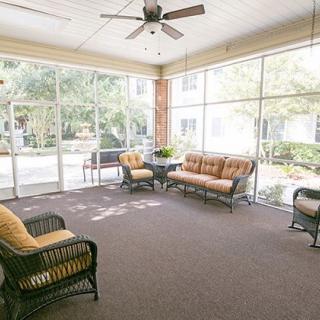
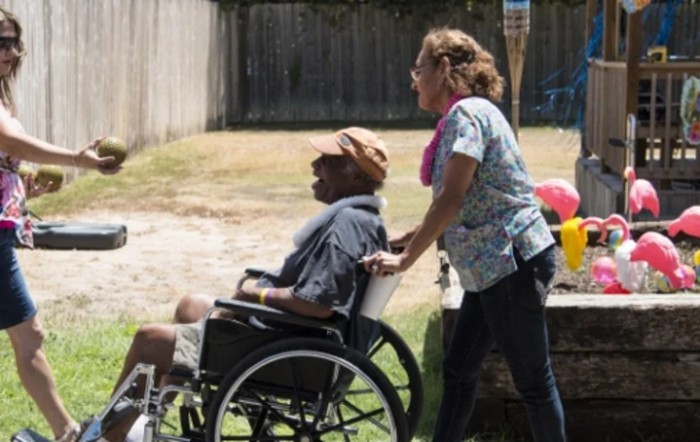
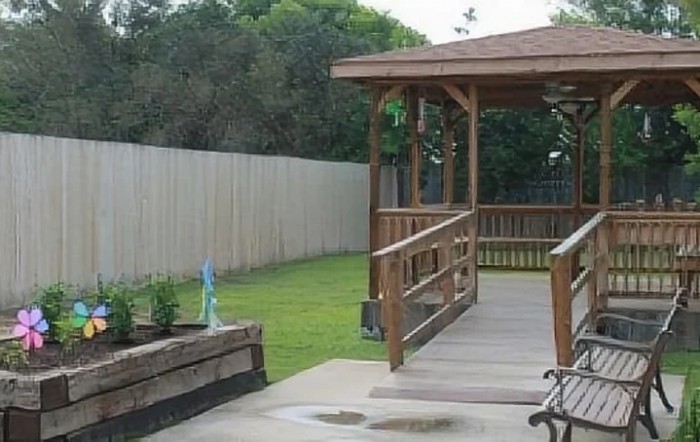
    At Windsor Mission Oaks, residents have access to a beauty salon for personal grooming, as well as cable or satellite TV and high-speed Wi-Fi to stay connected with family and friends. The community also features a computer center, fitness room, gaming room, and small library for leisure and enrichment. Outdoor spaces and beautifully manicured gardens provide serene spots for relaxation and socialization.

    Dining at Windsor Mission Oaks is an experience worth savoring. Residents can indulge in restaurant-style dining with meals prepared to accommodate special dietary restrictions. The spacious dining room fosters a sense of community, while move-in coordination services ensure that transitions are smooth and stress-free.

    Care services at Windsor Mission Oaks prioritize the well-being of each resident. A 24-hour call system and supervision are in place, along with assistance available for daily living activities such as bathing, dressing, transfers, medication management, and adherence to specific dietary needs like diabetes care. Additionally, a mental wellness program supports emotional health alongside physical well-being.

    Residents can engage in various activities tailored to their interests through concierge services, planned day trips, fitness programs, scheduled daily events, and resident-run initiatives that foster a sense of community.

    Conveniently located near essential amenities such as pharmacies, physicians' offices, restaurants, parks, places of worship, transportation options, and hospitals ensures that residents have easy access to everything they need.

    Windsor Mission Oaks in San Antonio is more than just an assisted living facility?it's a vibrant community where residents can thrive in a supportive atmosphere filled with opportunities for connection and personal growth.

    Nearby Places of Interest

    Places of Worship

    • Mission San Jose (0.4 miles)
    • Mission Concepcion (1.7 miles)
    • Second Baptist Church (4.5 miles)
    • Temple Beth-El (5.7 miles)
    • St Ann's Catholic Church (6 miles)
    • Primera Iglesia Bautista Mexicana-San Antonio (7.8 miles)
    • Muslim Mosque Lackland AFB (8.9 miles)

    Restaurants

    • McDonald's (0.9 miles)
    • Wendy's (1.4 miles)
    • Taco Bell (1.5 miles)
    • Taco Cabana (1.5 miles)
    • Whataburger (2.1 miles)
    • Taco Cabana (2.3 miles)
    • Taco Cabana (2.5 miles)

    Pharmacies

    • Walgreens (1 miles)
    • Walgreens (2 miles)
    • Walgreens (2.9 miles)
    • Walgreens (3.2 miles)
    • Walgreens (3.3 miles)
    • Health Mart Pharmacy (3.8 miles)
    • CVS Pharmacy (3.9 miles)

    Transportation

    • Enterprise Rent-A-Car (1.1 miles)
    • Exit 567/Fredericksburg Rd/E (6.2 miles)

    Hospitals

    • San Antonio State Hospital (1.4 miles)
    • Innova Hospital San Antonio (4.2 miles)
    • University Health System (5.9 miles)
    • US Army (7.2 miles)
    • San Antonio Military Medical Center-SAMMC (7.4 miles)
    • Wilford Hall Ambulatory Surgical Center (8.7 miles)
    • Reid Health Services Clinic (8.8 miles)

    Physicians

    • Hugo Alonzo Rojas (1.5 miles)
    • Trevino Family Clinic (1.7 miles)
    • Dr.Abraham-Cox Office (2 miles)
    • Kidney Treatment Center-East (2.7 miles)
    • Wesley Primary Care (2.9 miles)
    • John A Campagna (4 miles)
    • Southeast OB-GYN Associates PA (4.1 miles)

    Cafes

    • Starbucks (2.9 miles)
    • Starbucks (4.1 miles)
    • Starbucks (4.8 miles)
    • Habibi Cafe (7.6 miles)
    • The Trading Post (8.3 miles)
    • Starbucks (8.8 miles)

    Parks

    • Palo Alto Park (4.9 miles)
    • Woodlawn Lake Park (6.4 miles)

    Frequently Asked Questions

    Where is Windsor Mission Oaks?
    What photos are available for Windsor Mission Oaks in San Antonio, Texas?

    Nearby Communities

    Skilled Nursing Facility in Nearby Cities

    Related Resources

    • weight training for seniorsWeight Training for Seniors: Building Strength and Vitality

      Weight training is vital for seniors to maintain muscle mass, bone density, and overall health, combating age-related declines through customized resistance exercises that enhance balance and well-being. Safe routines should start with realistic goals and proper form, while emphasizing gradual progress and consultations with healthcare providers to ensure safety and effectiveness.

    • what does the sandwich generation meanUnderstanding the Sandwich Generation: Stress and Responsibilities for Multigenerational Caregivers

      The Sandwich Generation comprises adults managing the dual responsibilities of caring for aging parents and raising children, leading to significant emotional, logistical, and financial challenges. This situation is exacerbated by longer life expectancies and cultural expectations, necessitating effective coping strategies and support resources to alleviate caregiver stress and burnout.

    • assistive devices for elderly8 Essential Assistive Devices for Older Adults

      The article highlights eight essential assistive devices that improve the independence and safety of older adults, addressing issues related to mobility, balance, vision, hearing, and dexterity. It emphasizes the importance of proper selection guided by healthcare professionals to enhance seniors' quality of life while allowing them to age in place.


    Get Pricing Ask A Question Schedule A Tour Contact Senior Advisor