Juniper Village at Lincoln Heights Costs & Pricing
Juniper Village at Lincoln Heights offers competitive pricing for its accommodations when compared to the broader landscape of Bexar County and Texas. For a studio, residents will find the monthly rate at Juniper Village is $3,670, which is slightly more economical than the Bexar County average of $3,708 and notably less than the state average of $3,758. However, the cost dynamics shift for larger units; both one-bedroom and two-bedroom apartments are priced at $7,130 per month, substantially higher than Bexar County's one-bedroom average of $3,506 and two-bedroom rate of $3,962. Even against the Texas averages of $3,761 for a one-bedroom and $4,215 for a two-bedroom, Juniper Village stands out as a premium option. This pricing structure reflects not only the quality of care and amenities offered but also positions Juniper Village as an upscale choice in a competitive market.
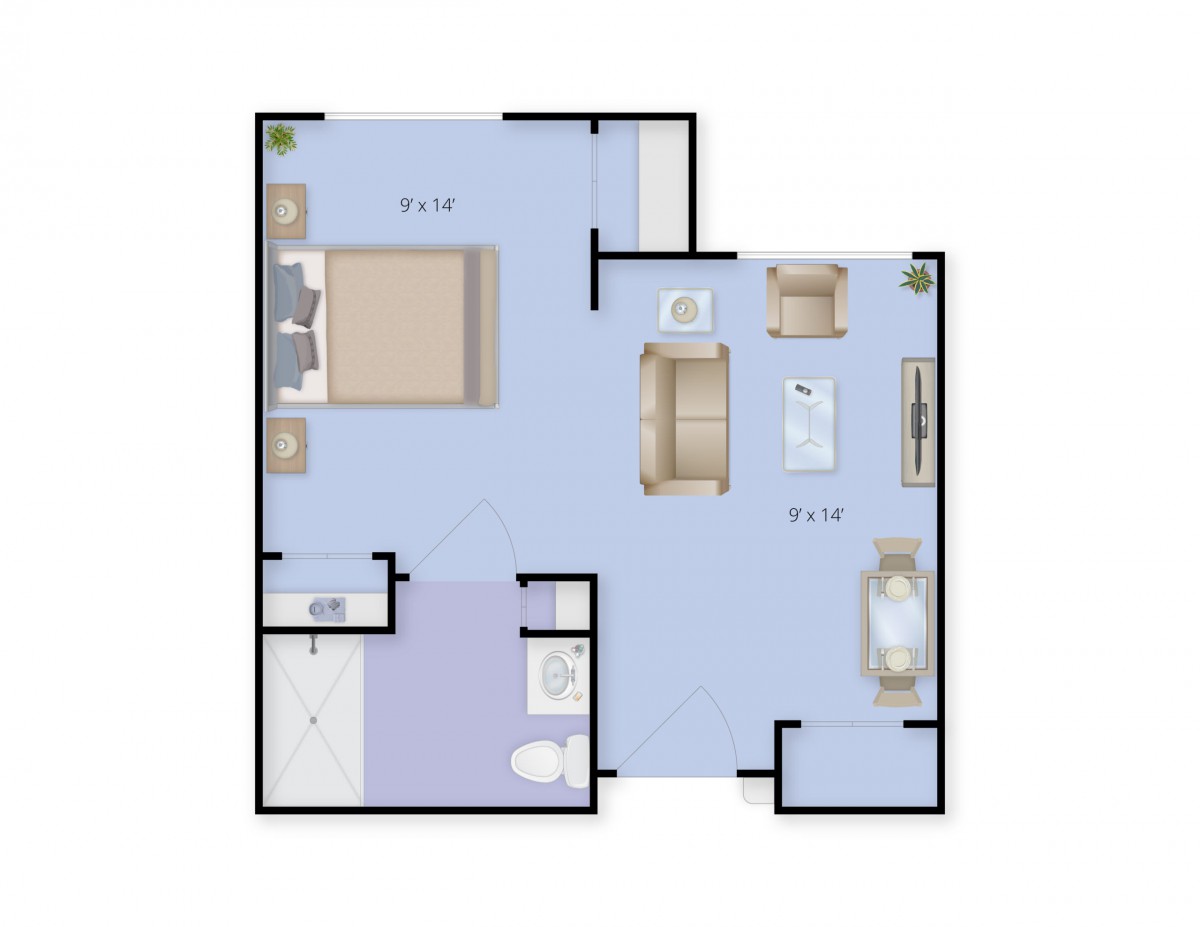
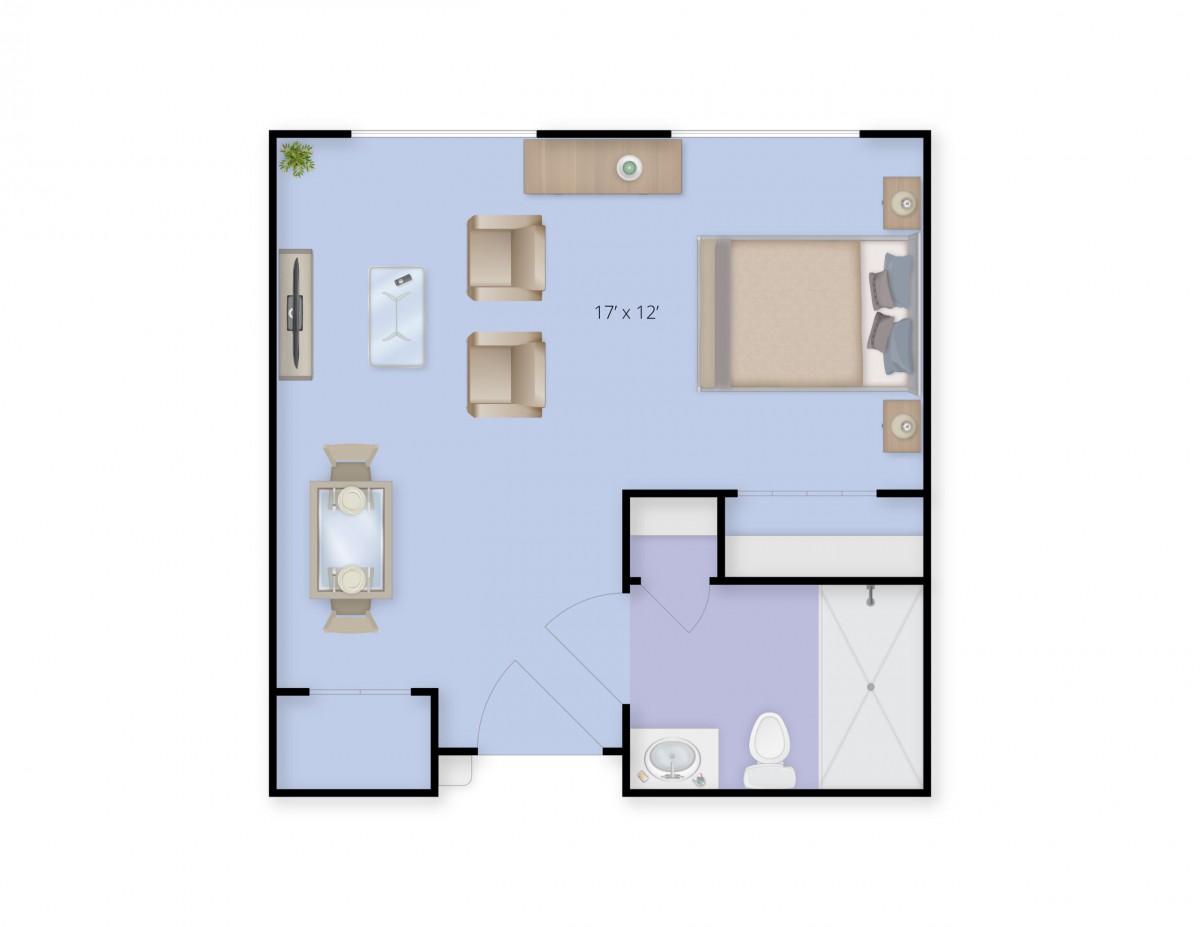
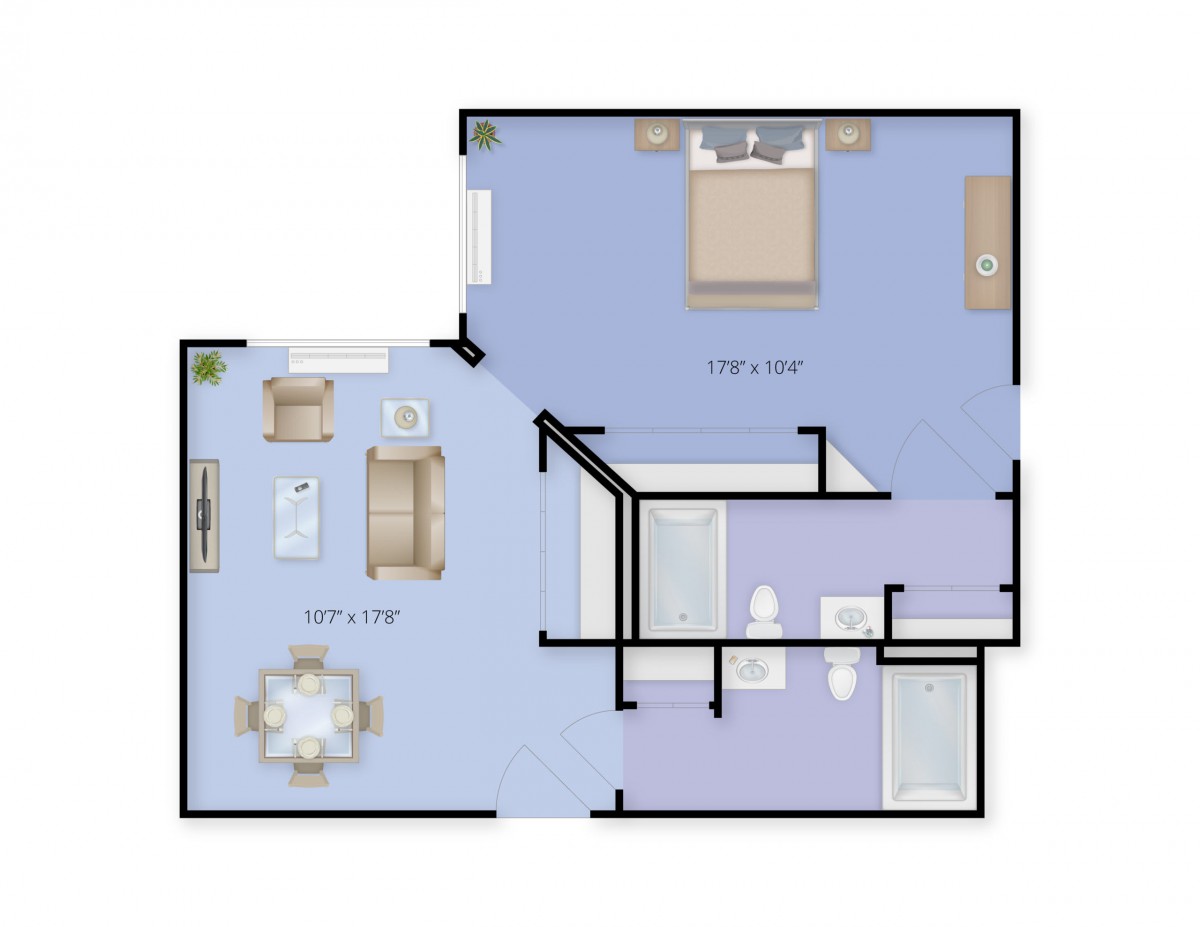
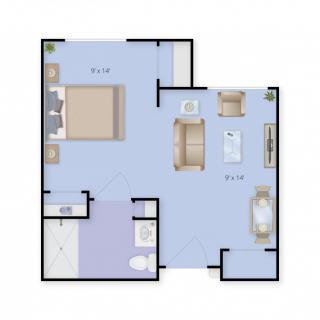
Floor plans
Juniper Village at Lincoln Heights
Bexar County
Texas
Studio
$3,670
$3,708
$3,758
1 Bedroom
$7,130
$3,506
$3,761
2 Bedrooms
$7,130
$3,962
$4,215
Skilled Nursing Facilities with a similar price nearby
Overall Review of Juniper Village at Lincoln Heights
caveat3 reviews mention this
Staff response times vary
Some residents’ families report delays when they needed help.
A few reviewers describe situations where call lights or requests for assistance did not get answered quickly, including trouble transferring, shower support taking too long, and medication arriving late. Others describe staff as attentive and quick to respond, so experiences appear inconsistent depending on the visit or need. Residents and families also mention that staffing levels can affect how fast help arrives.
caveat2 reviews mention this
Care can feel disorganized
Several families mention lapses in daily care execution.
Some reviewers say they had to stay present to make sure basic needs were met, describing missed medication refills and follow-through that did not happen as expected. Others mention more structured communication after moving in, including meetings and a clear plan. Overall, the reviews suggest care coordination can be uneven across situations.
common5 reviews mention this
Dining is a mixed experience
Dining quality and options are a recurring point in reviews.
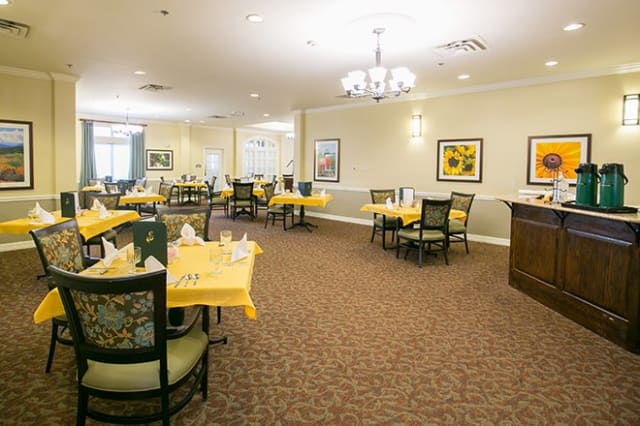
Many reviewers describe meals they enjoyed, including frequent praise of good food and the ability to select from menus. A smaller number of reviews are negative, citing poor or “terrible” meals and concerns about food being inappropriate for a medical condition. The community is positioned as offering restaurant-style dining and dining support, which lines up with how residents talk about meals—though not every review was satisfied.
common8 reviews mention this
Activities keep residents engaged
Reviews repeatedly highlight the variety of resident activities.
Multiple reviewers say the community keeps people engaged with ongoing scheduled activities, outings, and religious services. A number of residents and visitors also describe specific events like live music and social programming. This aligns with the community’s on- and off-site activity options and its scheduled daily activities.
caveat2 reviews mention this
Pricing feels higher for some
A couple of reviewers felt the cost was hard to justify.
Some families mention the studio price felt above what they expected, and that pricing can be a concern when comparing options. Others describe “reasonable pricing on large apartments,” which suggests cost satisfaction may depend on the unit type. The community’s pricing ranges appear to vary widely by apartment size, which likely contributes to those different impressions.
How we summarize
Counts show how many written reviews mention each theme; a review can touch several themes, and only frequently mentioned themes are displayed.
Features
Housing
97 resident community capacity
1-bedroom apartments
Studio apartments
Types of Care
Assisted Living
Continuing Care Retirement Community (CCRC)
Respite Care
Skilled Nursing Facility
Pets
Cats allowed
Dogs allowed
Amenities
Activities off-site
Activities on-site
Air-conditioning
Beautician on-site
Beauty salon
Cable or satellite TV
Computer center
Devotional services off-site
Devotional services on-site
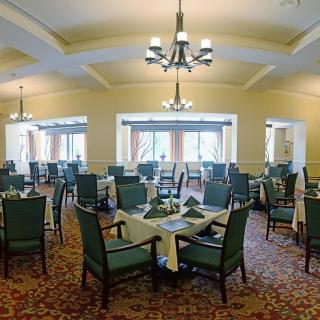
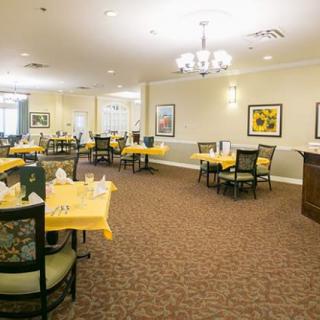
Dining room
Fitness room
Fully furnished
Gaming room
Garden
Garden view
Ground floor units
Handicap accessible
Housekeeping services
Indoor common areas
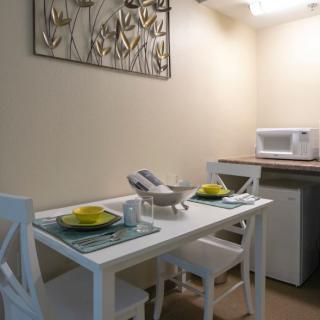
Kitchenette
Move-in coordination
Outdoor common areas
Outdoor space
Pet friendly
Private bathrooms
Respite or short term stays offered
Restaurant-style dining
Small library
Telephone
Wellness center
Wheelchair accessible showers
Wi-Fi/high-speed internet available
Transportation
San Antonio International (2 miles away)
Community operated transportation
Transportation arrangement
Transportation arrangement (non-medical)
Transportation to doctors appointments
Care Services
12-16 hour nursing
24-hour call system
24-hour supervision
Activities of daily living assistance
Assistance with bathing
Assistance with dressing
Assistance with transfers
Coordination with health care providers
Diabetes diet
Diabetic care
High acuity care
Incontinence care
Meal preparation and service
Medication management
Mental wellness program
Special dietary restrictions
Transportation arrangement (medical)
Transportation to doctors appointments
Dining
Anytime dining
Diabetes diet
Gluten-free
Guest meals
Low / no sodium
Meals provided
No Sugar
Organic
Professional chef
Restaurant style dining
Room service
Special dietary restrictions
Vegan
Vegetarian
Activities
Art classes
Bible study group
Catholic services
Community-sponsored activities
Concierge services
Cooking classes
Day trips and outings
Devotional activities offsite
Devotional activities on-site
Educational speakers / life long learning
Fitness programs
Live well programs
Other religious services
Planned day trips
Protestant services
Resident-run activities
Scheduled daily activities
Nearby Places of Interest
This part of San Antonio offers a convenient and diverse array of amenities for senior living. With various dining options such as Torchy's Tacos and Paesanos Lincoln Heights within walking distance, residents can enjoy a range of culinary experiences. Nearby pharmacies like Walgreens and CVS Pharmacy provide easy access to healthcare needs. Additionally, there are cafes like Starbucks and Habibi Cafe for socializing or grabbing a cup of coffee. For medical care, there are reputable physicians offices such as Heritage Pediatrics and Summit Children's Clinic in the vicinity. The area also boasts proximity to the San Antonio International Airport, making travel accessible if needed. Furthermore, there are entertainment options like Alamo Drafthouse Park North and places of worship including Temple Beth-El and St Ann's Catholic Church nearby for spiritual fulfillment. Overall, this neighborhood offers a well-rounded environment for seniors looking for convenience, healthcare access, recreational activities, and community engagement in San Antonio.
Restaurants
Torchy’S Tacos (0.1 miles)
Paesanos Lincoln Heights (0.2 miles)
Alamo Quarry Market (0.6 miles)
Soluna (0.7 miles)
Frontier Burger (1.4 miles)
Taco Palenque (1.4 miles)
McDonald's (1.6 miles)
Pharmacies
Walgreens (0.3 miles)
CVS Pharmacy (1 miles)
Walgreens (1.8 miles)
CVS Pharmacy (1.9 miles)
CVS Pharmacy (2.1 miles)
Walgreens (2.4 miles)
Walgreens (2.7 miles)
Cafes
Starbucks (0.5 miles)
Habibi Cafe (1.6 miles)
Theory Coffee Company (1.6 miles)
Starbucks (4.4 miles)
La Media Luna Cafe (4.6 miles)
Starbucks (4.7 miles)
Starbucks (5 miles)
Physicians
Heritage Pediatrics (0.6 miles)
MedFirst Primary Care (1 miles)
Kind Clinic (2.5 miles)
Drs Bloom & Lynch/Vision Source (2.7 miles)
Northeast Pediatric Associates (3 miles)
Summit Children's Clinic (3.2 miles)
SAGA - San Antonio Gastroenterology Associates, P.A. (4.2 miles)
Transportation
Terminal A (1.9 miles)
Terminal 1 Arrivals (2 miles)
Rental Car Center (2 miles)
San Antonio International Airport (SAT) (2 miles)
American Airlines (2.1 miles)
Southwest Airlines Cargo (2.4 miles)
Skyplace Center (2.7 miles)
Theaters
Alamo Drafthouse Park North (2.4 miles)
Places of Worship
Temple Beth-El (3.8 miles)
St George Episcopal School (3.9 miles)
St Ann's Catholic Church (4.1 miles)
Primera Iglesia Bautista Mexicana-San Antonio (4.9 miles)
Abiding Presence Lutheran Church (5.4 miles)
Hospitals
US Army (4.1 miles)
San Antonio Military Medical Center-SAMMC (4.3 miles)
Juniper Village at Lincoln Heights offers competitive pricing for its accommodations when compared to the broader landscape of Bexar County and Texas. For a studio, residents will find the monthly rate at Juniper Village is $3,670, which is slightly more economical than the Bexar County average of $3,708 and notably less than the state average of $3,758. However, the cost dynamics shift for larger units; both one-bedroom and two-bedroom apartments are priced at $7,130 per month, substantially higher than Bexar County's one-bedroom average of $3,506 and two-bedroom rate of $3,962. Even against the Texas averages of $3,761 for a one-bedroom and $4,215 for a two-bedroom, Juniper Village stands out as a premium option. This pricing structure reflects not only the quality of care and amenities offered but also positions Juniper Village as an upscale choice in a competitive market.
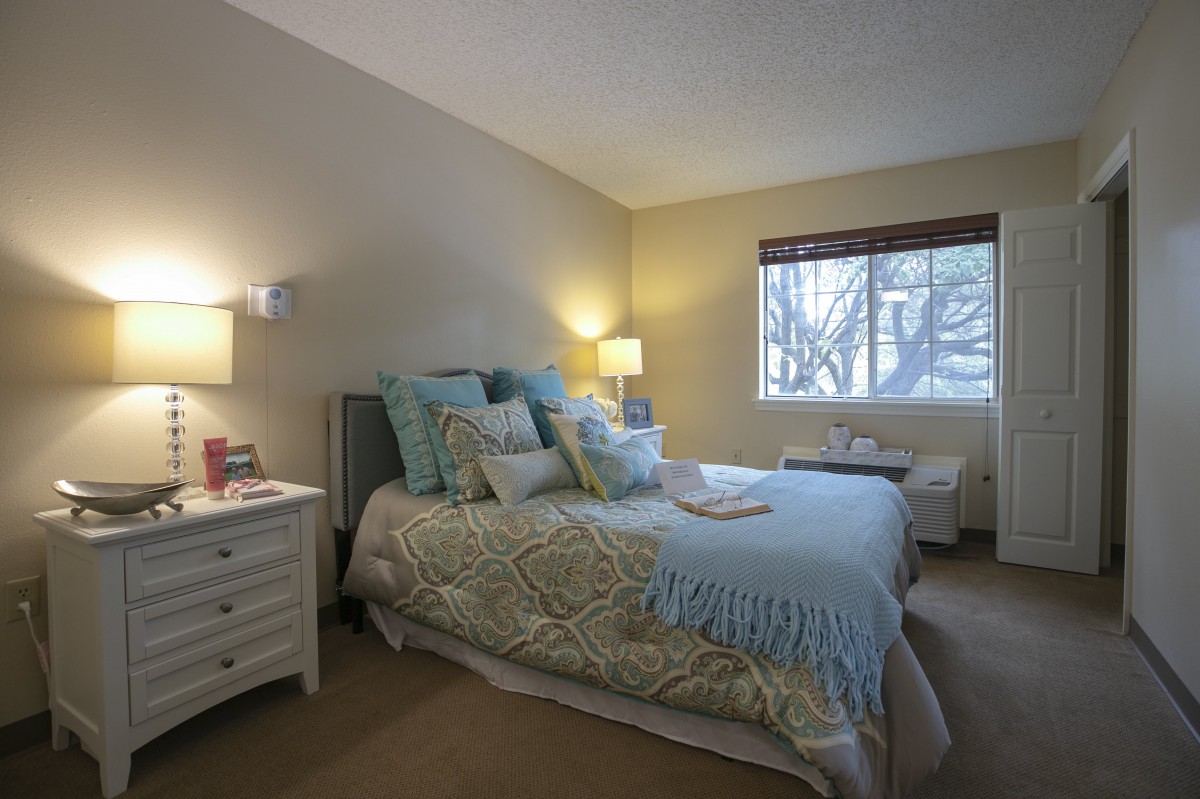
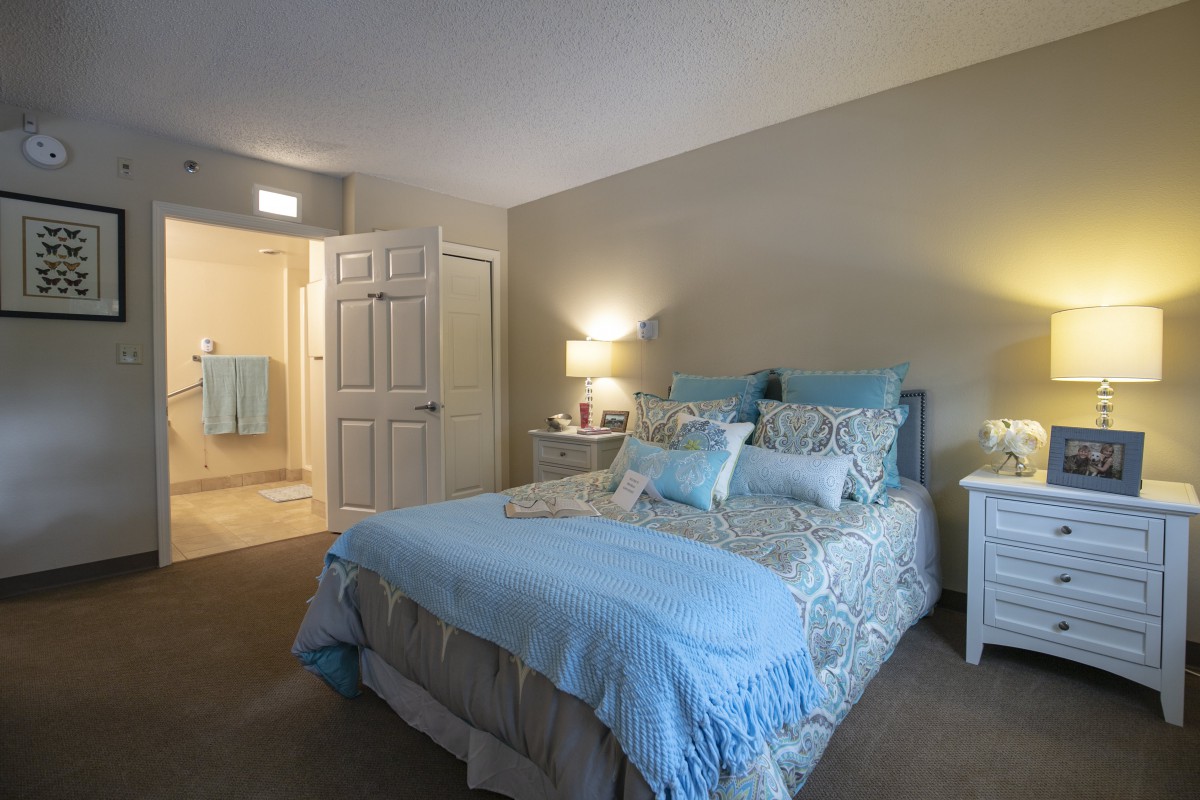
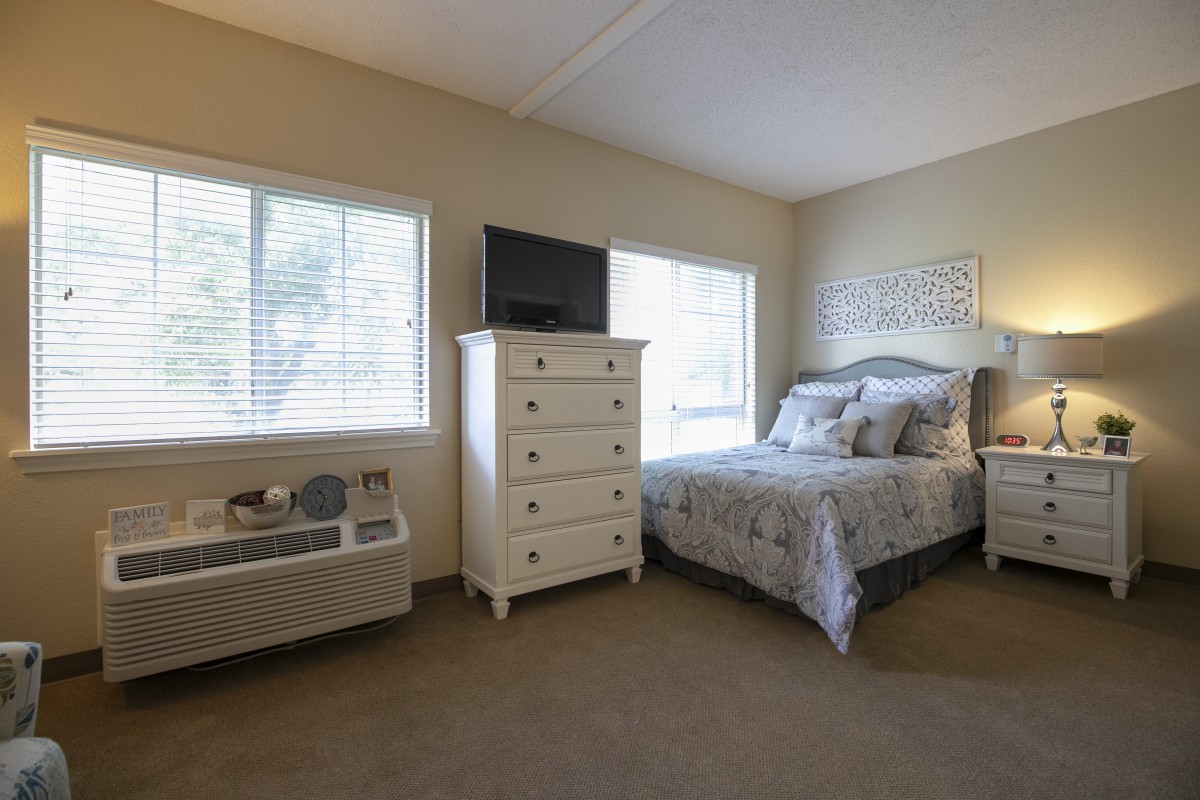
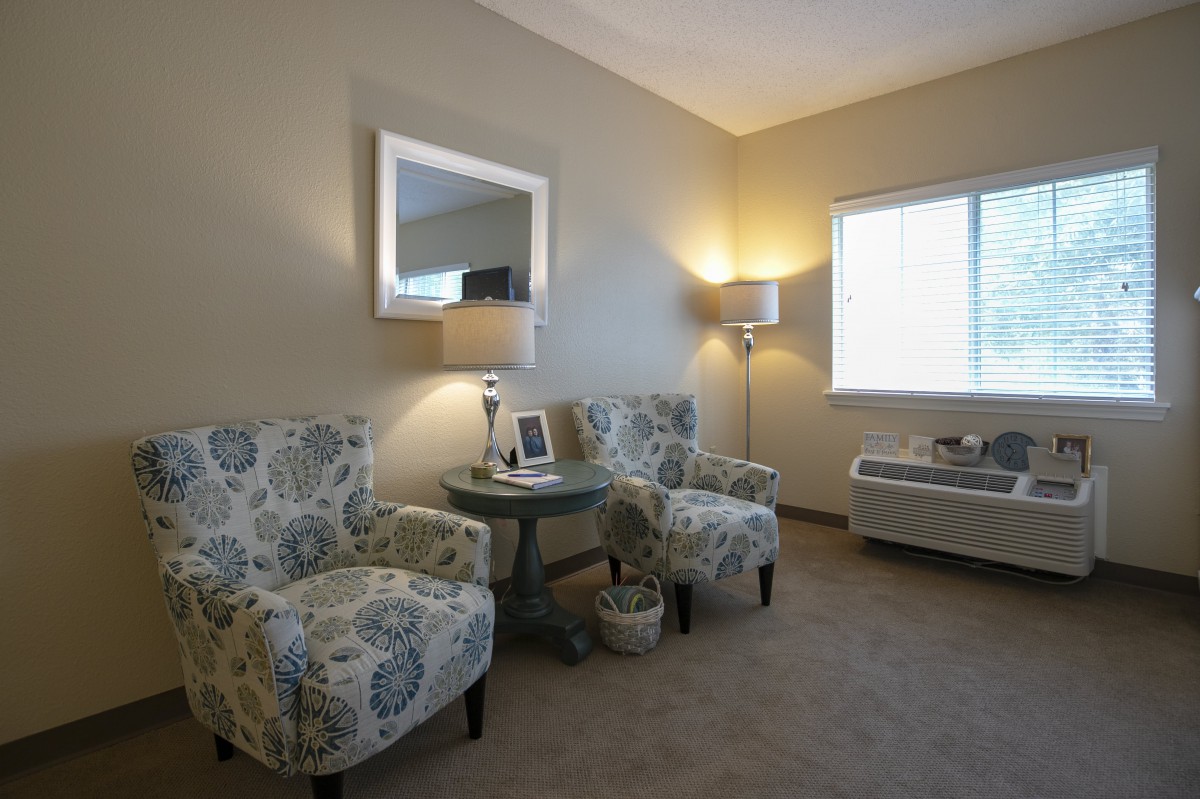
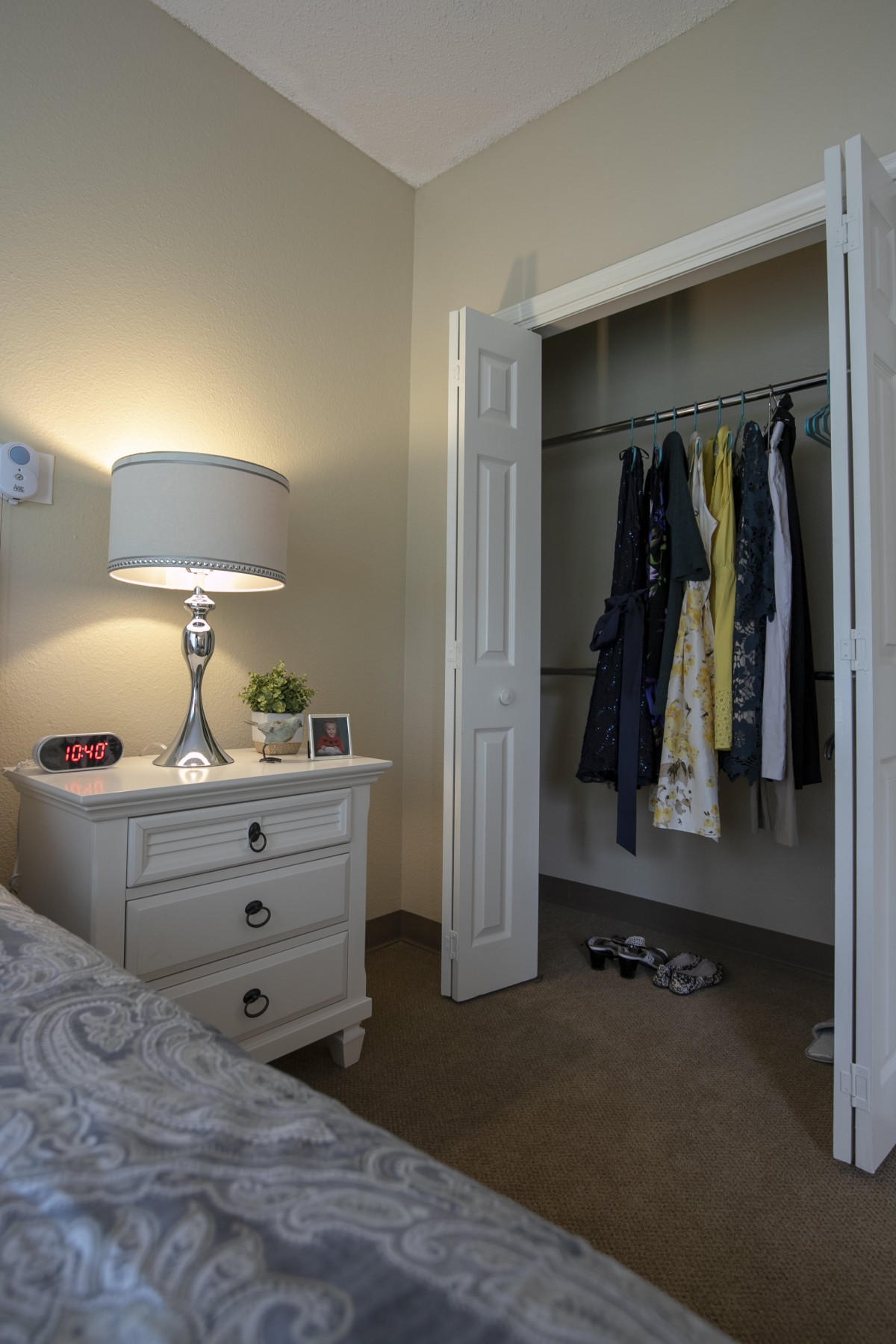
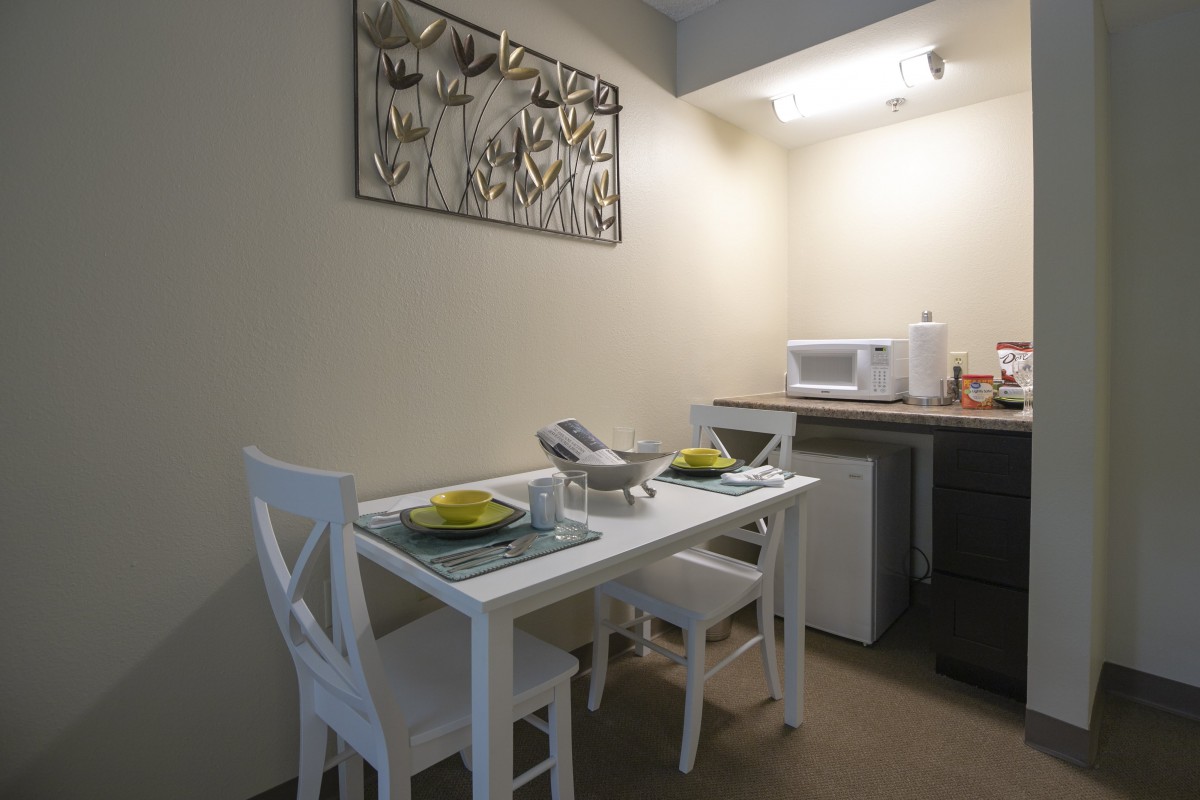
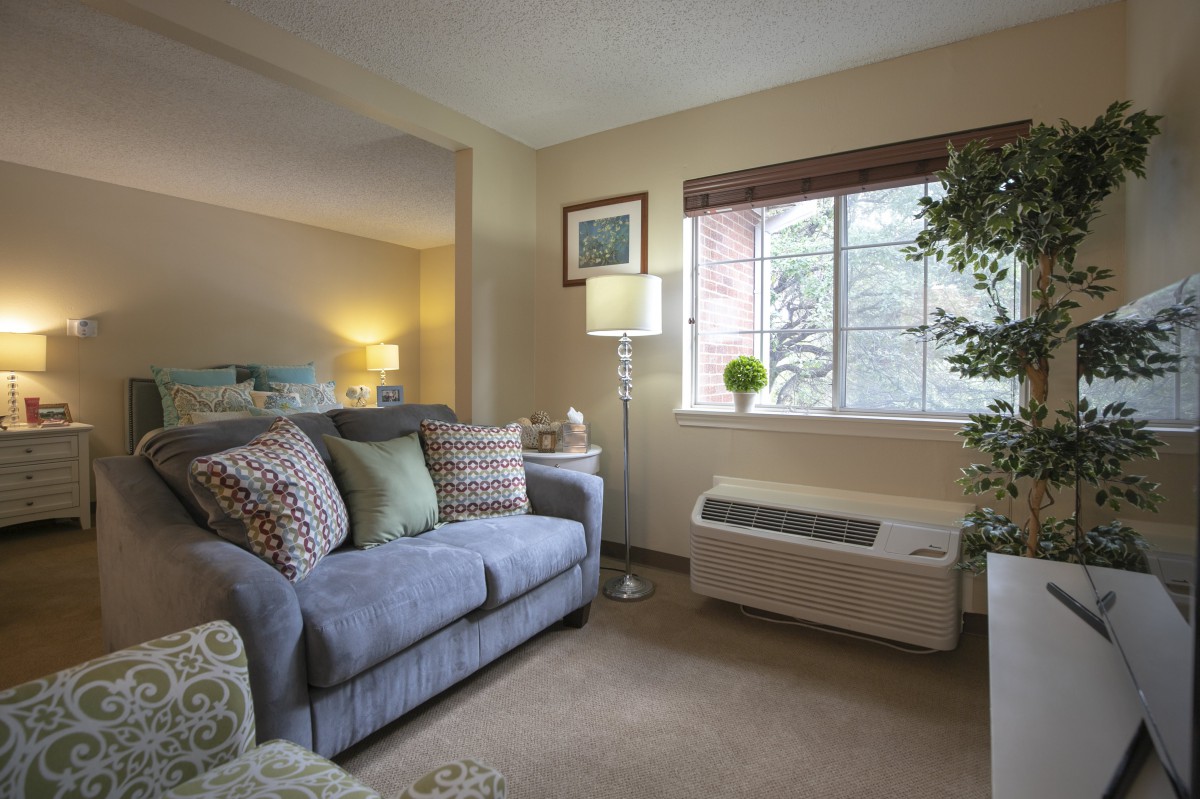
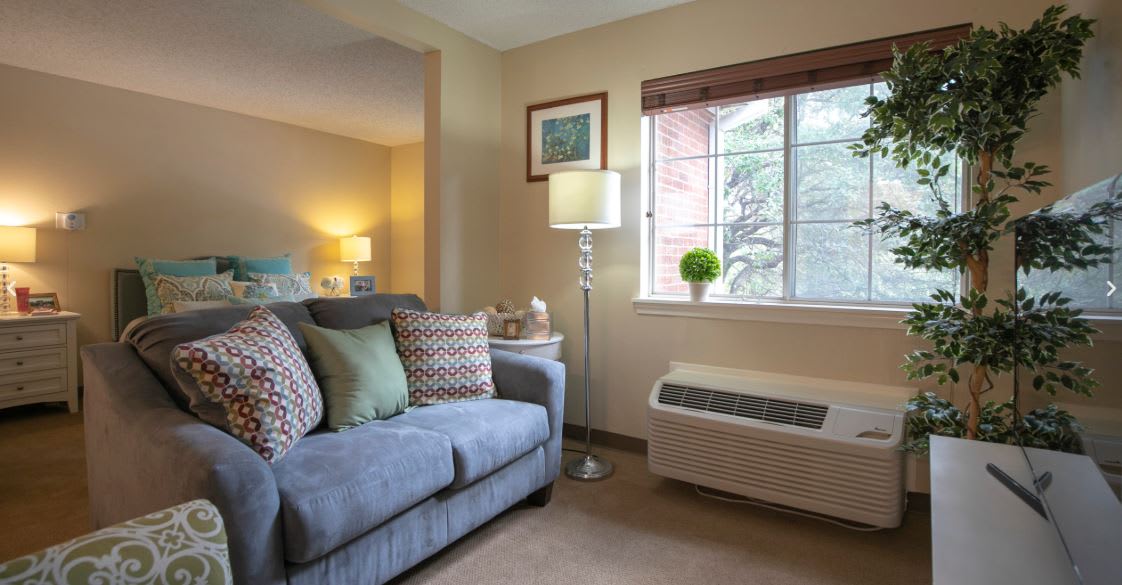
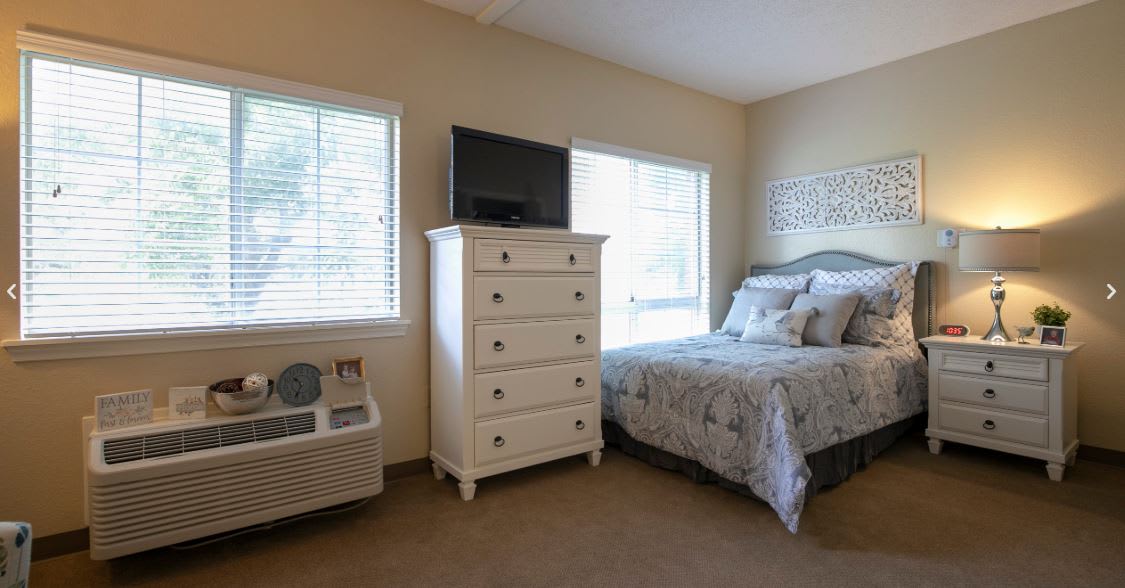
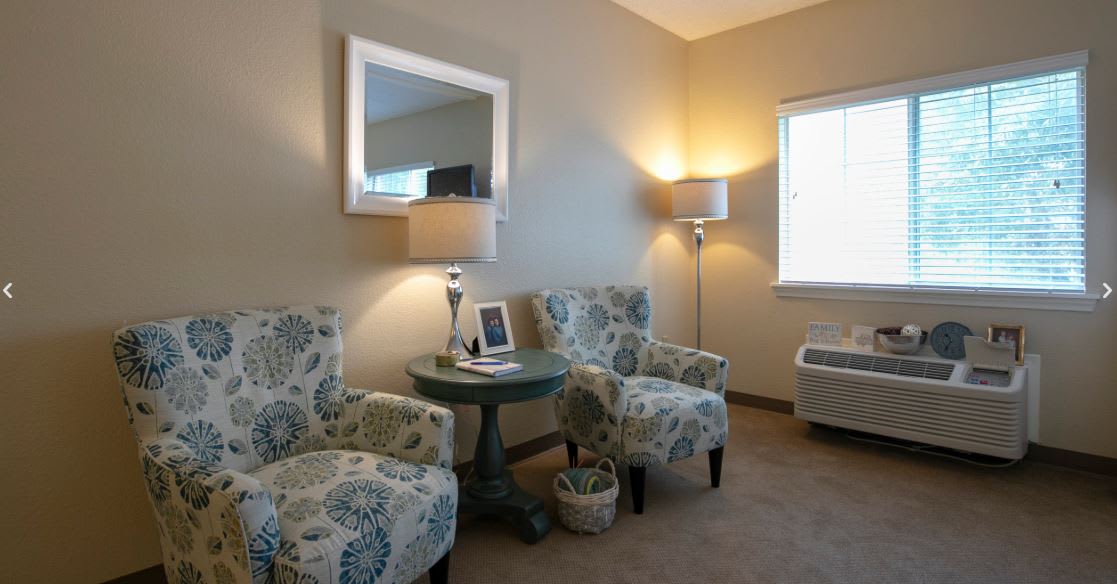
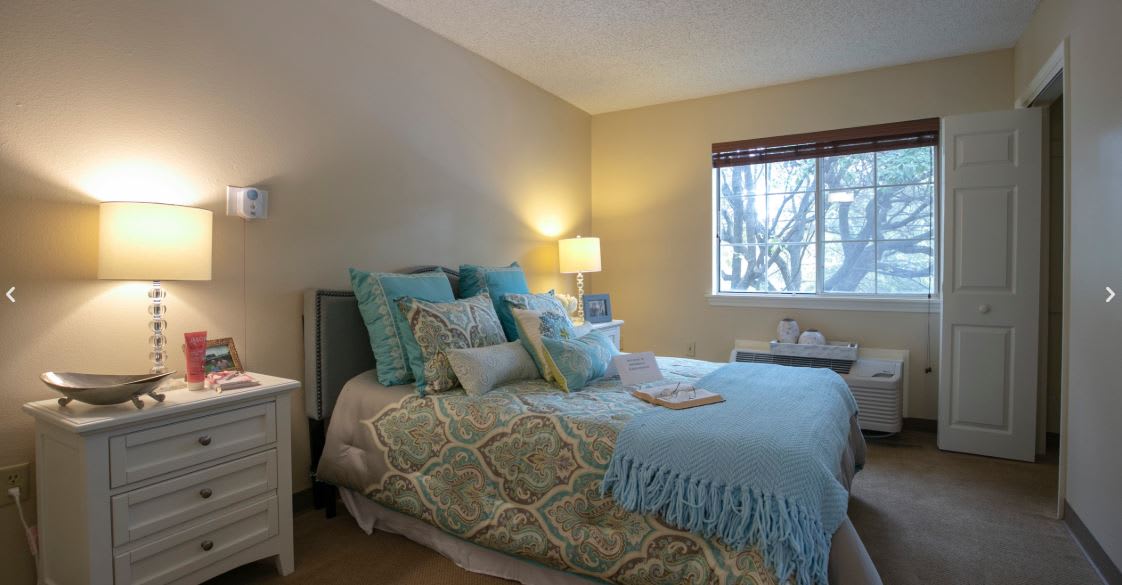
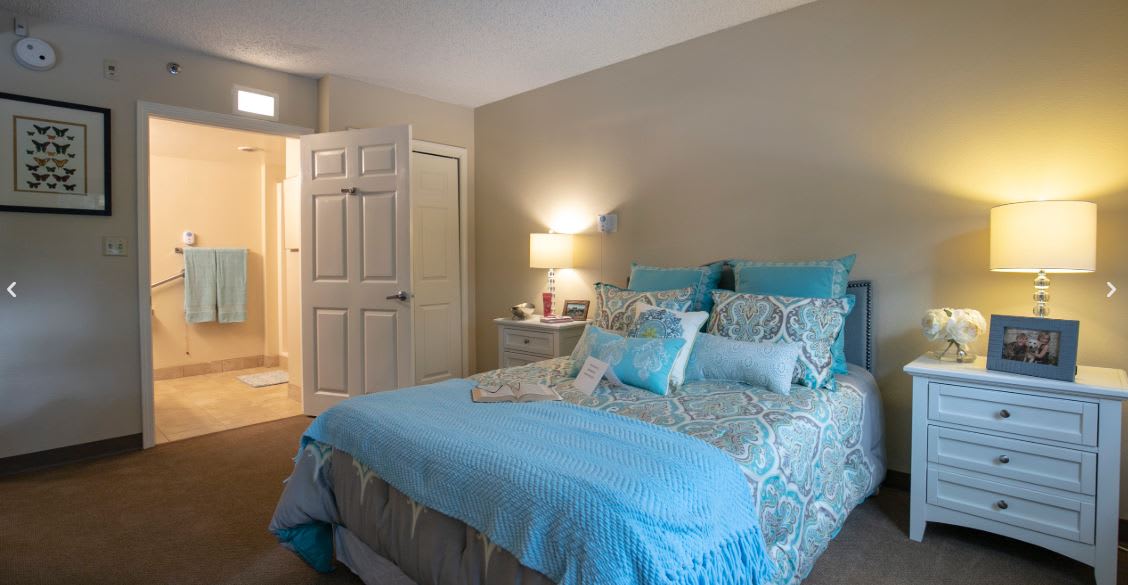
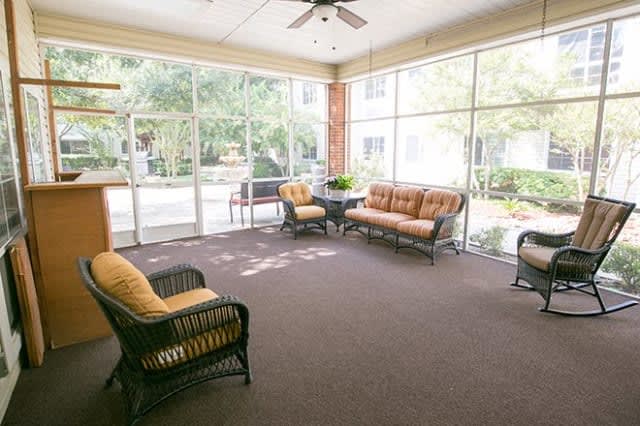
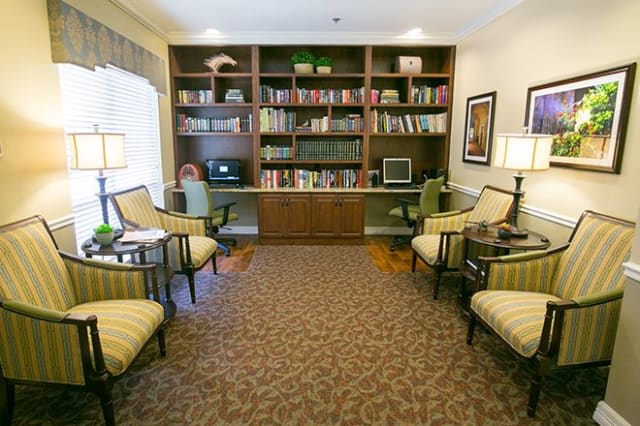
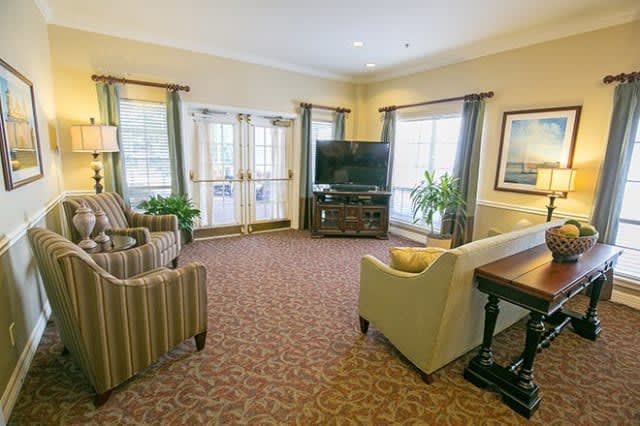
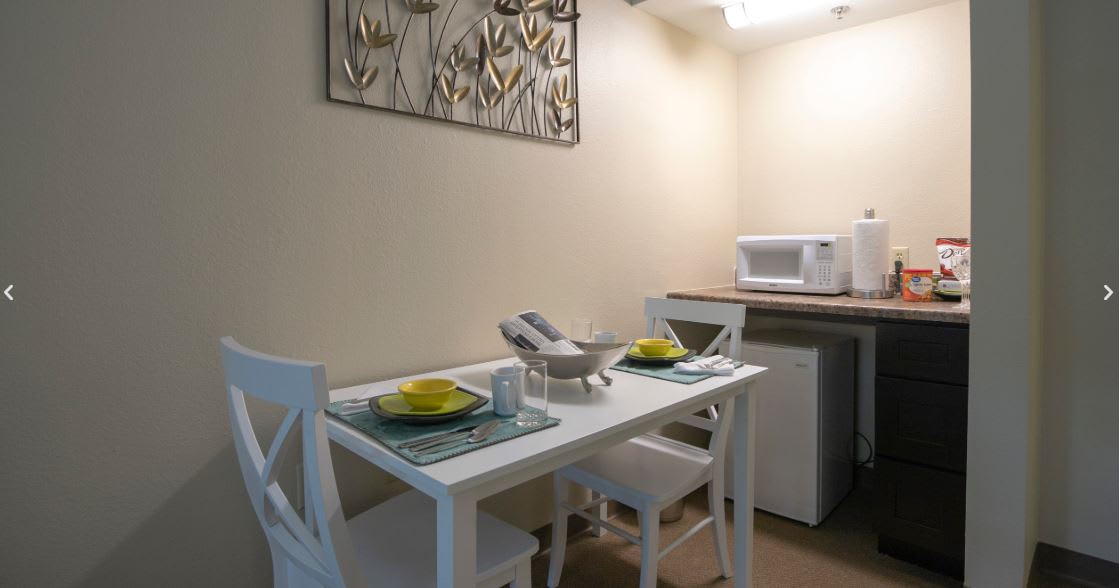
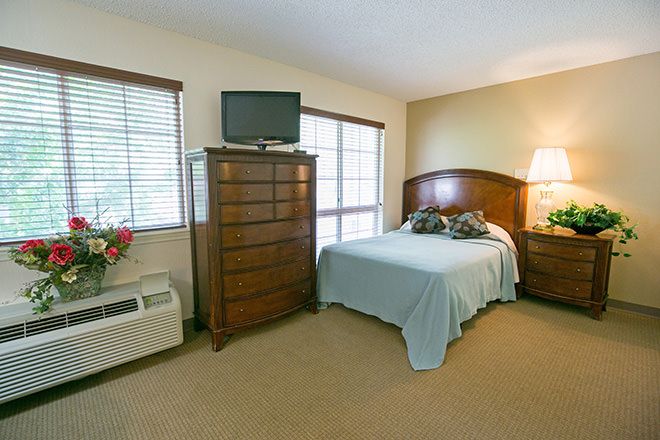
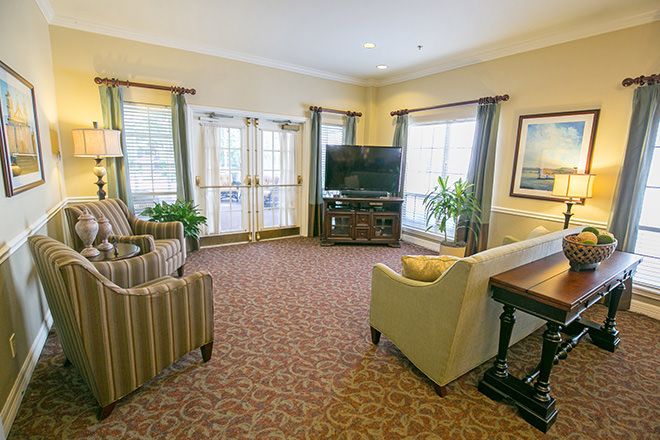
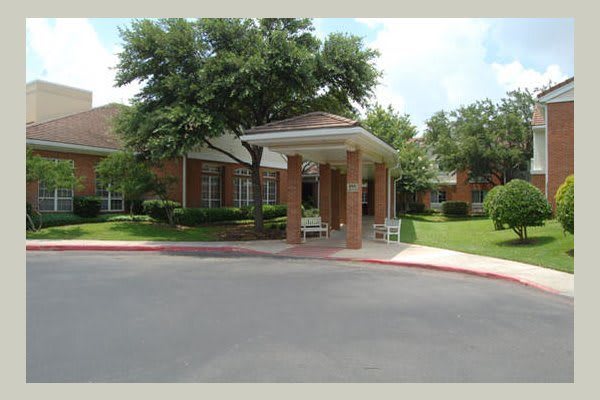
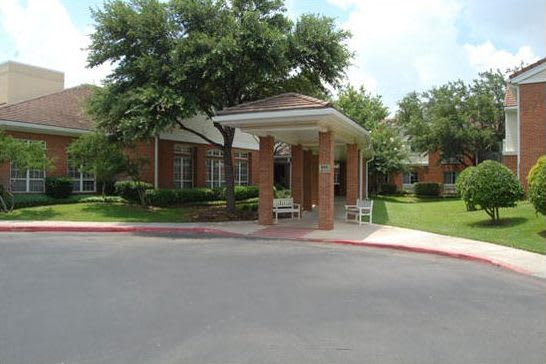
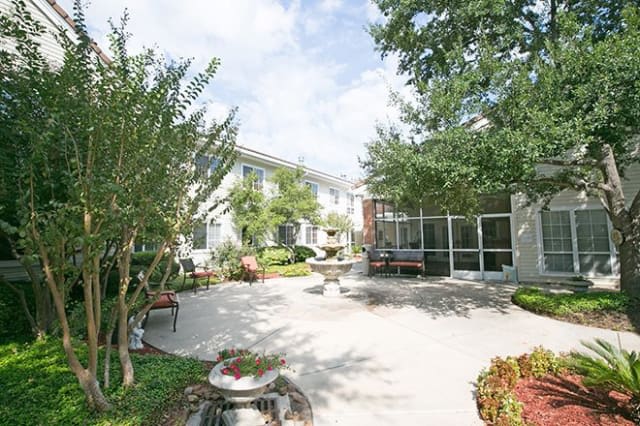
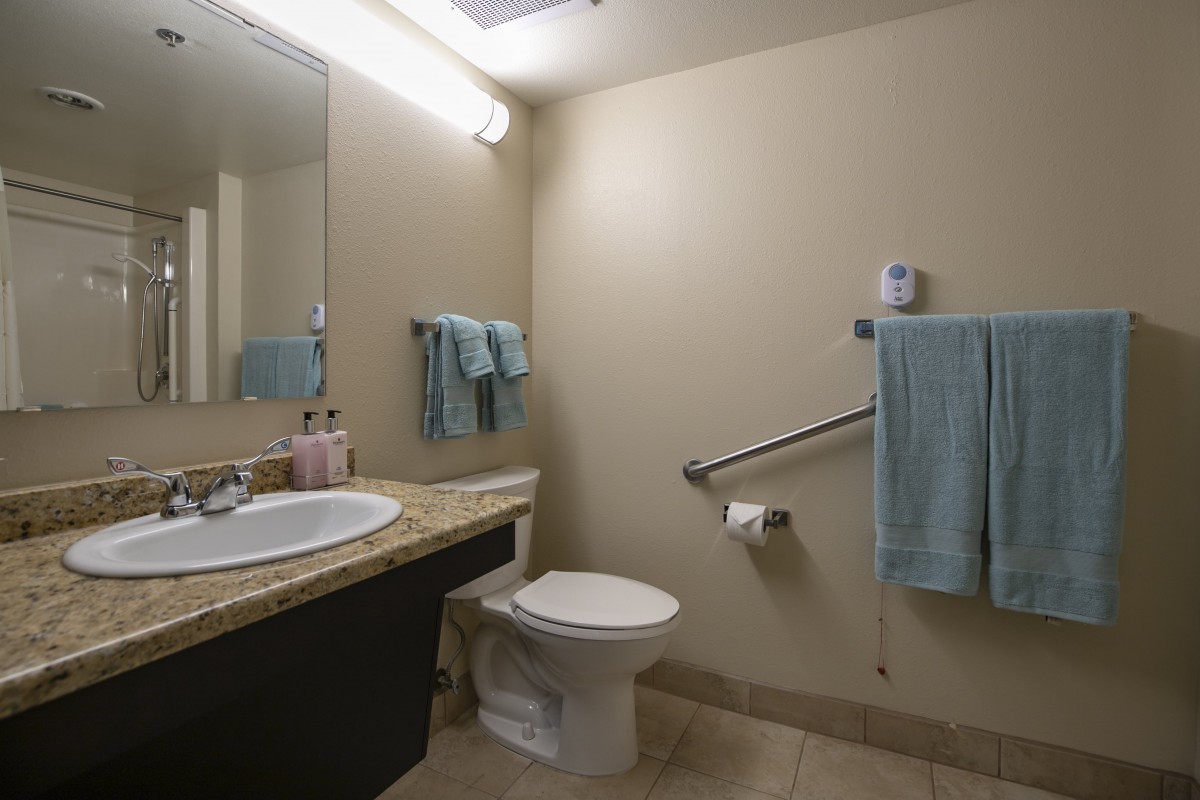
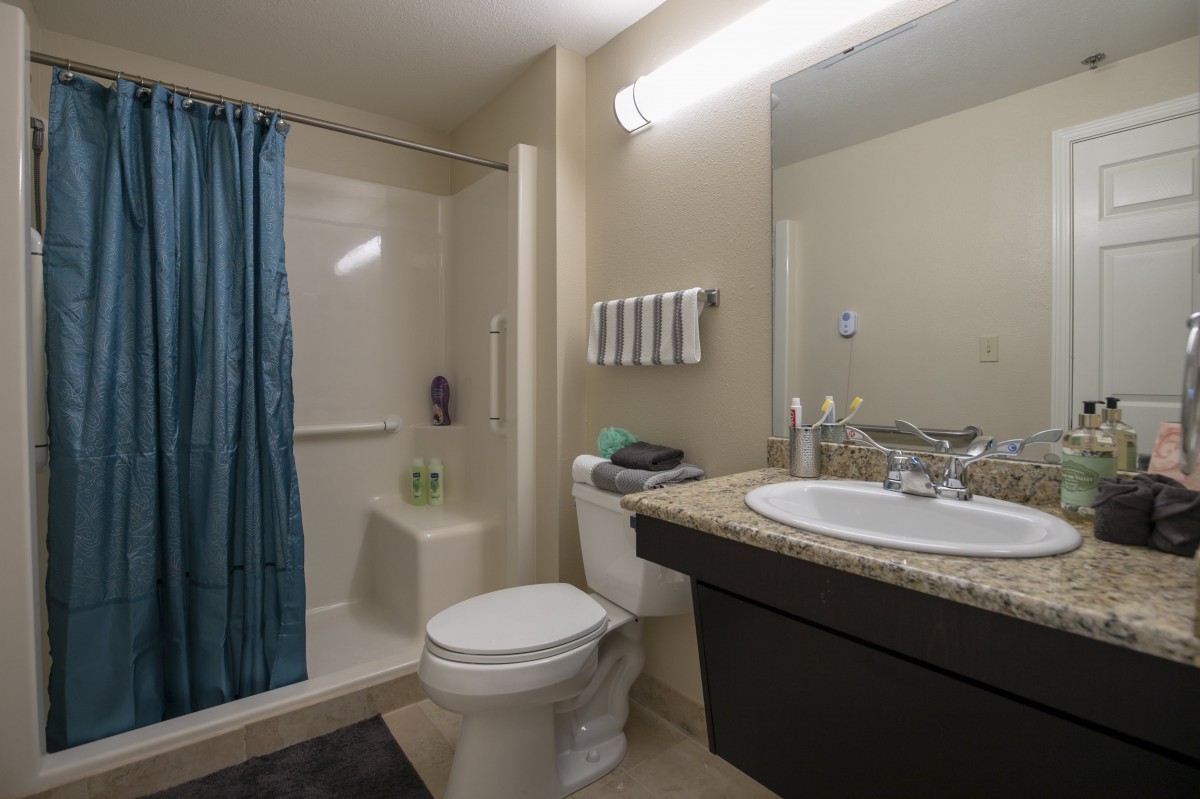
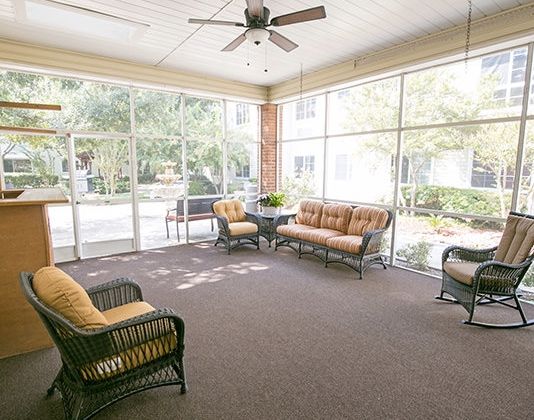
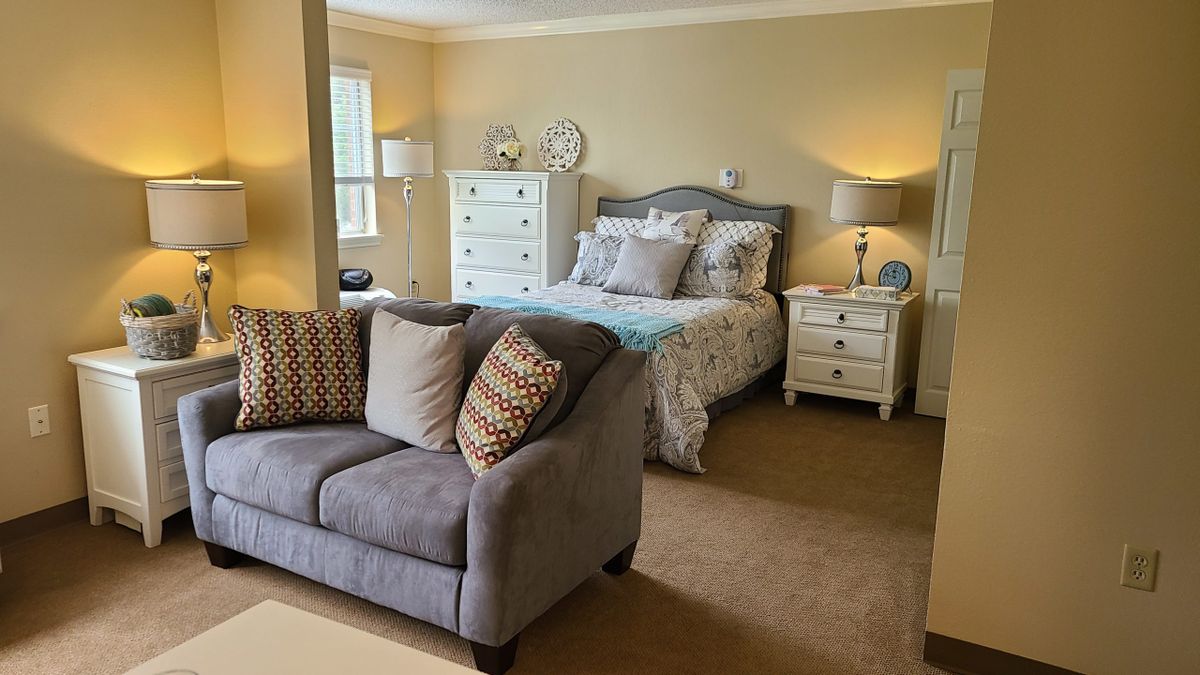
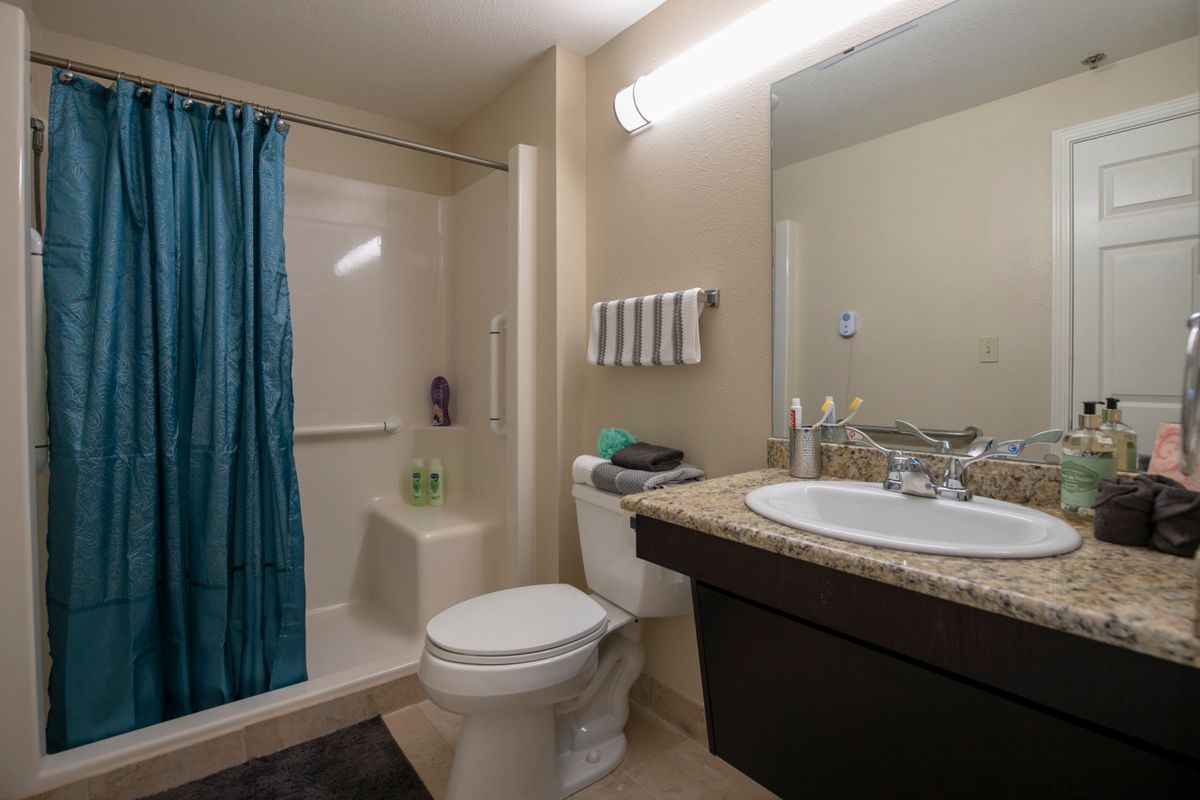
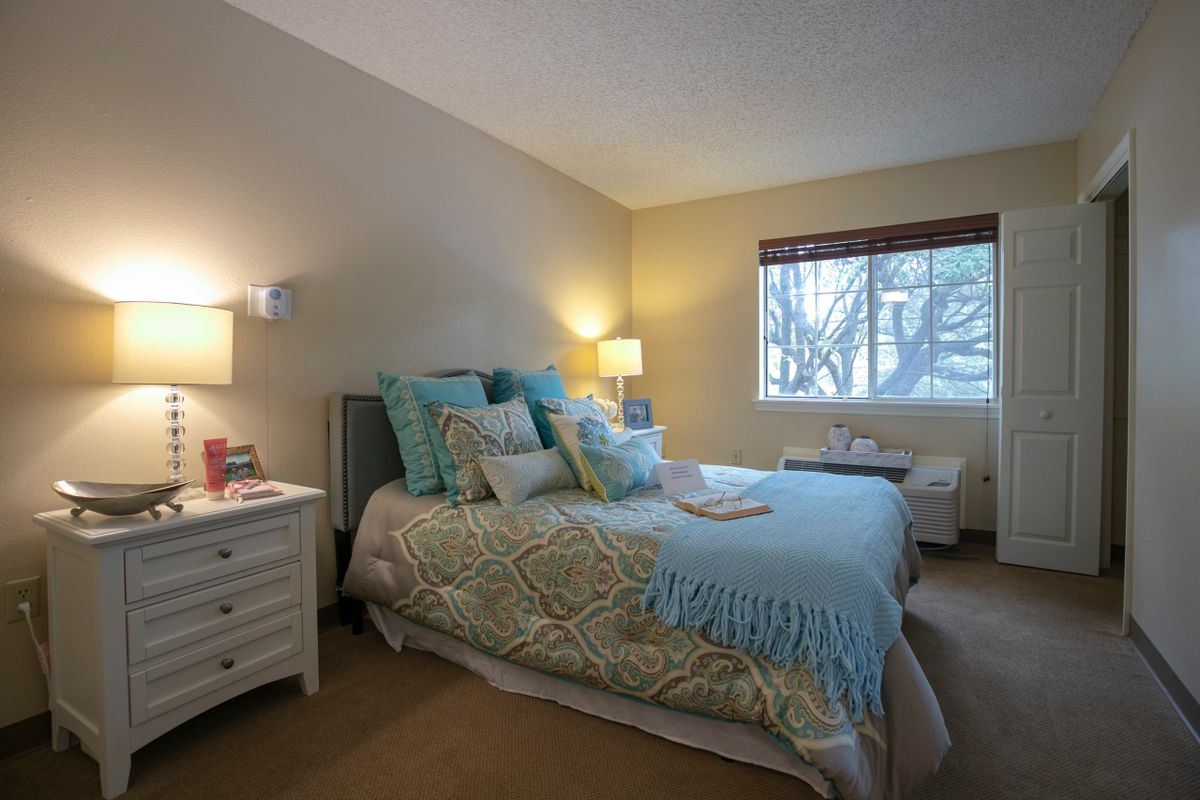
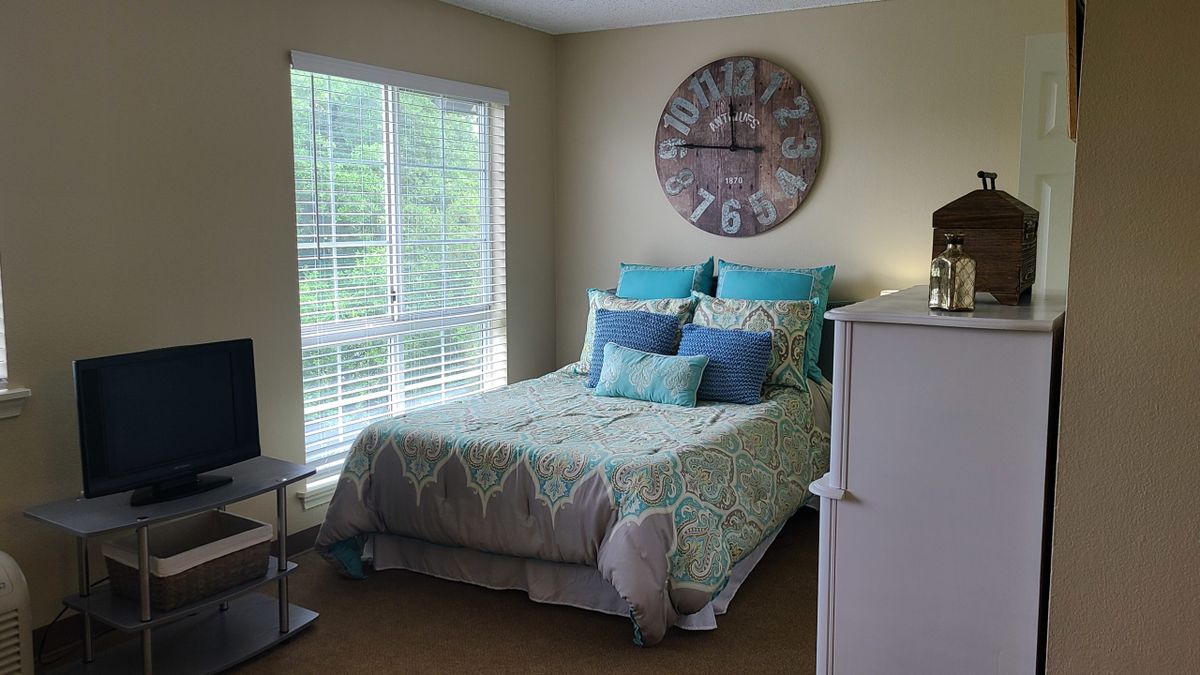
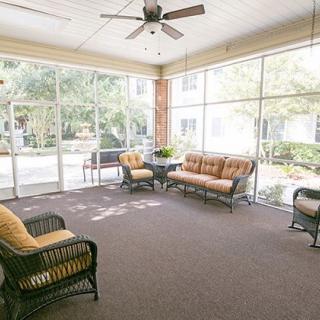
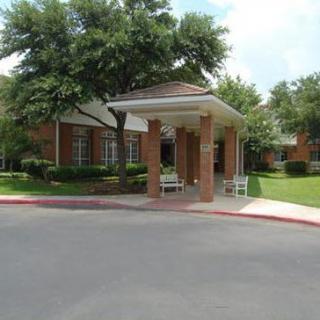
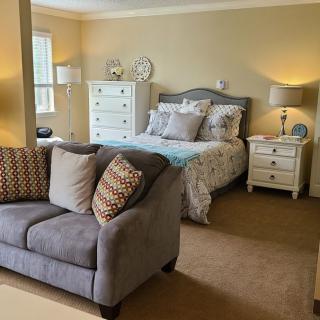
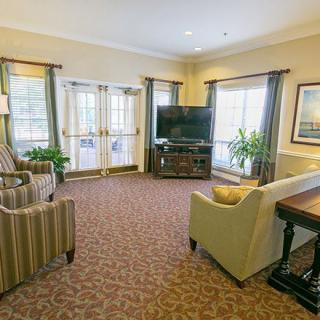
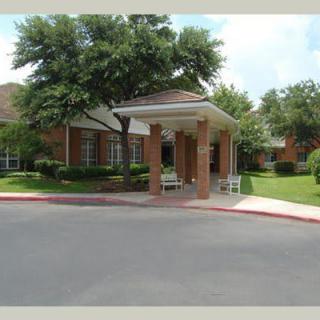
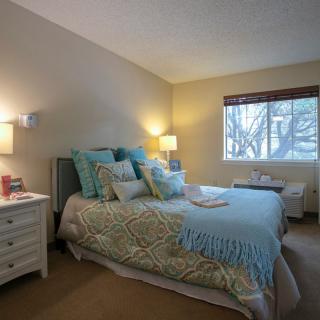
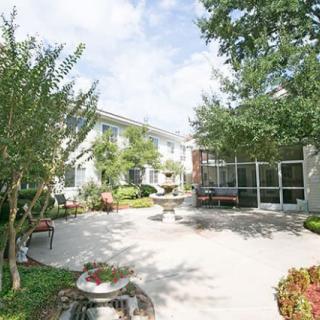
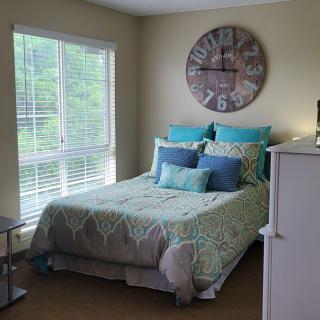
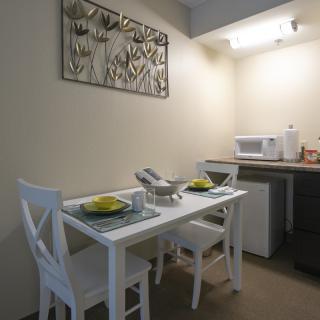
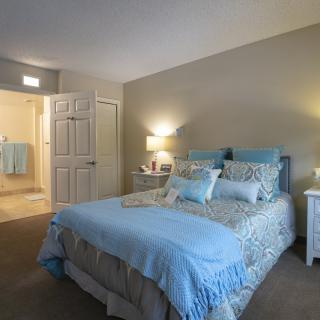
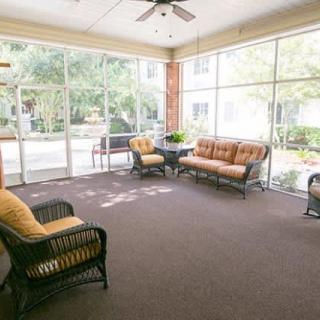
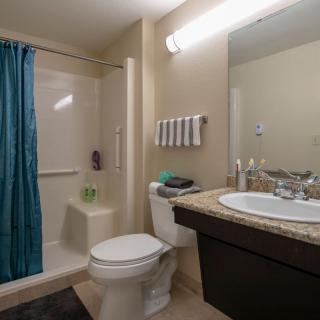
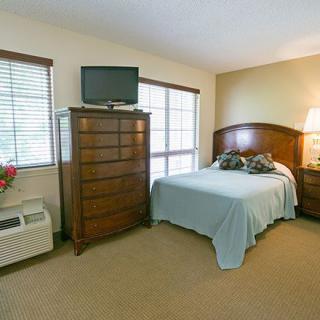
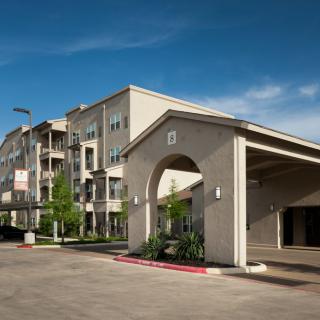
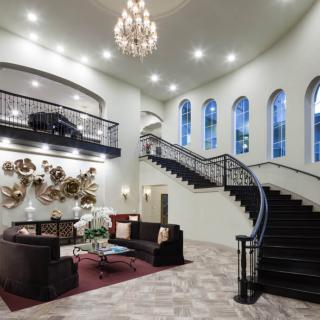
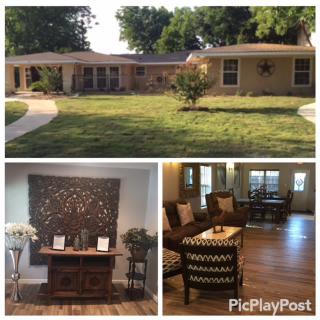
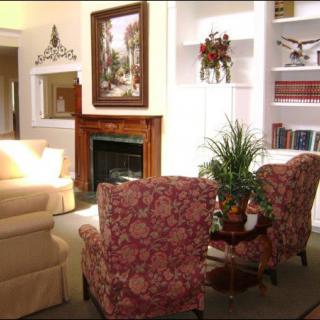
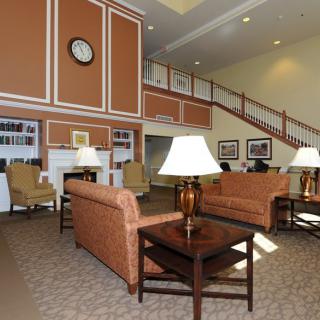
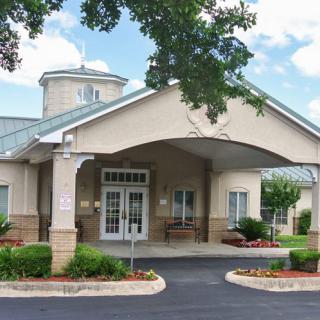
Juniper Village at Lincoln Heights on seniors.fyi includes 34 photos including images showing interior, bedroom, windows, decor, bathroom, floor plan, living room, television, and more.
Nearby Communities
The Forum at Lincoln Heights
San Antonio, TX
4.6 from 138 reviews
$3,140 to $4,510 / month
Friendly, caring staff in a well-maintained, active community with diverse dining and activities.
Franklin Park Alamo Heights IL
San Antonio, TX
4.2 from 53 reviews
$3,250 to $4,410 / month
Diabetic care specialization with diverse on-site activities and devotional services.
Franklin Park Alamo Heights
San Antonio, TX
4.2 from 78 reviews
$3,775 to $6,295 / month
Friendly, attentive staff; upscale, spacious apartments; strong activities and dining.
Franklin Park at Alamo Heights IL
San Antonio, TX
4.4 from 81 reviews
$3,435 to $4,470 / month
Upscale, spacious apartments with extensive on-site amenities.
Avionn Care
San Antonio, TX
3.8 from 13 reviews
Vibrant community with extensive nearby amenities and easy access to healthcare and transit.
Shining Stars Assisted Living
San Antonio, TX
4.3 from 9 reviews
$3,000 to $4,000 / month
Friendly staff; reasonable value.
Colonial Gardens - San Antonio
San Antonio, TX
4.5 from 55 reviews
$4,500 / month
Strong staff care in a home-like, intimate community with personalized attention.
The Gardens of Castle Hills
San Antonio, TX
4.4 from 110 reviews
$2,695 to $4,295 / month
Caring staff, warm community, and high-quality dining.
Brookdale Oakwell
San Antonio, TX
4 from 107 reviews
$4,195 to $4,900 / month
Caring staff with engaging activities and restaurant-style dining.
The article compares assisted living and skilled nursing facilities, detailing their differing levels of assistance, medical support, cost structures, and day-to-day experiences. It emphasizes that assisted living is for those needing help with daily activities while maintaining independence, whereas skilled nursing facilities provide intensive medical care with 24-hour staff supervision.
The transition from assisted living to skilled nursing care is often prompted by complex medical needs that assisted living cannot meet, with key indicators including frequent health declines, increased falls, severe memory issues, and caregiver burnout. Families should recognize these signs early to discuss options with healthcare providers and prepare for the emotional and logistical aspects of moving to a facility that offers comprehensive medical support.
Vibrant Senior Living emphasizes active senior living communities that promote independence and engagement through diverse amenities and activities, fostering wellness and social interaction among older adults. These communities range from independent to assisted living, with a focus on personal growth, family involvement, financial planning, and leveraging technology to enhance residents' experiences.
Get PricingAsk A QuestionSchedule A TourContact Senior Advisor
By clicking submit, you agree to our Partner's Terms of Use. You
also consent to receive calls and texts, which may be autodialed, from our Partner. Your consent is not a condition to
using our Partner's service. Please visit our Partner's Privacy Policy for information about their privacy practices.






 97 resident community capacity
 1-bedroom apartments
 Assisted Living
 Continuing Care Retirement Community (CCRC)
 Respite Care
 Skilled Nursing Facility
 Cats allowed
 Dogs allowed
 Activities off-site
 Air-conditioning
 Beautician on-site
 Cable or satellite TV
 Computer center
 Devotional services off-site
 Dining room
 Fitness room
 Fully furnished
 Gaming room
 Garden
 Ground floor units
 Handicap accessible
 Housekeeping services
 Indoor common areas
 Kitchenette
 Move-in coordination
 Outdoor common areas
 Pet friendly
 Private bathrooms
 Restaurant-style dining
 Small library
 Telephone
 Wellness center
 Wheelchair accessible showers
 Wi-Fi/high-speed internet available
 San Antonio International (2 miles away)
 Community operated transportation
 12-16 hour nursing
 24-hour call system
 Assistance with bathing
 Assistance with dressing
 Assistance with transfers
 Diabetes diet
 Diabetic care
 High acuity care
 Incontinence care
 Medication management
 Mental wellness program
 Special dietary restrictions
 Transportation arrangement (medical)
 Art classes
 Bible study group
 Concierge services
 Cooking classes
 Day trips and outings
 Educational speakers / life long learning
 Friendly, caring staff in a well-maintained, active community with diverse dining and activities.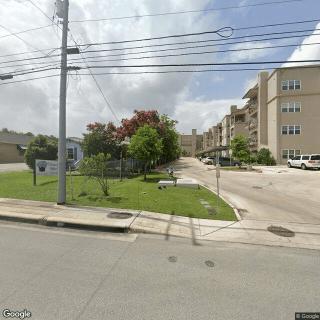

 Exploring the Contrasts Between Assisted Living and Skilled Nursing
 8 Key Indicators That Suggest It May Be Time to Transition from Assisted Living to Skilled Nursing Care
 Vibrant Senior Living: A Comprehensive Guide for Active Older Adults