The Gardens of Castle Hills offers a competitive pricing structure for its residents when compared to both Bexar County and the broader Texas region. For instance, the monthly cost for a studio apartment at The Gardens is $2,695, significantly lower than the county average of $3,708 and the state average of $3,758. Similarly, their one-bedroom units are priced at $3,695, which is slightly above Bexar County's average of $3,506 but remains favorable compared to the state's average of $3,761. Notably, semi-private accommodations are offered at $4,295; while this exceeds both local and state averages of $3,488 and $3,680 respectively, it reflects the enhanced services and amenities that The Gardens provides. Overall, The Gardens of Castle Hills represents an appealing option for those seeking quality living arrangements in a vibrant community setting.
Floor plans
The Gardens of Castle Hills
Bexar County
Texas
Studio
$2,695
$3,708
$3,758
1 Bedroom
$3,695
$3,506
$3,761
Semi-Private
$4,295
$3,488
$3,680
Skilled Nursing Facilities with a similar price nearby
Residents and families describe staff as attentive and receptive to concerns.
Several reviewers say staff are attentive to residents and quick to respond when concerns are raised. One reviewer specifically notes the owner being on premises and staff stopping to assist as needed. Others describe staff as making families feel supported as care needs come up.
common2 reviews mention this
Dining quality gets praise
Residents consistently speak positively about the quality of the meals.
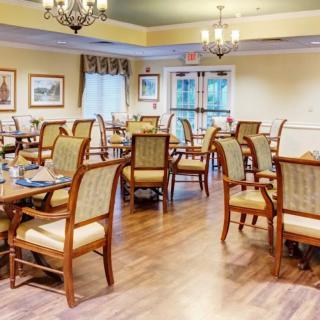
Food quality comes up in multiple reviews, with one reviewer calling the food very good and another highlighting the dining team’s long-term experience. The community offers restaurant-style dining, room service, and special dietary options such as low/no sodium and no sugar to match different needs.
common2 reviews mention this
Clean, quiet environment
Reviewers frequently mention cleanliness and a calm feel inside the building.
A couple of reviewers describe the community as clean, with one also mentioning it smells good and another emphasizing cleansiness right away during a tour. Another review describes the place as very quiet, suggesting a calmer atmosphere for daily life. This aligns with on-site offerings like housekeeping services and indoor common areas for residents to use throughout the day.
common2 reviews mention this
Activities feel structured
Residents and families mention regular activities and engaged participation.
Multiple reviewers talk about activity leadership and day-to-day engagement, including daily activity offerings and outings. One reviewer describes a memory-care activity coordinator leading to residents being actively involved in a painting activity. The community also lists group activities and life enrichment options like art classes, book club, gardening club, fitness programs, live performances, and planned day trips.
differentiator2 reviews mention this
Pricing feels affordable
Reviewers describe the community as reasonably priced and affordable.
Some reviewers say the community is affordable or among the more reasonably priced options they considered. The pricing range for listed units is also positioned below county and state benchmarks across studio, 1-bedroom, and semi-private types. If you’re comparing budgets, this could be a key factor when weighing cost versus the level of support you need.
How we summarize
Counts show how many written reviews mention each theme; a review can touch several themes, and only frequently mentioned themes are displayed.
Features
Housing
1-bedroom apartments
Studio apartments
Types of Care
Assisted Living
Memory Care
Skilled Nursing Facility
Pets
Cats allowed
Dogs allowed
Amenities
Activities off-site
Activities on-site
Air-conditioning
Beautician on-site
Cable or satellite TV
Cafe
Computer center
Devotional services off-site
Devotional services on-site
Dining room
Garden
Ground floor units
Guasts at mealtime
Guest parking
Handicap accessible
Housekeeping services
Indoor common areas
Kitchenette
Laundry
Outdoor common areas
Overnight guests
Party space
Private cleaning services
Private patio, deck, or balcony
Resident parking
Respite or short term stays offered
Security gate
TV room
VA Benefits Consultation
Wheelchair accessible showers
Wi-Fi/high-speed internet available
Transportation
San Antonio International (3 miles away)
Transportation & parking
Care Services
Ambulatory care
Companion care
Diabetic care
High acuity care
Hospice care
Incontinence care
Medication management
Personal care assistants
Physical therapy
Psychiatric care
Dining
Guest meals
International cuisine
Low / no sodium
Meals provided
No Sugar
Professional chef
Restaurant style dining
Room service
Special dietary restrictions
Special dining programs
Vegetarian
Activities
Activities off-site
Art classes
Arts and crafts
Book club
Catholic services
Cooking club
Day trips and outings
Devotional activities offsite
Devotional activities on-site
Educational speakers / life long learning
Fitness programs
Games
Gardening club
Happy hour
Karaoke
Live musical performances
Live well programs
Religious services
Stories
Visiting chaplain or priest
Wine tasting
Nearby Places of Interest
This part of San Antonio, Texas, offers a convenient and well-equipped area for senior living. With multiple pharmacies including Walgreens and CVS nearby, access to necessary medications is readily available. The proximity to medical facilities such as Texsan Heart Hospital and Methodist Hospital ensures quality healthcare services are easily accessible. Additionally, there are various dining options ranging from casual eateries like Whataburger to more upscale establishments like Pappadeaux Seafood Kitchen. For recreation, there are parks such as Phil Hardberger Park and Woodlawn Lake Park nearby for outdoor activities. Overall, this area provides a mix of essential amenities and recreational opportunities suitable for seniors looking for a comfortable living environment.
Pharmacies
Walgreens (0.7 miles)
CVS Pharmacy (0.9 miles)
Walgreens (2.1 miles)
Walgreens (2.7 miles)
Walgreens (2.7 miles)
CVS Pharmacy (2.8 miles)
Walgreens (2.8 miles)
Theaters
Alamo Drafthouse Park North (1 miles)
Restaurants
Las Palapas - Castle H (1.1 miles)
The Cheesecake Factory (1.2 miles)
Whataburger (1.4 miles)
Hawx Burger Bar & Electro Lounge (1.6 miles)
Pappadeaux Seafood Kitchen (1.6 miles)
Cracker Barrel (1.8 miles)
Charley's Cheesesteaks (1.9 miles)
Places of Worship
St George Episcopal School (1.8 miles)
Primera Iglesia Bautista Mexicana-San Antonio (3.4 miles)
St Ann's Catholic Church (3.9 miles)
Temple Beth-El (4.1 miles)
Cafes
Starbucks (2 miles)
Starbucks (2.6 miles)
Theory Coffee Company (3.5 miles)
Habibi Cafe (3.6 miles)
Physicians
Kind Clinic (2 miles)
Dilley Allergy & Asthma Specialists (2.4 miles)
Heritage Pediatrics (2.6 miles)
Yesnocovid (2.8 miles)
MedFirst Primary Care (3.4 miles)
Summit Children's Clinic (3.4 miles)
Parkhurst NuVision - San Antonio Office (3.4 miles)
Hospitals
Texsan Heart Hospital (2.5 miles)
Methodist Hospital (3.7 miles)
St Luke's Baptist Hospital (3.9 miles)
University Hospital (4 miles)
University Hospital Sky Tower (4 miles)
Audie L Murphy Memorial Veterans Hospital (4.2 miles)
Audie L. Murphy Memorial VA Hospital (4.2 miles)
Transportation
Southwest Airlines Cargo (2.5 miles)
Landmark Aviation (2.6 miles)
Rental Car Center (2.6 miles)
Terminal 1 Arrivals (2.7 miles)
Terminal A (2.7 miles)
San Antonio International Airport (SAT) (2.7 miles)
The Gardens of Castle Hills offers a competitive pricing structure for its residents when compared to both Bexar County and the broader Texas region. For instance, the monthly cost for a studio apartment at The Gardens is $2,695, significantly lower than the county average of $3,708 and the state average of $3,758. Similarly, their one-bedroom units are priced at $3,695, which is slightly above Bexar County's average of $3,506 but remains favorable compared to the state's average of $3,761. Notably, semi-private accommodations are offered at $4,295; while this exceeds both local and state averages of $3,488 and $3,680 respectively, it reflects the enhanced services and amenities that The Gardens provides. Overall, The Gardens of Castle Hills represents an appealing option for those seeking quality living arrangements in a vibrant community setting.
The Gardens of Castle Hills offers incontinence care, which ensures that residents maintain dignity and comfort while addressing a common challenge associated with dementia and Alzheimer's. This specialized support reduces anxiety and promotes a sense of security, enabling residents to focus on their daily activities without the distress that can arise from incontinence issues. Medication management is another critical feature, as it helps ensure that residents receive their necessary medications accurately and consistently, thereby minimizing confusion and potential health complications. Furthermore, physical therapy plays a vital role in maintaining mobility and strength, providing tailored exercises that adapt to each resident's abilities. This holistic approach not only enhances physical well-being but also supports cognitive function, ultimately contributing to an improved quality of life for those living with memory impairments.
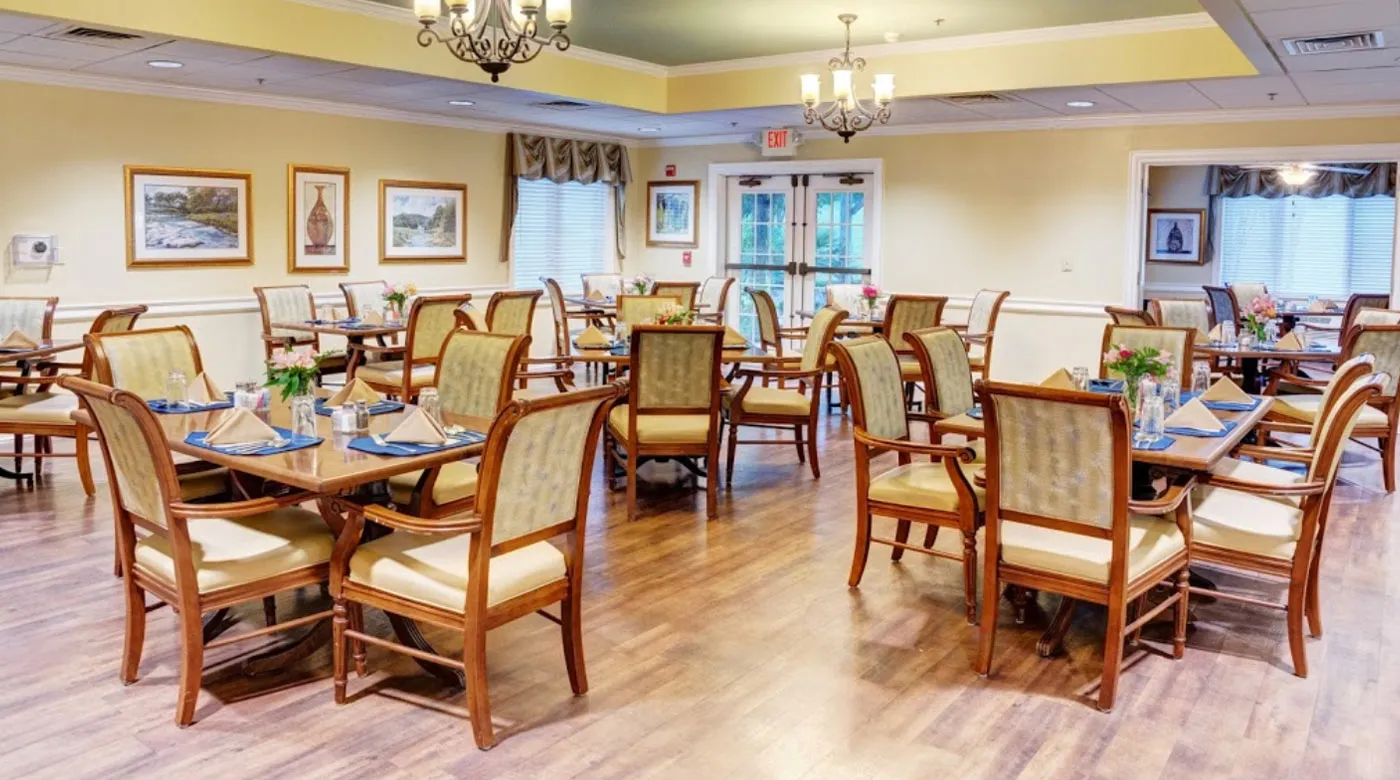
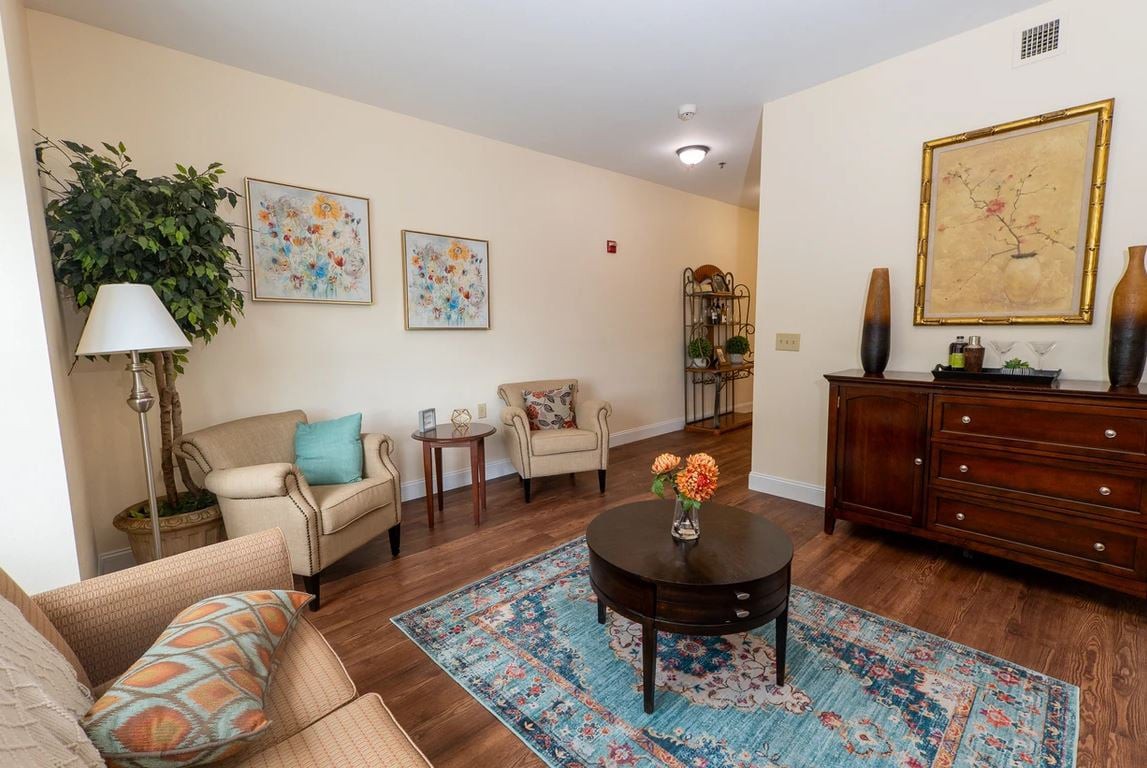
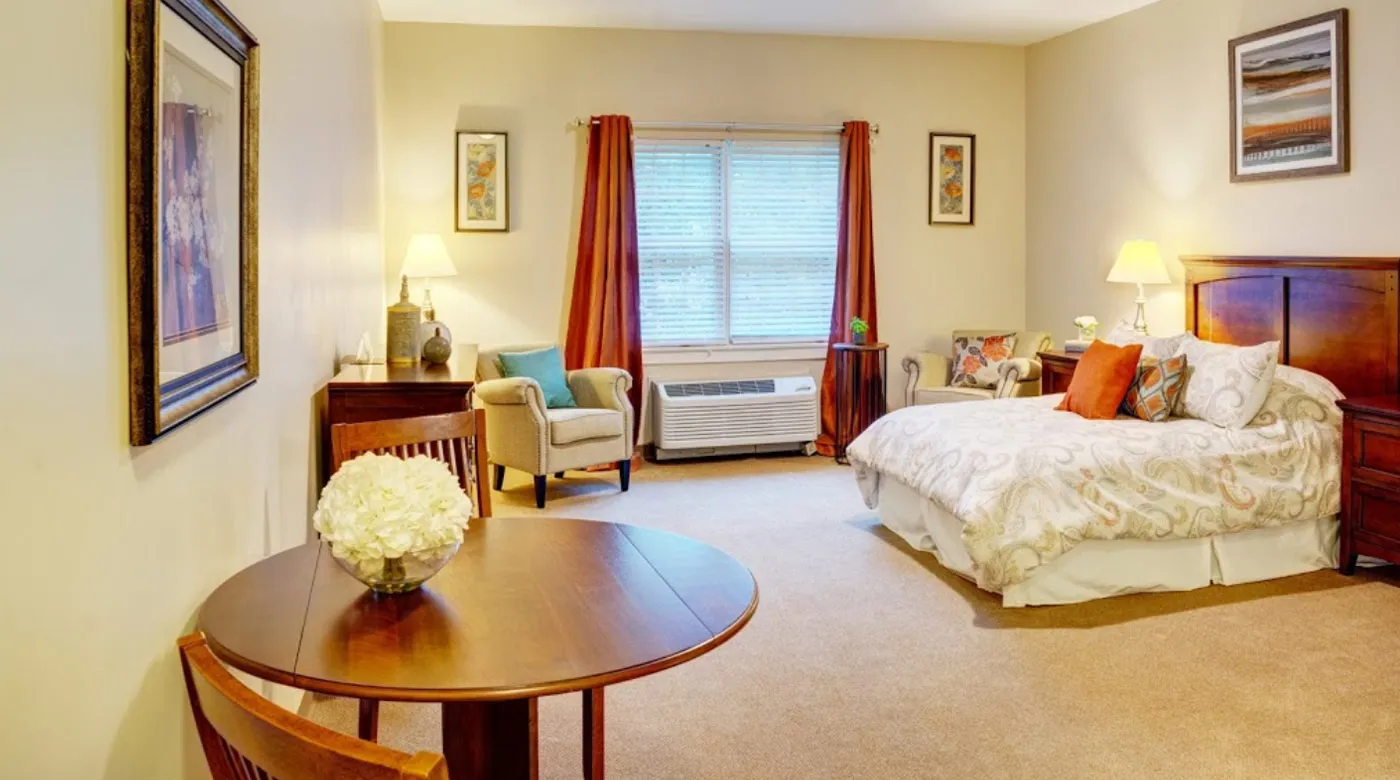
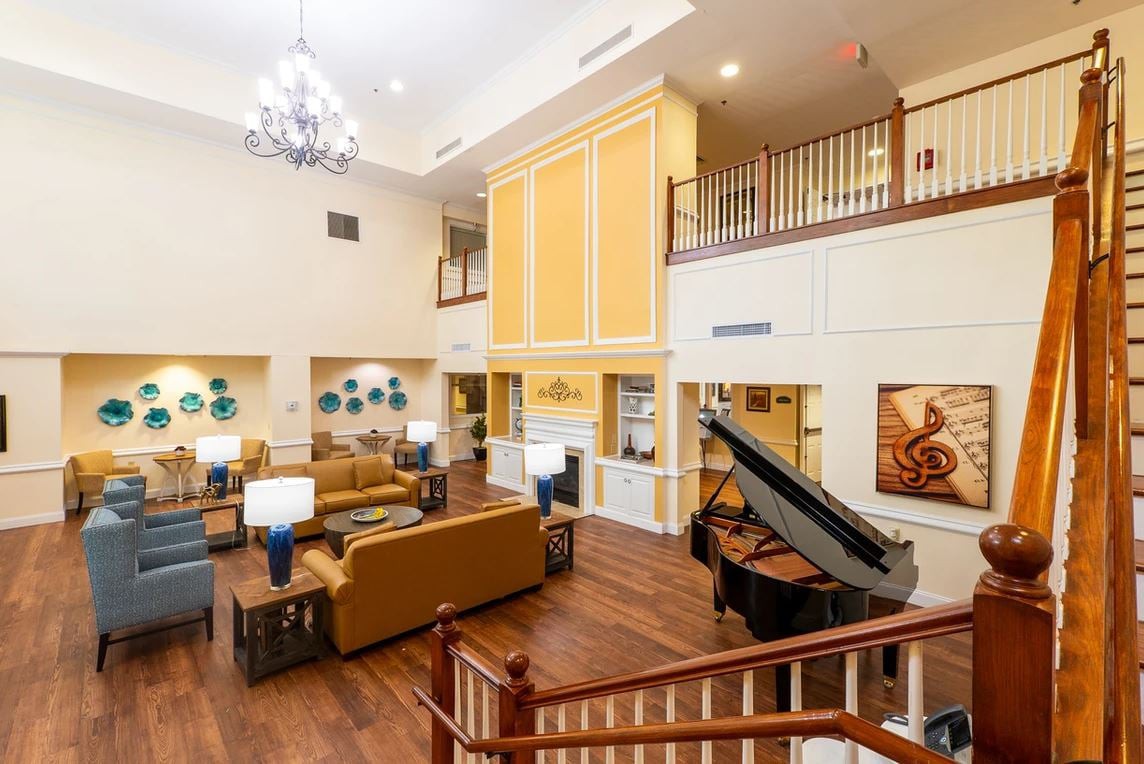
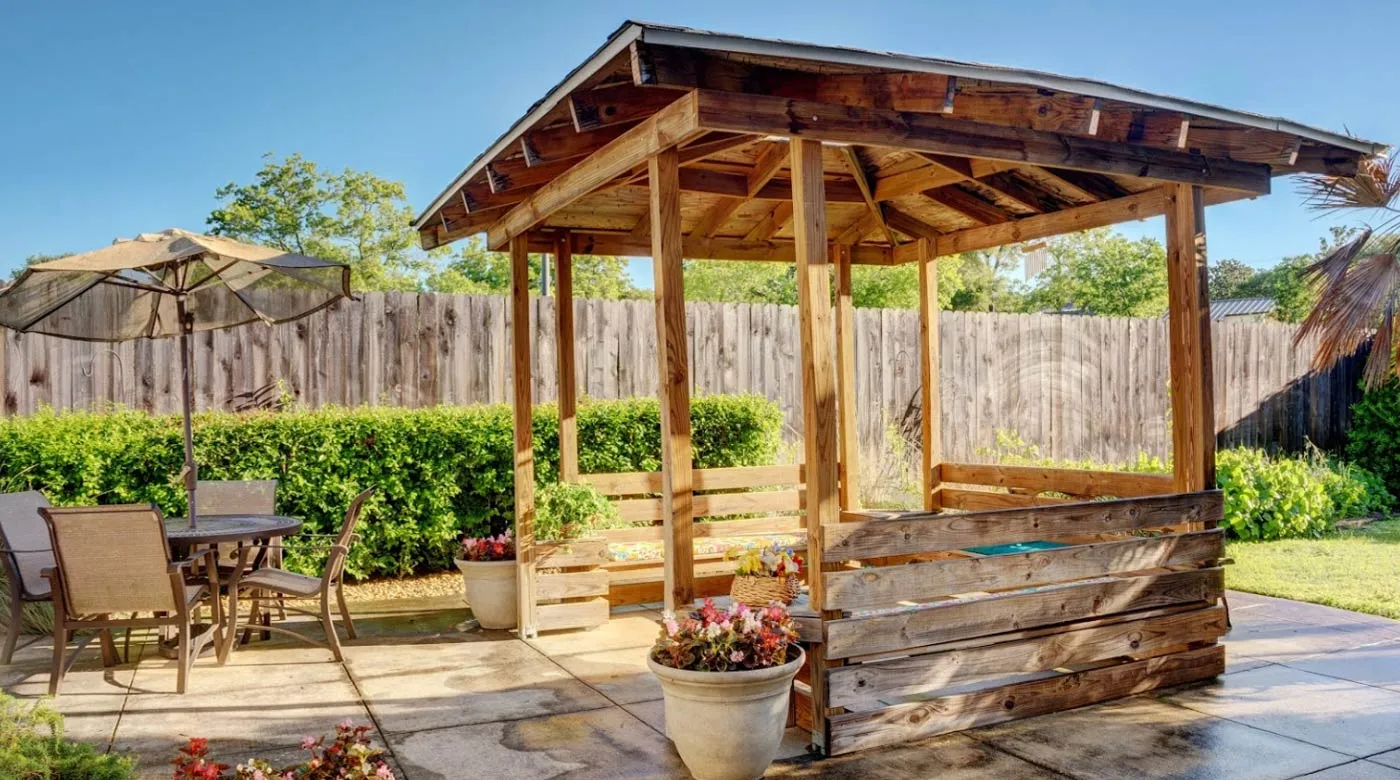
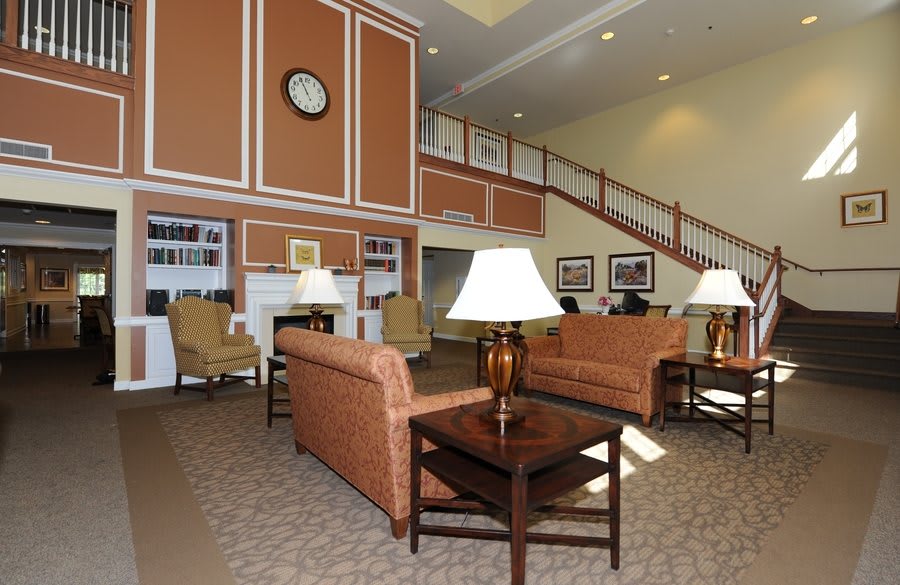
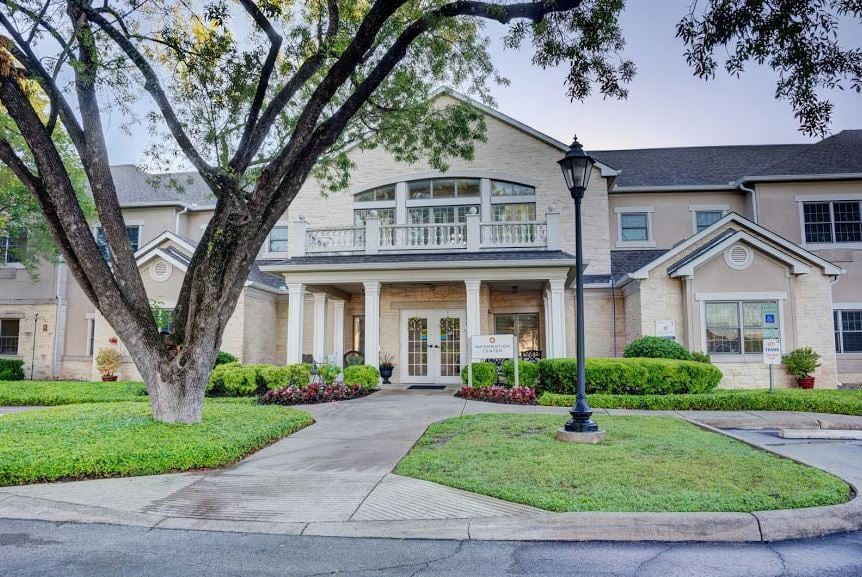
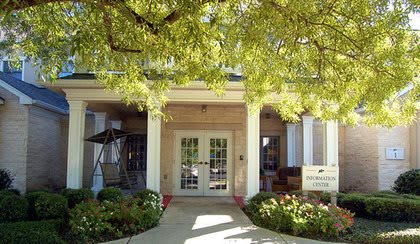
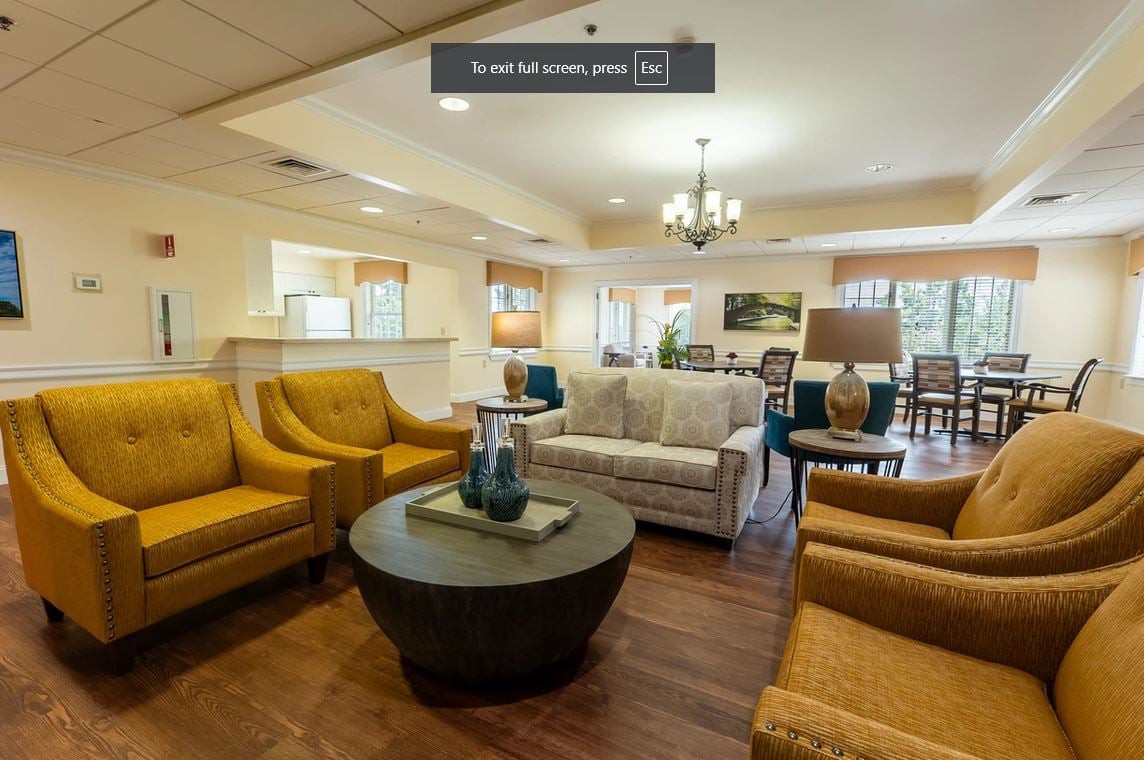
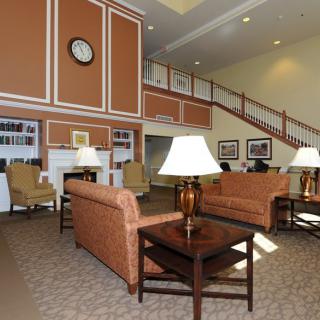
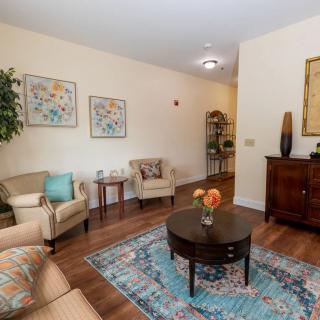
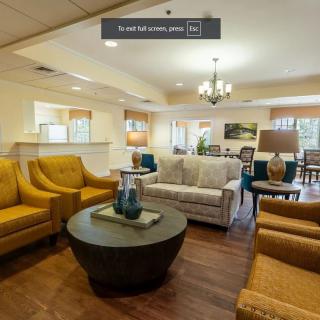
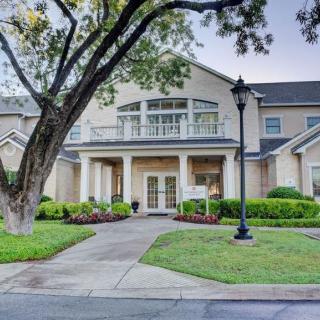
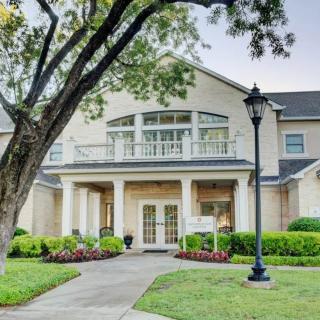
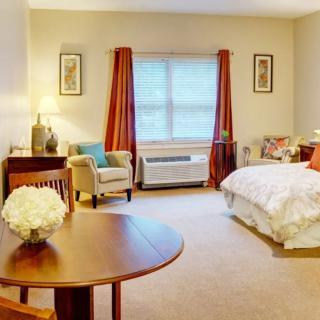
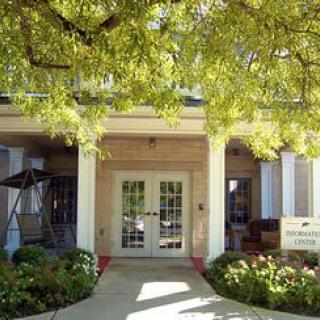
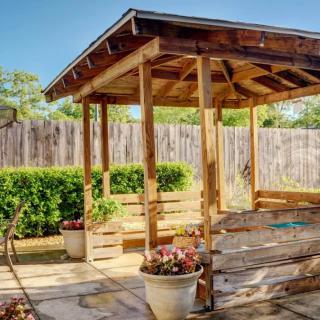
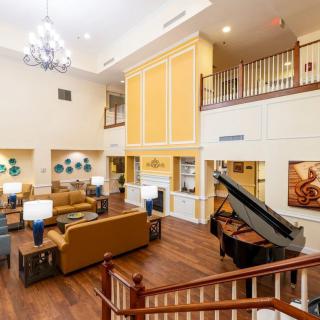
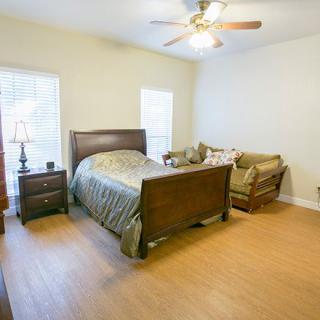
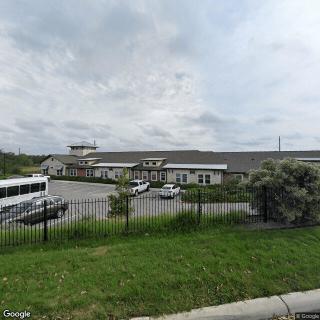
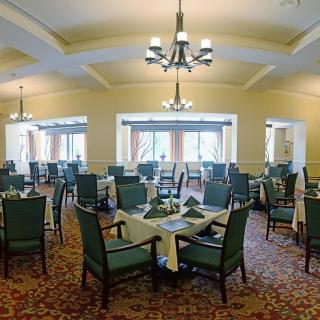
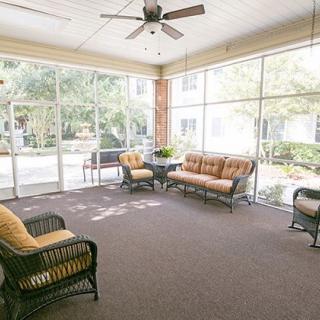
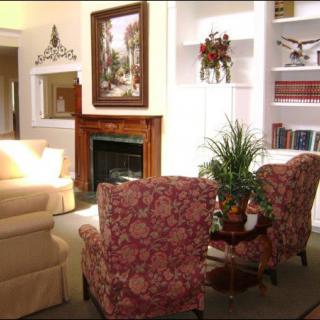
The Gardens of Castle Hills on seniors.fyi includes 10 photos including images showing interior, decor, building, architecture, landscaping, chandelier, seating area, lighting, and more.
Nearby Communities
Ventura Hills
San Antonio, TX
4.1 from 44 reviews
Memory care with 24-hour supervision, personalized dietary options, and engaging activities.
Santa Fe Square-Manor Aprtmnts
San Antonio, TX
Strong nearby amenities: healthcare, dining, parks, and cultural venues.
Sante Fe Apartments
San Antonio, TX
Extensive nearby amenities and services.
Shalimar Place - A Kincare Assisted Living Home
San Antonio, TX
4.5 from 18 reviews
Small, intimate 6-bed home with 24/7 supervision and personalized care.
Emerald valley assisting living
San Antonio, TX
Comprehensive memory care with personalized care plans, 24-hour supervision, medication management, and engaging activities in a fully furnished setting.
Ensemble Senior Living Apartments
Castle Hill, TX
3.9 from 70 reviews
$995 to $1,525 / month
Affordable pricing with easy access to a wide range of amenities (cafes, parks, healthcare, dining, transport, worship, theaters, hospitals).
The Forum at Lincoln Heights
San Antonio, TX
4.6 from 138 reviews
$3,140 to $4,510 / month
Friendly, caring staff in a well-maintained, active community with diverse dining and activities.
Juniper Village at Lincoln Heights
San Antonio, TX
4.2 from 118 reviews
$3,670 to $7,130 / month
Compassionate, well-trained staff; delicious meals; active social calendar; clean, upscale environment with spacious apartment layouts.
Colonial Gardens - San Antonio
San Antonio, TX
4.5 from 55 reviews
$4,500 / month
Strong staff care in a home-like, intimate community with personalized attention.
The content outlines five key early indicators of dementia, including significant memory loss and confusion about time and place, while emphasizing the need for professional evaluation and emotional support for both individuals showing symptoms and their caregivers. It encourages family members to monitor these signs closely and use online quizzes for initial awareness.
The article highlights eight indicators that a loved one with dementia may require specialized memory care, emphasizing the emotional and logistical challenges families encounter in this decision. It discusses signs such as difficulties with daily tasks, safety concerns, and caregiver burnout, suggesting that memory care facilities can provide the necessary support and structured environments for those experiencing cognitive decline.
Dementia, primarily caused by Alzheimer's disease but also linked to other conditions, leads to cognitive decline impacting memory and daily functioning, with individuals experiencing varied awareness of their impairments. Despite memory loss, emotional connections persist, enabling responses to familiar stimuli, highlighting the need for caregivers to provide compassionate support that recognizes both limitations and retained emotional depth.
Get PricingAsk A QuestionSchedule A TourContact Senior Advisor
By clicking submit, you agree to our Partner's Terms of Use. You
also consent to receive calls and texts, which may be autodialed, from our Partner. Your consent is not a condition to
using our Partner's service. Please visit our Partner's Privacy Policy for information about their privacy practices.




 1-bedroom apartments
 Assisted Living
 Memory Care
 Skilled Nursing Facility
 Cats allowed
 Dogs allowed
 Activities off-site
 Air-conditioning
 Beautician on-site
 Cable or satellite TV
 Cafe
Cafe Computer center
 Devotional services off-site
 Dining room
 Garden
 Ground floor units
 Guest parking
 Handicap accessible
 Housekeeping services
 Indoor common areas
 Kitchenette
 Laundry
 Outdoor common areas
 Overnight guests
 Party space
 Private patio, deck, or balcony
 Respite or short term stays offered
 Security gate
 VA Benefits Consultation
 Wheelchair accessible showers
 Wi-Fi/high-speed internet available
 San Antonio International (3 miles away)
 Transportation & parking
 Ambulatory care
 Companion care
 Diabetic care
 High acuity care
 Hospice care
 Incontinence care
 Medication management
 Physical therapy
 Psychiatric care
 Guest meals
 Special dietary restrictions
 Art classes
 Book club
 Catholic services
 Cooking club
 Day trips and outings
 Educational speakers / life long learning
 Fitness programs
 Games
Games Happy hour
 Karaoke
 Live musical performances
 Live well programs
 Wine tasting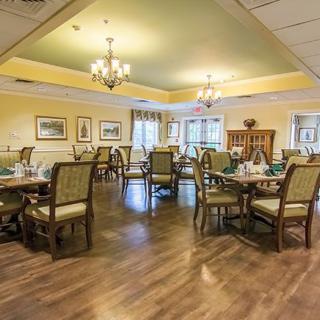
 Memory care with 24-hour supervision, personalized dietary options, and engaging activities.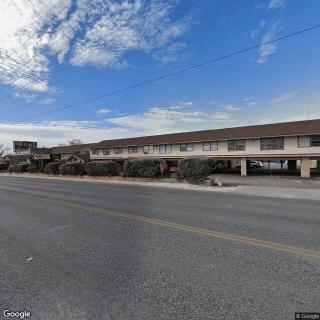

 5 Early Indicators of Dementia and What You Can Do
 8 Important Indicators That Memory Care May Be Necessary
 Delving into the Inner World of Dementia: Insights into Thoughts and Awareness