

802 Monticello Ct, San Antonio, TX 78223
To contact a resident: (210) 534-9451
For more information about senior living options: (866) 208-4318
Highland Gardens Assisted Living and Personal Costs & Pricing
Highland Gardens Assisted Living and Personal offers competitive pricing for its semi-private accommodations, with a monthly cost of $3,500. This rate aligns perfectly with the average costs in Wilson County, ensuring that residents receive quality care without exceeding local financial norms. When compared to the broader Texas market, which sees an average cost of $3,680 for similar arrangements, Highland Gardens provides an attractive option for those seeking personalized assistance within a supportive community environment. Overall, this pricing structure reflects both value and accessibility in the realm of assisted living services.
| Floor plans | Highland Gardens Assisted Living and Personal | Wilson County | Texas |
|---|---|---|---|
| Semi-Private | $3,500 | $3,500 | $3,680 |
Senior living communities with a similar price nearby
-
About the same

Parkway Assisted Living
$3,500 to $4,500 / month10.7 miles away -
About the same
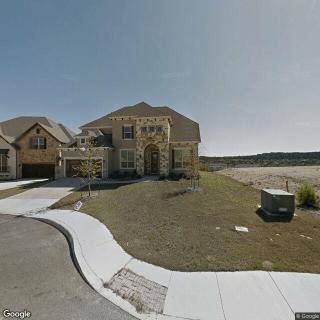
San Antonio - A-Z Senior Care 1
$3,500 / month20.0 miles away -
About the same
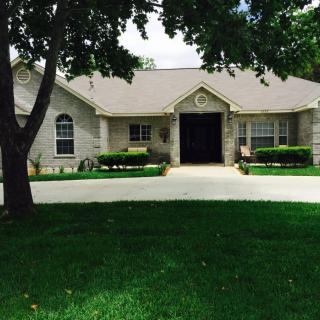
Pembroke Angel Care
$3,500 to $3,800 / month15.0 miles away -
from +$115 / mo

FirstLight Home Care - San Antonio
$3,615 to $5,050 / month10.9 miles away -
from +$500 / mo
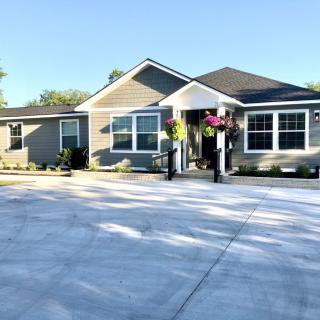
Pecan View Senior Care AL
$4,000 / month12.5 miles away
Overall Review of Highland Gardens Assisted Living and Personal
Pros
 The staff are courteous and friendly.
- The staff go out of their way to answer questions.
- The facility makes residents and their families feel important and valued.
- The facility delivers extraordinary customer service.
- The owners live on the premises and are readily available.
- The caregivers are friendly and mindful, contributing to a home-like atmosphere.
- The facility is usually clean and free of unpleasant odors.
- The environment conveys warmth, love, and hospitality to visitors and residents.
Cons
 The facility claims a high rating but fails to maintain standards of care.
- Departmental communication seems lacking.
- Management uses bait-and-switch tactics to lure prospective clients.
- Administrators lack knowledge of the law regarding release of medical information and powers of attorney.
- Staff are not friendly or patient; nurses are perceived as unfriendly; many staff take frequent smoke breaks and show a lack of empathy.
- Sedatives are used to make the staff’s job easier.
- A resident died under suspicious circumstances that could have been prevented with more frequent rounding.
- Administrators blocked a family transfer and attempted to intimidate the POA.
Review
Highland Gardens Assisted Living and Personal in San Antonio is best suited for families seeking a small, home-like setting where the owners are visibly involved and daily life centers on companionship, cleanliness, and steady continuity of care. It works for residents who value a warm, neighborly atmosphere over formal medical intensity, and for families willing to trade some administrative polish for a familiar, owner-operated feel. Those who require private rooms, highly structured clinical oversight, or aggressive safety protocols may want alternatives. Residents with urgent needs for off-site activities or rapid responses to complex medical issues may be disappointed here. The balance hinges on a genuine sense of home and daily livability, tempered by governance and safety concerns that require careful scrutiny.
Cleanliness and a homey ambience are repeatedly praised, and these factors anchor the overall impression. The facility’s small scale and family-run character often translate into a sense of personal attention that families value. Staff friendliness and an accessible, on-site owner presence contribute to a reassuring daily rhythm. Amenities like a hair salon and on-site social programming provide meaningful quality-of-life touchpoints for residents who relish routine and familiar rituals. For families prioritizing a concrete, intimate living experience over corporate efficiency, these elements are meaningful and real.
However, serious concerns consistently surface about management, communication, and safety. Reviews describe impressions of bait-and-switch marketing, limited transparency around care planning and legal documents, and inconsistent responses from administration. Several accounts point to staff burnout or uneven nurse responsiveness, including allegations of sedative practices, bruising, and missing belongings. Some narratives recount confrontations with administrators and clear failures to address care plans or access to records. Taken together, these issues undermine trust and threaten the sense of reliable, ongoing care that families expect from an assisted-living setting.
In weighing the positives against the negatives, the facility’s strengths do not fully offset the heavier red flags. The clean, welcoming environment and the sense of a loving, small community matter, but they do not compensate for perceived governance weaknesses, gaps in communication, and occasional safety concerns. The presence of on-site owners can be a strength, offering accessibility and personal attention, but it can also translate into inconsistent policy enforcement and variable staffing quality. For residents with complex medical needs, a history of medication sensitivities, or wandering tendencies, these gaps become decisive factors in decision-making. The reviews collectively suggest outcomes depend heavily on daily staff behavior, which can vary markedly.
Alternatives become worth considering for those requiring robust clinical oversight, private accommodations, and transparent accountability. If private rooms are non-negotiable or if a resident demands a predictable nurse-to-resident ratio and formal incident reporting, other facilities may fit better. Families with loved ones who wander at night should note the reported limitations in security and wandering protocols and compare them to programs with dedicated memory care supports. Those seeking a broad range of excursions or diverse off-site activities may be disappointed here. In short, Highland Gardens can be a workable home for some, but the governance and care-oversight gaps push many families to explore other options for lasting peace of mind.
Practical next steps counsel thorough due diligence. Schedule a face-to-face with the administrator and executive staff, and request copies of current care plans, incident logs, and any recent state inspection findings. Meet frontline nurses and CNAs to gauge responsiveness and empathy, and verify how medications are managed in practice. Check private room availability, pricing, and any limits on room upgrades. During visits, observe interactions at different times and speak with multiple families currently living there to get a balanced read. With a clearly mixed track record, entering with precise questions, grounded expectations, and a plan for ongoing oversight is essential to determine whether this setting can truly meet a loved one’s needs.
 Board and Care Home
 Activities on-site
 Beautician on-site
 Devotional services off-site
 Indoor common areas
 Outdoor common areas
 Respite or short term stays offered
 San Antonio International (11 miles away)
 Ambulatory care
 Diabetic care
 High acuity care
 Incontinence care
 Medication management
 Kosher
 Christian services






 9 Stimulating Memory Activities for Seniors: Puzzles, Cards, and Much More
 Managing Nursing Home Expenses After Medicare Coverage Ends
 Is a Geriatric Care Manager the Right Choice for Your Family?