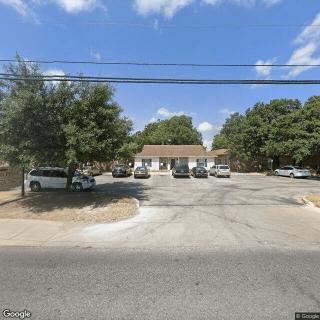
404 Goodwin Street, Pleasanton, TX 78064
For more information about senior living options: (866) 208-4318

Overall Review of Retama Manor Nursing Center - Pleasanton North
Pros
 The staff here are amazing.
- The staff show compassion and caring that sets a standard for other facilities.
- The memory care program is strong and well-focused.
- The staff go to great lengths to learn each resident’s needs.
- The facility offers engaging activities and a home-like environment.
- The staff keep families informed about changes in residents’ conditions.
- Residents receive dignified, respectful treatment and warmth.
- The community feels like a family where residents are well cared for.
Cons
 They don’t answer their phones.
- Crappy staff and crappy nurses. They are negligent to patients at night and people go days without medication.
- Experience at Pleasanton North was far less than stellar.
- The resident’s health declined to include a fall requiring surgical repair of a hip.
- The 6’2” resident was placed in an ill-fitting wheelchair and atrophy was exacerbated.
- There is little to no social interaction during the day with little to no mental stimulation for dementia residents.
- The resident was overmedicated beyond what was necessary, leading to little or no communication and lethargy requiring help with eating.
Review
Retama Manor Nursing Center - Pleasanton North is best suited for seniors whose primary need is memory care in a small, home-like setting, where staff engagement and routine matter greatly. The community's strength lies in a memory-focused culture paired with a genuine sense of belonging, an atmosphere that appeals to families seeking ongoing updates, visible daily activity, and a staff that feels invested in each resident. Long-tenured caregivers and a true emphasis on individualized attention make it a compelling option for loved ones who benefit from consistent routines, familiar faces, and meaningful interaction throughout the day.
Those who may want to consider alternatives include families prioritizing rock-solid medication safety, consistent night-time supervision, and immediate responsiveness to family calls. A number of reviews flag communication gaps, phones that aren’t answered and nights where medications were not delivered in a timely fashion. For families with residents who require stringent medication management, strict oversight during off-peak hours, or a more responsive point of contact, other facilities may deliver more predictable reliability.
The most persuasive positives center on memory care expertise and staff dedication. Families repeatedly praise the compassionate, attentive caregivers who stay engaged with residents, provide regular updates, and tailor activities to individual preferences. The home-like environment, reliable program of events, and well-regarded meals contribute to quality of life, while ongoing family involvement is clearly welcomed and facilitated. The unit’s focus on memory care is reinforced by strong local ties and a sense of community that long-time residents and their families value highly.
Still, the main drawbacks are not easily dismissed. Reports of missed calls and nighttime lapses raise safety concerns, and there are accounts of residents who experienced declines or overmedication before changes were made. One widely cited comparison to a different facility describes a much less satisfactory experience, including insufficient social interaction, limited mental stimulation, and overmedication that dulled communication. In short, while the staff can be superb and the environment supportive, safety and medical oversight at night and during transitions remain vulnerable points.
Considering both sides, the pros can offset many day-to-day benefits when the care plan is consistently monitored and family voices stay active in care decisions. When doctors and nursing staff collaborate to tailor dementia treatment and pain management, and when families remain engaged, residents often exhibit meaningful improvements in activity, mood, and overall well-being. The facility’s strengths, memorial-care focus, compassionate staff, regular updates, and plentiful in-house programming, create real value for a loved one who thrives on routine and personal connection, even as potential gaps in medication administration and after-hours responsiveness warrant scrutiny.
For families evaluating options, the practical course is clear: insist on meeting the memory-care leadership, review the facility’s medication processes, and request a thorough tour of the memory unit to observe day-to-day interactions and programming. Ask for concrete data on staff-to-resident ratios, night-shift supervision, and how changes in condition are communicated to families. If the goal is a warm, person-centered memory-care environment with attentive staff and robust family involvement, Retama North is a strong candidate, so long as the care team demonstrates reliable, proactive medication management and consistently responsive communication. If absolute certainty around 24/7 medication safety and near-instant family communication is non-negotiable, it pays to compare a few other options with a track record of steadier night supervision and fewer reported lapses.
 46 resident community capacity
 Skilled Nursing Facility
 Beauty salon
 Cable or satellite TV
 Dining room
 Fully furnished
 Garden
 Housekeeping services
 Kitchenette
 Move-in coordination
 Outdoor space
 Restaurant-style dining
 Small library
 Telephone
 Wi-Fi/high-speed internet available
 24-hour call system
 Activities of daily living assistance
 Assistance with bathing
 Assistance with dressing
 Assistance with transfers
 Diabetes diet
 Medication management
 Mental wellness program
 Special dietary restrictions



 Financing Long-Term Nursing Home Care Through Social Security: A Thorough Exploration
 Essential Knowledge on Pneumonia in Older Adults
 Exploring Palliative Care in the Home: A Comprehensive Overview