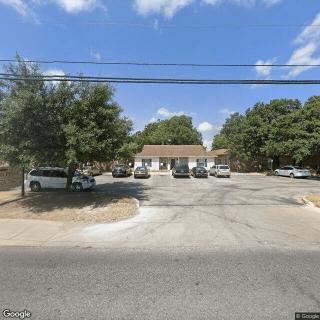
Pleasanton Assisted Living

2920 2Nd Street, Pleasanton, TX 78064

For more information about senior living options: (844) 490-3973

4.2 from 14 reviews
5 stars
11
4 stars
0
3 stars
0
2 stars
1
1 stars
2

Assisted Living

What level of care are you interested in?

Assisted Living

Memory Care

Independent Living

Skilled Nursing Facility

Continuing Care Retirement Community (CCRC)CCRC

Other


Request a tour at Pleasanton Assisted Living

    Overall Review of Pleasanton Assisted Living

    Pros

    • pro The staff are caring, compassionate, and go to great lengths to learn each resident's needs.
    • pro The facility has a strong focus on memory care and features an amazing, dedicated staff.
    • pro The care provided is exceptional, delivered with dignity and respect for residents.
    • pro The environment feels like a home, with a small-town atmosphere and plenty of activities.
    • pro Families are kept informed and can visit anytime, with staff proactively communicating changes in residents' conditions.
    • pro The food is fantastic, tailored to residents' preferences while staying healthy.
    • pro The facility offers engaging activities, including therapy dogs, music, parties, and games.
    • pro Retama North is highly recommended for dementia care and praised for compassionate, quality care.

    Cons

    • pro The reviewers state that they don't answer their phones.
    • pro The staff and nurses are described as crappy, with negligence at night and people going days without medication.
    • pro A relative's experience at Pleasanton North is described as far less than stellar and something to avoid.
    • pro There is little to no social interaction or mental stimulation for dementia residents.
    • pro Residents were being overmedicated beyond necessity, resulting in lethargy and difficulties with eating.
    • pro A fall occurred resulting in a hip surgery, indicating safety concerns.
    • pro The facility is advised to be avoided based on the family's negative experience.

    Review

    The collection of experiences paints a picture of a memory-care focused facility that inspires strong loyalty from families and residents, while also surfacing a few caveats that prospective visitors might want to weigh. On one hand, there are complaints about responsiveness, particularly around phones and nighttime attention. One reviewer opened with a blunt assessment: "They don't answer their phones," followed by, "Crappy staff and crappy nurses," suggesting that some nights felt neglectful and that medications could go days without being delivered. Those remarks stand in contrast to the bulk of the narratives, but they are important reminders that no place is perfect and that reliable, timely communication is a baseline expectation for families watching over loved ones.

    Against that backdrop, a May 2024 update captures a more glowing and hopeful portrait of life at the facility. That message, celebrating a 58th anniversary, centers on a wife who has shown remarkable improvement since moving in. The initial period was challenging - getting her out of the bedroom was described as hard - but her day-to-day life has transformed. The staff are depicted as actively engaging her, moving her to the cafeteria and keeping her busy and social. The reviewer emphasizes the staff's dedication, noting that they "go to great lengths to learn each person there," which translates into care that is tailored and thoughtful rather than generic. It's a portrayal of a small-town atmosphere paired with high-quality care, where kindness and attentiveness are more than occasional traits; they feel ingrained in how the team operates.

    A key thread across several entries is the strong emphasis on dementia care and the individualized approach to medical needs. One resident's husband highlights a resident physician who initiated treatments for dementia soon after admission, with results that led to a reduction in pain medication and a noticeable improvement in the wife's overall well-being. That reviewer reports a patient who no longer complains of pain, a transformation that underscores the potential impact of targeted, compassionate medical oversight in a memory-care setting. The same thread appears throughout: staff who are attentive, accessible, and eager to adjust care as conditions change, with family members often staying closely involved and informed about any changes in condition.

    The consistency of positive feedback about staff and daily life within the home is striking. Reviewers repeatedly praise the staff as caring, friendly, and proactive. They report frequent interactions with residents, with staff taking the initiative to speak with families about concerns and to keep everyone updated. The dining experience is highlighted as well - described as fantastic and not restricted to the bland, hospital-style options sometimes found in other facilities. Meals are said to be tailored to residents' preferences while remaining healthy, a seemingly small but meaningful detail in a setting where nutrition and enjoyment go hand in hand. Beyond dining, the home environment is repeatedly described as clean, well-maintained, and engaging, with residents appearing well cared for in clothing and appearance.

    Activities and social engagement are another consistently strong point. Multiple reviews reference a vibrant calendar of events designed to stimulate memory and foster a sense of community. Examples include therapy dogs visiting weekly, Elvis appearances, and regular birthday parties, music sessions, patio barbecues, and bingo. These details help convey a sense of life beyond routine care - an environment that supports mood, cognition, and social connection for residents who may otherwise experience isolation. The staff's ability to balance structure with meaningful leisure activities is repeatedly cited as a hallmark of the community's approach.

    Not all experiences were uniformly glowing, however. A reviewer recounts moving a relative from Pleasanton North to Retama North and describes a stark contrast: at Pleasanton North, the health of a family member deteriorated after a fall and hip surgery, with a poorly fitting wheelchair and a perceived overmedication that dulled communication and appetite. The transition to a more engaging and responsive environment at Retama North is framed as a relief, with noticeable improvements in social interaction and reduced reliance on medications. This account functions as a cautionary counterpoint, suggesting that not all facilities can deliver the same level of personalized care and social stimulation, and that families may notice meaningful differences between communities.

    The testimonials about Retama North converge on a few core themes: a strong, capable team that communicates well with families; a memory-care focus that emphasizes person-centered treatment and meaningful activities; and a culture that treats residents with dignity and respect. Several family members speak personally about specific care moments - the way staff members reach out when there are changes in condition, the comfort of knowing someone is watching over their loved one, and the sense that the place feels like a family rather than a purely clinical environment. There are even mentions of staff going beyond the basics - hung pictures and clocks, coordinated activities, and a level of personalization that makes the home feel truly supportive.

    Taken together, the reviews sketch a nuanced portrait of Retama North. For some, it is a place where attention to detail, compassionate care, and an active, engaging environment make a difficult life stage a little brighter. For others, it serves as a reminder that responsiveness and consistency in day-to-day operations are critical expectations that must be met. When weighed as a whole, the narrative leans strongly toward the positive: residents appear well cared for, families feel informed and involved, and the facility's memory-care program stands out for its emphasis on meaningful, individualized care and a community-oriented atmosphere. If you are evaluating Retama North, the stories suggest a facility that is largely dedicated to dignity, connection, and improvement, while also underscoring the importance of direct observation and clear communication in assessing how any long-term care home will fit a given resident's needs.

    Features

    Housing

    • 12 resident community capacity 12 resident community capacity

    Types of Care

    • Assisted Living Assisted LivingAssisted living facilities provide crucial support and care for seniors who may need help with daily tasks such as medication management, bathing, and meal preparation. These communities offer a safe and comfortable environment where seniors can maintain their independence while receiving the assistance they need to thrive in their golden years.

    Amenities

    • Cable or satellite TV Cable or satellite TVCable or satellite TV is important for seniors because it provides entertainment, news, and companionship, helping to combat loneliness and boredom. It also offers a wide range of programming options tailored to different interests and preferences.
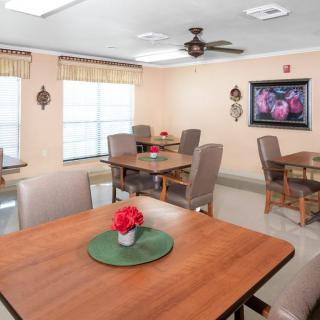
    • Dining room Dining roomDining rooms are important for seniors as they provide a space for socialization, connection, and nutritious meals. They offer opportunities for residents to bond over shared meals, foster a sense of community, and promote healthy eating habits. Dining rooms also ensure that seniors have access to well-balanced meals tailored to their dietary needs and preferences.
    • Fully furnished Fully furnishedFully furnished senior living communities are important for seniors because they provide convenience, comfort, and a hassle-free moving experience. Seniors can easily settle into their new living space without the stress of having to buy and move furniture. This allows them to focus on enjoying their new home and community.
    • Garden GardenGardens are important for seniors as they provide a peaceful and therapeutic environment for relaxation, physical activity, and socialization. Being in nature has been shown to reduce stress, improve mood, and promote overall well-being. Gardens also offer opportunities for seniors to engage in gardening activities, which can improve mobility, flexibility, and cognitive function. Additionally, gardens create a sense of community and connection with others who share a passion for plants and outdoor spaces.
    • Housekeeping services Housekeeping servicesHousekeeping services are important for seniors because they help maintain a clean and safe living environment, promote independence, and reduce the risk of accidents or illnesses. Additionally, having assistance with household chores can alleviate physical strain and allow seniors to focus on other aspects of their well-being.
    • Move-in coordination Move-in coordinationMove-in coordination is important for seniors because it helps ease the transition into their new living environment. It ensures that all logistics, such as packing, organizing movers, and setting up utilities are taken care of, allowing seniors to focus on settling in and adjusting to their new home. Having a smooth move-in process can alleviate stress and anxiety, making the transition smoother and more enjoyable for seniors.
    • Outdoor space Outdoor spaceOutdoor spaces are important for seniors as they provide opportunities for physical activity, social interaction, exposure to natural light and fresh air, and a sense of connection to nature. Having access to outdoor spaces can improve overall well-being and quality of life for older adults living in senior communities.
    • Telephone TelephoneTelephones are important for seniors as they provide a lifeline for communication with loved ones, emergency services, and healthcare providers. They offer a sense of security and independence, enabling seniors to stay connected and access assistance when needed.
    • Wi-Fi/high-speed internet available Wi-Fi/high-speed internet availableWi-Fi/high-speed internet is important for seniors to stay connected with loved ones, access online resources, and participate in virtual activities to combat feelings of loneliness and isolation. It also allows them to easily manage healthcare needs, access entertainment, and engage in lifelong learning opportunities.

    Care Services

    • 24-hour supervision 24-hour supervision24-hour supervision is important for seniors to ensure their safety, well-being, and access to immediate assistance in case of emergencies or health issues. This constant support provides peace of mind for both seniors and their loved ones, allowing them to age in place with dignity and security.
    • Activities of daily living assistance Activities of daily living assistanceActivities of daily living assistance are important for seniors because they provide essential support with tasks such as eating, bathing, dressing, and mobility. This assistance helps seniors maintain their independence, dignity, and overall quality of life as they age.
    • Assistance with bathing Assistance with bathingAssistance with bathing is crucial for seniors as it helps maintain personal hygiene, prevents infections, and ensures their overall well-being and comfort. It also provides a sense of dignity and independence for seniors who may struggle with this task on their own.
    • Assistance with dressing Assistance with dressingAssistance with dressing is important for seniors because it helps maintain their independence, promotes personal hygiene, prevents accidents and injuries, and improves overall quality of life. This service ensures that seniors can continue to dress comfortably and confidently, despite any physical limitations they may have.
    • Assistance with transfers Assistance with transfersAssistance with transfers is crucial for seniors as it helps prevent falls and injuries, maintains their independence, and ensures they can safely navigate their living environment. It also provides peace of mind for both seniors and their loved ones.
    • Coordination with health care providers Coordination with health care providersCoordination with health care providers is crucial for seniors to ensure proper medical care, medication management, and overall well-being. This collaboration helps prevent overlapping treatments, track progress more effectively, and provide comprehensive support tailored to individual needs.
    • Diabetes diet Diabetes dietA diabetes diet is crucial for seniors as it helps manage blood sugar levels, reduce risks of complications, and improve overall health and well-being. By following a balanced and nutritious diet tailored to their specific needs, seniors can better control their diabetes and enhance their quality of life.
    • Meal preparation and service Meal preparation and serviceMeal preparation and service are crucial for seniors as they may have limited mobility or energy to cook nutritious meals. Having access to healthy and convenient food options can ensure they are getting the proper nutrition needed to maintain their overall health and well-being.
    • Medication management Medication managementMedication management is crucial for seniors to ensure they are taking the right medications at the correct dosages and times. This helps prevent adverse drug interactions, reduces the risk of medication errors, and promotes overall health and well-being. Proactive management also allows for adjustments as needed based on changing health conditions or new prescriptions.
    • Special dietary restrictions Special dietary restrictionsSpecial dietary restrictions are important for seniors because age-related changes in metabolism and health conditions can make it difficult for their bodies to process certain foods. By following a diet tailored to their specific needs, seniors can maintain their overall health and well-being, manage chronic conditions, and reduce the risk of complications such as malnutrition or food interactions with medications.
    • Transportation arrangement (medical) Transportation arrangement (medical)Transportation arrangements for medical purposes are essential for seniors as they may have difficulty driving themselves to appointments or accessing public transportation. Having reliable and safe transportation options ensures that seniors can receive timely medical care and maintain their health and well-being.
    • Transportation to doctors appointments Transportation to doctors appointmentsTransportation to doctors' appointments is crucial for seniors as it ensures they have access to necessary medical care and support for their health needs. Without reliable transportation, seniors may struggle to attend important appointments, leading to potential delays in treatment and health complications. Providing transportation services helps seniors maintain their overall well-being and quality of life.

    Dining

    • Diabetes diet Diabetes dietA diabetes diet is crucial for seniors as it helps manage blood sugar levels, reduce risks of complications, and improve overall health and well-being. By following a balanced and nutritious diet tailored to their specific needs, seniors can better control their diabetes and enhance their quality of life.
    • Special dietary restrictions Special dietary restrictionsSpecial dietary restrictions are important for seniors because age-related changes in metabolism and health conditions can make it difficult for their bodies to process certain foods. By following a diet tailored to their specific needs, seniors can maintain their overall health and well-being, manage chronic conditions, and reduce the risk of complications such as malnutrition or food interactions with medications.

    Activities

    • Community-sponsored activities Community-sponsored activitiesCommunity-sponsored activities are important for seniors as they provide opportunities for social interaction, mental stimulation, and physical activity. These activities can help improve overall well-being, combat loneliness and isolation, and promote a sense of belonging and purpose among older adults.
    • Scheduled daily activities Scheduled daily activitiesScheduled daily activities are important for seniors because they provide structure, socialization, mental stimulation, and physical activity. Engaging in regular activities can improve overall well-being and quality of life for seniors living in a community setting.

    Description

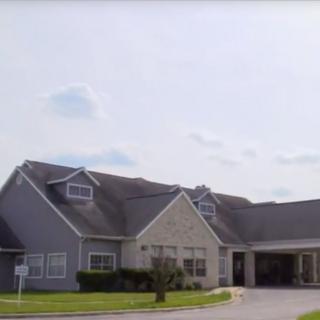
    Pleasanton Assisted Living in Pleasanton, TX is a vibrant and welcoming community designed to provide exceptional care and support to seniors who require assistance with daily living activities. Our community offers a wide range of amenities and services to ensure that our residents enjoy a comfortable and fulfilling lifestyle.

    Our dining room provides nutritious meals prepared by our skilled culinary team, taking into account special dietary restrictions. Residents can also enjoy their meals in the outdoor space or garden, providing a pleasant and relaxing atmosphere.

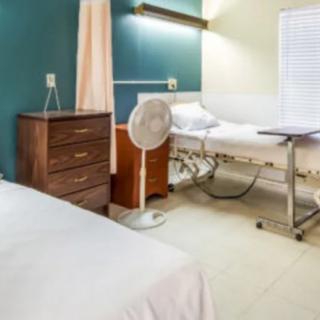
    The fully furnished apartments at Pleasanton Assisted Living are thoughtfully designed to create a warm and inviting environment for our residents. Housekeeping services are provided to maintain cleanliness and tidiness in each apartment.

    We understand the challenges involved in transitioning to assisted living, which is why we offer move-in coordination services. Our dedicated staff will assist you every step of the way to make your transition seamless.

    At Pleasanton Assisted Living, the well-being of our residents is our top priority. We offer assistance with activities of daily living such as bathing, dressing, transfers, medication management, and coordination with healthcare providers. Our team is trained to provide specialized care such as diabetes diets and cater to individual dietary restrictions.

    We understand the importance of staying active and engaged in life. That's why we offer scheduled daily activities for our residents to enjoy. This includes various social events, physical exercise programs, and intellectual stimulation activities.

    Convenience is key at Pleasanton Assisted Living. We are located near multiple cafes, parks, pharmacies, physicians' offices, restaurants, transportation options, and places of worship. This ensures that our residents have easy access to various amenities and services within the community.

    At Pleasanton Assisted Living in Pleasanton, TX, we strive to provide a nurturing environment where seniors can live comfortably while receiving the support they need. Contact us today for more information or to schedule a tour of our community.

    Nearby Places of Interest

    Restaurants

    • Julian's Mexican Restaurant (1.4 miles)
    • Roma's Italian Restaurant (1.5 miles)
    • Eagles Nest (1.6 miles)
    • El Charro (1.6 miles)
    • Don Jesus (1.7 miles)
    • Tacos Jalisco Best Tacos In Town (1.8 miles)
    • El Rancho Mexican Restaurant (2.1 miles)

    Transportation

    • Enterprise Rent-A-Car (1.5 miles)
    • Alamo (3.7 miles)
    • Budget Truck Rental (4.1 miles)
    • Plugm-n-Stuffm (6.2 miles)

    Parks

    • Pleasanton City Park (1.7 miles)
    • Pleasanton River Park (1.7 miles)
    • Parks & Wildlife Department (2.7 miles)
    • Jourdanton City Park (6.5 miles)

    Places of Worship

    • Saint Andrew Catholic Church (1.7 miles)
    • Living Water Fellowship (1.8 miles)
    • Pleasanton Church of Christ (1.9 miles)
    • Jesus Name Brush Arbor Church (1.9 miles)
    • Southern Baptist Convention (2 miles)
    • First United Methodist Church (2.3 miles)
    • First Baptist Church of Pleasanton (2.3 miles)

    Physicians

    • WellMed at Pleasanton (1.8 miles)
    • Banjo Abimbola (2.5 miles)
    • Building Blocks Pediatrics (2.5 miles)
    • Atascosa Health Center (2.7 miles)
    • Texas Medical Building (2.7 miles)
    • Pleasanton Family Medicine (3.3 miles)
    • Atascosa Vision Source (3.7 miles)

    Pharmacies

    • Good Neighbor Pharmacy (2.5 miles)
    • Center Pharmacy (2.5 miles)
    • Walgreens (4.3 miles)
    • Jourdanton Pharmacy (5.5 miles)
    • Health Mart Pharmacy (5.8 miles)

    Cafes

    • Starbucks (3.8 miles)

    Hospitals

    • South Texas Regional Medical Center (5.2 miles)

    Frequently Asked Questions

    Where is Pleasanton Assisted Living?

    Nearby Communities

    Assisted Living in Nearby Cities

    Related Resources

    • assisted living vs memory careAssisted Living and Memory Care: Understanding Their Core Differences

      Assisted living provides moderate support for seniors seeking independence, while memory care offers specialized support for individuals with dementia or cognitive impairments through structured routines and trained staff. Key differences include care approaches, environment security measures, staff training levels, activity types, and cost considerations.

    • assisted living activitiesBeyond the Bingo Hall: 50+ Enriching Activities for Seniors in Assisted Living

      Assisted living communities offer diverse activities beyond traditional games to enhance seniors' physical health, cognitive well-being, emotional enrichment, and social connections, including fitness classes, creative expression, and intergenerational interactions. These enriching programs foster community bonds and support residents' independence and happiness.

    • assisted living vs memory careUnderstanding the Distinctions: Assisted Living and Memory Care Explained

      The article differentiates between assisted living and memory care, explaining that assisted living supports seniors with daily activities while promoting independence, whereas memory care provides specialized services for individuals with dementia, focusing on secure environments and cognitive support. It also addresses staff training, safety considerations, costs, family involvement, and transition strategies for families navigating these care options.


    Get Pricing Ask A Question Schedule A Tour Contact Senior Advisor