Pecan Tree Health Care and Rehabilitation Center Costs & Pricing
Pecan Tree Health Care and Rehabilitation Center offers competitive pricing for its private room accommodations, with a monthly cost of $2,400. This rate is significantly lower than both the county average in Grayson County, which stands at $4,589, and the overall state average in Texas at $4,096. Such pricing not only underscores Pecan Tree's commitment to accessible health care but also positions it as an attractive option for families seeking quality rehabilitation services without the burden of excessive costs. The center's affordability aligns with its dedication to providing high-quality care while ensuring that financial considerations do not impede access to essential health services.
Floor plans
Pecan Tree Health Care and Rehabilitation Center
Grayson County
Texas
Private
$2,400
$4,589
$4,096
Overall Review of Pecan Tree Health Care and Rehabilitation Center
differentiator6 reviews mention this
Rehab therapy gets strong praise
Rehabilitation therapy is repeatedly described as a major strength of the facility.
Several residents and families describe meaningful progress through therapy, including speech therapy results and “restorative” improvements. Multiple reviewers call out the therapy department’s performance and success stories, including for wound care and rehabilitation services. Even among mixed experiences, families who mention therapy highlight the department as a standout part of the care plan.
common5 reviews mention this
Cleanliness and odors are mixed
Cleanliness gets credit, but urine odors come up repeatedly in reviews.
Some reviewers say the building is clean and even mention smells that feel fresh or refreshing. Others describe urine odor during visits, including one review that mentions smelling urine when arriving. Taken together, reviews suggest cleanliness is inconsistent depending on timing and unit experience.
caveat2 reviews mention this
Food and diet concerns appear
Food quality and diabetes-friendly meals draw negative feedback.
At least a couple of reviewers report dissatisfaction with meals, describing food as horrible or not appropriate for dietary needs. One review specifically points to diabetic meal concerns, including potatoes, starches, and desserts. These comments suggest dietary execution is a recurring worry for some families.
caveat5 reviews mention this
Neglect and care delays are alleged
Several reviews allege serious care lapses and delayed responses.
Negative reviews describe problems with basic care, including diapers not being changed and patients left in distress. Others describe wound care failures, including dressings not being changed and resulting infections that required higher-level medical treatment. A reviewer also mentions long waits for pain medication adjustments, alongside overall concerns about attention to residents’ needs.
How we summarize
Counts show how many written reviews mention each theme; a review can touch several themes, and only frequently mentioned themes are displayed.
Features
Types of Care
Skilled Nursing Facility
Amenities
Private
Nearby Places of Interest
This area of Gainesville, Texas, offers convenient access to various amenities and services that would cater well to senior living. With a range of transportation options, including Limo Joe's Casino Shuttle for leisure trips and pharmacies like Plaza Pharmacy and CVS Pharmacy for medical needs, seniors can easily navigate the area. Nearby places of worship like Well and Harvest Time Church of God provide opportunities for spiritual growth, while restaurants such as Jack In The Box and El Tapatio offer diverse dining choices. For healthcare needs, Cooke County Medical Center and NTMC Pediatrics are within close proximity. Additionally, the presence of parks like Pecan Creek Park provides outdoor recreational opportunities. Overall, this part of Gainesville presents a well-rounded environment suitable for seniors looking for a comfortable and convenient lifestyle.
Transportation
Limo Joe's Casino Shuttle (0.2 miles)
Zodiac Aerospace (5 miles)
Places of Worship
Well (0.4 miles)
Harvest Time Church of God (0.5 miles)
Antioch Baptist Church (1 miles)
Gainesville Eastside Nazarene (1 miles)
St Pauls Episcopal Church (1.2 miles)
St Paul's Episcopal Church (1.2 miles)
First United Methodist Church (1.2 miles)
Restaurants
Jack In The Box (0.7 miles)
Aldava's Video (0.7 miles)
Santorini (0.8 miles)
Mendez Bakery (0.9 miles)
Chicken Express (1.1 miles)
El Tapatio (1.2 miles)
Sonic Drive-In (1.2 miles)
Pharmacies
Plaza Pharmacy (0.7 miles)
SNI Pharmacy (0.9 miles)
Hometown Pharmacy (0.9 miles)
Hometown Pharmacy & Hometown Medical Equipment (0.9 miles)
Pecan Tree Health Care and Rehabilitation Center offers competitive pricing for its private room accommodations, with a monthly cost of $2,400. This rate is significantly lower than both the county average in Grayson County, which stands at $4,589, and the overall state average in Texas at $4,096. Such pricing not only underscores Pecan Tree's commitment to accessible health care but also positions it as an attractive option for families seeking quality rehabilitation services without the burden of excessive costs. The center's affordability aligns with its dedication to providing high-quality care while ensuring that financial considerations do not impede access to essential health services.
Caregiving for an aging parent entails emotional and financial responsibilities accompanied by significant tax implications, including potential benefits from claiming them as dependents and deductions for medical expenses and caregiving costs. Caregivers must understand eligibility requirements, maintain thorough documentation, and consider consulting a tax professional to navigate these complexities effectively.
Low-impact exercises are vital for seniors as they promote health, independence, and social interaction while reducing joint strain. These adaptable activities, guided by healthcare professionals, enhance strength, flexibility, and emotional well-being.
The guide details the tax deductibility of in-home healthcare expenses according to IRS guidelines, differentiating between medically necessary services and non-medical assistance, while emphasizing the need for proper documentation and itemization requirements. It also highlights state-level variations, the importance of record-keeping, and encourages seeking professional tax help to understand evolving regulations.
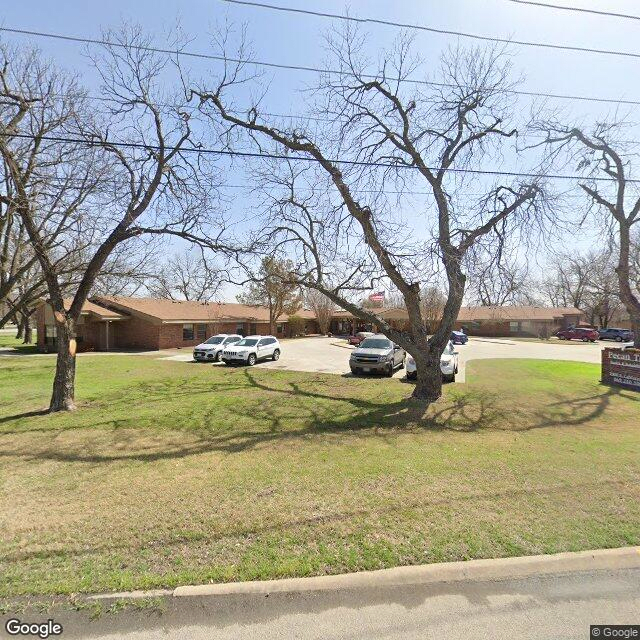
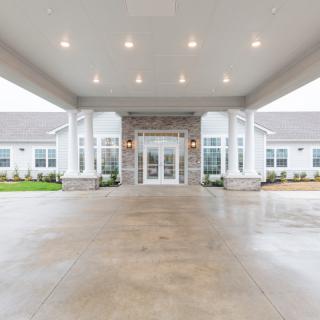
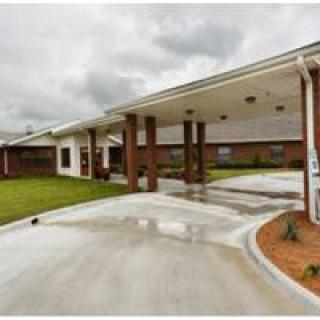
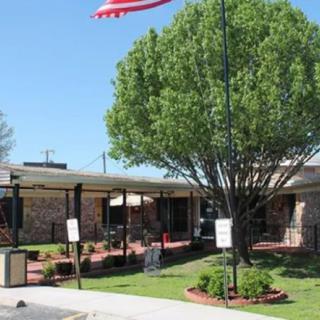
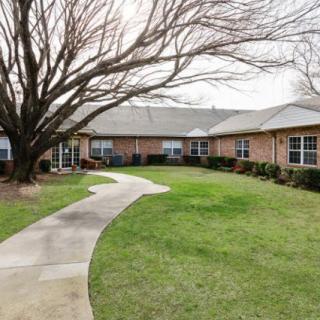
Pecan Tree Health Care and Rehabilitation Center photos
×
Get PricingAsk A QuestionSchedule A TourContact Senior Advisor
By clicking submit, you agree to our Partner's Terms of Use. You
also consent to receive calls and texts, which may be autodialed, from our Partner. Your consent is not a condition to
using our Partner's service. Please visit our Partner's Privacy Policy for information about their privacy practices.

 Skilled Nursing Facility
 Private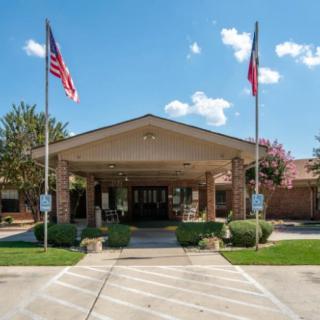
 Extensive on-site amenities and broad care services.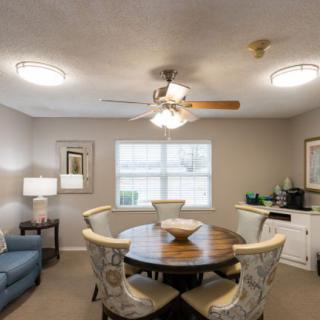



 Navigating the Tax Landscape of Caregiving: Credits, Deductions, and Beyond
 Highly Beneficial Low-Impact Exercises for Senior Living Residents
 Is In-Home Healthcare Tax Deductible? Your Comprehensive Guide