
1900 O'Neal Street, Gainesville, TX 76240
For more information about senior living options: (866) 208-4318
Overall Review of Gainesville Convalescent Center
Pros
 Gainesville is wonderful.
- It is always well staffed.
- They feed residents very well and provide snacks between meals.
- The place is very clean.
- They offer activities in the morning and in the afternoon.
- They keep residents busy.
- They are very good at communicating with families about changes in medications or other updates.
- They call to update families about what is going on.
Review
Gainesville Convalescent Center is best suited for seniors who want reliable, hands-on daily care in a clean, well-structured environment where staffing is evident, meals are nourishing, and family communication is proactive. This community fits families seeking steady oversight, dependable assistance with daily needs, and a predictable routine, rather than a facility focused on high-intensity medical therapy or memory-care specialization. It’s a solid choice for residents who thrive with regular staff presence, consistent meal service, and ongoing social engagement, paired with transparent updates for loved ones.
Those weighing alternatives should consider what happens when medical acuity or specialized care becomes the priority. If a resident requires advanced nursing oversight, complex wound care, dementia-specific programming, or therapy plans tailored to higher levels of impairment, it may be prudent to explore options with a stronger emphasis on clinical resources or memory-care environments. Location and cost considerations also matter; programs with broader rehabilitative services or more expansive activity options can be decisive for families with varying long-term needs. In short, this community shines for steady, everyday care, but may not be the best fit for high-acuity or highly specialized care requirements.
The standout pros translate into meaningful, practical benefits. First, the staffing seems consistently robust, which translates to timely assistance and less confusion for residents who depend on help with mobility, dressing, and daily routines. Second, nutrition is clearly prioritized, meals are described as good, with snacks available for those who get hungry between core meals, supporting energy, mood, and general well-being. Third, cleanliness and upkeep are evident, conveying a sense of safety and comfort for residents and visitors alike. Fourth, a structured activity schedule, courtside in the morning and again in the middle of the afternoon, keeps residents engaged, adds social opportunities, and reduces the risk of isolation. Finally, the facility excels at communication with families, providing timely updates about medication changes or other developments, even when a visit isn’t possible. Taken together, these advantages offset concerns about routine care by delivering dependable daily life with transparent, reassuring family engagement.
The absence of reported downsides in the available account suggests a strong positive impression, but this must be weighed with practicality. A single favorable review cannot capture the full range of resident experiences or variations across shifts, seasons, or medical needs. For families, the relevant caution is to verify that the level of care aligns with the resident’s current and anticipated needs over time. Prospective visitors should inquire about nurse-on-site coverage, after-hours access, and the exact scope of medical oversight. It’s also wise to request a look at the activity calendar, speak with activities staff, and observe resident interactions to confirm that engagement remains as described during regular tours. If memory care, specialty rehab, or high-touch clinical services are anticipated, bring those expectations into the conversation.
In the end, Gainesville Convalescent Center presents a practical, confident option for families prioritizing consistent staffing, solid meals, cleanliness, and proactive communications. It delivers a dependable daily rhythm and a transparent flow of information that can ease the transition for residents and their families. For seniors who value structure, social programming, and a clear point of contact for medical updates, this community is likely to satisfy. Those with higher acuity needs, or who require specialized memory-care or advanced clinical services, should compare multiple options and prioritise facilities with demonstrated capabilities in those domains. A candid tour, direct questions about care levels, and a review of the latest activity and meal schedules will seal the decision with clarity.
 112 resident community capacity
 Skilled Nursing Facility
 Air-conditioning
 Beauty salon
 Cable or satellite TV
 Computer center
 Dining room
 Fitness room
 Fully furnished
 Gaming room
 Garden
 Housekeeping services
 Kitchenette
 Move-in coordination
 Outdoor space
 Private bathrooms
 Restaurant-style dining
 Small library
 Telephone
 Wellness center
 Wi-Fi/high-speed internet available
 Community operated transportation
 12-16 hour nursing
 24-hour call system
 Activities of daily living assistance
 Assistance with bathing
 Assistance with dressing
 Assistance with transfers
 Diabetes diet
 Medication management
 Mental wellness program
 Special dietary restrictions
 Concierge services
 Planned day trips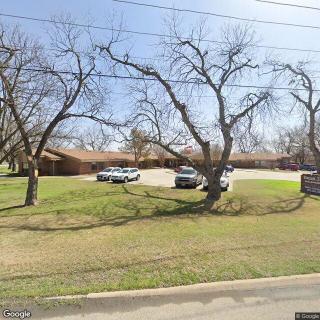

 Comprehensive Insights and Practical Strategies to Help Older Adults Avoid Falls
 6 Crucial Ways an Elder Law Attorney Assists Families
 Navigating the Tax Landscape of Caregiving: Credits, Deductions, and Beyond