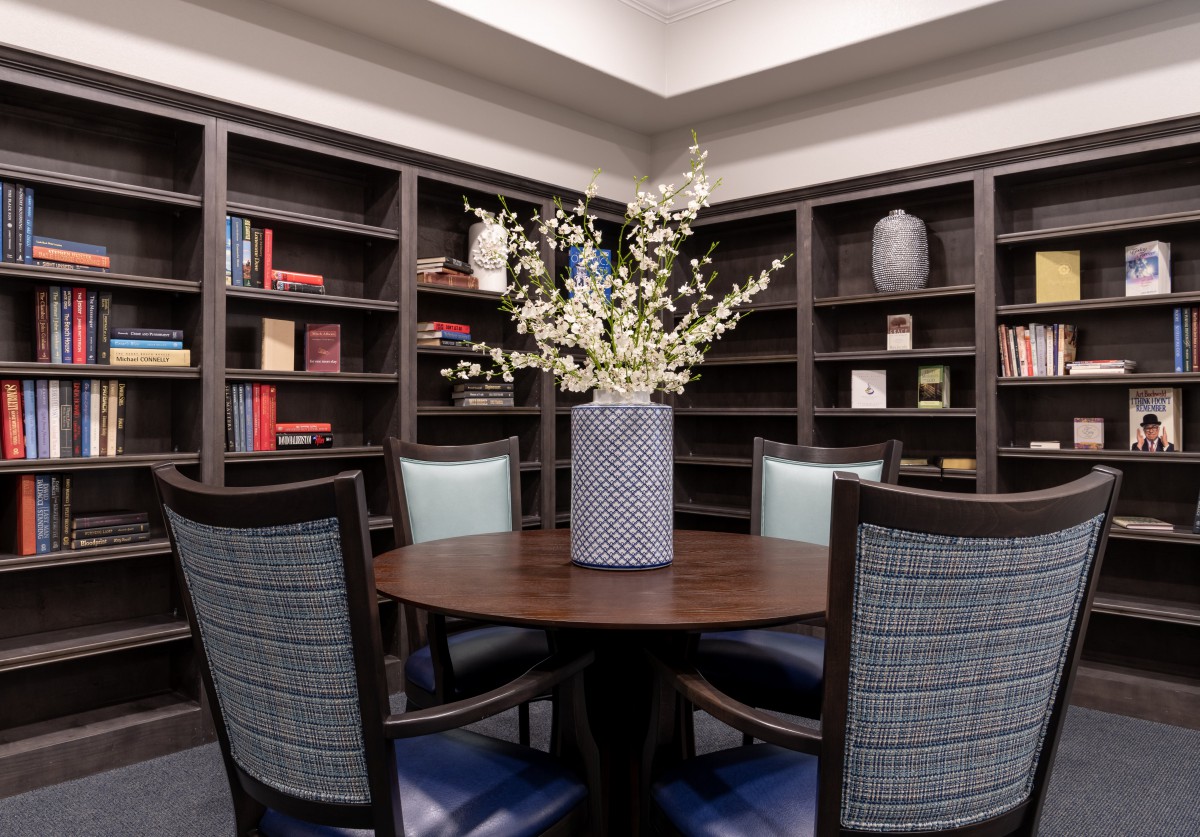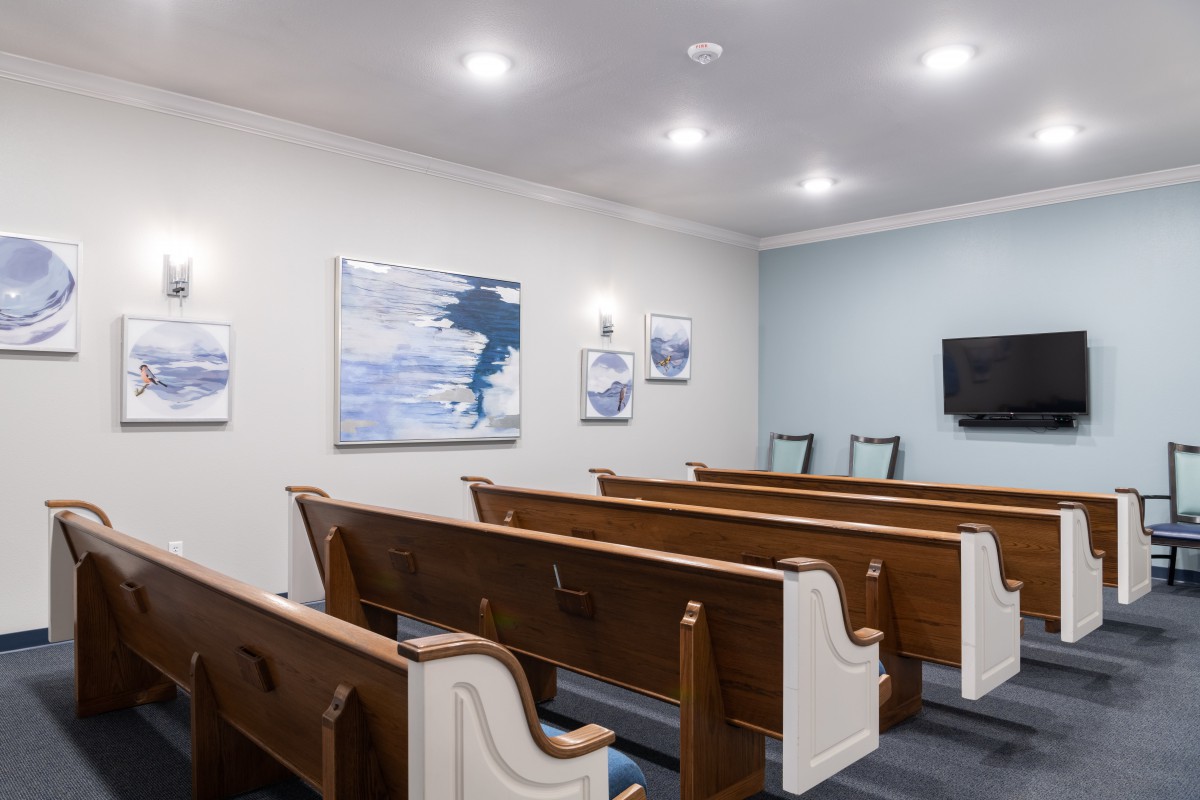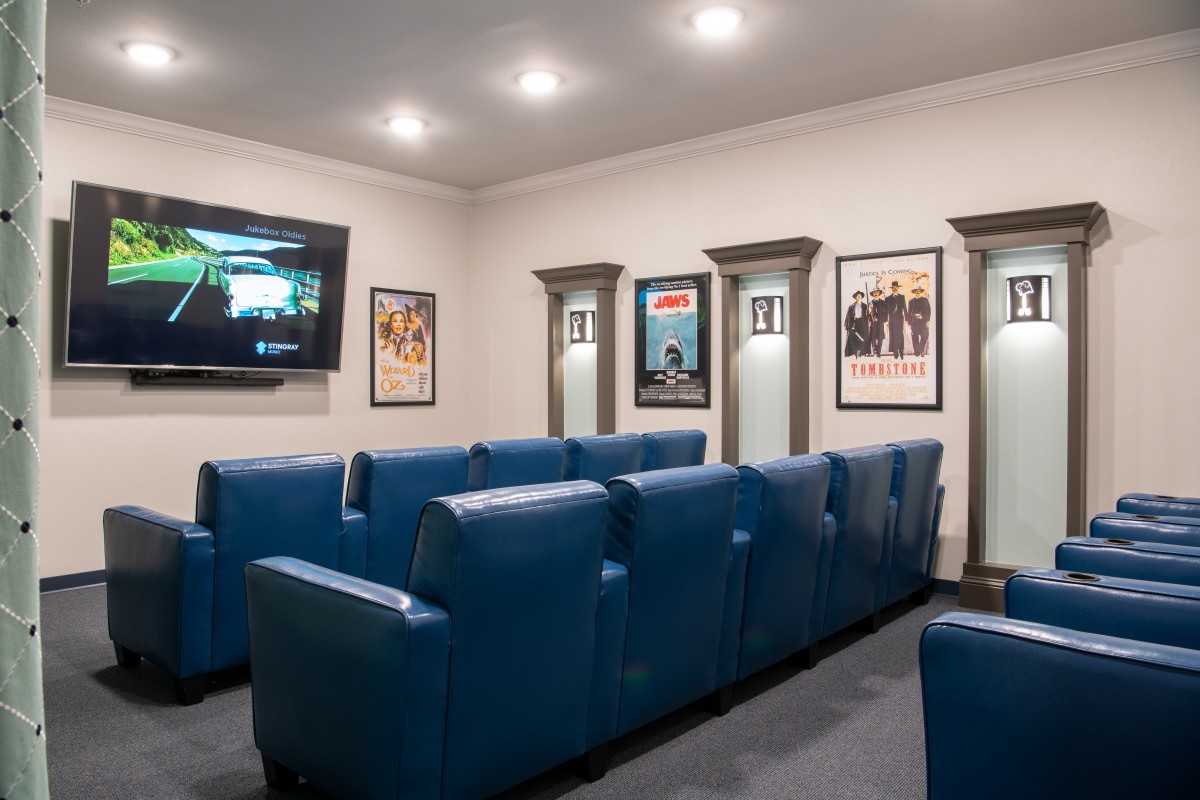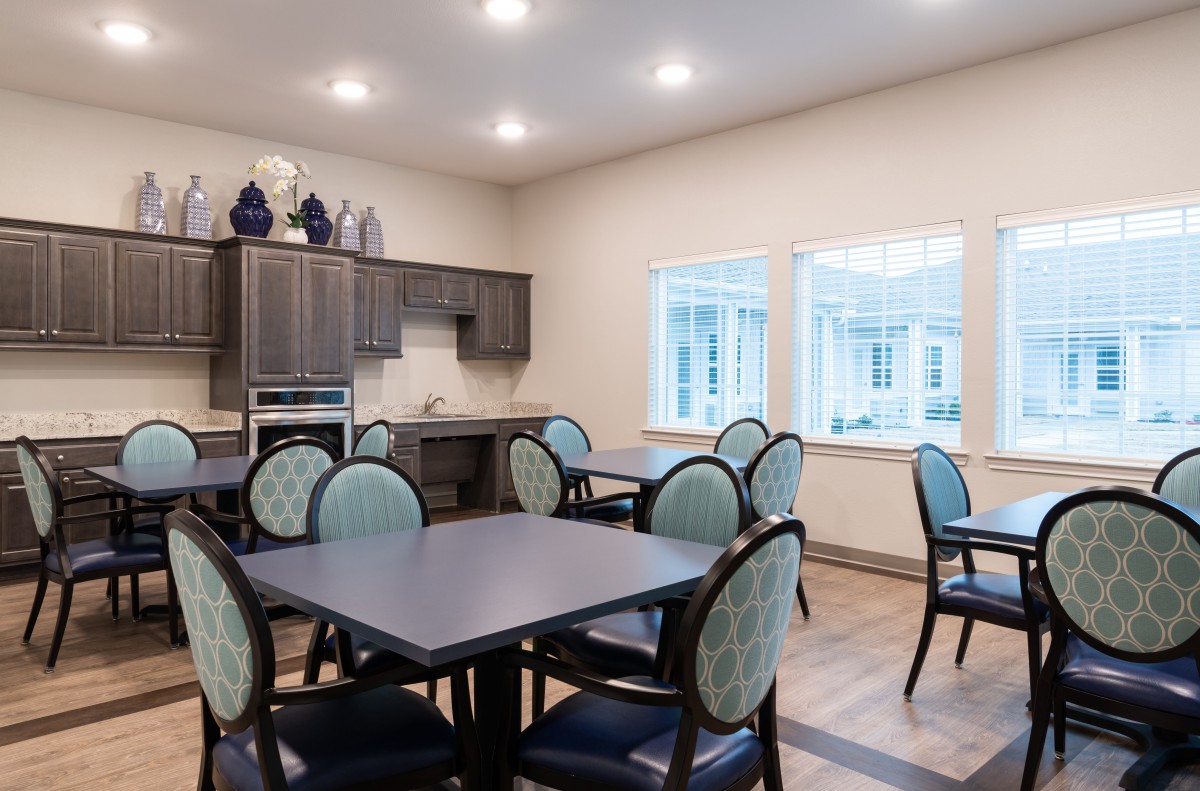
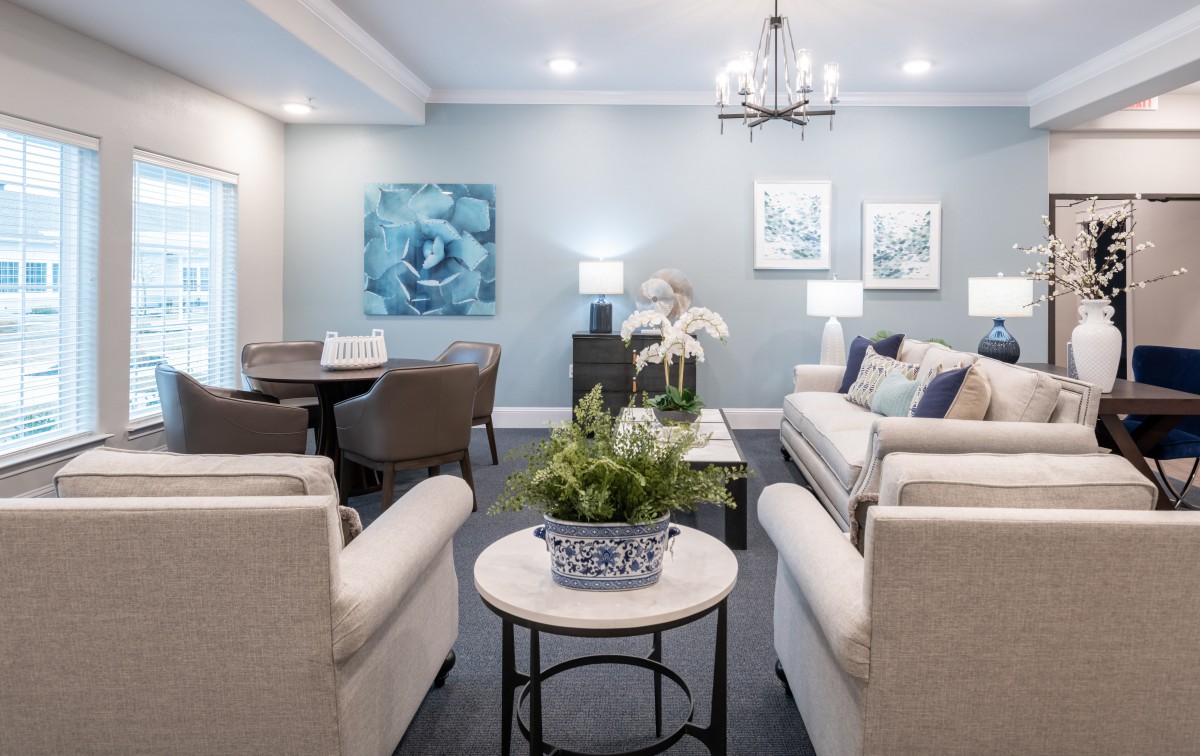
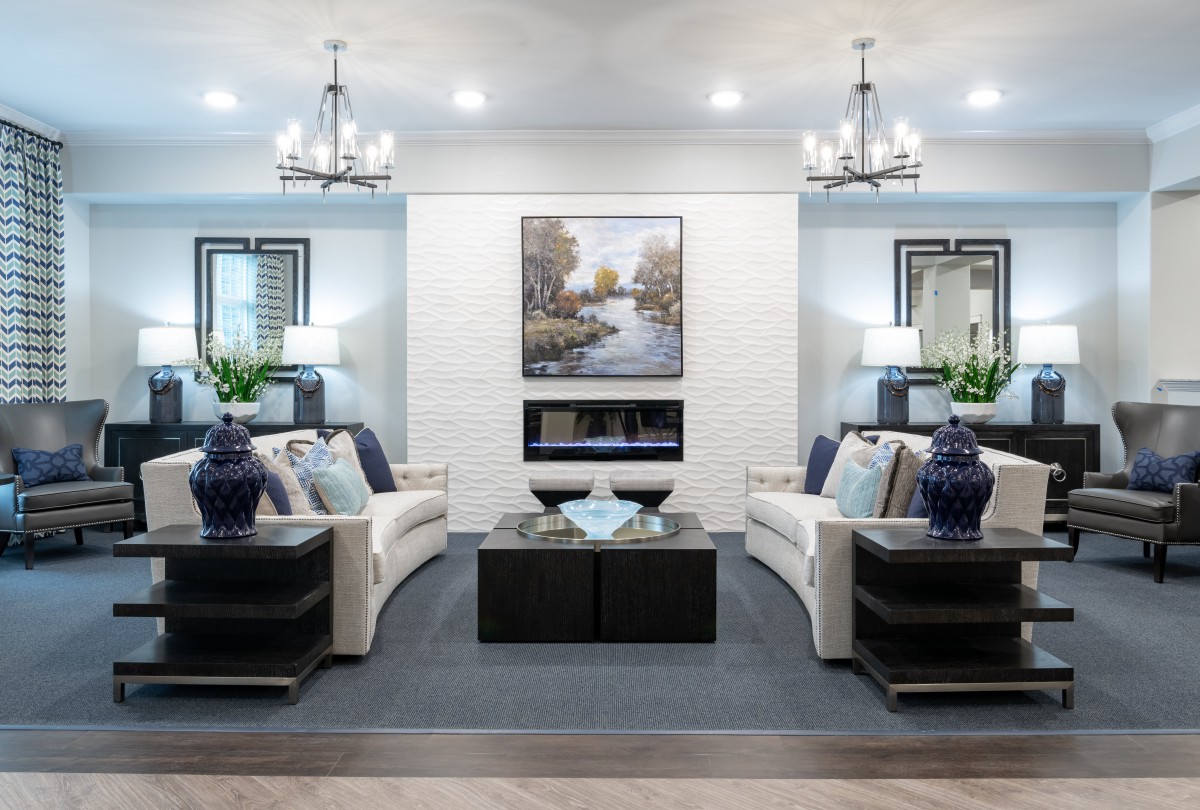

3291 East Broadway, Gainesville, TX 76240
To contact a resident: (940) 301-4436
For more information about senior living options: (866) 208-4318
Wesley House of Gainseville Costs & Pricing
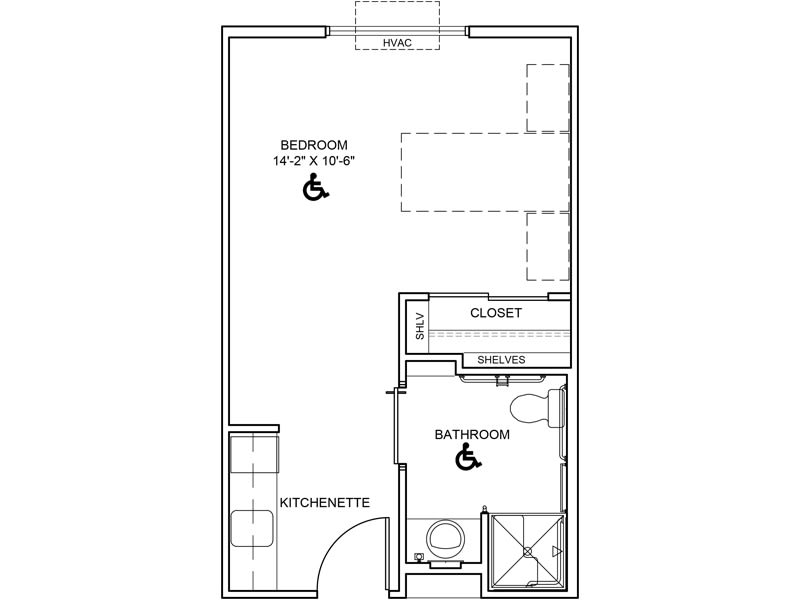
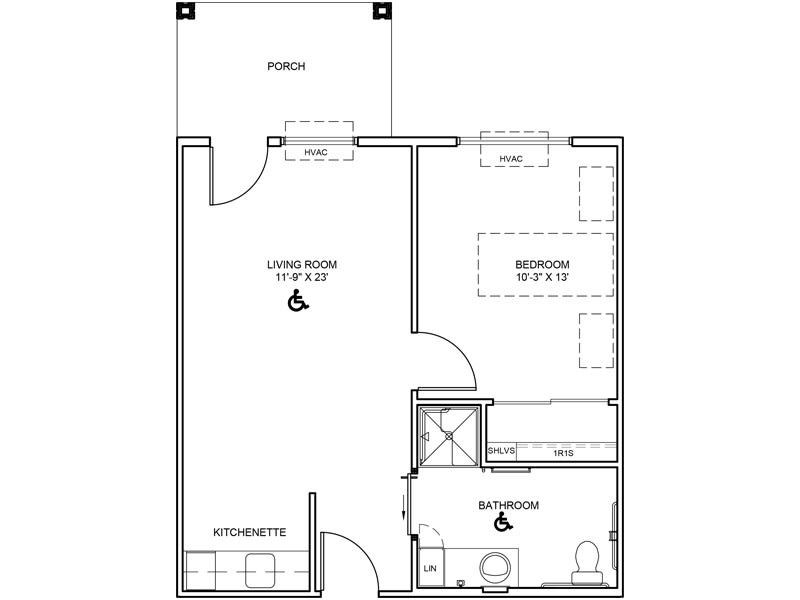
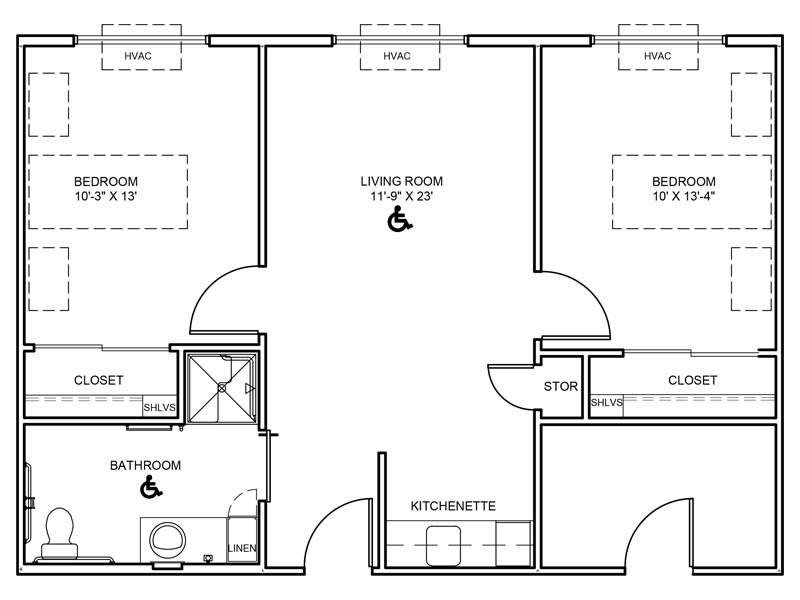
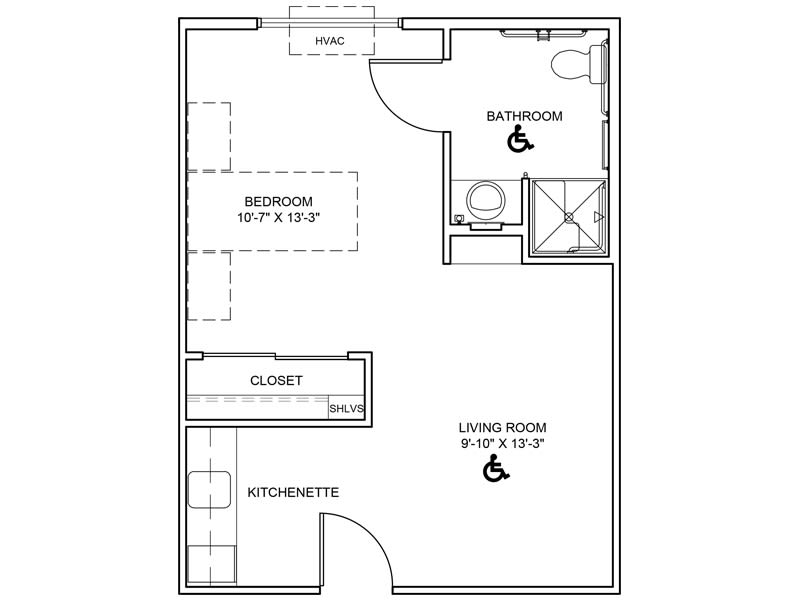
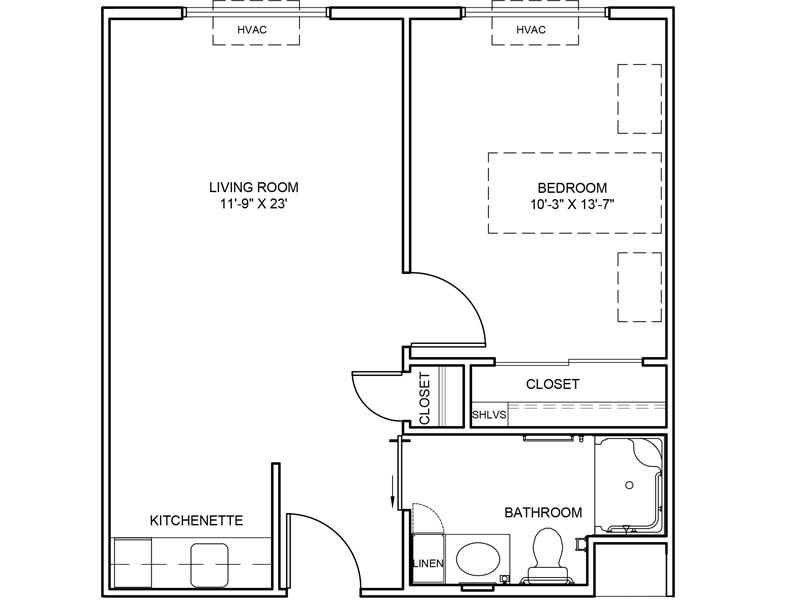
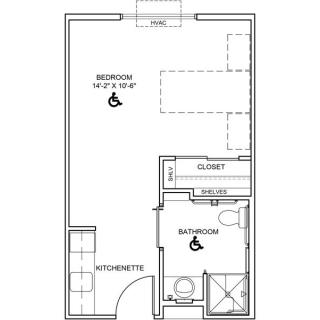
Wesley House of Gainesville offers competitive pricing for various room types when compared to both Grayson County and the broader state of Texas. For instance, a studio at Wesley House is priced at $2,800 per month, which is significantly more affordable than the county average of $3,609 and the state average of $3,758. Similarly, their one-bedroom units are priced at $3,800, aligning closely with Grayson County's rates but still remaining below the statewide average. The semi-private rooms are priced higher at $4,200; however, they still fall within a reasonable range compared to the county's $3,418 and Texas's $3,680. Lastly, their two-bedroom option is competitively set at $5,000 per month - this rate exceeds that of Grayson County but remains lower than the Texas average of $4,215. Overall, Wesley House positions itself as an attractive choice for those seeking affordable living arrangements in a desirable location.
| Floor plans | Wesley House of Gainseville | Grayson County | Texas |
|---|---|---|---|
| Studio | $2,800 | $3,609 | $3,758 |
| 1 Bedroom | $3,800 | $3,586 | $3,761 |
| Semi-Private | $4,200 | $3,418 | $3,680 |
| 2 Bedrooms | $5,000 | $4,803 | $4,215 |
Memory care communities with a similar price nearby
-
from +$260 / mo
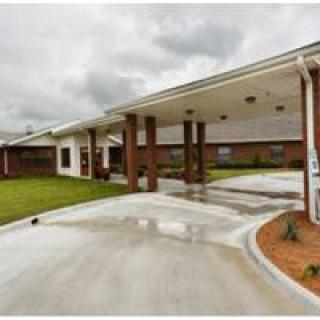
Renaissance Care Center
$3,060 to $3,810 / month2.3 miles away
Overall Review of Wesley House of Gainseville
Pros
 The entire staff at Wesley House is very caring and focused on the wellbeing of their residents.
- The staff is very caring and kind.
- The experience for residents is very good, and they love living there.
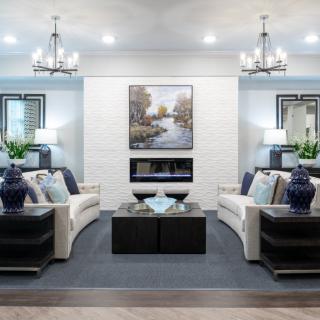
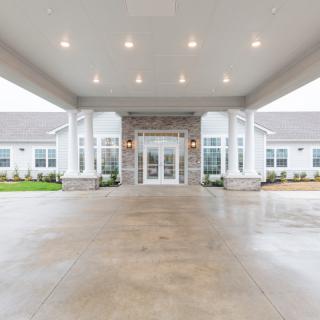
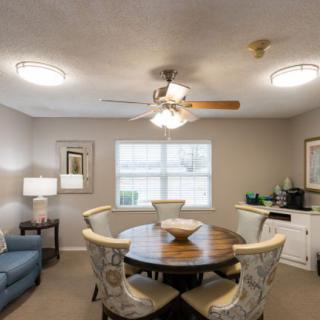
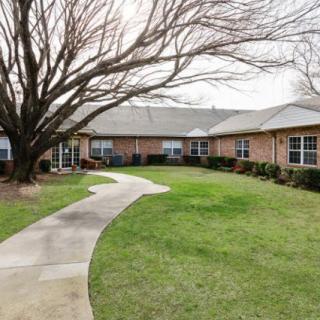
- The facility is beautiful, and residents feel safe, welcome, and content.
- Wesley House Gainesville is a lovely facility with a great administrator who works non-stop and answers questions.
- They would recommend Wesley House Gainesville to others.
- The staff is an amazing group of people who take care of loved ones.
- The community offers engaging activities and remains clean and welcoming.
Cons
 They observed that people who are rich and well dressed are treated like royalty, while others sit in the corner and sleep.
- Some personnel here stink.
- They would not let their dog stay there.
- They feared that a dog would be kicked and fed slop.
- The reviewer felt the community was a bit too large for their loved one.
- They noted that it is expensive to live there.
Review
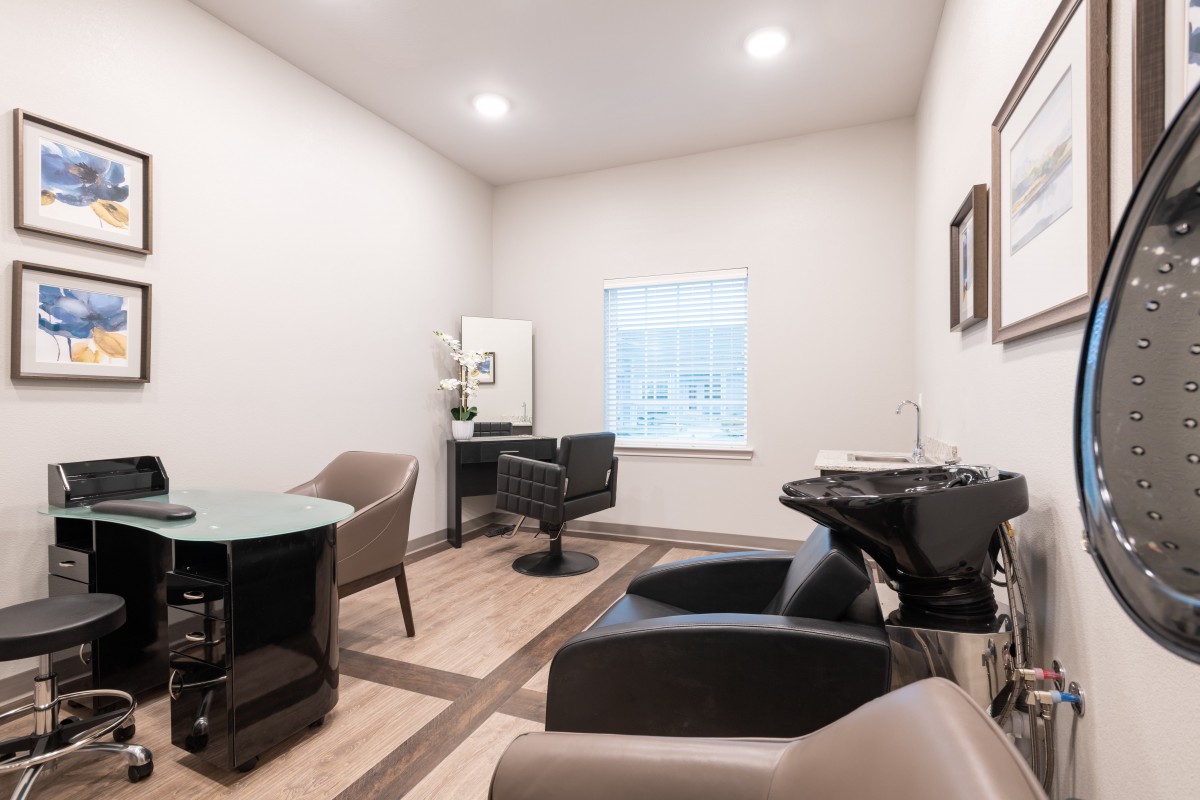
This community is best suited for families seeking a lively, welcoming, and moderately upscale assisted living and memory-care environment where a strong social calendar and accessible care team are valued. It works well for loved ones who respond to a bright, newer setting, where administrators and front-line staff are generally attentive, and where there is clear pride in safety, cleanliness, and resident engagement. The right fit is someone who appreciates a facility that feels active and present: regular activities, visiting doctors, and a culture that emphasizes family involvement and personal connections.
Those who may want to consider alternatives include families prioritizing a smaller, more intimate setting or a campus with a uniformly uniform, ultra-consistent staff across all shifts. Several reviews point to experiences that vary by staff member, with some families worried about uneven attentiveness or behavior that feels less thoughtful on occasion. For a loved one who is easily overwhelmed by a larger campus, or who requires highly customized one-on-one attention, a smaller home or specialized boutique option could be a better match. Additionally, families on a very tight budget or seeking the very lowest possible price for comparable care may wish to compare options, even within similar memory-care and assisted-living tiers.
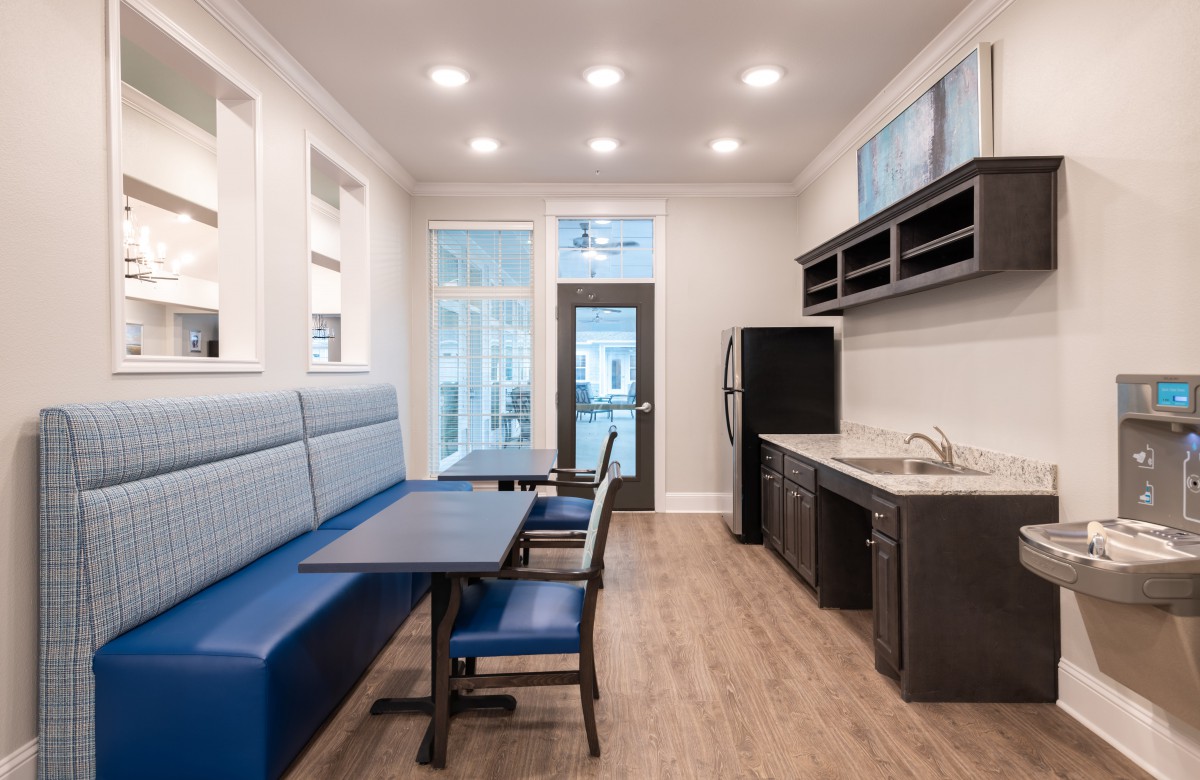
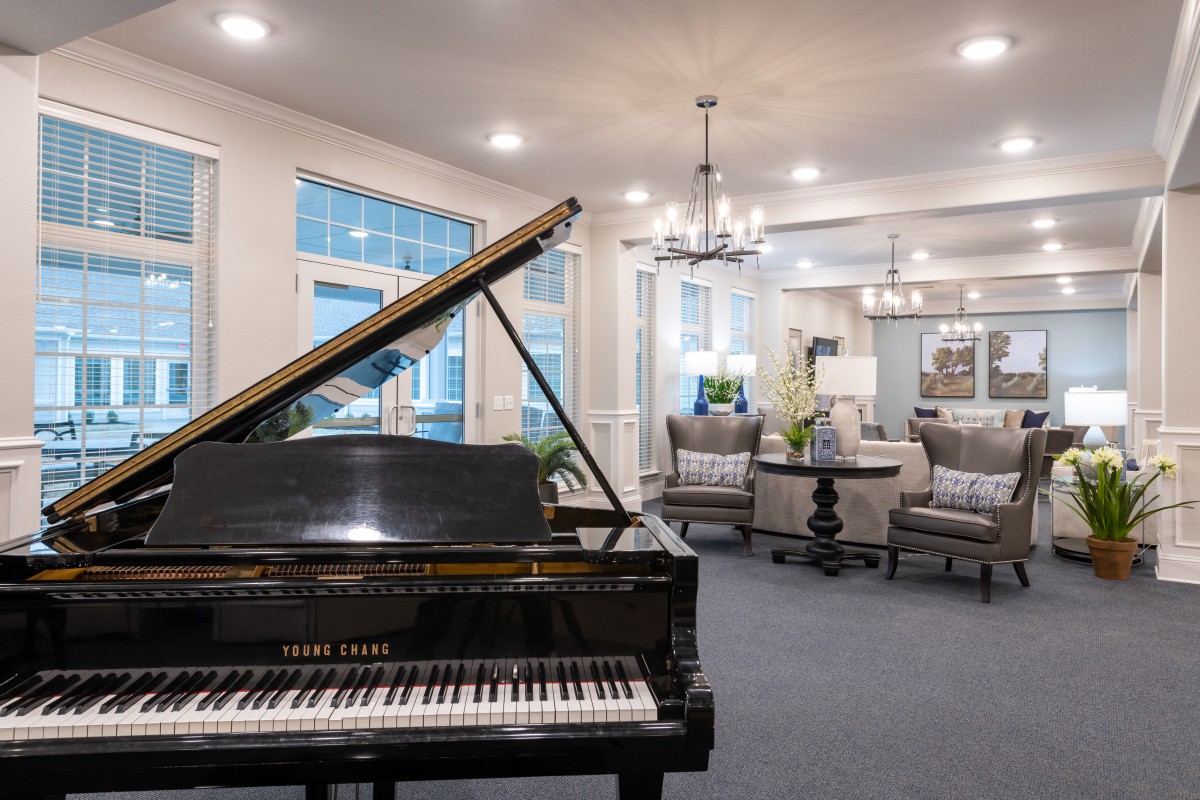
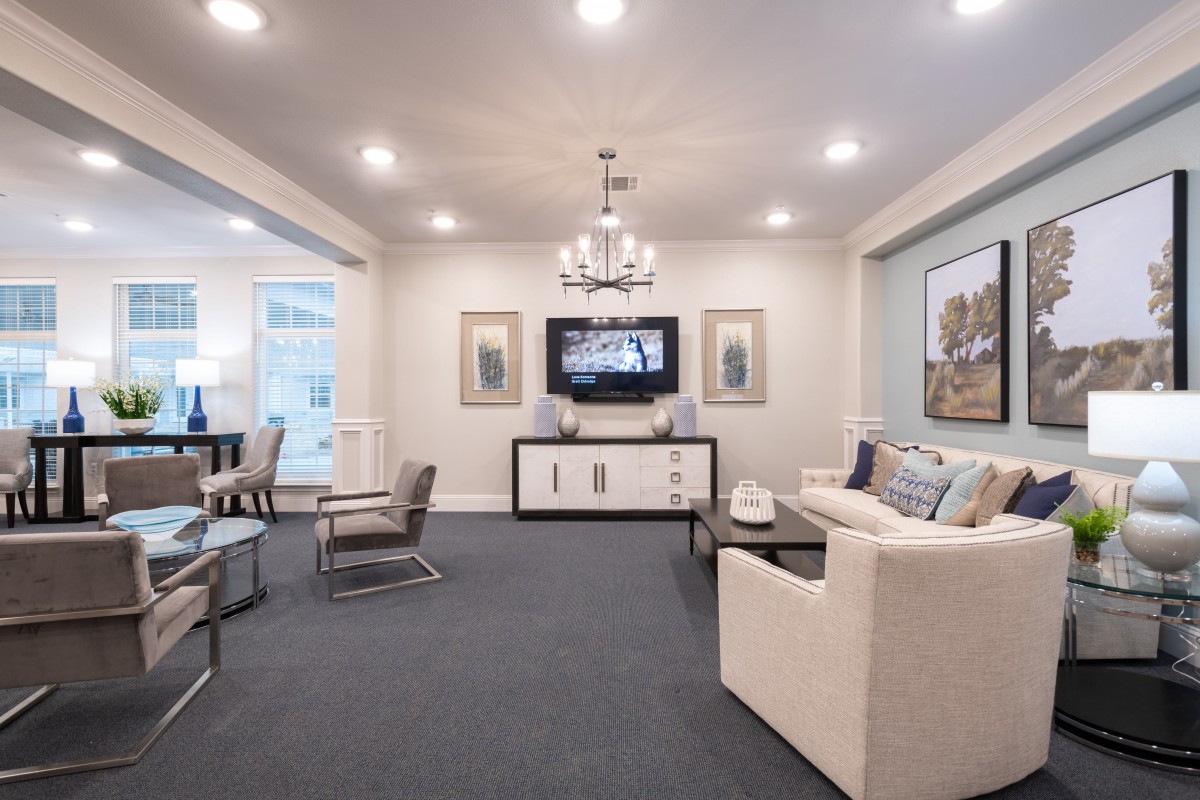
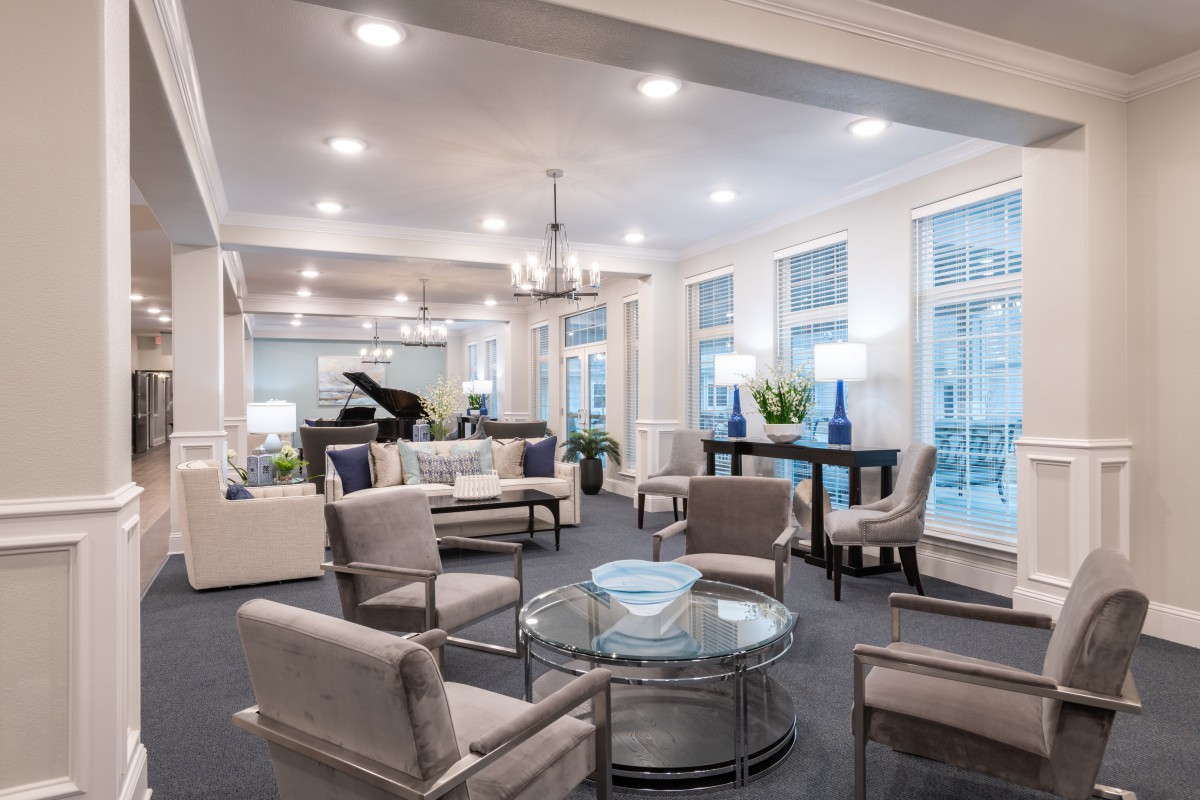
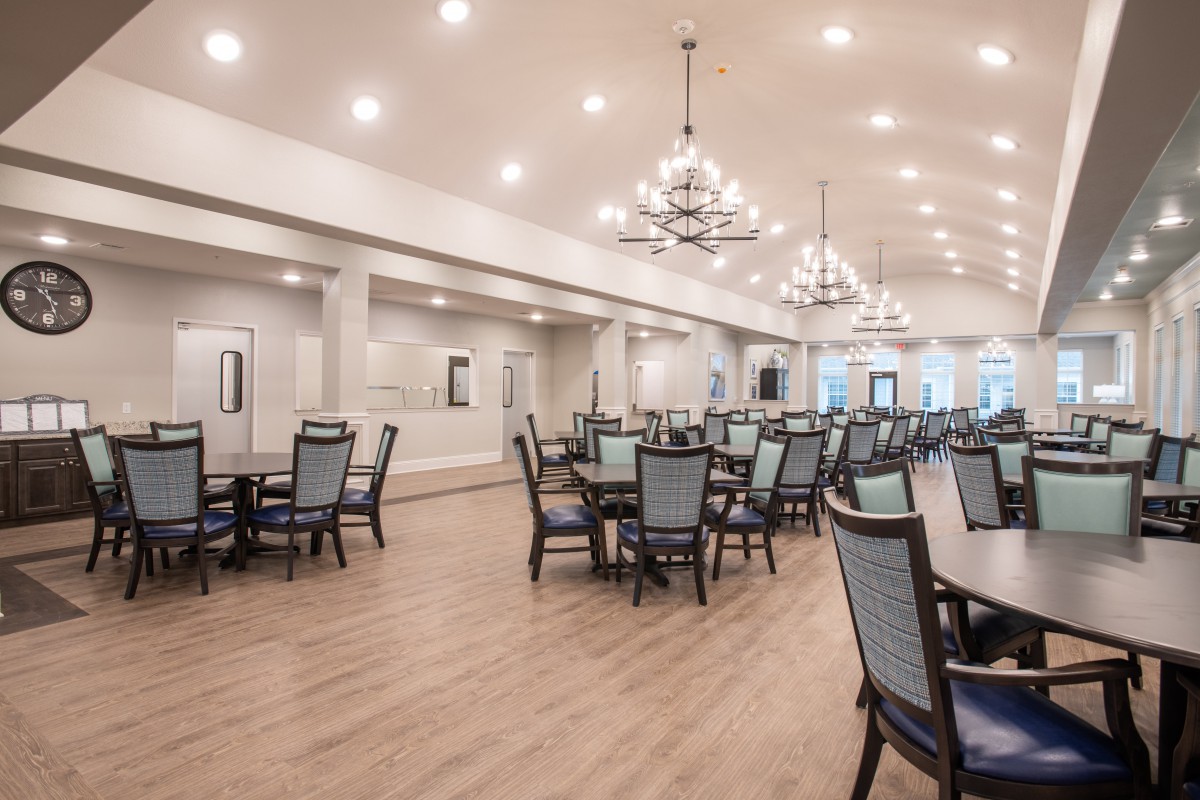
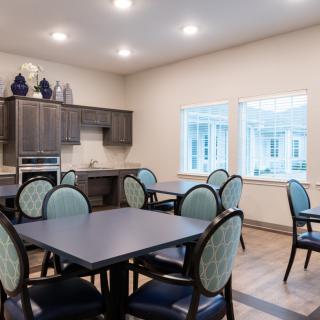
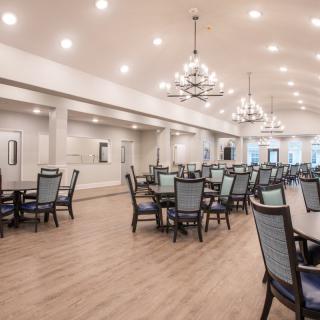
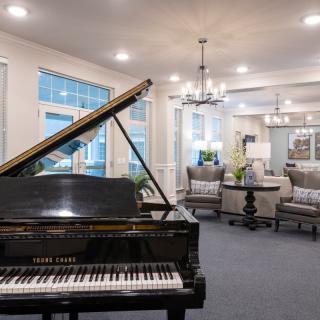
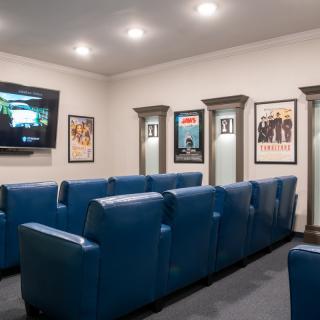
The strongest positives center on the care ethos and the environment. Numerous families praise caregivers for genuine concern and a culture of wellbeing, complimenting the administratorā€™s accessibility and willingness to respond to questions. The facility itself earns praise as clean, bright, and inviting, with a modern feel that reduces the institutional vibe. Residents report feeling safe, welcomed, and content, and families repeatedly note meaningful connections with staff who show up when needed and who go the extra mile, whether fixing a buzzing device or coordinating visits from clinicians. The programmatic side shines too: a robust slate of activities (yoga, bowling, games, crafts, and themed events), social events that invite family participation, music and movie nights, and on-site or visiting medical support that keeps care coordinated. Food and dining are described as adequate or better, contributing to overall satisfaction with daily living.
Yet, the reviews do not ignore the downsides. A minority of experiences reveal inconsistencies in staff attentiveness, with concerns that treatment can feel dependent on individual personalities or circumstances. A perception, whether accurate or not, of uneven quality on certain shifts can undermine confidence in care continuity. The campus size, while a strength for social opportunities, can feel overwhelming or less intimate to some residents, especially those who require a highly personalized pace or a quieter routine. There is also a call for more inclusive programming for residents with visual impairments, indicating that activity options may need to be tailored further to maintain engagement for all abilities. And while the cost is not prohibitive within the local market, a few reviews flag price as a consideration for families comparing layouts and levels of care.
These pros offset the cons when viewed through a practical lens. The combination of caring staff, an administrator who is accessible, and a bright, well-maintained environment creates a foundation of trust that many families cite as a decisive factor. The strong emphasis on social and cognitive engagement, plus flexible visiting policies and resident-led activities, helps residents form meaningful attachments, offsetting concerns about occasional staffing gaps. The price-to-value equation also tilts favorable for many families: you can access a modern facility with solid amenities and a broad activity program without sacrificing essential care quality, especially for those who value a vibrant community and regular interaction with care professionals. For memory care and assisted living in a community that feels welcoming and well-managed, these offsets often prove decisive.
In practical terms, families evaluating Wesley House Gainesville should plan multiple site visits at different times, request face-to-face conversations with the administrator, and observe how staff respond across care moments, not just during scheduled activities. It is wise to ask about staff-to-resident ratios on each shift, the turnover rate among caregivers, and how care plans are updated as needs evolve. Sample the dining experience, meet the therapy and activity coordinators, and confirm what visiting doctors or specialists routinely come through. If the goal is a quieter, smaller setting or one with particularly consistent staffing, bring those criteria into the tour and daylight-test behavior over several days. For families chasing a lively, supportive, and inclusive community, Wesley House Gainesville often delivers with notable strength.
The bottom line is clear: Wesley House Gainesville is a compelling choice for families who prize a modern, active environment, strong caregiver engagement, and a facility that feels like a community rather than a clinical hall. It is less ideal for those who demand uniformly flawless staff interactions every shift, desire an intimate, low-traffic home, or must minimize cost to the greatest extent. When aligned with the right resident temperament and care goals, this community offers substantial value, balancing warmth and practicality, with enough programming and professional support to sustain quality daily living.
 Assisted Living
 Memory Care
 Cats allowed
 Dogs allowed
 Activities on-site
 Air-conditioning
 Cable or satellite TV
 Devotional services off-site
 Garden view
 Ground floor units
 Handicap accessible
 Indoor common areas
 Kitchenette
 Private patio, deck, or balcony
 Wheelchair accessible showers
 Wi-Fi/high-speed internet available
 Ambulatory care
 Diabetic care
 High acuity care
 Incontinence care
 Medication management
 Meals provided
 Art classes
 Bible study group
 Day trips and outings
 Educational speakers / life long learning
 Happy hour
 Live musical performances
 Stretching classes





 Nourishing the Mind: Essential Dietary Approaches for Dementia
 Understanding Dementia Behaviors: Practical Insights and Strategies for Caregivers
 When Dementia Sparks Anger and Aggression: Understanding the Connection and Ways to Cope