Renaissance Care Center offers competitive pricing for its services, with monthly costs that are more affordable compared to both Grayson County and the broader state of Texas. For a semi-private room, residents can expect to pay $3,060, which is significantly lower than the county's average of $3,418 and well below the statewide rate of $3,680. When it comes to private accommodations, Renaissance Care Center maintains a similar advantage, charging $3,810 in comparison to Grayson County's average of $4,589 and Texas' overall cost of $4,096. These pricing structures reflect Renaissance Care Center's commitment to providing quality care while ensuring that financial considerations do not become a barrier for potential residents and their families.
Floor plans
Renaissance Care Center
Grayson County
Texas
Semi-Private
$3,060
$3,418
$3,680
Private
$3,810
$4,589
$4,096
Overall Review of Renaissance Care Center
common40 reviews mention this
Staff care and family communication
Residents and families consistently describe attentive, caring staff who keep them informed.
Across many reviews, people describe staff members as compassionate, friendly, and willing to help, including with day-to-day concerns. Several families also mention clear communication and responsiveness, saying they could call and get help when medical needs came up. A recurring theme is leadership and nursing teams being present and supportive, especially during difficult moments. One review stands out for calling out a lack of phone access, but most comments focus on supportive, personal care.
common12 reviews mention this
Clean rooms and well-kept facility
Reviews repeatedly mention a clean, well-maintained building and rooms.
Multiple reviewers emphasize cleanliness, describing the facility as clean and not having unpleasant odors. Several also call out that private rooms and bathrooms are kept up and maintained. In addition, a number of reviews connect cleanliness with peace of mind, saying residents look well cared for. The overall picture is that upkeep is a consistent strength even when other experiences vary.
common4 reviews mention this
Activities keep residents engaged
Residents are described as having regular activities that make time pass better.
Reviews describe an activities program that includes resident-friendly events like bingo and social outings. Families also mention residents getting encouraged to participate, including bus rides and eating together in the dining room. One review highlights the dining-room atmosphere around activities, while another points to a broader set of engaging things for residents to do. Several comments tie engagement to a more comfortable, positive day-to-day experience.
caveat6 reviews mention this
Rehab and therapy experiences vary
Rehab can be a strong fit for some residents, but therapy quality is not uniform.
A number of reviews recommend the community for rehabilitation, saying physical rehab and nursing care met expectations for recovery. Some families specifically mention physical therapy and rehab after surgery, describing positive outcomes and follow-through. At the same time, one reviewer felt therapy fell short, describing limited PT activity and saying they were not impressed with speech therapy frequency. Overall, reviews suggest rehab works well for many people, but therapy delivery may depend on the specific experience and plan.
caveat6 reviews mention this
Staffing and access raise concerns
A subset of reviews raise concerns about understaffing and getting timely help.
While many reviews are positive, several others report being understaffed and describe delays or missed attention. One review says phone calls went unanswered for a long period, and another describes difficulty contacting a loved one by phone. There are also accounts of residents being left waiting during meal times and not receiving attention as expected. These comments are the main recurring negative theme that contrasts with the many positive caregiving experiences.
How we summarize
Counts show how many written reviews mention each theme; a review can touch several themes, and only frequently mentioned themes are displayed.
Features
Housing
91 resident community capacity
Types of Care
Memory Care
Skilled Nursing Facility
Amenities
Air-conditioning
Beauty salon
Cable or satellite TV
Computer center
Dining room
Fitness room
Fully furnished
Gaming room
Garden
Housekeeping services
Kitchenette
Move-in coordination
Outdoor space
Private
Private bathrooms
Restaurant-style dining
Small library
Telephone
Wellness center
Wi-Fi/high-speed internet available
Transportation
Community operated transportation
Transportation arrangement
Transportation arrangement (non-medical)
Transportation to doctors appointments
Care Services
12-16 hour nursing
24-hour call system
24-hour supervision
Activities of daily living assistance
Assistance with bathing
Assistance with dressing
Assistance with transfers
Diabetes diet
Meal preparation and service
Medication management
Mental wellness program
Special dietary restrictions
Dining
Diabetes diet
Special dietary restrictions
Activities
Community-sponsored activities
Concierge services
Fitness programs
Planned day trips
Resident-run activities
Scheduled daily activities
Nearby Places of Interest
Restaurants
Woolf Den (0.4 miles)
Villa Grande Mexican Restaurant (0.7 miles)
Chili's Grill & Bar (0.7 miles)
Taco Casa (0.7 miles)
El Tapatio (0.8 miles)
McDonald's (0.8 miles)
Braum's (0.8 miles)
Places of Worship
Old Mount Olive Baptist Church (1 miles)
St Paul's Episcopal Church (1.1 miles)
First United Methodist Church (1.1 miles)
First Baptist Church (1.1 miles)
St Pauls Episcopal Church (1.2 miles)
Antioch Baptist Church (1.3 miles)
Open Arms Christian Church (1.4 miles)
Physicians
Matthew Barrows, MD (1 miles)
Gainesville Eye Care (1.1 miles)
North Texas Vision Center PA (1.2 miles)
Richard W Jolly (1.6 miles)
North Texas Vision Center (1.6 miles)
Cooke County Medical Center (1.8 miles)
NTMC Pediatrics (1.8 miles)
Parks
Pecan Creek Park (1.3 miles)
Pharmacies
SNI Pharmacy (1.5 miles)
Plaza Pharmacy (1.7 miles)
Hometown Pharmacy (1.9 miles)
Hometown Pharmacy & Hometown Medical Equipment (1.9 miles)
Renaissance Care Center offers competitive pricing for its services, with monthly costs that are more affordable compared to both Grayson County and the broader state of Texas. For a semi-private room, residents can expect to pay $3,060, which is significantly lower than the county's average of $3,418 and well below the statewide rate of $3,680. When it comes to private accommodations, Renaissance Care Center maintains a similar advantage, charging $3,810 in comparison to Grayson County's average of $4,589 and Texas' overall cost of $4,096. These pricing structures reflect Renaissance Care Center's commitment to providing quality care while ensuring that financial considerations do not become a barrier for potential residents and their families.
The features provided by Renaissance Care Center are integral to supporting residents with dementia or Alzheimer's disease, as they address both physical and emotional needs essential for maintaining quality of life. Assistance with dressing, bathing, and transfers ensures that residents receive the personal care necessary to maintain dignity and comfort, while also reducing confusion during these tasks. Medication management is critical in preventing missed doses or medication errors, which can exacerbate cognitive decline. Meal preparation and service cater not only to nutritional requirements but also foster social interaction during meal times, promoting engagement. Activities of daily living assistance helps residents retain independence in manageable ways, while 24-hour supervision guarantees safety and security at all times. Furthermore, a mental wellness program offers structured activities tailored to cognitive capabilities, encouraging mental stimulation and fostering a sense of community among residents. Collectively, these services support both the physical health and emotional well-being of individuals facing memory challenges.
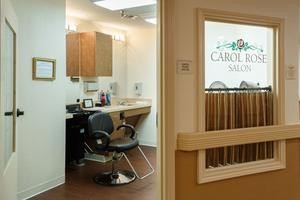
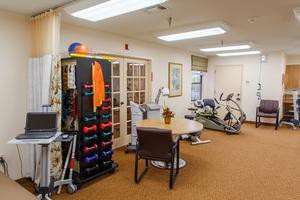
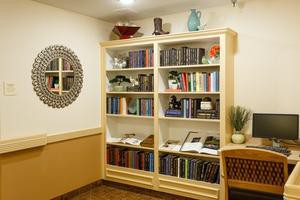
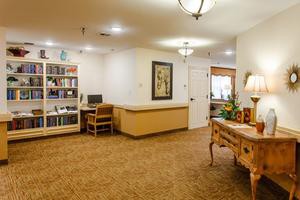
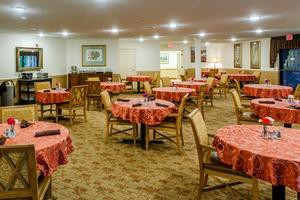
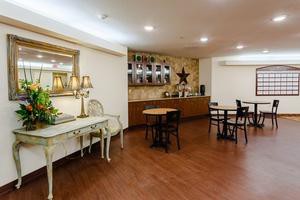
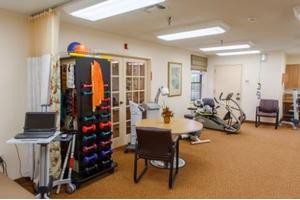
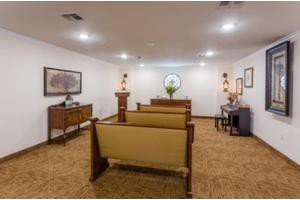
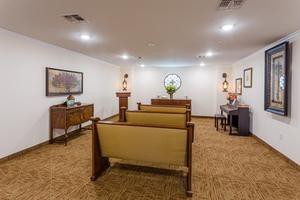
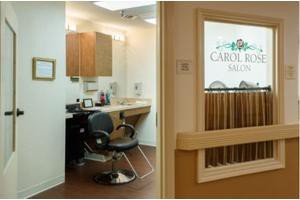
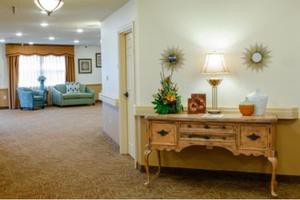
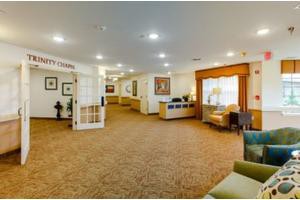
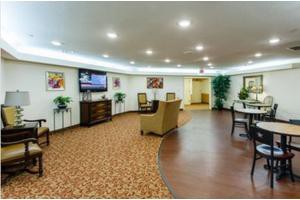
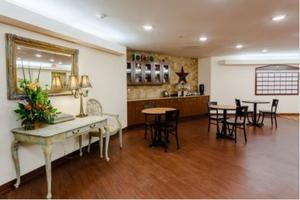
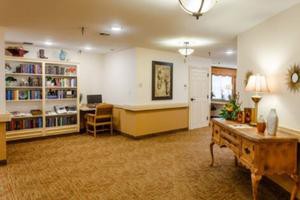
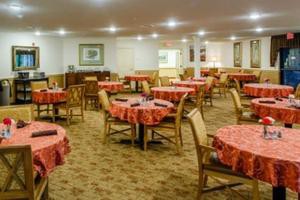
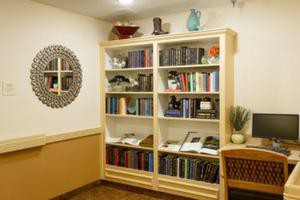
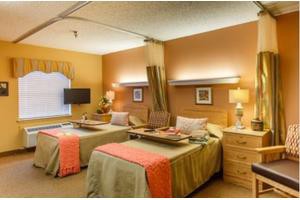
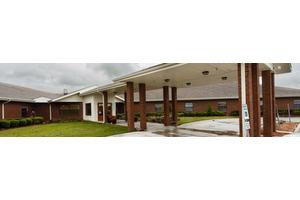
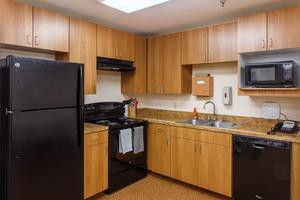
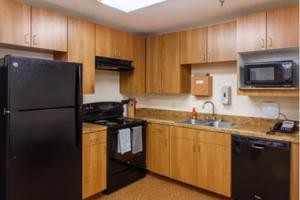
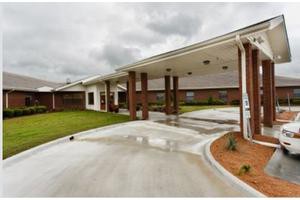
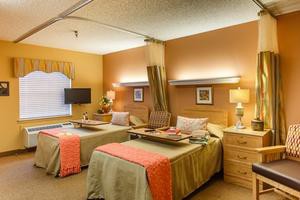
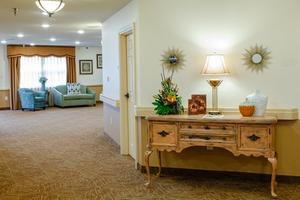
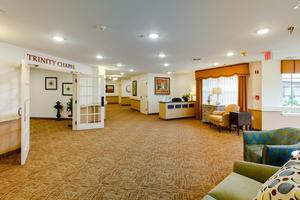
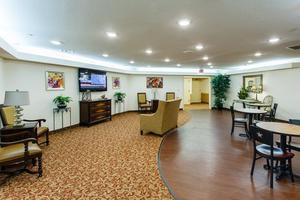
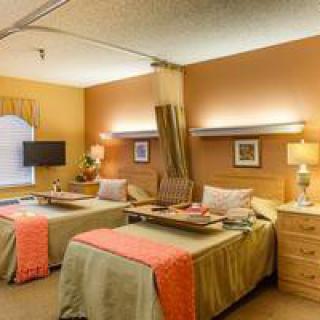
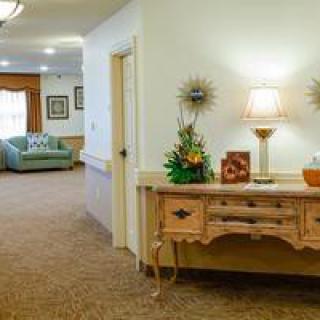
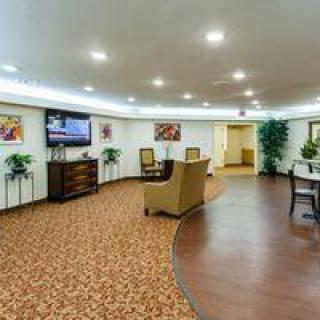
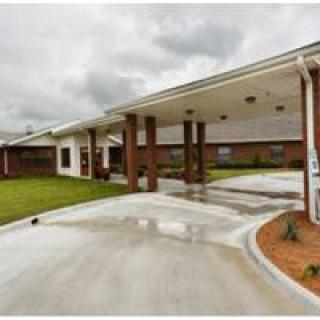
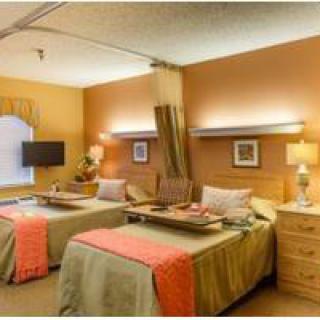
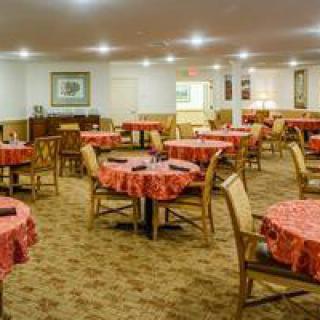
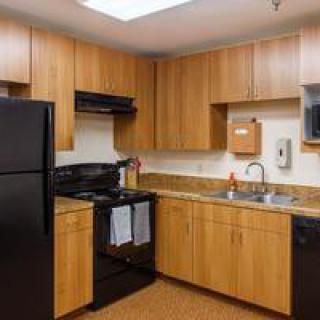
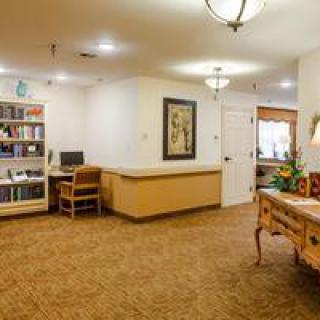
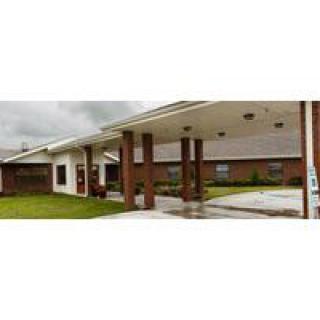
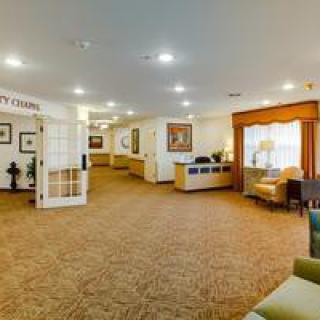
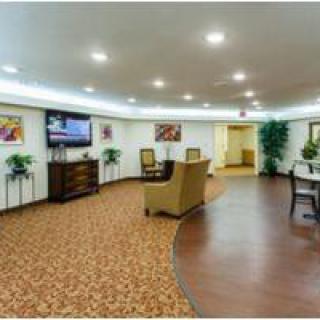
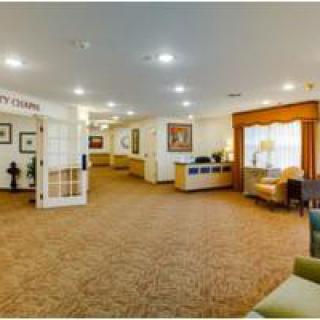
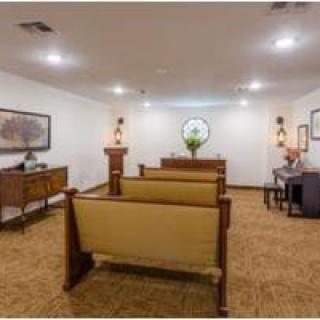
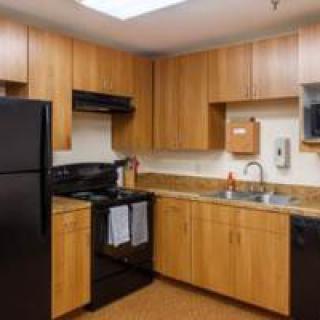
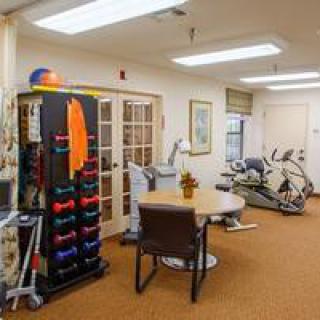
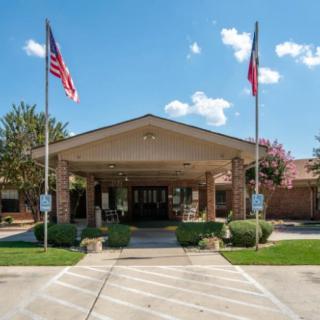
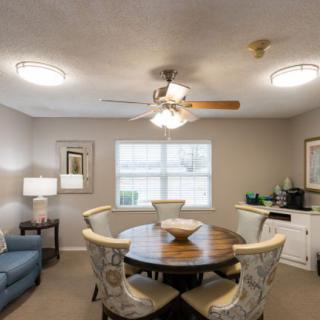
Renaissance Care Center on seniors.fyi includes 26 photos including images showing interior, decor, dining, lighting, salon, exercise equipment, television, seating area, and more.
Nearby Communities
River Valley Health & Rehabilitation Center
Gainesville, TX
4 from 29 reviews
Vibrant amenities (salon, fitness, dining) with transportation and Wi?Fi.
Wesley House of Gainseville
Gainesville, TX
4.4 from 14 reviews
$2,800 to $5,000 / month
Caring staff in a bright, engaging community.
Pecan Tree Rehab And Healthcare Center
Gainesville, TX
4 from 60 reviews
Extensive on-site amenities and broad care services.
Pecan Tree Health Care and Rehabilitation Center
Gainesville, TX
3.9 from 67 reviews
$2,400 / month
Affordable private-room pricing ($2,400/mo) with strong access to nearby healthcare, dining, worship, and hospital services.
Wheeler Place
Gainesville, TX
4.2 from 51 reviews
$3,008 to $4,195 / month
Secure, homey environment with personalized staff attention and engaging activities.
Gainesville Convalescent Center
Gainesville, TX
5 from 1 review
Strong, attentive staff with good family communication.
Visiting Angels - Midland, TX
Midland, TX
4.7 from 97 reviews
Comprehensive, nurturing care with extensive nearby amenities.
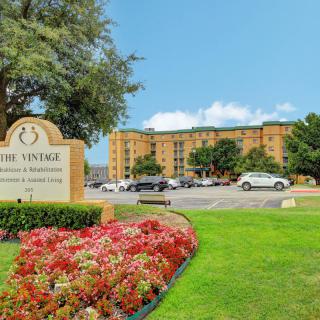
The Vintage Retirement Community
Denton, TX
3.4 from 37 reviews
$1,326 to $2,333 / month
Responsive management and maintenance with engaging activities.
Carriage House Assisted Living of Denton
Denton, TX
4.3 from 43 reviews
$3,600 to $4,200 / month
Caring, responsive staff and a close-knit community.
Dementia affects memory and cognitive function in older adults, presenting challenges for caregivers due to behavioral changes such as confusion and mood swings. Compassionate, person-centered care that considers individual history and preferences, along with effective communication and environmental modifications, is essential for supporting both patients and their caregivers.
Dementia leads to cognitive impairment and can cause emotional and behavioral changes, including aggression that arises from frustration, confusion, or fear. Effective coping strategies for caregivers include understanding dementia's nature, recognizing triggers, using empathetic communication, and employing non-pharmacological interventions like music and art therapy.
Dementia causes cognitive decline and challenging behaviors that caregivers must manage, necessitating an understanding of the neurological basis of these issues. Effective strategies and self-care for caregivers can enhance support for those with dementia and improve their daily lives.
Exercise Equipment, Rehabilitation, and Physical Therapy
Salon
Appliances, Cabinets, and Stove
Seating
Wall Art
Healthcare
Hallway
Office and Computers
Reception Area
Reception
Reading Area
Oven
Therapy Room
Fitness Center
Reception Desk
Chapel
Get PricingAsk A QuestionSchedule A TourContact Senior Advisor
By clicking submit, you agree to our Partner's Terms of Use. You
also consent to receive calls and texts, which may be autodialed, from our Partner. Your consent is not a condition to
using our Partner's service. Please visit our Partner's Privacy Policy for information about their privacy practices.

 91 resident community capacity
 Memory Care
 Skilled Nursing Facility
 Air-conditioning
 Beauty salon
 Cable or satellite TV
 Computer center
 Dining room
 Fitness room
 Fully furnished
 Gaming room
 Garden
 Housekeeping services
 Kitchenette
 Move-in coordination
 Outdoor space
 Private
 Private bathrooms
 Restaurant-style dining
 Small library
 Telephone
 Wellness center
 Wi-Fi/high-speed internet available
 Community operated transportation
 12-16 hour nursing
 24-hour call system
 Activities of daily living assistance
 Assistance with bathing
 Assistance with dressing
 Assistance with transfers
 Diabetes diet
 Medication management
 Mental wellness program
 Special dietary restrictions
 Concierge services
 Planned day trips
 Vibrant amenities (salon, fitness, dining) with transportation and Wi?Fi.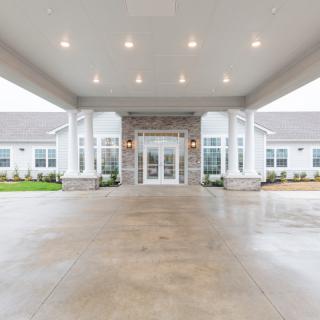


 Understanding Dementia Behaviors: Practical Insights and Strategies for Caregivers
 When Dementia Sparks Anger and Aggression: Understanding the Connection and Ways to Cope
 Dementia Behaviors: In-Depth Understanding and Effective Coping Strategies