


600 Shawanee Road, Harrogate, TN 37752
For more information about senior living options: (866) 208-4318
Overall Review of Tri State Health And Rehabilitation Center
Pros
 The physical therapist was amazing.
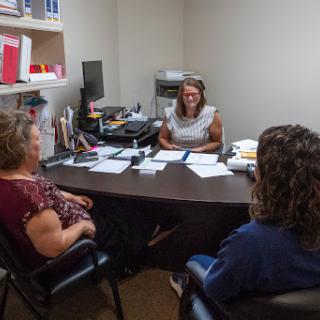
- The office staff was amazing.
- The Director of Nursing and the Social Worker went above and beyond to help.
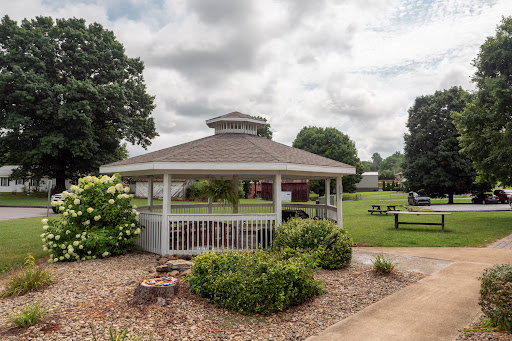
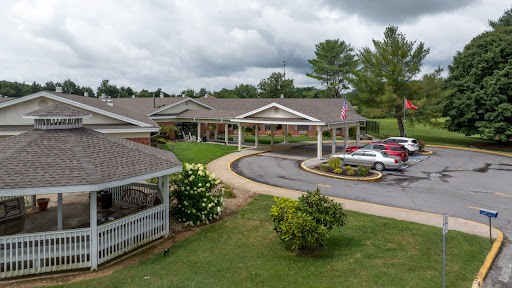
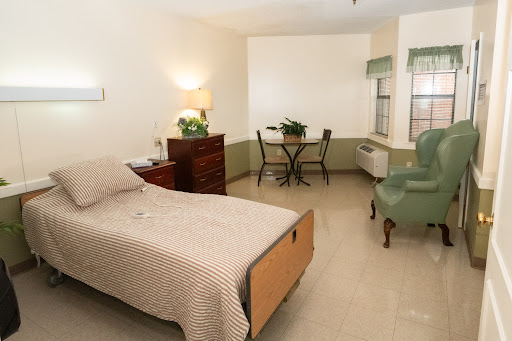
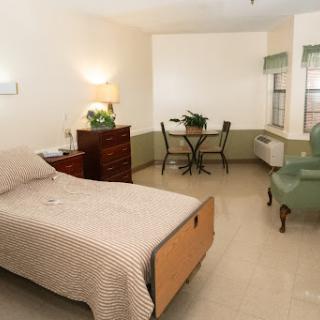
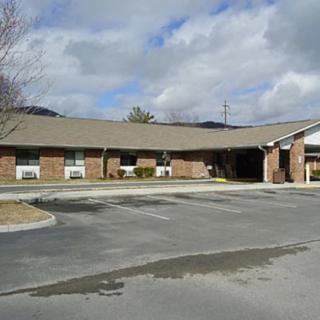
- The facility is clean and well-maintained.
- The meals are delicious.
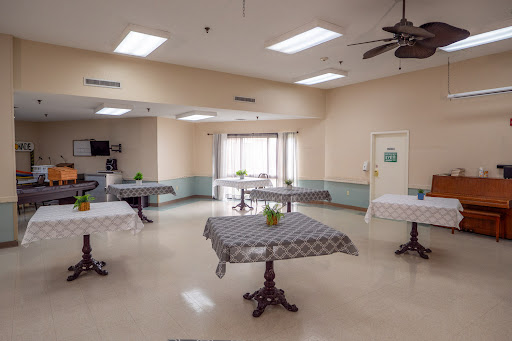
- Physical Therapy was wonderful, and residents participate in activities and weekly outings.
- The staff anticipate residents' needs and provide attentive care.
- Families have peace of mind knowing their loved ones are cared for.
Cons
 The nurse and staff on the first shift need to be fired.
- No one arrived when she buzzed the nurses’ station.
- She waited ten minutes and buzzed them again, but no one came.
- There was no one around to help her.
- No one showed up to help her for over an hour and ten minutes, leaving her in her own feces.
- She never received her medications in a timely manner; they were not arriving until midnight (twelve hours after admission).
- The care was so poor that the patient could have fallen and would have remained on the floor for over two hours without anyone checking on her.
Review
Tri State Health and Rehabilitation Center in Harrogate is best suited for families seeking a rehab-driven, long-term care environment where high-quality therapy, engaging daily life, and good dining are central to the resident experience. The strongest case is made for those whose loved ones need inpatient rehabilitation with a clear emphasis on physical therapy and wound care, delivered in a setting that includes proactive nursing leadership and a responsive social worker. For seniors who prize regular outings, structured activities, and meals that feel substantial and well prepared, this campus often delivers a sense of home and continuity that helps residents settle in and stay engaged.
At the same time, the community warrants caution for families prioritizing constant, on-demand bedside help. Those who cannot tolerate noticeable gaps in daily care, such as delayed bathroom assistance, late medication delivery, or slow responses to alarms, may want to consider alternatives. A particularly troubling account highlights hours-long delays in basic support and a disconnect between patient needs and staff responsiveness. While other reviews celebrate strong therapy and supportive leadership, that single experience underscores the reality that staffing levels and day-to-day execution can become decisive safety risks for vulnerable residents.
The upside is hard to dismiss. Therapy at Tri State is repeatedly described as a standout, with physical therapists delivering meaningful progress and wound care that supports recovery trajectories. Leadership in nursing and social work is frequently praised for going above and beyond, helping families coordinate care and stay engaged with the treatment plan. The facility’s dining and activity calendar also receive favorable mentions, with residents noting tasty meals and regular outings that provide social engagement and a sense of purpose beyond the bed. For long-term residents, the combination of capable therapy and a lively, organized environment can translate into improved mood, weight stabilization, and a sense of ongoing momentum.
However, the reported care-delivery gaps cannot be dismissed. The most serious concerns circle around inconsistent responsiveness and the potential for missed treatment and safety lapses. When alarms go unheard and essential needs go unmet, the risk of falls or medical complications increases, even in a facility with strong clinical services. These gaps do not negate the rehabilitation strengths, but they tilt the risk-benefit balance for families whose loved ones depend on reliable, timely assistance every hour of every day.
In weighing the pros against the cons, the key decision hinges on priority. If therapy quality, meaningful activities, good meals, and engaged nursing leadership are decisive, Tri State can be an excellent match, so long as staffing levels are sufficient and daily care is consistently executed. Prospective families should demand hard data: average call-bell response times by shift, documented CNA-to-resident ratios, and standard med-pass windows. A tour should include candid conversations with frontline staff about daily workflow, alongside feedback from current residents and families about the reliability of help when needed. Observing a shift in real life and reviewing incident follow-ups can reveal whether the positives are sustainable.
Bottom line: Tri State Health and Rehabilitation Center delivers a compelling package for rehab-focused and long-term residents who value strong therapy, solid nutrition, and an active, engaging environment. It is less ideal for those requiring uninterrupted, high-frequency bedside support and near-instantaneous responses to every need. For families seriously considering this community, enter with a clear set of expectations, schedule a thorough meeting with the Director of Nursing and the Social Worker, and request transparent data on staffing and response times. If those assurances fail to meet comfort thresholds, explore alternatives that prioritize steadier daily care while still offering the advantageous therapy and social programming Tri State can provide.
 116 resident community capacity
 Skilled Nursing Facility
 Air-conditioning
 Beauty salon
 Cable or satellite TV
 Computer center
 Dining room
 Fitness room
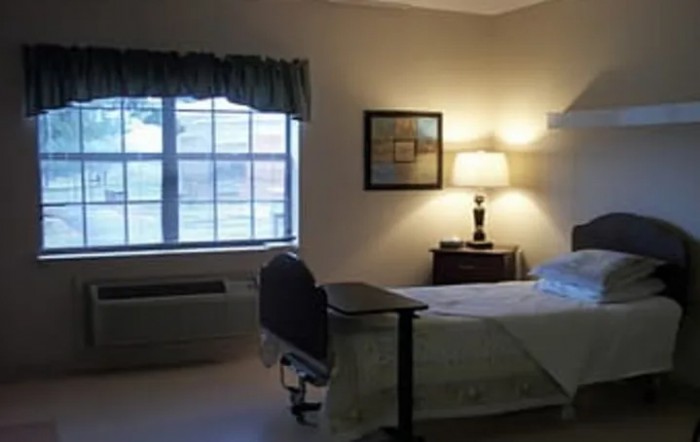
 Fully furnished
 Gaming room
 Garden
 Housekeeping services
 Kitchenette
 Move-in coordination
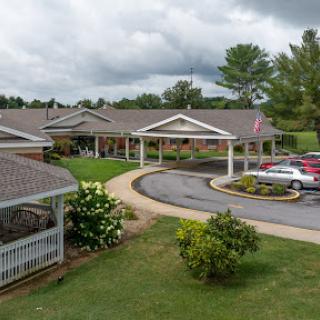
 Outdoor space
 Private bathrooms
 Restaurant-style dining
 Small library
 Telephone
 Wellness center
 Wi-Fi/high-speed internet available
 Community operated transportation
 12-16 hour nursing
 24-hour call system
 Activities of daily living assistance
 Assistance with bathing
 Assistance with dressing
 Assistance with transfers
 Diabetes diet
 Medication management
 Mental wellness program
 Special dietary restrictions
 Concierge services
 Planned day trips





 Caregiver Exhaustion: Recognizing the Signs and Restoring Your Well-Being
 Understanding Hospice Care at Home: Comprehensive Services, Key Benefits, and Eligibility
 Understanding the Full Cost of 24/7 In-Home Care: A Detailed Overview