
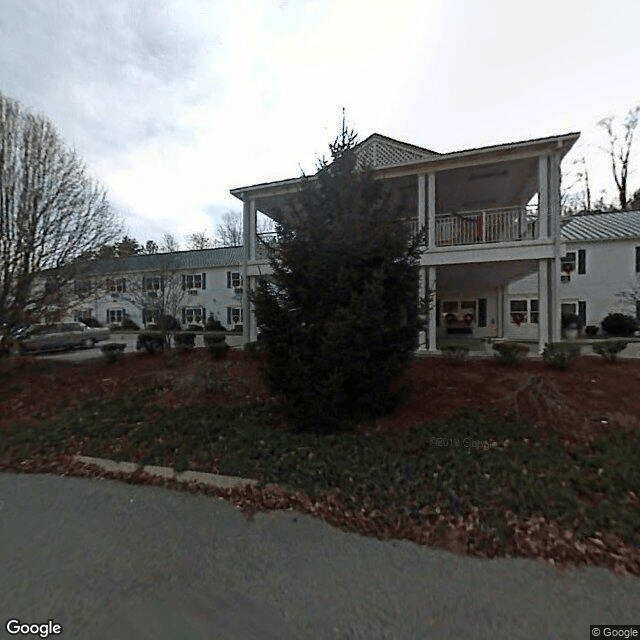
139 Massachusetts Avenue, Lafollette, TN 37766
For more information about senior living options: (866) 208-4318
Lafollette Court Assisted Living Community Costs & Pricing
Lafollette Court Assisted Living Community offers competitive pricing for its residents, with monthly costs for a studio unit set at $2,195 and a one-bedroom unit at $2,995. Notably, these rates align precisely with the average costs in Campbell County, ensuring that residents receive quality care without exceeding local market standards. In comparison to the broader landscape of Tennessee, where studio apartments average around $3,485 and one-bedrooms hover around $3,592, Lafollette Court presents an appealing option for those seeking affordability while maintaining high standards of assisted living care. This strategic pricing approach reflects a commitment to providing accessible solutions tailored to the needs of seniors in the community.
| Floor plans | Lafollette Court Assisted Living Community | Campbell County | Tennessee |
|---|---|---|---|
| Studio | $2,195 | $2,195 | $3,485 |
| 1 Bedroom | $2,995 | $2,995 | $3,592 |
Overall Review of Lafollette Court Assisted Living Community
Pros
 The staff provided excellent care for the resident's mother in her final years.
- The staff are very friendly and caring.
- The staff were kind and helpful, making the family feel comfortable being there with their mother.
- The staff took great care of her.
- Ms Rhoda Graves is compassionate and helps with family needs, responds quickly to questions, and offers the right direction.
Cons
 The boss is terrible.
- The boss hires people who are rough with residents.
- The facility has no benefits.
- The place is a joke.
- It needs to be looked into.
Review
Lafollette Court Assisted Living is best suited for families seeking an intimate, resident-centered setting where caregivers know residents well and respond with warmth and patience. This community shines for residents who thrive on steady, hands-on attention and for families that value a home-like atmosphere over clinical polish. The strongest draw is daily kindness from staff and a willingness to accommodate family needs, especially in difficult moments. For those facing end-of-life decisions, the consistency of compassionate interaction can be a meaningful comfort. It’s not a glossy, impersonal environment; it feels like a place where caregivers understand a resident’s history and tailor care to individual rhythms.
On the positive side, the staff are repeatedly described as friendly, caring, and attentive. The care provided in a resident’s final years is highlighted as excellent, with families noting the staff’s kindness, the sense of comfort they offered during difficult days, and the way they helped relatives feel at ease being present. A key standout is Ms. Rhoda Graves, praised for her compassion, responsiveness, and practical guidance, suggesting a dependable leadership touch in day-to-day questions and family needs.
However, a shadow falls over the picture from critiques directed at leadership. Several reviewers describe the boss as rough and allege a lack of benefits and overarching mismanagement. One account even calls the facility “a joke,” urging closer scrutiny. These comments point to governance and policy concerns that can shape consistency, transparency, and staff stability. For families that require predictable operations, clearly defined procedures, and formal worker benefits, these issues present real risk factors.
Do the bright spots offset the downsides? The strong, direct care and genuine warmth provide durable value: residents receive dignified assistance with daily living, and families feel supported during emotionally charged times. The personal touch can compensate for some organizational gaps, particularly when familiar faces and steady routines are valued. Yet governance questions, if left unaddressed, can corrode continuity and heighten staff turnover, ultimately affecting reliability. The tension between heartfelt, hands-on care and reported leadership concerns should push families to probe deeply into who actually delivers care, how decisions are made, and what safeguards ensure steadiness over time.
Prospective residents should come prepared with concrete questions: what are the current staff-to-resident ratios on each shift, how long do caregivers typically stay, and who leads the nursing and caregiving teams? Inquire about opportunities to meet frontline staff and observe interactions with residents. Ask for details about policies and benefits for staff if those benefits influence retention, and how management handles family questions and care planning. Request examples of how the community handles end-of-life needs and routine schedule variations. If warmth and hands-on compassion are the top priorities and governance concerns are manageable, Lafollette Court can be a strong match; if governance clarity and formal benefits matter more, alternatives may be prudent.
Bottom line: Lafollette Court Assisted Living offers a favorable option for families prioritizing intimate, compassionate care delivered in a homelike setting. It excels at comforting residents and supporting families during challenging moments. The caveat is management-related concerns and potential impacts on consistency and benefits, which may tilt decisions toward communities with clearer leadership and more robust staff benefits. For the right family, the warmth and responsiveness here can be decisive; for others, a facility with stronger governance and steadier policy frameworks may be the safer, smarter choice. The decision hinges on balancing heart-forward care with governance confidence.
 55 resident community capacity
 Assisted Living
 Activities on-site
 Air-conditioning
 Beauty salon
 Cable or satellite TV
 Computer center
 Devotional services off-site
 Dining room
 Fitness room
 Fully furnished
 Gaming room
 Garden
 Housekeeping services
 Indoor common areas
 Kitchenette
 Move-in coordination
 Outdoor space
 Private bathrooms
 Restaurant-style dining
 Small library
 Telephone
 Wellness center
 Wi-Fi/high-speed internet available
 Community operated transportation
 24-hour call system
 Ambulatory care
 Assistance with bathing
 Assistance with dressing
 Assistance with transfers
 Diabetes diet
 Diabetic care
 Medication management
 Special dietary restrictions
 Concierge services
 Planned day trips







 Securing Financial Support for Assisted Living: A Comprehensive Overview
 Social Security Benefits and Assisted Living: Navigating Options Across the U.S.
 An Extensive Exploration of the VA Aid and Attendance Benefit