Cumberland Village in La Follette, TN

Save
Cumberland Village Cumberland Village Cumberland Village

Cumberland Village in La Follette, TN

136 Davis Lane, La Follette, TN 37766

For more information about senior living options: (844) 490-3973

4.2 from 113 reviews
5 stars
72
4 stars
17
3 stars
8
2 stars
3
1 stars
13

Overall Review of Cumberland Village

Pros

  • pro The staff are very pleasant, helpful, and full of the Christmas spirit.
  • pro The staff are friendly, attentive, and truly care about their patients like family.
  • pro The building and grounds are clean.
  • pro The therapy department is outstanding and truly dedicated to helping patients feel better.
  • pro The therapy gym is clean, well-organized, and equipped for effective treatment.
  • pro The admissions and social services departments are unbelievably supportive and helpful.
  • pro The therapists are absolutely wonderful and truly dedicated to helping patients feel better.
  • pro The therapy department treats each patient like family and helps them become stronger and safer.
  • pro Cumberland Village is highly recommended for PT/OT rehab.

Cons

  • pro The facility is neglecting residents, leading to health declines.
  • pro Residents have not been showered for weeks, with bed sores and pressure sores developing.
  • pro Leg braces remain on residents for weeks, indicating inconsistent care.
  • pro The facility cannot adequately care for its clients.
  • pro The food is of very poor quality, often served cold or as “slop.”
  • pro Some nurses are rude and short when questions are asked.
  • pro Areas of the building, especially back sections, are dirty, run down, and have strong odors.
  • pro Rooms contain dirt and even dead bugs, and residents’ belongings frequently go missing.
  • pro Response times to calls are extremely slow, with delays of 45 minutes or more.
  • pro Reviewers would not recommend Cumberland Village.

Review

Cumberland Village in La Follette, Tennessee is best suited for seniors who need substantial post-acute rehab and ongoing therapy, and for families who prize a warm, approachable front-line team that genuinely treats residents like family. The facility earns praise for a robust therapy program, PT, OT, and often speech therapy, that yields tangible progress and often motivates residents to engage. Visitors frequently note a clean, pleasant environment and staff who are friendly, patient, and quick to offer help. For many families, the therapy department and the social-work/Admissions teams form the backbone of a supportive, home-like experience, and patients often come away with measurable gains and a clearer path to going home or to a less intensive setting. This combination makes Cumberland Village a compelling fit for short-term rehab or chronic-chore rehab needs when therapy is a primary objective.

But there are clear caveats that families should weigh before committing. Alternatives may be worth exploring for residents who require very consistent day-to-day clinical oversight, or for those whose safety hinges on rapid, reliable nurse response and a pristine, fully-rested memory-care environment. Several reviews raise serious concerns about neglect, cleanliness, and reliability in some wings of the campus. Food quality and meal service, room maintenance, and the handling of personal belongings are cited as ongoing pain points in a meaningful minority of experiences. For a loved one with advanced dementia, high fall risk, or complex medical needs, those concerns can translate into real risk and disrupted progress, suggesting that other facilities with stronger daily-operational consistency may be preferable.

The strongest case for Cumberland Village rests on its therapy strengths and the staff’s generally caring, personable approach. Multiple families report powerful rehab outcomes in physical therapy and noted progress that improves safety and independence. The therapy gym and overall rehab culture are repeatedly described as welcoming, well-equipped, and professional, with therapists who explain treatments clearly and tailor plans to individual goals. The admissions and social services teams frequently receive praise for responsiveness and support, helping families navigate insurance, discharge planning, and the emotional complexity of transitions. For residents who prioritize therapy quality, and for families prepared to monitor care plans actively, these advantages can meaningfully offset ordinary-service friction elsewhere.

However, the cons in these reviews cut against the degree of confidence that would be prudent for families undertaking a long-term placement. Reports range from frustration with delays in routine care and inconsistent nurse responsiveness to painful narratives about odors, dirty rooms, and lost personal belongings, sometimes in memory-care or peri-care contexts. Some families describe interactions that feel brusque or rushed, and there are credible concerns about communication gaps, missed updates, delayed family contact, and difficulties coordinating with physicians. The most alarming accounts describe neglect-like conditions, such as unattended personal hygiene, unattended skin integrity issues, and medications or treatments that fail to occur promptly. These are not outcomes to dismiss lightly, particularly for residents with low mobility, cognitive impairment, or high care needs.

Ultimately, Cumberland Village presents a mixed but actionable picture. The rehab-therapy superiority and the generally compassionate staff create a foundation large enough to deliver meaningful recovery for many residents, especially when a clear care plan is in place and families stay engaged. Yet the reports of neglect-like conditions, inconsistent daily care, and housekeeping and nutrition shortcomings are not minor quibbles; they signal real risks for certain residents and families who demand a consistently high standard of daily operations. The decision hinges on alignment of priorities: if therapy-driven recovery, family-accessible care teams, and a homey atmosphere are non-negotiable, Cumberland Village can work, provided on-the-ground oversight is strong and a rigorous pre-move-in assessment confirms stable staffing and reliable care routines. If daily reliability, pristine memory-care environments, and consistently on-time care are the top criteria, exploring alternatives with stronger daily-operational track records is wise.

For families considering a move, a practical playbook should be followed before enrollment. Schedule an in-person tour focused not only on therapy facilities but on the memory-care spaces, dining areas, housekeeping, and staff-coverage during peak hours. Request to meet the nurse manager and the therapy supervisor, and ask to review recent incident logs, care plans, and family communication policies. Seek firsthand accounts from current residents’ families about call-bell response times, medication administration accuracy, and how quickly concerns are escalated. Inspect meal service timing and quality, room cleanliness across units, and the process for locating lost belongings. Finally, ask for a transition plan that clearly delineates how any red flags will be addressed and how progress will be measured over the first 30, 60, and 90 days.

In sum, Cumberland Village offers tangible rehab value and a compassionate, family-like environment that many families find attractive and comforting. The major caveat is that the community requires careful scrutiny of daily operations and safety practices, particularly in memory-care and long-term scenarios where consistency is non-negotiable. For seniors whose primary need is high-quality rehabilitation and whose families can commit to close supervision and ongoing communication, Cumberland Village can be a strong fit. For those prioritizing consistently excellent daily nursing oversight, impeccable housekeeping and nutrition, or a pristine memory-care environment, it is prudent to compare with other options and pose tough, specific questions up front to discern whether Cumberland Village can deliver the steady, reliable care desired.

Features

Housing

  • 21 resident community capacity 21 resident community capacity

Types of Care

  • Memory Care Memory CareMemory care is crucial for seniors as it provides specialized support and services for individuals with dementia or Alzheimer's disease. These programs offer a safe and secure environment where residents receive personalized care, cognitive stimulation, and help with daily activities. Memory care helps seniors maintain their independence, quality of life, and dignity while also providing peace of mind for their families.
  • Skilled Nursing Facility Skilled Nursing FacilitySkilled Nursing Facilities are crucial for seniors as they provide round-the-clock medical care, rehabilitation services, and assistance with daily activities. These facilities ensure that seniors receive the specialized care they need to maintain their health and well-being as they age.

Amenities

  • Beauty salon Beauty salonBeauty salons are important for seniors because they provide a space for them to feel pampered, socialize, and maintain their personal grooming and hygiene. Regular visits to a beauty salon can help boost seniors' self-esteem and overall well-being.
  • Cable or satellite TV Cable or satellite TVCable or satellite TV is important for seniors because it provides entertainment, news, and companionship, helping to combat loneliness and boredom. It also offers a wide range of programming options tailored to different interests and preferences.
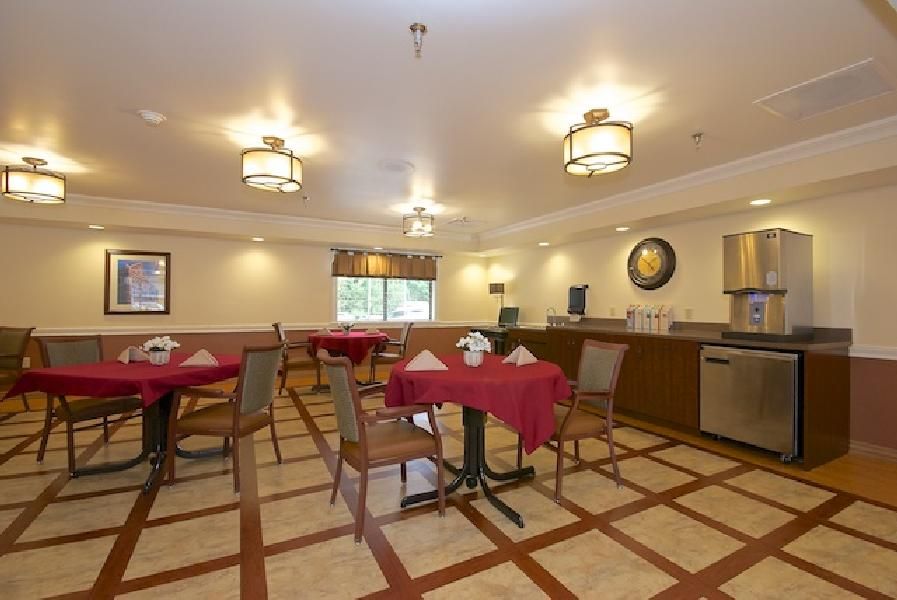
  • Dining room Dining roomDining rooms are important for seniors as they provide a space for socialization, connection, and nutritious meals. They offer opportunities for residents to bond over shared meals, foster a sense of community, and promote healthy eating habits. Dining rooms also ensure that seniors have access to well-balanced meals tailored to their dietary needs and preferences.
  • Fully furnished Fully furnishedFully furnished senior living communities are important for seniors because they provide convenience, comfort, and a hassle-free moving experience. Seniors can easily settle into their new living space without the stress of having to buy and move furniture. This allows them to focus on enjoying their new home and community.
  • Garden GardenGardens are important for seniors as they provide a peaceful and therapeutic environment for relaxation, physical activity, and socialization. Being in nature has been shown to reduce stress, improve mood, and promote overall well-being. Gardens also offer opportunities for seniors to engage in gardening activities, which can improve mobility, flexibility, and cognitive function. Additionally, gardens create a sense of community and connection with others who share a passion for plants and outdoor spaces.
  • Housekeeping services Housekeeping servicesHousekeeping services are important for seniors because they help maintain a clean and safe living environment, promote independence, and reduce the risk of accidents or illnesses. Additionally, having assistance with household chores can alleviate physical strain and allow seniors to focus on other aspects of their well-being.
  • Kitchenette KitchenetteKitchenettes are important for seniors living in senior living communities because they provide the convenience and independence of being able to prepare simple meals and snacks in the comfort of their own living space. This can help promote a sense of autonomy and well-being for seniors, allowing them to maintain some level of control over their dietary choices and daily routines.
  • Move-in coordination Move-in coordinationMove-in coordination is important for seniors because it helps ease the transition into their new living environment. It ensures that all logistics, such as packing, organizing movers, and setting up utilities are taken care of, allowing seniors to focus on settling in and adjusting to their new home. Having a smooth move-in process can alleviate stress and anxiety, making the transition smoother and more enjoyable for seniors.
  • Outdoor space Outdoor spaceOutdoor spaces are important for seniors as they provide opportunities for physical activity, social interaction, exposure to natural light and fresh air, and a sense of connection to nature. Having access to outdoor spaces can improve overall well-being and quality of life for older adults living in senior communities.
  • Telephone TelephoneTelephones are important for seniors as they provide a lifeline for communication with loved ones, emergency services, and healthcare providers. They offer a sense of security and independence, enabling seniors to stay connected and access assistance when needed.
  • Wi-Fi/high-speed internet available Wi-Fi/high-speed internet availableWi-Fi/high-speed internet is important for seniors to stay connected with loved ones, access online resources, and participate in virtual activities to combat feelings of loneliness and isolation. It also allows them to easily manage healthcare needs, access entertainment, and engage in lifelong learning opportunities.

Care Services

  • 24-hour call system 24-hour call system24-hour call systems are important for seniors because they provide peace of mind and immediate assistance in case of emergencies. This technology ensures that help is always available, promoting safety and security for elderly individuals living alone or in assisted living facilities.
  • 24-hour supervision 24-hour supervision24-hour supervision is important for seniors to ensure their safety, well-being, and access to immediate assistance in case of emergencies or health issues. This constant support provides peace of mind for both seniors and their loved ones, allowing them to age in place with dignity and security.
  • Activities of daily living assistance Activities of daily living assistanceActivities of daily living assistance are important for seniors because they provide essential support with tasks such as eating, bathing, dressing, and mobility. This assistance helps seniors maintain their independence, dignity, and overall quality of life as they age.
  • Assistance with bathing Assistance with bathingAssistance with bathing is crucial for seniors as it helps maintain personal hygiene, prevents infections, and ensures their overall well-being and comfort. It also provides a sense of dignity and independence for seniors who may struggle with this task on their own.
  • Assistance with dressing Assistance with dressingAssistance with dressing is important for seniors because it helps maintain their independence, promotes personal hygiene, prevents accidents and injuries, and improves overall quality of life. This service ensures that seniors can continue to dress comfortably and confidently, despite any physical limitations they may have.
  • Assistance with transfers Assistance with transfersAssistance with transfers is crucial for seniors as it helps prevent falls and injuries, maintains their independence, and ensures they can safely navigate their living environment. It also provides peace of mind for both seniors and their loved ones.
  • Coordination with health care providers Coordination with health care providersCoordination with health care providers is crucial for seniors to ensure proper medical care, medication management, and overall well-being. This collaboration helps prevent overlapping treatments, track progress more effectively, and provide comprehensive support tailored to individual needs.
  • Diabetes diet Diabetes dietA diabetes diet is crucial for seniors as it helps manage blood sugar levels, reduce risks of complications, and improve overall health and well-being. By following a balanced and nutritious diet tailored to their specific needs, seniors can better control their diabetes and enhance their quality of life.
  • Meal preparation and service Meal preparation and serviceMeal preparation and service are crucial for seniors as they may have limited mobility or energy to cook nutritious meals. Having access to healthy and convenient food options can ensure they are getting the proper nutrition needed to maintain their overall health and well-being.
  • Medication management Medication managementMedication management is crucial for seniors to ensure they are taking the right medications at the correct dosages and times. This helps prevent adverse drug interactions, reduces the risk of medication errors, and promotes overall health and well-being. Proactive management also allows for adjustments as needed based on changing health conditions or new prescriptions.
  • Mental wellness program Mental wellness programMental wellness programs are essential for seniors as they promote cognitive stimulation, emotional support, and social engagement. These programs help prevent isolation, depression, and cognitive decline, ultimately enhancing the overall quality of life for older adults.
  • Mild cognitive impairment Mild cognitive impairment"Mild cognitive impairment" is important for seniors because it is an early stage of cognitive decline that can potentially progress to more severe conditions such as dementia. Recognizing and addressing mild cognitive impairment can help seniors receive appropriate care and support to maintain their quality of life and independence for as long as possible.
  • Special dietary restrictions Special dietary restrictionsSpecial dietary restrictions are important for seniors because age-related changes in metabolism and health conditions can make it difficult for their bodies to process certain foods. By following a diet tailored to their specific needs, seniors can maintain their overall health and well-being, manage chronic conditions, and reduce the risk of complications such as malnutrition or food interactions with medications.
  • Specialized memory care programming Specialized memory care programmingSpecialized memory care programming is crucial for seniors with cognitive impairments such as dementia or Alzheimer's disease. These programs provide a safe and supportive environment tailored to the unique needs of individuals with memory loss, helping them maintain their independence, dignity, and quality of life.
  • Transportation arrangement (medical) Transportation arrangement (medical)Transportation arrangements for medical purposes are essential for seniors as they may have difficulty driving themselves to appointments or accessing public transportation. Having reliable and safe transportation options ensures that seniors can receive timely medical care and maintain their health and well-being.
  • Transportation to doctors appointments Transportation to doctors appointmentsTransportation to doctors' appointments is crucial for seniors as it ensures they have access to necessary medical care and support for their health needs. Without reliable transportation, seniors may struggle to attend important appointments, leading to potential delays in treatment and health complications. Providing transportation services helps seniors maintain their overall well-being and quality of life.

Dining

  • Diabetes diet Diabetes dietA diabetes diet is crucial for seniors as it helps manage blood sugar levels, reduce risks of complications, and improve overall health and well-being. By following a balanced and nutritious diet tailored to their specific needs, seniors can better control their diabetes and enhance their quality of life.
  • Special dietary restrictions Special dietary restrictionsSpecial dietary restrictions are important for seniors because age-related changes in metabolism and health conditions can make it difficult for their bodies to process certain foods. By following a diet tailored to their specific needs, seniors can maintain their overall health and well-being, manage chronic conditions, and reduce the risk of complications such as malnutrition or food interactions with medications.

Activities

  • Community-sponsored activities Community-sponsored activitiesCommunity-sponsored activities are important for seniors as they provide opportunities for social interaction, mental stimulation, and physical activity. These activities can help improve overall well-being, combat loneliness and isolation, and promote a sense of belonging and purpose among older adults.
  • Scheduled daily activities Scheduled daily activitiesScheduled daily activities are important for seniors because they provide structure, socialization, mental stimulation, and physical activity. Engaging in regular activities can improve overall well-being and quality of life for seniors living in a community setting.

Description

Cumberland Village in La Follette, TN is a skilled nursing facility that offers a wide range of care services for seniors. This assisted living community provides 24-hour supervision and assistance with activities of daily living such as bathing, dressing, and transfers. The staff at Cumberland Village also coordinates with health care providers to ensure optimal care for residents.

Residents can enjoy various amenities including cable or satellite TV, a dining room, fully furnished accommodations, a garden, housekeeping services, and access to Wi-Fi/high-speed internet. Each room is equipped with a kitchenette and residents can also take advantage of move-in coordination services.

The assisted living community at Cumberland Village places a strong emphasis on mental wellness and offers programs specifically designed for individuals with mild cognitive impairment. Medication management is also provided to ensure that residents receive their prescribed medications in the correct dosage.

Special dietary restrictions are accommodated at Cumberland Village's dining facilities which offer delicious meals prepared by the staff. Scheduled daily activities are available to keep residents engaged and entertained.

Cumberland Village is conveniently located near several pharmacies, physicians' offices, restaurants, transportation options, places of worship, and hospitals. This makes it easy for residents to access necessary medical care as well as enjoy outings within the surrounding area.

Overall, Cumberland Village provides a comfortable and supportive environment where seniors can receive personalized care while enjoying various amenities and engaging in meaningful activities.

Nearby Places of Interest

Hospitals

  • Sun Bridge Healthcare (0 miles)
  • Saint Marys Medical Center of Campbell County (3.1 miles)
  • Tennova Sleep Center - LaFollette (3.4 miles)
  • LaFollette Medical Center (3.4 miles)
  • Saint Mary's Specialty Clinic Of Campbell County (3.4 miles)
  • Jellico Community Hospital (15.2 miles)
  • Clinton Dialysis Clinic (16.9 miles)

Pharmacies

  • CVS Pharmacy (0.3 miles)
  • Walgreens (0.4 miles)
  • Medical Cennter Pharmacy (2.1 miles)
  • Riggs Medical Center (3.3 miles)
  • Mark's Pharmacy (9.2 miles)
  • Walgreens (13.9 miles)
  • Windham Drug (15.9 miles)

Physicians

  • Community Health of East Tennessee (0.3 miles)
  • University Medical Plaza (0.3 miles)
  • U T Internal Medicine of Lafollette (0.3 miles)
  • Complete Health Care Medical Center (0.5 miles)
  • Lafollette Health Clinic (1.2 miles)
  • Tri City Family Practice (1.4 miles)
  • Lafollette Eye Clinic Part Of Myeyedr Jacksboro (1.5 miles)

Restaurants

  • Rainbow Family Restaurant (0.5 miles)
  • Wendy's (0.7 miles)
  • Ninja Hibachi Express (1 miles)
  • Arby's (1 miles)
  • Stockyard BBQ (1.1 miles)
  • Hardee's (1.1 miles)
  • Sonic Drive-In (1.9 miles)

Places of Worship

  • St Clare's Episcopal Church (0.5 miles)
  • Hillcrest Baptist Church (0.5 miles)
  • Faith Promise Church - Campbell County Campus (0.8 miles)
  • Calvary Baptist Church (1.8 miles)
  • Indiana Avenue Baptist Church (2.7 miles)
  • Open Arms Ministry (3.4 miles)
  • Pleasant Ridge Baptist Church (3.4 miles)

Transportation

  • U-Haul Neighborhood Dealer (0.6 miles)
  • U-Haul Neighborhood Dealer (2.4 miles)
  • Discount Cab (2.6 miles)
  • Ken's Natural Taxidermy (3.3 miles)
  • U-Haul (5.2 miles)
  • U-Haul Neighborhood Dealer (5.3 miles)
  • U-Haul (8.9 miles)

Parks

  • Anderson County Park (12.6 miles)
  • Big Ridge State Park (14.7 miles)

Cafes

  • Starbucks (13.9 miles)

Frequently Asked Questions

Where is Cumberland Village?
Does Cumberland Village provide care for residents with dementia or Alzheimer's disease?
What photos are available for Cumberland Village in La Follette, Tennessee?

Nearby Communities

  • Senior Citizens Home Assistance Service,  Inc.

    Senior Citizens Home Assistance Service, Inc.

    LaFollete, TN


    pro Close proximity to multiple healthcare providers, pharmacies, restaurants, transportation options, places of worship, and hospitals.



  • Tennova Lafollette Health And Rehab Center

    Tennova Lafollette Health And Rehab Center

    Lafollette, TN


    pro Extensive on-site amenities and 24/7 care.

  • Lafollette Court Assisted Living Community

    Lafollette Court Assisted Living Community

    Lafollette, TN

    4.1 from 9 reviews
    $2,195 to $2,995 / month

    pro Affordable pricing with extensive on-site amenities.

  • Lake City Health Care Ctr

    Lake City Health Care Ctr

    Lake City, TN

    3.5 from 41 reviews
     

    pro Convenient location with nearby pharmacies, physicians, transportation options, places of worship, and dining options.

  • Summit View Of Rocky Top

    Summit View Of Rocky Top

    Rocky Top, TN

    3.4 from 39 reviews
     

    pro Extensive on-site amenities and comprehensive care.

  • Norris Health And Rehabilitation Center

    Norris Health And Rehabilitation Center

    Andersonville, TN

    3.8 from 36 reviews
     

    pro Compassionate staff and strong rehabilitation services with engaging activities.

  • The Waters Of Clinton

    The Waters Of Clinton

    Clinton, TN

    3.2 from 47 reviews
    $3,995 to $6,595 / month

    pro Recent ownership changes with improvements in care and engaging activities.

  • The Lantern At Morning Pointe Powell

    The Lantern At Morning Pointe Powell

    Powell, TN

    4.9 from 15 reviews
     

    pro Memory-care focused with 24/7 supervision, dementia programming, and restaurant-style dining.

  • Emory Ridge

    Emory Ridge

    Powell, TN

    4.3 from 89 reviews
    $3,555 to $4,020 / month

    pro Compassionate, attentive staff in a clean, well-maintained facility with pleasant surroundings.

Memory care in Nearby Cities

Related Resources

  • in home dementia care costsEstimating the Expenses of At-Home Dementia Care: A Detailed Exploration

    At-home dementia care expenses vary widely based on care levels, location, and caregiver expertise, with monthly costs for home health aides exceeding $4,500 and specialized care potentially surpassing $100,000 annually. While families favor in-home care for its comfort and personalized attention, they must consider financial planning and the challenges of caregiver fatigue.

  • end stage dementiaComprehensive Insights on the Late Stages of Dementia: What to Expect and How to Provide Care

    The article discusses the late stages of dementia, detailing the progression from mild to severe impairment and highlighting key characteristics such as profound cognitive decline and dependency in daily activities. It emphasizes care strategies focused on comfort and dignity, the importance of advance directives, and the emotional support needed for family caregivers facing this challenging journey.

  • list of drugs linked to dementiaMedications Associated with Dementia Risk: A Comprehensive Overview


    The article examines the link between certain medications and increased dementia risk, particularly in older adults, emphasizing that long-term or high-dose use of anticholinergics, benzodiazepines, and other drug classes can exacerbate cognitive impairment. It calls for careful medication evaluation and shared decision-making to mitigate these risks while managing treatment efficacy.