
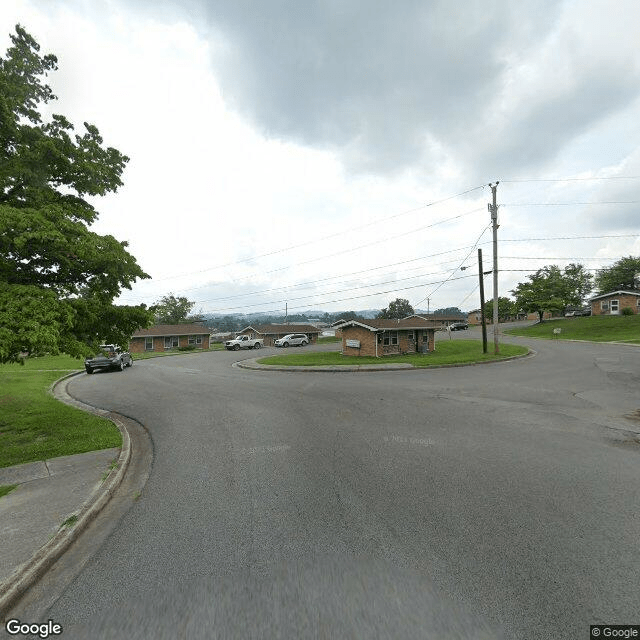
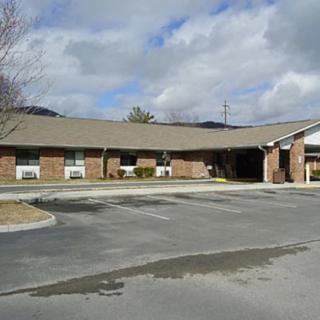
829 Torbett Drive, Tazewell, TN 37825
To contact a resident: (423) 626-0087
For more information about senior living options: (866) 208-4318
Overall Review of Senior Citizens Home Assistance Service, Inc.
Pros
 The staff is compassionate and caring for all clients and caregivers.
- The environment is welcoming and the team is very pleasant.
- Orientation is great, with Wayne regarded as the best instructor.
- Kristen is described as a wonderful caregiver for in-home services.
- They take good care of family members and residents, with attentive staff.
- The facility is touted as the best senior living facility in Knoxville.
- They offer a sliding-scale pricing option with competitive rates.
- The staff is extremely nice and very helpful.
Cons
 Their hourly rates of $20 and $23 per hour were too high for them to consider the service.
Review
SCHAS in Tazewell is best suited for families who want their loved one to remain at home while receiving dependable, personalized in-home caregiving, backed by a warm, consistently attentive staff. The reviews point to a welcoming environment, compassionate caregivers, and a strong sense that the organization truly supports both clients and their families. For families grappling with daily care logistics, SCHAS offers reliable, well-trained aides, clear orientation, and caregivers who are praised for their attentiveness to needs. This is a practical fit for those prioritizing continuity of care in the home, rather than moving into a campus-based senior facility.
Those who may want to consider alternatives include families needing around-the-clock nursing supervision or a traditional assisted living setting with built-in social programming and 24/7 medical support. The in-home model, while highly personalized, may not address every medical need or offer the same level of on-site community activities found in a facility. For seniors who prize extensive social opportunities, structured daily schedules, or more expansive on-site amenities, a facility-based option could deliver benefits that SCHAS’s home-care focus does not.
The strongest positives center on people: compassionate, friendly staff, and dependable, well-trained caregivers who consistently show up prepared to address daily tasks and emotional needs. The organization is described as extremely attentive to both residents and the families that call in for updates, with real appreciation expressed for specific team members, such as a caregiver who made a meaningful difference and an orientation experience that set up success from day one. These qualitative strengths translate into greater peace of mind for families, a smoother start to home care, and a sense that the helping hands are trustworthy.
Pricing emerges as the most tangible tension in an otherwise clear value proposition. In-home care at private rates may run into the higher end of the spectrum, with quoted ranges around $20 to $23 per hour. A sliding-scale option exists, reportedly moving toward more affordable figures (from about $11 to $17 per hour), but this structure introduces a qualification hurdle for some families and can still stretch budgets, especially for those needing longer or more frequent shifts. The apparent discrepancy between “best rates in town” sentiment in some reviews and the higher hourly numbers in others can leave prudent buyers unsure about true affordability.
Despite cost questions, the core advantages, reliability, compassionate staff, and a home-centered care model, often offset the downsides for many families. The ability to tailor care to the home environment, minimize moves for a loved one, and maintain familiar routines can outweigh higher hourly rates when the goal is dignity, comfort, and continuity. The practical benefits include less caregiver turnover in a familiar setting, better caregiver-family communication, and fewer disruption moments for seniors who value staying put. These elements collectively deliver tangible relief to anxious families, enabling clearer planning and less day-to-day stress.
To make a confident decision, families should start with a candid budget assessment and a clear sense of needed care intensity. Questions to prioritize: How is caregiver matching handled, and what is the process for reassignments if a preferred caregiver is unavailable? What exactly does the sliding-scale eligibility look like, and how often can it be adjusted? How does SCHAS coordinate with medical professionals if skilled nursing needs arise, and what is the plan for escalation or transition to higher levels of care? For those who still yearn for a more social, campus-like environment, or for whom medical complexity requires round-the-clock nursing, exploring alternatives such as traditional assisted living or different home-health providers is prudent. In the end, SCHAS represents a compelling, well-regarded choice for in-home care where the priority is reliable, compassionate support delivered in a familiar setting, with clear attention to family involvement and ongoing staff training.




 Effective Strategies for Keeping Seniors' Minds Active: A Deep Dive into Brain Games and Apps
 In-Depth Look at the VA Aid and Attendance Program
 Nurturing Our Loved Ones: A Daughter's Journey in Caring for Her Mother