
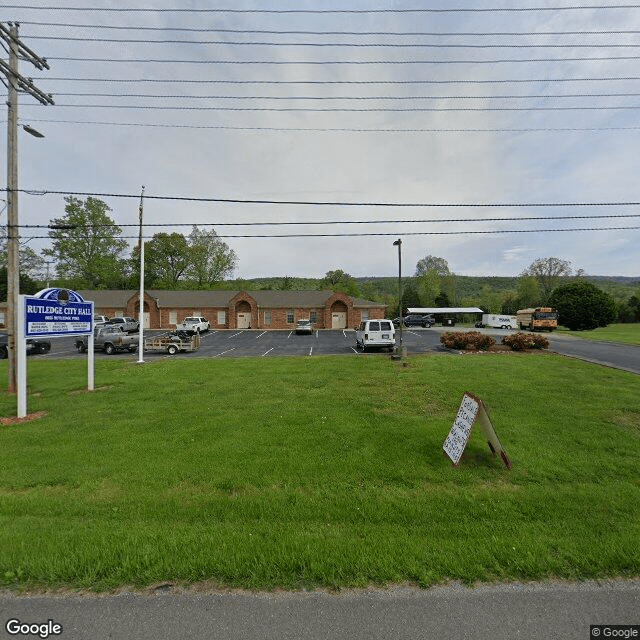
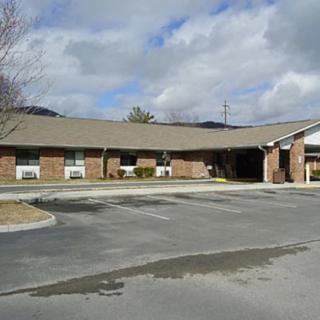
8659 Rutledge Pike, Rutledge, TN 37861
To contact a resident: (865) 828-4962
For more information about senior living options: (866) 208-4318
Senior Citizens Home Assistance Service, Inc. Costs & Pricing
Senior Citizens Home Assistance Service, Inc. offers competitive pricing for its studio accommodations at $2,995 per month, which aligns closely with the average costs in Grainger County. Notably, this rate is more affordable than the broader Tennessee state average of $3,485 for similar room types. This positioning not only highlights the value provided by Senior Citizens Home Assistance Service but also reflects a commitment to making quality care accessible for seniors in the community. The affordability of their services is an important consideration for families seeking reliable assistance without compromising on quality or comfort.
| Floor plans | Senior Citizens Home Assistance Service, Inc. | Grainger County | Tennessee |
|---|---|---|---|
| Studio | $2,995 | $2,995 | $3,485 |
Senior living communities with a similar price nearby
-
from -$495 / mo
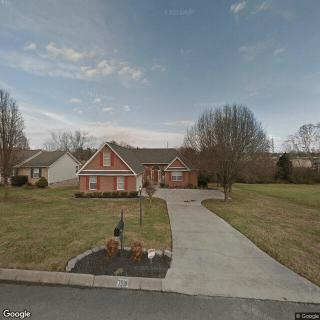
In Touch Elder Care
$2,500 to $3,000 / month22.9 miles away -
from -$575 / mo

Charter Senior Living Of Jefferson City
$2,420 to $2,985 / month13.9 miles away -
from +$105 / mo
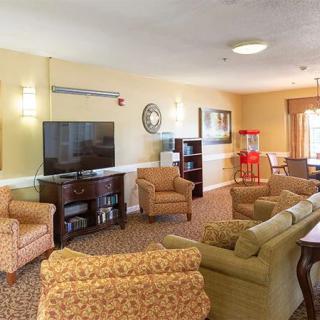
Dewitt Place
$3,100 to $5,836 / month11.1 miles away -
from +$185 / mo

Jefferson City Health and Rehabilitation Center
$3,180 to $3,630 / month12.2 miles away -
About the same
Interim Healthcare of East Tennessee
$3,000 / month12.9 miles away
Overall Review of Senior Citizens Home Assistance Service, Inc.
Cons
 The staff member was extremely rude.
- The staff refused to speak with the reviewer.
- The reviewer recommends finding another senior center for loved ones.
- The reviewer advises against visiting this center.
Review
This community is best suited for seniors who are highly independent, have strong at-home support, and are willing to trade consistent, responsive service for a lower-cost option. In practical terms, it serves best those who do not require regular help with daily tasks, who can advocate for themselves when needs arise, and who prioritize minimizing expenses over guaranteed, courteous assistance. It is not a fit for residents who rely on staff for timely help, who need hands-on care on a daily basis, or who expect everyday interactions to be handled with professionalism and warmth. Families facing tight budgets but with modest care needs may consider it only if alternate choices truly stretch their resources, and even then only after diligent vetting.
Those who should strongly consider alternatives include caregivers and seniors who prize reliability and respectful communication as non-negotiables. For residents with memory challenges, mobility limitations, falls risk, or conditions requiring prompt intervention, the absence of consistently courteous staff or responsive engagement can translate into real safety concerns. Families should prefer communities with demonstrated commitment to resident dignity, proactive communication, and a culture where staff treat every interaction as an obligation. If recent experiences or reputational signals suggest at least a baseline of courtesy and helpfulness, another option will likely deliver greater peace of mind.
From the documented feedback, there are no evident advantages that can credibly offset the major drawback described. The standout issue is a staff interaction characterized by overt rudeness and a refusal to engage, which sabotages trust, communication, and the sense of safety residents rely on daily. When respect and clear communication are compromised, even basic services, meals, activities, transportation, or routine check-ins, lose their value. In short, the perceived quality of interpersonal care is so low that any potential cost savings or location convenience are overshadowed by a hostile, unwelcoming environment. Prospects must reckon with the likelihood that a negative social climate will hinder comfort, cooperation, and ongoing well-being.
Prospective residents should approach with a concrete, structured due-diligence plan. Schedule a live tour and, during daylight hours, observe how staff speak with residents and family members alike. Request to meet multiple team members across shifts to gauge consistency. Inquire in detail about response times to call buttons, assistance with daily activities, and how conflicts or complaints are escalated and resolved. Probe licensing status, safety policies, staffing levels, and training programs focused on customer service and resident dignity. Ask for sample menus, activity calendars, transportation options, and opportunities for social engagement so the experiential side aligns with stated capabilities. If possible, speak directly with current residents and their families outside staff oversight to discern patterns beyond a single perspective.
The risk profile associated with the reported experience cannot be dismissed, even if it rests on a single account. Such feedback signals a potential cultural issue within front-line interactions that could color every encounter. Families with tighter risk tolerance may still proceed, but only after confirming that a facility has an actionable plan to ensure respectful, timely communication, and a clear, enforced standard of resident respect. For those with moderate to high safety or care needs, the absence of dependable staff warmth and responsiveness becomes a disproportionate liability. In these cases, the burden of proof lies with the community to demonstrate sustained improvement and accountability before trust can be rebuilt.
Bottom line: this Rutledge facility does not present a compelling case for most families. The decisive factor is staff demeanor and responsiveness; a single, well-documented negative interaction is enough to warrant a cautious stance and a strong preference for alternatives. If the budget remains the primary constraint, still pursue centers that publish clear commitments to resident respect and proactive service, and compare several options side by side. The prudent choice is to prioritize environments where courteous communication, reliable assistance, and transparent accountability are unmistakable expectations, not exceptions. If those conditions cannot be confirmed, move on without hesitation.
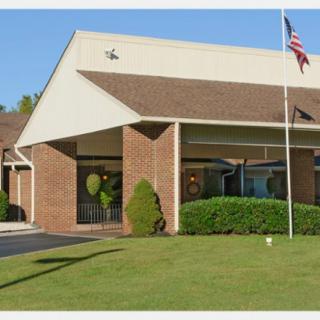
 Responsive staff and a strong sense of community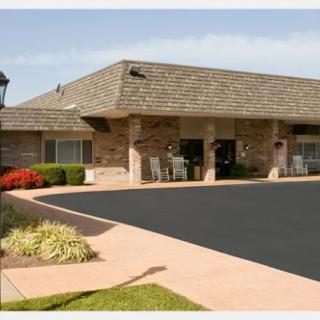


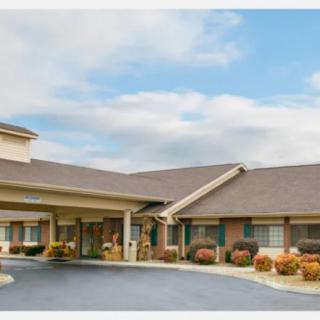
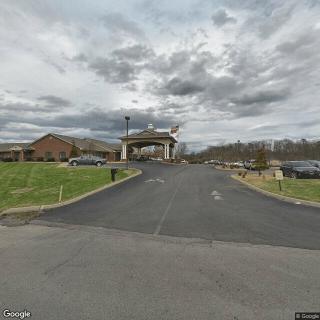
 Is a Geriatric Care Manager the Right Choice for Your Family?
 Compassionate Conversations: How to Comfort Someone Who Is Grieving
 Home Health Care Aides: Understanding Their Role and Supporting Your Family