Carlyle Senior Care Of Florence

Save

  • Outdoors

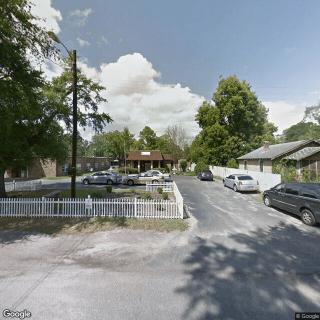
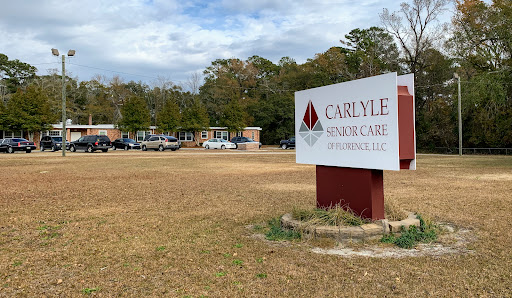
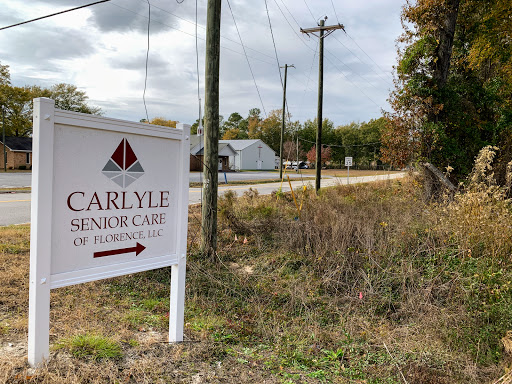
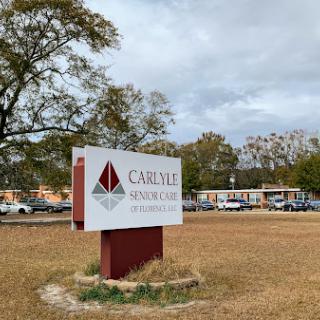
    A sign indicating the direction to Carlyle Senior Care amidst a rural backdrop.
  • Building

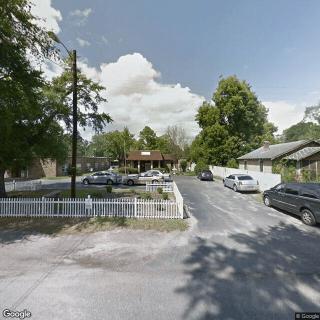
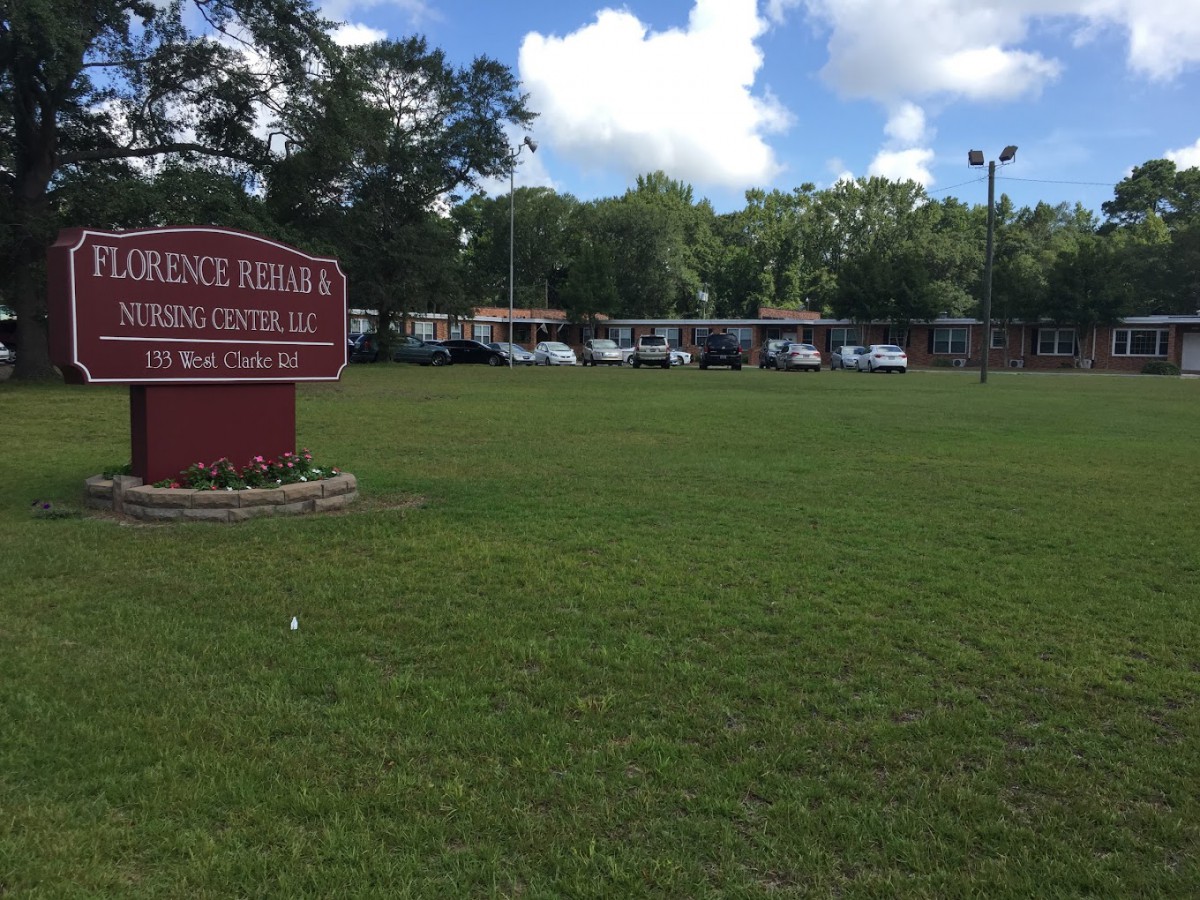
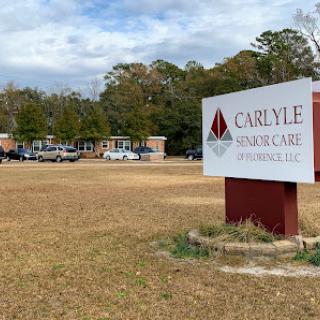
    An outdoor view of a school sign on a grassy field with trees and buildings in the background.
  • Trees

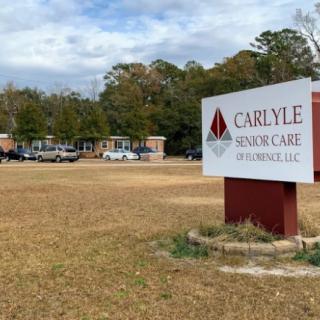
    The Carlyle Community sign displayed prominently in a grassy area under a cloudy sky.
  • Landscaping

    Sign for Carlyle Senior Care facility with a building and trees in the background.
  • Grass

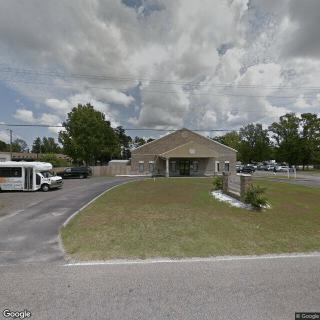
    A view of the Carlyle healthcare facility with a prominent sign in the foreground.
  • Parking

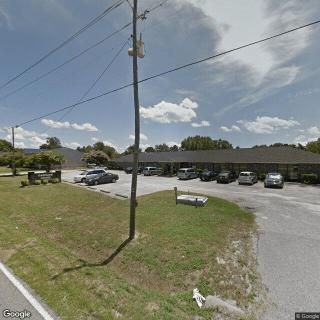
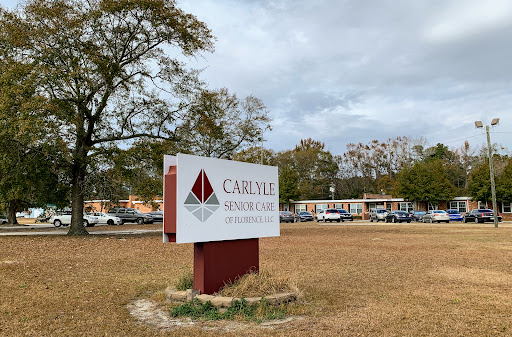
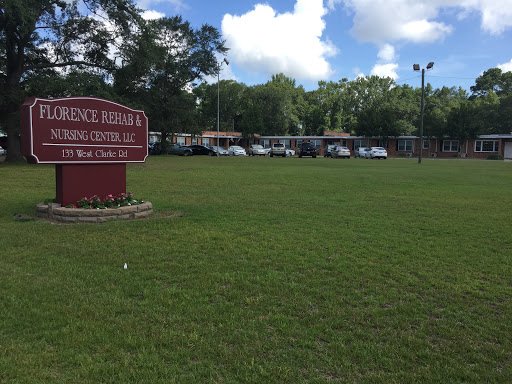
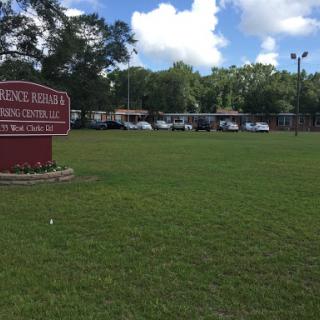
    A view of a school sign in a grassy area with vehicles parked in the background under a partly cloudy sky.

Carlyle Senior Care Of Florence

133 West Clarke Road, Florence, SC 29501

For more information about senior living options: (844) 490-3973

2 from 20 reviews
5 stars
4
4 stars
0
3 stars
1
2 stars
1
1 stars
14

Skilled Nursing Facility

Overall Review of Carlyle Senior Care Of Florence

Pros

  • pro New unit managers are very attentive, the resident receives great wound care, and the DON and ADON seem to truly care about patients.
  • pro Amy is consistently communicating about care plan meetings.
  • pro The new social worker truly cares about the residents.
  • pro The staff and caregivers took great care of the resident and clearly showed they genuinely loved him.
  • pro They are a special group of people who will forever be considered family.
  • pro Carlyle Senior Care in Florence is highly recommended by reviewers.
  • pro The wound care provided is excellent.
  • pro The facility has shown improvement under new leadership.

Cons

  • pro The facility was not well cleaned and had an odor.
  • pro Some nurses don't care to do their jobs or do them at all.
  • pro Call lights stayed on for 30 minutes or more.
  • pro There are roaches, and patients' belongings get stolen.
  • pro The building is dirty and in need of cleaning and upgrades, including the front parking lot.
  • pro The initial impression included a urine smell and overall dirtiness, calling into question how the facility is licensed.
  • pro The facility is not safe for the elderly and regulators should intervene.
  • pro The facility needs many repairs and is falling apart; it appears nasty and rundown.
  • pro The CNAs don't care for the patients, and the food portions are very small or not good.
  • pro There is poor communication from staff, with transfers occurring without proper notification to the POA.

Review

The experiences shared about Carlyle Senior Care run the gamut from deeply troubling to genuinely hopeful, painting a facility that can feel like two different places depending on who is in charge, when they visit, and which unit or staff member is involved. One account describes a heart?wrenching moment when a 92?year?old friend with Alzheimer's was picked up by an Uber to be moved to another facility. The writer called that action cruel and lacking understanding of sundowning and the needs of someone dealing with dementia, insisting the resident deserved more respectful treatment. That single incident, not framed as a routine practice, nonetheless leaves a strong impression of how delicately care must be handled when families are already under stress.

In contrast, other families report meaningful improvements tied to changes in leadership. Several reviews highlight new unit managers who are attentive and more present in the daily care process. Wound care is praised in particular, with the DON (Director of Nursing) and ADON (Assistant Director of Nursing) described as genuinely caring about residents. One person specifically notes that Amy regularly communicates about care plan meetings, and a new social worker is seen as someone who truly cares about the residents. Taken together, these observations suggest that when new leadership or a fresh team comes in, the quality of day?to?day care can rise noticeably, at least in some units.

However, even among those who report improvements, there are reminders that the facility still faces ongoing challenges. Several critics say the building needs cleaning and upgrading, with criticism aimed at the front of the property - parking lots and exteriors in particular - and a sense that the front porch can feel like a break area for staff more than a space designed for resident safety and comfort. The discrepancy between improved clinical care and a need for better housekeeping and environment is a common refrain, signaling that functional care and environmental quality do not always rise or fall together.

The mix of praise and critique continues in other reviews, where safety and basic hygiene concerns dominate. One reviewer states they would not recommend Carlyle Senior Care due to poor cleanliness, persistent odors, and inconsistent attention from nurses. They report roaches, long wait times for call lights, and even theft of patients' belongings. Specific observations include dirty bathrooms and a patient who was found with fecal matter under their nails, pointing to lapses in basic hygiene and daily sanitation. Such accounts raise serious questions about infection control and respect for residents' dignity, and they stand in stark contrast to the more favorable experiences described by other families.

Amid the varied assessments, there are emphatic endorsements from families whose loved ones have received unusual kindness and devoted attention. One review extols Carlyle Senior Care in Florence with a five?star rating, noting that the staff and caregivers "took great care" of the writer's father for more than a year before he passed away. The sentiment is that those caregivers "genuinely loved him," and the family describes the staff as a special group who will forever be considered family. It's a powerful counterpoint to the grim anecdotes and underscores how personal connection and consistent staffing can meaningfully shape the experience of care.

Regulatory concerns and questions about oversight appear in another corner of the conversation. Some reviewers wonder why governing bodies like APS or DHEC have not intervened to help residents in distress, asking how a facility with safety and cleanliness complaints remains licensed and operational. A visitor recounts a first impression of a urine smell and a dirty environment, expressing doubt about the licensing status of the operation. The fear behind these remarks is not just about one day's mess; it's about systemic issues that would allow a facility with such conditions to stay open, a worry that underscores the importance of external oversight for vulnerable populations.

Further negative voices emphasize ongoing neglect and poor communication. One reviewer characterizes the place as "very nasty," with CNAs who don't seem to care, small food portions, and a general sense of neglect toward residents. Another account accuses the facility of being rundown and in need of numerous repairs, suggesting that employees can only do so much when the building itself is deteriorating. A separate review laments the lack of proactive communication from the Social Services department, noting that a transfer to another facility was made without timely responses to a powers of attorney, a situation that compounds family anxiety during already difficult transitions.

In the end, the collection of reviews portrays a facility caught between promise and peril. When leadership is engaged and staff form genuine connections with residents, care can be compassionate, attentive, and demonstrably better - especially in areas like wound care and individualized planning. Yet the same institution can fall short in cleanliness, odor control, safety, and consistent communication, leaving families unsettled and questioning the facility's ability to safeguard residents' well?being. The range of experiences reflects broader truths about long?term care: improvements are possible and real, but they require steady staffing, strong oversight, and an environment that is clean, safe, and respectful at all times. For anyone considering Carlyle Senior Care, the pattern suggests a careful, up?to?date assessment of current leadership, unit?by?unit performance, and a thorough discussion about how the facility plans to address environmental and safety concerns alongside clinical needs.

Features

Housing

  • 88 resident community capacity 88 resident community capacity

Types of Care

  • Skilled Nursing Facility Skilled Nursing FacilitySkilled Nursing Facilities are crucial for seniors as they provide round-the-clock medical care, rehabilitation services, and assistance with daily activities. These facilities ensure that seniors receive the specialized care they need to maintain their health and well-being as they age.

Amenities

  • Air-conditioning Air-conditioningAir conditioning is important for seniors as they are more vulnerable to heat-related illnesses and may have underlying health conditions that make it difficult for them to regulate their body temperature. It helps to keep them comfortable, safe, and healthy in hot weather.
  • Beauty salon Beauty salonBeauty salons are important for seniors because they provide a space for them to feel pampered, socialize, and maintain their personal grooming and hygiene. Regular visits to a beauty salon can help boost seniors' self-esteem and overall well-being.
  • Cable or satellite TV Cable or satellite TVCable or satellite TV is important for seniors because it provides entertainment, news, and companionship, helping to combat loneliness and boredom. It also offers a wide range of programming options tailored to different interests and preferences.
  • Computer center Computer centerA computer center is essential for seniors as it provides access to technology, communication tools, and resources that can enhance their daily lives. It allows them to stay connected with loved ones, engage in online activities, and learn new skills, ultimately promoting socialization and mental stimulation.
  • Dining room Dining roomDining rooms are important for seniors as they provide a space for socialization, connection, and nutritious meals. They offer opportunities for residents to bond over shared meals, foster a sense of community, and promote healthy eating habits. Dining rooms also ensure that seniors have access to well-balanced meals tailored to their dietary needs and preferences.
  • Fitness room Fitness roomHaving a fitness room in a senior living community is essential for seniors to stay active, maintain their physical health, and improve their overall well-being. Regular exercise can help prevent falls, reduce the risk of chronic diseases, and promote mental sharpness. It also provides social opportunities for residents to connect with others and enjoy a sense of community.
  • Fully furnished Fully furnishedFully furnished senior living communities are important for seniors because they provide convenience, comfort, and a hassle-free moving experience. Seniors can easily settle into their new living space without the stress of having to buy and move furniture. This allows them to focus on enjoying their new home and community.
  • Gaming room Gaming roomGaming rooms are important for seniors as they provide a fun and engaging environment for socializing, cognitive stimulation, and physical activity. Games can improve memory, problem-solving skills, and overall mental well-being while fostering friendships and reducing feelings of isolation.
  • Garden GardenGardens are important for seniors as they provide a peaceful and therapeutic environment for relaxation, physical activity, and socialization. Being in nature has been shown to reduce stress, improve mood, and promote overall well-being. Gardens also offer opportunities for seniors to engage in gardening activities, which can improve mobility, flexibility, and cognitive function. Additionally, gardens create a sense of community and connection with others who share a passion for plants and outdoor spaces.
  • Housekeeping services Housekeeping servicesHousekeeping services are important for seniors because they help maintain a clean and safe living environment, promote independence, and reduce the risk of accidents or illnesses. Additionally, having assistance with household chores can alleviate physical strain and allow seniors to focus on other aspects of their well-being.
  • Kitchenette KitchenetteKitchenettes are important for seniors living in senior living communities because they provide the convenience and independence of being able to prepare simple meals and snacks in the comfort of their own living space. This can help promote a sense of autonomy and well-being for seniors, allowing them to maintain some level of control over their dietary choices and daily routines.
  • Move-in coordination Move-in coordinationMove-in coordination is important for seniors because it helps ease the transition into their new living environment. It ensures that all logistics, such as packing, organizing movers, and setting up utilities are taken care of, allowing seniors to focus on settling in and adjusting to their new home. Having a smooth move-in process can alleviate stress and anxiety, making the transition smoother and more enjoyable for seniors.
  • Outdoor space Outdoor spaceOutdoor spaces are important for seniors as they provide opportunities for physical activity, social interaction, exposure to natural light and fresh air, and a sense of connection to nature. Having access to outdoor spaces can improve overall well-being and quality of life for older adults living in senior communities.
  • Private bathrooms Private bathroomsPrivate bathrooms are important for seniors in senior living communities because they provide independence, dignity, and comfort. Having a private bathroom allows seniors to maintain their personal hygiene routines without the need for assistance, promoting a sense of autonomy and privacy. Additionally, private bathrooms help prevent the spread of infections and provide a safe and clean environment for seniors to navigate safely.
  • Restaurant-style dining Restaurant-style diningRestaurant-style dining is important for seniors because it allows them to enjoy delicious, nutritious meals in a social and upscale setting. This enhances their dining experience, promotes healthy eating habits, and fosters socialization with fellow residents, ultimately contributing to their overall well-being and quality of life.
  • Small library Small librarySmall libraries are important for seniors as they provide access to a variety of reading materials, including books, newspapers, and magazines. This can help stimulate their minds, keep them engaged, and provide a sense of community through book clubs and other social activities. Additionally, reading has been shown to improve cognitive function and overall mental well-being in older adults.
  • Telephone TelephoneTelephones are important for seniors as they provide a lifeline for communication with loved ones, emergency services, and healthcare providers. They offer a sense of security and independence, enabling seniors to stay connected and access assistance when needed.
  • Wellness center Wellness centerWellness centers are important for seniors because they offer a variety of programs and services that promote physical, mental, and emotional well-being. These centers provide opportunities for exercise, socialization, education, and relaxation, helping seniors maintain their overall health and quality of life.
  • Wi-Fi/high-speed internet available Wi-Fi/high-speed internet availableWi-Fi/high-speed internet is important for seniors to stay connected with loved ones, access online resources, and participate in virtual activities to combat feelings of loneliness and isolation. It also allows them to easily manage healthcare needs, access entertainment, and engage in lifelong learning opportunities.

Transportation

  • Florence Regional (5 miles away) Florence Regional (5 miles away)
  • Community operated transportation Community operated transportationCommunity operated transportation is crucial for seniors as it provides them with the means to access essential services, social activities, and medical appointments. It allows seniors to maintain their independence and quality of life by ensuring they can participate in activities outside of their homes. Additionally, community-operated transportation services offer a safe and reliable way for seniors to travel without having to rely on family or friends for assistance.
  • Transportation arrangement Transportation arrangementTransportation arrangements are crucial for seniors as they may face challenges with driving, mobility, or access to public transportation. Having reliable transportation services ensures that seniors can easily attend appointments, social activities, and maintain their independence and quality of life.
  • Transportation arrangement (non-medical) Transportation arrangement (non-medical)Transportation arrangements are essential for seniors as they provide access to essential services, activities, and social interactions outside the home. This service helps maintain independence, mobility, and overall well-being for seniors who may have limited transportation options.
  • Transportation to doctors appointments Transportation to doctors appointmentsTransportation to doctors appointments is crucial for seniors as it ensures they have access to necessary medical care and support, promoting their health and well-being. It allows them to receive timely treatment, monitor existing conditions, and address any new health concerns efficiently. Additionally, transportation services can help seniors maintain their independence and quality of life by enabling them to stay connected with their healthcare providers.

Care Services

  • 12-16 hour nursing 12-16 hour nursing12-16 hour nursing care is crucial for seniors in order to ensure around-the-clock monitoring, timely medication administration, and prompt response to any health concerns or emergencies. This level of care helps to promote the overall well-being and safety of seniors living in senior living communities.
  • 24-hour call system 24-hour call system24-hour call systems are important for seniors because they provide peace of mind and immediate assistance in case of emergencies. This technology ensures that help is always available, promoting safety and security for elderly individuals living alone or in assisted living facilities.
  • 24-hour supervision 24-hour supervision24-hour supervision is important for seniors to ensure their safety, well-being, and access to immediate assistance in case of emergencies or health issues. This constant support provides peace of mind for both seniors and their loved ones, allowing them to age in place with dignity and security.
  • Activities of daily living assistance Activities of daily living assistanceActivities of daily living assistance are important for seniors because they provide essential support with tasks such as eating, bathing, dressing, and mobility. This assistance helps seniors maintain their independence, dignity, and overall quality of life as they age.
  • Assistance with bathing Assistance with bathingAssistance with bathing is crucial for seniors as it helps maintain personal hygiene, prevents infections, and ensures their overall well-being and comfort. It also provides a sense of dignity and independence for seniors who may struggle with this task on their own.
  • Assistance with dressing Assistance with dressingAssistance with dressing is important for seniors because it helps maintain their independence, promotes personal hygiene, prevents accidents and injuries, and improves overall quality of life. This service ensures that seniors can continue to dress comfortably and confidently, despite any physical limitations they may have.
  • Assistance with transfers Assistance with transfersAssistance with transfers is crucial for seniors as it helps prevent falls and injuries, maintains their independence, and ensures they can safely navigate their living environment. It also provides peace of mind for both seniors and their loved ones.
  • Diabetes diet Diabetes dietA diabetes diet is crucial for seniors as it helps manage blood sugar levels, reduce risks of complications, and improve overall health and well-being. By following a balanced and nutritious diet tailored to their specific needs, seniors can better control their diabetes and enhance their quality of life.
  • Meal preparation and service Meal preparation and serviceMeal preparation and service are crucial for seniors as they may have limited mobility or energy to cook nutritious meals. Having access to healthy and convenient food options can ensure they are getting the proper nutrition needed to maintain their overall health and well-being.
  • Medication management Medication managementMedication management is crucial for seniors to ensure they are taking the right medications at the correct dosages and times. This helps prevent adverse drug interactions, reduces the risk of medication errors, and promotes overall health and well-being. Proactive management also allows for adjustments as needed based on changing health conditions or new prescriptions.
  • Mental wellness program Mental wellness programMental wellness programs are essential for seniors as they promote cognitive stimulation, emotional support, and social engagement. These programs help prevent isolation, depression, and cognitive decline, ultimately enhancing the overall quality of life for older adults.
  • Special dietary restrictions Special dietary restrictionsSpecial dietary restrictions are important for seniors because age-related changes in metabolism and health conditions can make it difficult for their bodies to process certain foods. By following a diet tailored to their specific needs, seniors can maintain their overall health and well-being, manage chronic conditions, and reduce the risk of complications such as malnutrition or food interactions with medications.

Dining

  • Diabetes diet Diabetes dietA diabetes diet is crucial for seniors as it helps manage blood sugar levels, reduce risks of complications, and improve overall health and well-being. By following a balanced and nutritious diet tailored to their specific needs, seniors can better control their diabetes and enhance their quality of life.
  • Special dietary restrictions Special dietary restrictionsSpecial dietary restrictions are important for seniors because age-related changes in metabolism and health conditions can make it difficult for their bodies to process certain foods. By following a diet tailored to their specific needs, seniors can maintain their overall health and well-being, manage chronic conditions, and reduce the risk of complications such as malnutrition or food interactions with medications.

Activities

  • Community-sponsored activities Community-sponsored activitiesCommunity-sponsored activities are important for seniors as they provide opportunities for social interaction, mental stimulation, and physical activity. These activities can help improve overall well-being, combat loneliness and isolation, and promote a sense of belonging and purpose among older adults.
  • Concierge services Concierge servicesConcierge services are essential for seniors as they provide assistance with daily tasks and errands, enhance their quality of life by offering convenience and personalized care, and promote a sense of safety and security.
  • Fitness programs Fitness programsFitness programs are crucial for seniors as they help improve strength, flexibility, balance, and overall well-being. Staying active can reduce the risk of chronic diseases, improve mental health, and enhance quality of life in older adults.
  • Planned day trips Planned day tripsPlanned day trips are important for seniors because they offer opportunities for socialization, mental stimulation, and physical activity. They provide a change of scenery and help seniors stay engaged and connected to their community, promoting overall well-being and quality of life.
  • Resident-run activities Resident-run activitiesResident-run activities are important for seniors as they encourage social interaction, creativity, and a sense of autonomy. These activities empower seniors to stay engaged and active in their community while fostering meaningful connections with their peers.
  • Scheduled daily activities Scheduled daily activitiesScheduled daily activities are important for seniors because they provide structure, socialization, mental stimulation, and physical activity. Engaging in regular activities can improve overall well-being and quality of life for seniors living in a community setting.

Description

Carlyle Senior Care of Florence in Florence, SC is an exceptional assisted living community that offers a wide range of amenities and care services to meet the unique needs of our residents. Our goal is to provide a comfortable and safe environment where seniors can thrive and enjoy their golden years.

Our community boasts several amenities designed to enhance the quality of life for our residents. From our beauty salon for pampering sessions to our fully furnished accommodations, we strive to create a welcoming and relaxing atmosphere. Residents can take advantage of our cable or satellite TV, computer center, gaming room, small library, and Wi-Fi/high-speed internet to stay entertained and connected. We also have outdoor spaces, gardens, and a fitness room for those who wish to enjoy nature or engage in physical activities. In addition, our dining room offers restaurant-style dining with special dietary restrictions catered to ensure the health and satisfaction of all residents.

At Carlyle Senior Care of Florence, we understand the importance of providing excellent care services. Our dedicated staff is available around the clock with a 24-hour call system and supervision to ensure the safety and well-being of all residents. Assistance with activities of daily living such as bathing, dressing, transfers, and medication management are readily provided by our trained caregivers. We also offer a diabetes diet program and meal preparation services to promote overall health. Mental wellness programs are available for those seeking emotional support.

Our community believes in promoting an active and engaging lifestyle. We offer concierge services for easy access to information and assistance. Fitness programs are provided for physical well-being while planned day trips and resident-run activities encourage socialization among residents. Scheduled daily activities keep everyone entertained.

Conveniently located in Florence, SC, Carlyle Senior Care is surrounded by numerous cafes, parks, pharmacies, physicians' offices, restaurants, transportation options, and hospitals for easy access to various services outside our community.

If you are looking for an assisted living community that prioritizes comfort, care, and an active lifestyle, Carlyle Senior Care of Florence is the perfect choice. Come and experience a fulfilling and enriching life with us.

Nearby Places of Interest

Restaurants

  • Iron Skillet (1 miles)
  • Zaxby's (2.4 miles)
  • Downtown Southern Funk (3.5 miles)
  • Wendy's (3.5 miles)
  • Ruby Tuesday (3.7 miles)
  • Cracker Barrel (3.7 miles)
  • McDonald's (3.7 miles)

Pharmacies

  • Iga (1.8 miles)
  • Nobles, Meredith Hopehealth (3.9 miles)
  • Longs Drugs (3.9 miles)
  • Pharmacy Express (4.2 miles)
  • CVS Pharmacy (4.6 miles)
  • Walgreens (5 miles)
  • CVS Pharmacy (5 miles)

Parks

  • Brooks-McCall Park (3.1 miles)
  • Florence Veterans Park (4.3 miles)
  • Timrod Park (5 miles)
  • Lucas Park (5.4 miles)

Physicians

  • One Source Integrative Medicine (3.6 miles)
  • Hopehealth (3.9 miles)
  • Patricia S. Litts, MD (4 miles)
  • Advanced Womens Care (4 miles)
  • McLeod Occupational Health Services (4 miles)
  • Florence Neurosurgery & Spine (4 miles)
  • Florence Radiology Associates (4.1 miles)

Cafes

  • Starbucks (3.9 miles)

Hospitals

  • McLeod Regional Medical Center of The Pee Dee (3.9 miles)
  • Emergency Department, McLeod Children s Hospital (4 miles)
  • Hospice Mcleod (4.5 miles)
  • McLeod Regional Medical Center (4.5 miles)
  • Palmetto Pee Dee Behavioral Health (4.5 miles)
  • Regency Hospital Of Florence (4.7 miles)
  • Carolinas Rehabilitation Hospital (4.7 miles)

Transportation

  • Amtrak (3.9 miles)

Theaters

  • Julia 4 Cinema (5.5 miles)

Frequently Asked Questions

Where is Carlyle Senior Care Of Florence?
What photos are available for Carlyle Senior Care Of Florence in Florence, South Carolina?

Nearby Communities

Skilled Nursing Facility in Nearby Cities

Related Resources

  • 602 formCalifornia's Form 602A: An In-Depth Examination of Senior Care Assessment

    California's Form 602A is a vital tool for evaluating the health needs of seniors seeking residential care, detailing their medical conditions and daily living requirements to ensure proper service alignment. This standardized form enhances communication among physicians, families, and facilities, serving as a regulatory measure for admissions and ongoing care while adapting to changing healthcare practices.

  • elderly blood pressure chartComprehensive Look at Senior Blood Pressure Charts: Normal and Elevated Levels by Age

    The overview of blood pressure management for seniors emphasizes the importance of monitoring and interpreting blood pressure readings, noting that normal ranges can vary due to age-related factors and individual health conditions. It highlights tailored guidelines for systolic and diastolic levels, the necessity of early detection and consistent management to prevent serious health complications, and advocates for personalized care strategies that incorporate lifestyle changes and medication adherence.

  • best dog for seniorsTop Canine Companions for Older Adults

    Dogs can greatly improve the lives of older adults by offering emotional support and encouraging physical activity, with factors such as size, temperament, and grooming needs being crucial in selecting a suitable breed. Senior dogs often make ideal companions for this demographic, promoting social connections and requiring care routines that align with seniors' capabilities.