Rehab therapy is a key part of the care residents families describe.
Several families mention physical and occupational therapy playing an important role in recovery, including specific credit for PT, OT, and speech therapy. Others describe rehab as supportive during longer stays, with improvements linked to therapy sessions and rest periods. The community also appears to be geared toward readmission after hospitalization, with residents returning for rehab when they needed to regain strength.
common28 reviews mention this
Staff friendliness stands out
Residents and families frequently describe the staff as caring and responsive.
Across many reviews, people emphasize feeling welcomed, treated with respect, and looked after by nurses, CNAs, and case managers. Multiple comments highlight professionalism and easy communication, with families saying they could sleep better because the team would contact them with health changes. A few negative reviews still point to staff or leadership problems, including complaints about leadership accountability and bedside attention, but the overall volume of positive staff comments is strong.
caveat6 reviews mention this
Cleanliness is mixed
Cleanliness reviews range from strong praise to serious complaints.
Some residents and visitors describe the community as clean and welcoming, including mentions of cleanliness alongside friendly interactions. Other reviews report cleanliness problems such as dirty rooms, soiled sheets, and concerns that cleanliness was not prioritized. Because both sides show up repeatedly, cleanliness appears inconsistent depending on the situation and unit.
caveat2 reviews mention this
Pricing feels too high
Families who toured or compared options often say the cost is too high.
At least a couple of reviewers describe the community as expensive compared with expectations or other options they considered. One review specifically frames pricing as tied to the level of care needed, while still saying it was higher than others. Those cost concerns come through even when they also mention the community and facilities being nice.
caveat4 reviews mention this
Care response and follow-through
Some families report long waits and missed follow-through.
A subset of reviews describe problems with nursing responsiveness and monitoring, including delayed call-light response and concerns about one-on-one attention. Others report care follow-through issues, such as medication confusion and lack of timely communication after concerns were raised. In these accounts, residents or families describe serious stress when their requests were not handled as expected.
How we summarize
Counts show how many written reviews mention each theme; a review can touch several themes, and only frequently mentioned themes are displayed.
Features
Housing
44 resident community capacity
1-bedroom apartments
2-bedroom apartments
Types of Care
Assisted Living
Continuing Care Retirement Community (CCRC)
Independent Living
Memory Care
Skilled Nursing Facility
Amenities
Beautician on-site
Beauty salon
Cable or satellite TV
Dining room
Full kitchen
Fully furnished
Garden
Housekeeping services
Kitchenette
Move-in coordination
Outdoor space
Overnight guests
Private bathrooms
Private cleaning services
Respite or short term stays offered
Security gate
Wi-Fi/high-speed internet available
Transportation
Florence Regional (6 miles away)
Community operated transportation
Transportation & parking
Transportation arrangement
Transportation arrangement (non-medical)
Care Services
24-hour call system
24-hour supervision
Activities of daily living assistance
Assistance with bathing
Assistance with dressing
Assistance with transfers
Diabetes diet
Meal preparation and service
Medication management
Physical therapy
Special dietary restrictions
Dining
Diabetes diet
Special dietary restrictions
Activities
Activities off-site
Community-sponsored activities
Fitness programs
Religious services
Resident-run activities
Scheduled daily activities
Languages Spoken
English
Nearby Places of Interest
Restaurants
Zaxby's (0.3 miles)
Taco Bell (0.6 miles)
Fatz Southern Kitchen (0.6 miles)
McDonald's (0.9 miles)
Cracker Barrel (1 miles)
Ruby Tuesday (1.1 miles)
Wendy's (1.2 miles)
Cafes
Starbucks (0.5 miles)
Panera Bread (3.5 miles)
Bean Bar (3.9 miles)
Physicians
One Source Integrative Medicine (1.1 miles)
Carolinas Centers for Sight (2.5 miles)
Doctor's Care (2.8 miles)
Low Country Urology (2.9 miles)
Dr Carla Graham (3.1 miles)
West Florence Family Practice (3.2 miles)
Hopehealth (3.4 miles)
Parks
Brooks-McCall Park (1.2 miles)
Florence Veterans Park (3.3 miles)
Timrod Park (4.1 miles)
Hospitals
Florence Surgery & Laser Center (2.5 miles)
Palmetto Pee Dee Behavioral Health (3.5 miles)
Hospice Mcleod (3.5 miles)
McLeod Regional Medical Center (3.5 miles)
Emergency Department, McLeod Children s Hospital (4.1 miles)
McLeod Regional Medical Center of The Pee Dee (4.1 miles)
Florence Presbyterian Community's array of features, such as assistance with dressing and bathing, directly supports residents' personal hygiene and comfort, helping them maintain dignity while addressing their specific needs. Medication management ensures that individuals receive the correct dosages at the right times, minimizing confusion and potential health risks. Meal preparation and service offer nutritious meals tailored to dietary requirements, promoting physical health and well-being. Assistance with transfers aids residents in moving safely throughout the facility, reducing the risk of falls--a common concern in this population. The support provided for activities of daily living enables residents to engage in familiar routines that can enhance cognitive function and overall satisfaction. With 24-hour supervision, caregivers are always available to respond promptly to any needs or emergencies, providing a sense of security for both residents and families. Additionally, access to physical therapy fosters mobility retention and improvement, which can enhance quality of life for those facing cognitive decline.
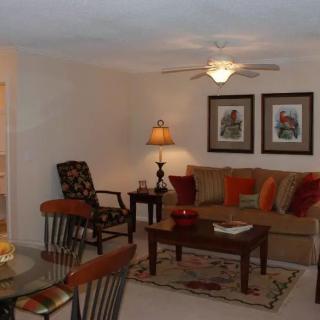
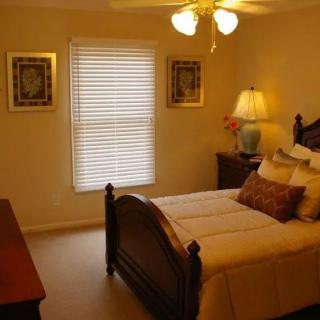
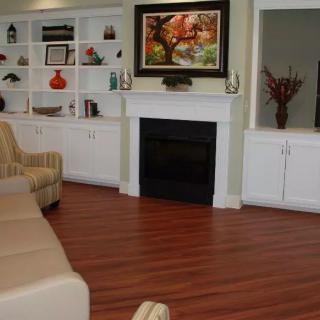
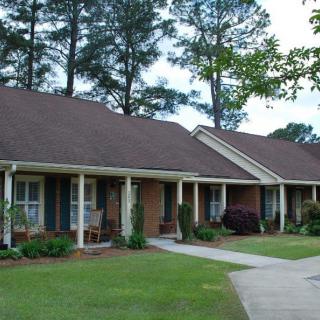
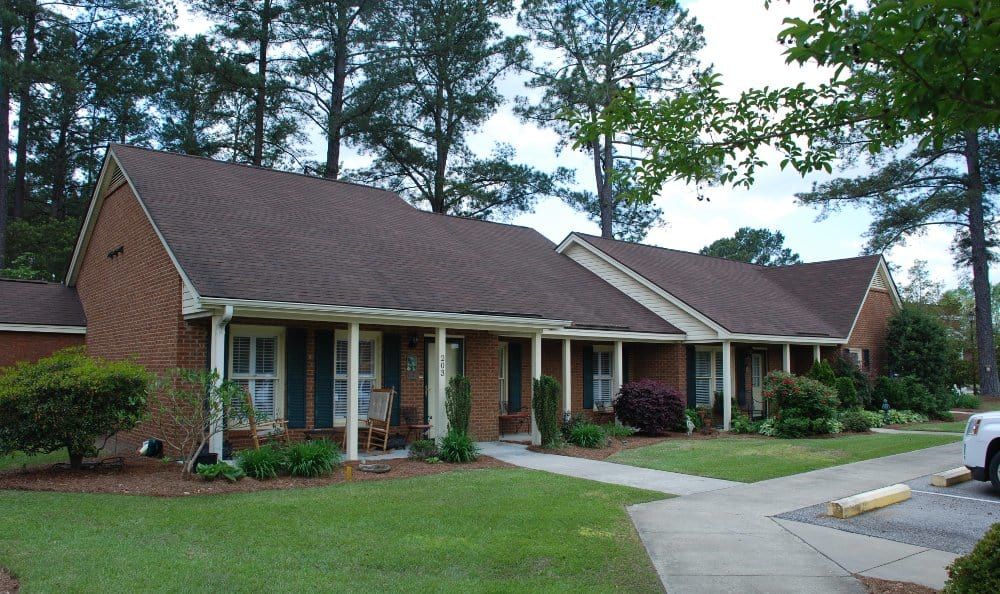
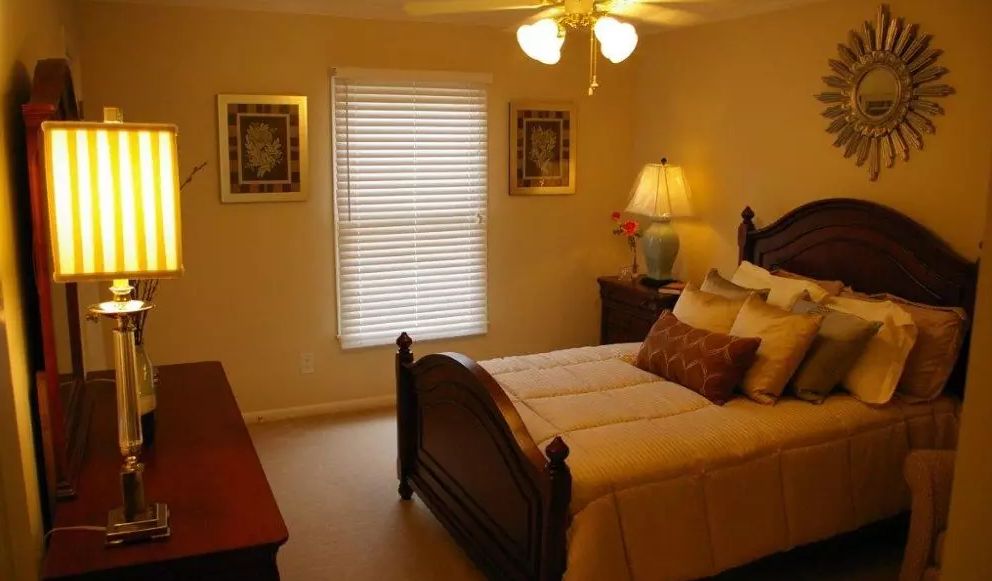
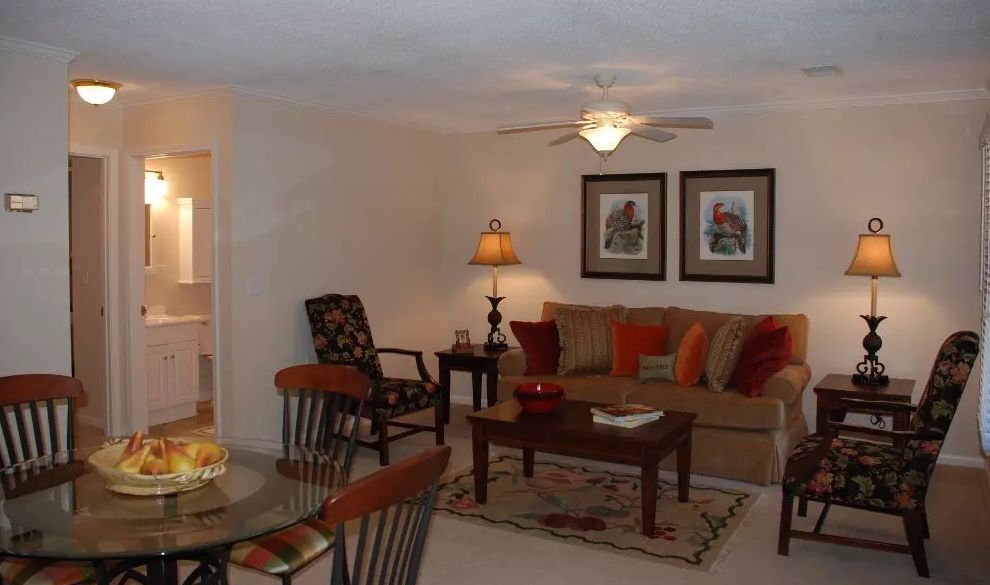
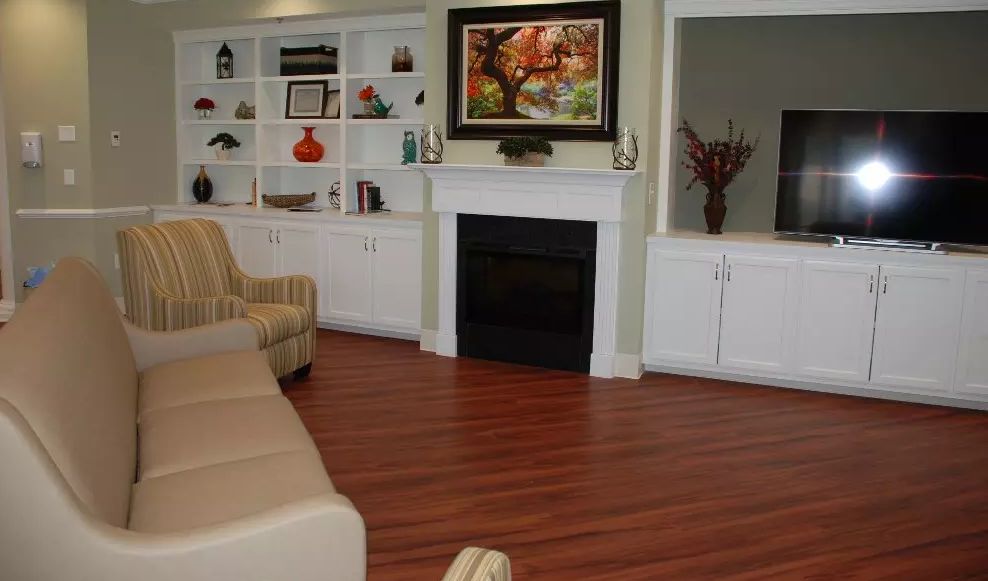
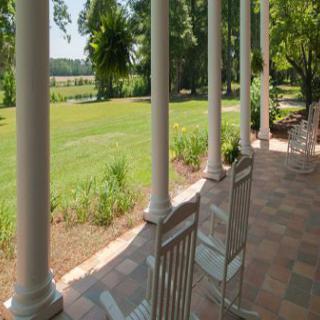
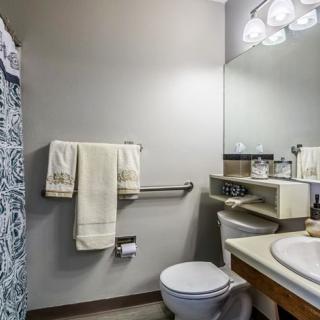
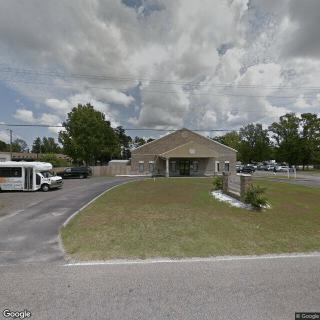
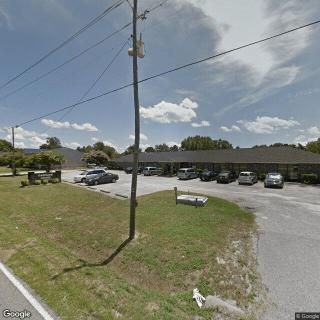
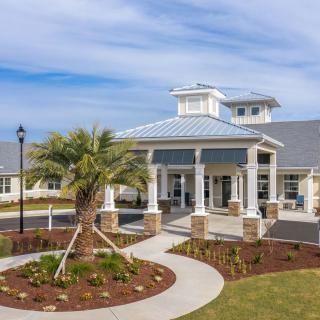
Florence Presbyterian Community on seniors.fyi includes 4 photos including images showing bedroom, decor, living room, interior, artwork, trees, landscaping, porch, and more.
Nearby Communities
Presbyterian Communities Of South Carolina-Florence
Florence, SC
3.7 from 41 reviews
$2,585 / month
Warm, home?like atmosphere with attentive, compassionate staff.
Padd Wren Home
Florence, SC
Small, intimate board-and-care setting with 24/7 supervision, diabetes-friendly meals, and transportation for medical visits.
Open Hands Nursing Agency LLC
Florence, SC
3.5 from 10 reviews
Personalized care with nearby amenities.
Honorage Nursing Center
Florence, SC
3.3 from 6 reviews
Clean, well-maintained environment with diligent staff focused on resident care.
Bethea Retirement Community
Darlington, SC
4.4 from 121 reviews
$1,797 to $2,174 / month
Attentive staff in a modern, hotel-like setting with engaging activities.
Wren Creek Estates Senior Living
Florence, SC
4 from 49 reviews
$2,905 to $4,475 / month
Professional staff, clean facilities, and engaging activities.
New Generations Home Care
Florence, SC
5 from 5 reviews
Extensive nearby amenities (healthcare, dining, parks, worship, and theaters) for convenient living.
Carriage House Senior Lvg
Florence, SC
2.7 from 9 reviews
$1,750 to $2,400 / month
Lower pricing than local averages with strong amenities and care services.
Benton House of Florence
Florence, SC
4.4 from 75 reviews
$3,600 to $4,050 / month
Caring staff in a clean, homey setting with engaging activities.
The article differentiates between assisted living and memory care, explaining that assisted living supports seniors with daily activities while promoting independence, whereas memory care provides specialized services for individuals with dementia, focusing on secure environments and cognitive support. It also addresses staff training, safety considerations, costs, family involvement, and transition strategies for families navigating these care options.
The article outlines effective communication strategies for interacting with loved ones with dementia, highlighting the need for empathy, patience, and understanding while emphasizing supportive approaches like using simple language, minimizing distractions, and focusing on feelings over facts to maintain dignity and foster connection. It also suggests seeking professional guidance when needed as communication challenges evolve.
VA nursing homes, or Community Living Centers (CLCs), offer tailored long-term care for veterans, featuring medical attention and rehabilitation in a supportive environment. The guide covers facility types, eligibility criteria, financial assistance options, quality of care standards, and alternatives to full-time nursing home placement.
Get PricingAsk A QuestionSchedule A TourContact Senior Advisor
By clicking submit, you agree to our Partner's Terms of Use. You
also consent to receive calls and texts, which may be autodialed, from our Partner. Your consent is not a condition to
using our Partner's service. Please visit our Partner's Privacy Policy for information about their privacy practices.

 44 resident community capacity
 1-bedroom apartments
 Assisted Living
 Continuing Care Retirement Community (CCRC)
 Independent Living
 Memory Care
 Skilled Nursing Facility
 Beautician on-site
 Cable or satellite TV
 Dining room
 Full kitchen
 Fully furnished
 Garden
 Housekeeping services
 Move-in coordination
 Outdoor space
 Overnight guests
 Private bathrooms
 Respite or short term stays offered
 Security gate
 Wi-Fi/high-speed internet available
 Florence Regional (6 miles away)
 Community operated transportation
 24-hour call system
 Activities of daily living assistance
 Assistance with bathing
 Assistance with dressing
 Assistance with transfers
 Diabetes diet
 Meal preparation and service
 Medication management
 Physical therapy
 Special dietary restrictions
 Fitness programs
 Religious services
 English
 Warm, home?like atmosphere with attentive, compassionate staff.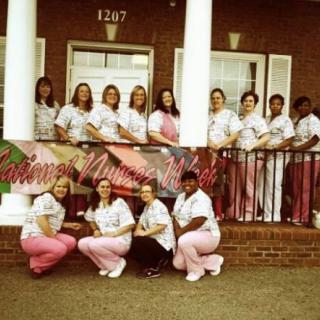
 Understanding the Distinctions: Assisted Living and Memory Care Explained
 How to Communicate with a Loved One Living with Dementia: 10 Supportive Strategies
 Comprehensive Guide to VA Nursing Homes: A Crucial Long-Term Care Resource for Veterans