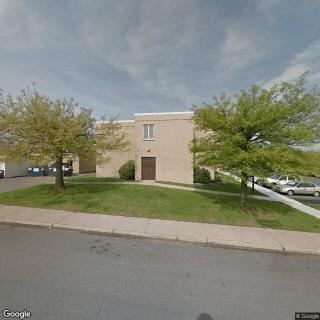
Scranton Health Care Center in Scranton, PA

Save

  • Interior

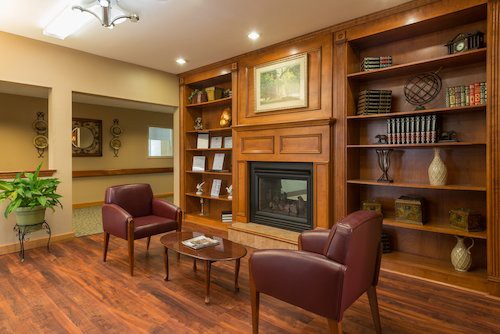
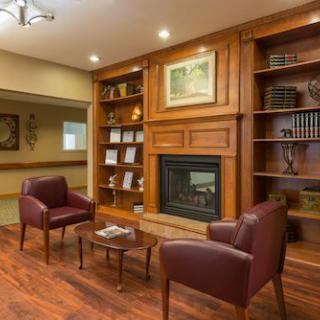
    Cozy library interior with a fireplace and comfortable seating.
  • Decor

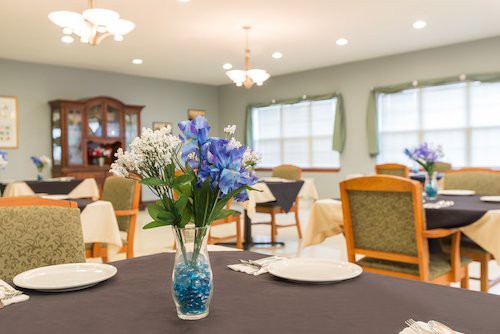
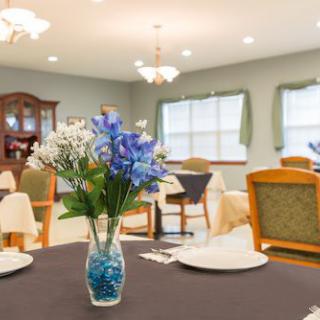
    A dining room with a table set and a vase of colorful flowers.
  • Building

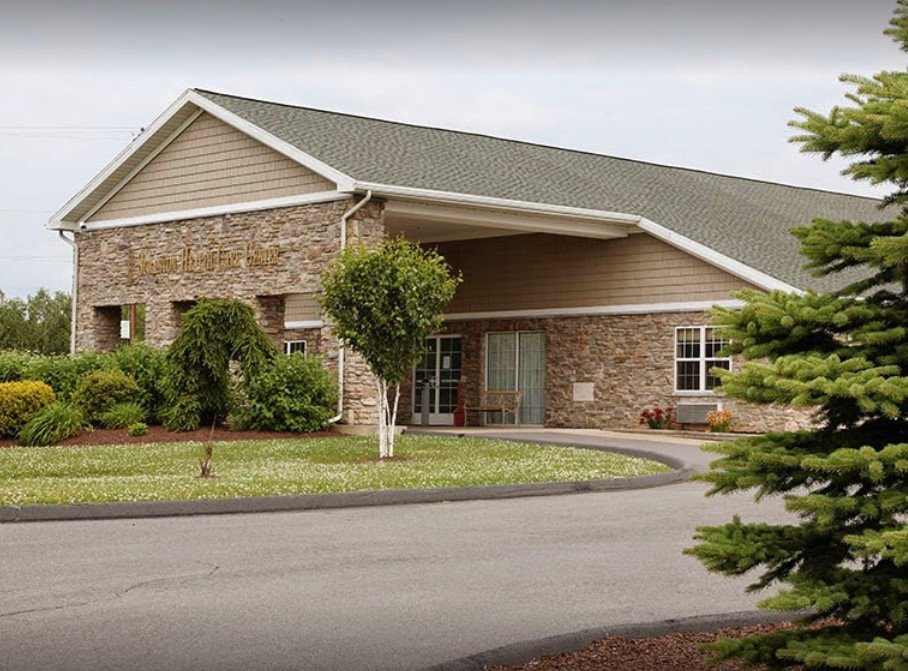
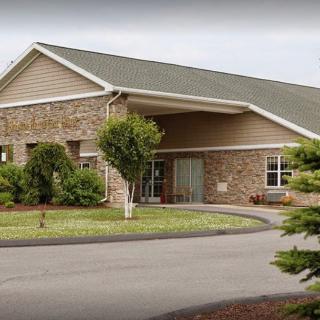
    A modern building with a stone facade and landscaped surroundings, featuring a circular driveway leading to the entrance.
  • Lighting

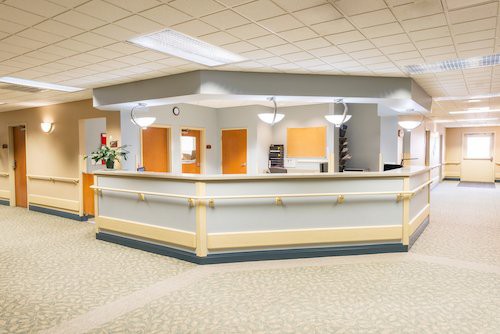
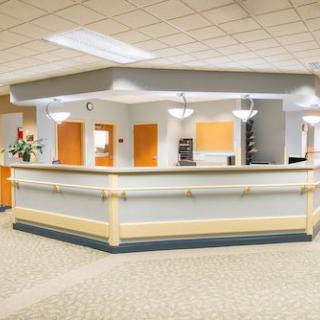
    A spacious and well-lit reception area with a front desk.
  • Television

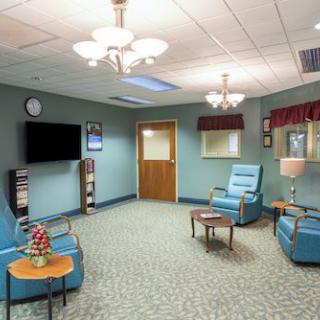
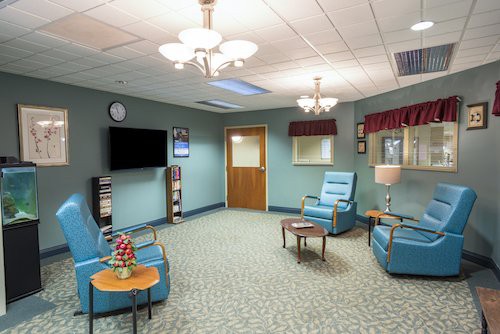
    A cozy waiting room with blue chairs, a television, and decorative lighting.
  • Waiting Area

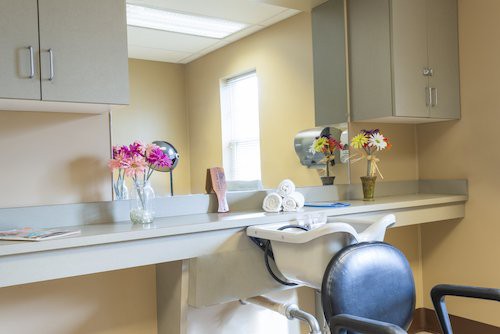
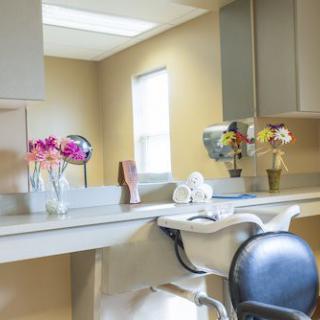
    A clean and well-decorated dentist office with a dental chair and flowers.
  • Conference Room

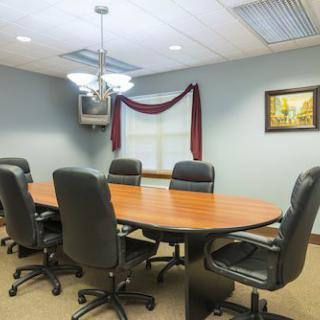
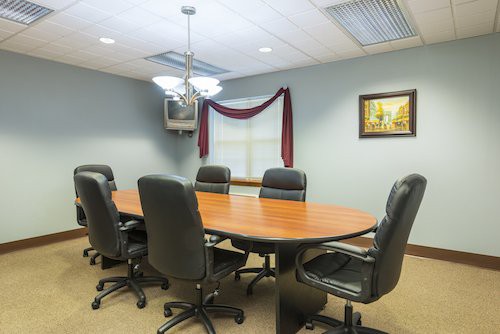
    A conference room with a large oval table and several leather chairs.

Scranton Health Care Center in Scranton, PA

2933 Mccarthy Street, Scranton, PA 18505

For more information about senior living options: (844) 490-3973

4.3 from 38 reviews
5 stars
31
4 stars
0
3 stars
1
2 stars
0
1 stars
6

Overall Review of Scranton Health Care Center

Pros

  • pro The staff at Scranton Health Care Center are kind, caring, and attentive.
  • pro Families report their loved ones recover well under the facility’s personalized rehab and care.
  • pro The environment is warm, welcoming, and feels like family.
  • pro The facility is consistently clean and well maintained, with a pleasant atmosphere.
  • pro The activities team keeps residents engaged, smiling, and socially connected.
  • pro The therapy department is professional, compassionate, and focused on helping residents regain independence.
  • pro Admissions and social work staff are responsive, supportive, and go above and beyond.
  • pro The center offers personalized care in a small, family-like setting where staff know residents by name.
  • pro Families would highly recommend Scranton Health Care Center to others seeking quality care.

Cons

  • pro One reviewer called Scranton Health Care Center a racist nursing home facility and said the admissions staff were unprofessional, claiming a language barrier with the reviewer’s mother.
  • pro Another reviewer urged that the facility be shut down immediately.
  • pro A reviewer described the place as horrible and said they would give zero stars.
  • pro A reviewer alleged a COVID outbreak and that details, treatments, and test results were not forthcoming.
  • pro A reviewer said a staff member who barely spoke English was rude and cruel about answering simple questions.
  • pro A reviewer claimed the admissions staff hung up on them and was unprofessional.

Review

Scranton Health Care Center is best suited for families seeking a small, home-like post-acute option where recovery is driven by hands-on nursing, focused rehabilitation, and thorough, personal attention. It serves seniors coming out of hospital stays who need strength rebuilding, gait reeducation, and help with daily activities, with a clear emphasis on getting residents back to independence. The reviews consistently praise a culture in which nurses, aides, therapists, and social workers operate as a coordinated team, learning residents’ names, preferences, and goals, and keeping families closely informed. The 44-bed unit’s intimate size translates into frequent check-ins, rapid responses, and a care rhythm that feels compassionate rather than clinical. For families facing a tight recovery window or preparing for a safe return home, Scranton Health Care Center typically delivers tangible gains and a reassuring, humane pathway through the post-hospital transition.

Those weighing alternatives should consider the facility’s fit against needs for scale, acuity, and specialty programming. A few reviewers flag the possibility of variability in experience and point to concerns around language access or admissions interactions, suggesting that outcomes can hinge on staffing at any given moment. For families requiring a larger campus with extensive 24/7 physician oversight, or a formal memory-care environment with dedicated units and protocols, other options may better meet those expectations. Scranton Health Care Center excels as a small, resident-centered post-acute option, but it may not satisfy every long-term or highly specialized need. In particular, those seeking comprehensive memory-care programming or advanced medical management should compare several facilities to ensure a match with specific care pathways.

The strongest pro-argument rests on the rehab-forward culture. Therapists are repeatedly described as outstanding, professional, and dedicated to restoring independence, producing real, observable gains during short stays. Families recount residents walking again, improving eating routines, and reclaiming daily skills in a setting where the therapy team is described as cohesive and deeply committed. The nursing staff, CNAs, activity coordinators, and social workers are consistently praised for warmth, availability, and proactive communication, enabling families to feel connected even from a distance. Cleanliness and a welcoming atmosphere reinforce the sense of safety necessary for healing, while activities and individualized programs help keep residents engaged and motivated. The admissions and social-work teams also earn steady accolades for guiding families through transitions and advocating for residents’ needs. While a minority of negative stories exist, the broad consensus is that the center’s core strengths, careful rehab, personal attention, and open communication, outweigh the drawbacks.

In practical terms, Scranton Health Care Center makes a strong case for decision-makers whose priority is return-to-home recovery. The rehab department and therapy staff are not merely adequate; they are a defining differentiator, delivering measurable improvements that enable discharge with confidence. The small setting supports highly individualized care plans, with staff who learn personal routines, preferences, and goals, down to favorite meals and preferred activities. Families report consistent communication that alleviates anxiety surrounding transitions from hospital to post-acute care. The environment is repeatedly described as clean, serene, and inviting, with an activity schedule that adds social connection to the healing process rather than distraction from it. For families who value practical outcomes, functionality, independence, and a smooth return home, Scranton Health Care Center often checks all the boxes.

To make a sound decision, approach with a practical checklist: observe therapy sessions in action, request a chance to meet the admissions team to gauge responsiveness, and speak with current residents or families about daily routines. Inquire specifically about current bed availability for rehab stays and verify continuity of therapy staff across shifts. If memory care is a concern, probe how cognitive impairment is managed day-to-day and whether there is a formal memory-care pathway in place. For those with language or cultural considerations, arrange a meeting with care coordination to assess communication quality and comfort levels. Overall, Scranton Health Care Center offers a compelling blend of warmth, activity, and recoveries that make sense for many families; the key is ensuring the care model aligns with the resident’s and family’s expectations at the moment of transition.

Scranton Health Care Center stands out as a practical, experienced option for families prioritizing a small, intimate post-acute environment where recovery is anchored by a dedicated rehab team, strong social services, and a culture of genuine care. The strongest enablers are the high-caliber therapy, engaged staff, clean and welcoming spaces, and reliable family communication that collectively support meaningful improvements. While isolated negative reviews exist, they appear as outliers rather than a pattern and should be weighed against the overwhelming majority of positive experiences. For seniors needing short-term rehabilitation to regain walking, independence, and social engagement, this center offers a credible, proven path back to everyday life. Those seeking larger-scale operations, intensive medical oversight, or formalized memory-care programming may prefer alternatives; but for the classic post-hospital-to-home recovery trajectory, Scranton Health Care Center represents a disciplined, trustworthy choice.

Features

Housing

  • 44 resident community capacity 44 resident community capacity

Types of Care

  • Skilled Nursing Facility Skilled Nursing FacilitySkilled Nursing Facilities are crucial for seniors as they provide round-the-clock medical care, rehabilitation services, and assistance with daily activities. These facilities ensure that seniors receive the specialized care they need to maintain their health and well-being as they age.

Amenities

  • Beauty salon Beauty salonBeauty salons are important for seniors because they provide a space for them to feel pampered, socialize, and maintain their personal grooming and hygiene. Regular visits to a beauty salon can help boost seniors' self-esteem and overall well-being.
  • Cable or satellite TV Cable or satellite TVCable or satellite TV is important for seniors because it provides entertainment, news, and companionship, helping to combat loneliness and boredom. It also offers a wide range of programming options tailored to different interests and preferences.
  • Dining room Dining roomDining rooms are important for seniors as they provide a space for socialization, connection, and nutritious meals. They offer opportunities for residents to bond over shared meals, foster a sense of community, and promote healthy eating habits. Dining rooms also ensure that seniors have access to well-balanced meals tailored to their dietary needs and preferences.
  • Fully furnished Fully furnishedFully furnished senior living communities are important for seniors because they provide convenience, comfort, and a hassle-free moving experience. Seniors can easily settle into their new living space without the stress of having to buy and move furniture. This allows them to focus on enjoying their new home and community.
  • Garden GardenGardens are important for seniors as they provide a peaceful and therapeutic environment for relaxation, physical activity, and socialization. Being in nature has been shown to reduce stress, improve mood, and promote overall well-being. Gardens also offer opportunities for seniors to engage in gardening activities, which can improve mobility, flexibility, and cognitive function. Additionally, gardens create a sense of community and connection with others who share a passion for plants and outdoor spaces.
  • Housekeeping services Housekeeping servicesHousekeeping services are important for seniors because they help maintain a clean and safe living environment, promote independence, and reduce the risk of accidents or illnesses. Additionally, having assistance with household chores can alleviate physical strain and allow seniors to focus on other aspects of their well-being.
  • Kitchenette KitchenetteKitchenettes are important for seniors living in senior living communities because they provide the convenience and independence of being able to prepare simple meals and snacks in the comfort of their own living space. This can help promote a sense of autonomy and well-being for seniors, allowing them to maintain some level of control over their dietary choices and daily routines.
  • Move-in coordination Move-in coordinationMove-in coordination is important for seniors because it helps ease the transition into their new living environment. It ensures that all logistics, such as packing, organizing movers, and setting up utilities are taken care of, allowing seniors to focus on settling in and adjusting to their new home. Having a smooth move-in process can alleviate stress and anxiety, making the transition smoother and more enjoyable for seniors.
  • Outdoor space Outdoor spaceOutdoor spaces are important for seniors as they provide opportunities for physical activity, social interaction, exposure to natural light and fresh air, and a sense of connection to nature. Having access to outdoor spaces can improve overall well-being and quality of life for older adults living in senior communities.
  • Restaurant-style dining Restaurant-style diningRestaurant-style dining is important for seniors because it allows them to enjoy delicious, nutritious meals in a social and upscale setting. This enhances their dining experience, promotes healthy eating habits, and fosters socialization with fellow residents, ultimately contributing to their overall well-being and quality of life.
  • Small library Small librarySmall libraries are important for seniors as they provide access to a variety of reading materials, including books, newspapers, and magazines. This can help stimulate their minds, keep them engaged, and provide a sense of community through book clubs and other social activities. Additionally, reading has been shown to improve cognitive function and overall mental well-being in older adults.
  • Telephone TelephoneTelephones are important for seniors as they provide a lifeline for communication with loved ones, emergency services, and healthcare providers. They offer a sense of security and independence, enabling seniors to stay connected and access assistance when needed.
  • Wi-Fi/high-speed internet available Wi-Fi/high-speed internet availableWi-Fi/high-speed internet is important for seniors to stay connected with loved ones, access online resources, and participate in virtual activities to combat feelings of loneliness and isolation. It also allows them to easily manage healthcare needs, access entertainment, and engage in lifelong learning opportunities.

Transportation

  • Wilkes-Barre Scranton International (3 miles away) Wilkes-Barre Scranton International (3 miles away)

Care Services

  • 24-hour call system 24-hour call system24-hour call systems are important for seniors because they provide peace of mind and immediate assistance in case of emergencies. This technology ensures that help is always available, promoting safety and security for elderly individuals living alone or in assisted living facilities.
  • 24-hour supervision 24-hour supervision24-hour supervision is important for seniors to ensure their safety, well-being, and access to immediate assistance in case of emergencies or health issues. This constant support provides peace of mind for both seniors and their loved ones, allowing them to age in place with dignity and security.
  • Activities of daily living assistance Activities of daily living assistanceActivities of daily living assistance are important for seniors because they provide essential support with tasks such as eating, bathing, dressing, and mobility. This assistance helps seniors maintain their independence, dignity, and overall quality of life as they age.
  • Assistance with bathing Assistance with bathingAssistance with bathing is crucial for seniors as it helps maintain personal hygiene, prevents infections, and ensures their overall well-being and comfort. It also provides a sense of dignity and independence for seniors who may struggle with this task on their own.
  • Assistance with dressing Assistance with dressingAssistance with dressing is important for seniors because it helps maintain their independence, promotes personal hygiene, prevents accidents and injuries, and improves overall quality of life. This service ensures that seniors can continue to dress comfortably and confidently, despite any physical limitations they may have.
  • Assistance with transfers Assistance with transfersAssistance with transfers is crucial for seniors as it helps prevent falls and injuries, maintains their independence, and ensures they can safely navigate their living environment. It also provides peace of mind for both seniors and their loved ones.
  • Diabetes diet Diabetes dietA diabetes diet is crucial for seniors as it helps manage blood sugar levels, reduce risks of complications, and improve overall health and well-being. By following a balanced and nutritious diet tailored to their specific needs, seniors can better control their diabetes and enhance their quality of life.
  • Meal preparation and service Meal preparation and serviceMeal preparation and service are crucial for seniors as they may have limited mobility or energy to cook nutritious meals. Having access to healthy and convenient food options can ensure they are getting the proper nutrition needed to maintain their overall health and well-being.
  • Medication management Medication managementMedication management is crucial for seniors to ensure they are taking the right medications at the correct dosages and times. This helps prevent adverse drug interactions, reduces the risk of medication errors, and promotes overall health and well-being. Proactive management also allows for adjustments as needed based on changing health conditions or new prescriptions.
  • Mental wellness program Mental wellness programMental wellness programs are essential for seniors as they promote cognitive stimulation, emotional support, and social engagement. These programs help prevent isolation, depression, and cognitive decline, ultimately enhancing the overall quality of life for older adults.
  • Special dietary restrictions Special dietary restrictionsSpecial dietary restrictions are important for seniors because age-related changes in metabolism and health conditions can make it difficult for their bodies to process certain foods. By following a diet tailored to their specific needs, seniors can maintain their overall health and well-being, manage chronic conditions, and reduce the risk of complications such as malnutrition or food interactions with medications.

Dining

  • Diabetes diet Diabetes dietA diabetes diet is crucial for seniors as it helps manage blood sugar levels, reduce risks of complications, and improve overall health and well-being. By following a balanced and nutritious diet tailored to their specific needs, seniors can better control their diabetes and enhance their quality of life.
  • Special dietary restrictions Special dietary restrictionsSpecial dietary restrictions are important for seniors because age-related changes in metabolism and health conditions can make it difficult for their bodies to process certain foods. By following a diet tailored to their specific needs, seniors can maintain their overall health and well-being, manage chronic conditions, and reduce the risk of complications such as malnutrition or food interactions with medications.

Activities

  • Community-sponsored activities Community-sponsored activitiesCommunity-sponsored activities are important for seniors as they provide opportunities for social interaction, mental stimulation, and physical activity. These activities can help improve overall well-being, combat loneliness and isolation, and promote a sense of belonging and purpose among older adults.
  • Resident-run activities Resident-run activitiesResident-run activities are important for seniors as they encourage social interaction, creativity, and a sense of autonomy. These activities empower seniors to stay engaged and active in their community while fostering meaningful connections with their peers.
  • Scheduled daily activities Scheduled daily activitiesScheduled daily activities are important for seniors because they provide structure, socialization, mental stimulation, and physical activity. Engaging in regular activities can improve overall well-being and quality of life for seniors living in a community setting.

Description

The Scranton Health Care Center in Scranton, PA is a well-equipped and comfortable assisted living community. Residents can enjoy amenities such as cable or satellite TV, fully furnished accommodations, and access to outdoor spaces and gardens. The community also offers housekeeping services, move-in coordination, and restaurant-style dining.

Residents at the Scranton Health Care Center have access to a range of care services including 24-hour supervision and assistance with activities of daily living such as bathing, dressing, and transfers. The center also provides medication management and offers diabetes diets for those with specific dietary needs.

The community promotes mental wellness through its dedicated program. Additionally, they offer special dietary restrictions to cater to individual needs.

Residents at the Scranton Health Care Center can participate in resident-run activities and scheduled daily activities to engage socially within the community. Additionally, there are several cafes, parks, pharmacies, physicians' offices, restaurants, places of worship, theaters, and hospitals conveniently located nearby.

Overall, the Scranton Health Care Center provides a comprehensive assisted living experience with ample amenities and nearby resources for residents' convenience and enjoyment.

Nearby Places of Interest

Pharmacies

  • CVS Pharmacy (0.3 miles)
  • Medicine Shoppe (1.1 miles)
  • Nockley Family Pharmacy (1.2 miles)
  • Ethical Factor Rx (1.7 miles)
  • Walgreens (1.9 miles)
  • Omnicare Pharmacy (2.3 miles)
  • Rite Aid (2.4 miles)

Restaurants

  • Wendy's (0.4 miles)
  • Penalty Box (0.5 miles)
  • Burger King (1.1 miles)
  • Terry's Diner (1.4 miles)
  • Nonno's Pizza & Family Restaurant (1.5 miles)
  • Panchero's Mexican Grill (1.6 miles)
  • McDonald's (1.7 miles)

Places of Worship

  • St Ann's Monastery Parish (1.4 miles)
  • Saint Stanislaus Pncc-Church (1.6 miles)

Cafes

  • Starbucks (1.5 miles)
  • Panera Bread (1.5 miles)
  • Starbucks (2.3 miles)
  • Carmen's At The Radisson Lackawanna Station (2.4 miles)
  • Picc's Ice Cream (2.4 miles)
  • Northern Light Espresso Bar (2.4 miles)
  • Mansour's Grocery & Coffee (3.4 miles)

Theaters

  • Cinemark (1.7 miles)

Physicians

  • Lackawanna Medical Group (2 miles)
  • Lehigh Valley Health Network (2 miles)
  • Montage Center For Specialized (2.1 miles)
  • Dr Dunay's Office (2.3 miles)
  • Albert A. Hazzouri, Jr (2.3 miles)
  • Physicians Health Alliance (2.3 miles)
  • Ross Audiology Services (2.5 miles)

Parks

  • McDade Park (2.2 miles)
  • Steamtown National Historic Site (2.3 miles)
  • Sherwood Park (4.9 miles)

Hospitals

  • Regional Hospital Surgery Center (2.7 miles)
  • Geisinger Community Medical Center (2.8 miles)
  • Linwood Nursing Rehab Center (2.9 miles)
  • Moses Taylor Hospital (3 miles)
  • Spirit of Mercy Skilled Nursing & Rehabilitation (3 miles)
  • Regional Hospital of Scranton (3 miles)
  • Scranton Hospital Company (3 miles)

Frequently Asked Questions

Where is Scranton Health Care Center?
What photos are available for Scranton Health Care Center in Scranton, Pennsylvania?

Nearby Communities

  • Mountain View Care And Rehabilitation Center

    Mountain View Care And Rehabilitation Center

    Scranton, PA

    3.7 from 111 reviews
     

    pro Comprehensive amenities and strong rehab services with engaging activities and restaurant-style dining.

  • Glenmaura Senior Living

    Glenmaura Senior Living

    Moosic, PA

    4.7 from 51 reviews
    $1,974 to $3,480 / month

    pro Accommodating staff with on-site medical support and personalized care.

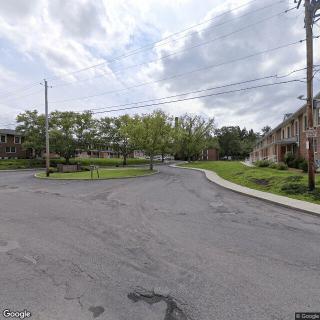
  • Valley View Ter

    Valley View Ter

    Scranton, PA


    pro Diabetic care available; on-site activities and meals; indoor common areas; convenient access to cafes, parks, pharmacies, physicians, and restaurants.

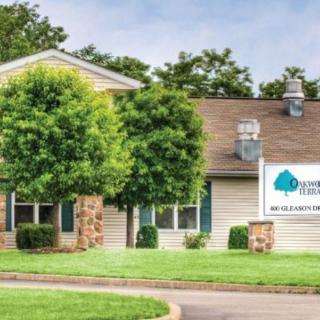
  • Oakwood Terrace

    Oakwood Terrace

    Moosic, PA

    4.2 from 102 reviews
    $3,780 to $6,264 / month

    pro Clean, well-maintained facility with friendly staff, engaging activities, and a family-like atmosphere for memory care.

  • West Side Kozy Comfort Personal Care Home

    West Side Kozy Comfort Personal Care Home

    Scranton, PA

    1.6 from 5 reviews
     

    pro Small, personalized assisted living with 24/7 care and restaurant-style dining.

  • Riverside Healthcare And Rehabilitation Center

    Riverside Healthcare And Rehabilitation Center

    Taylor, PA

    3.7 from 9 reviews
     

    pro Caring, long-tenured staff with an excellent rehab team, clean facilities and good amenities.

  • Serenity Care Old Forge

    Serenity Care Old Forge

    Old Forge, PA

    4.5 from 20 reviews
    $2,450 to $3,150 / month

    pro Friendly, attentive staff and quality dining in a warm, home-like setting.

  • Angel S Family Manor Personal Care Home

    Angel S Family Manor Personal Care Home

    Scranton, PA

    2 from 11 reviews
    $4,200 / month

    pro Private rooms and ample amenities support socialization and comfort.

  • Jewish Home Of Eastern Pennsylvania

    Jewish Home Of Eastern Pennsylvania

    Scranton, PA

    4.5 from 18 reviews
     

    pro Beautiful, home-like environment with compassionate staff and strong dementia care.

Related Resources

  • elderly blood pressure chartComprehensive Look at Senior Blood Pressure Charts: Normal and Elevated Levels by Age
    The overview of blood pressure management for seniors emphasizes the importance of monitoring and interpreting blood pressure readings, noting that normal ranges can vary due to age-related factors and individual health conditions. It highlights tailored guidelines for systolic and diastolic levels, the necessity of early detection and consistent management to prevent serious health complications, and advocates for personalized care strategies that incorporate lifestyle changes and medication adherence.

  • best dog for seniorsTop Canine Companions for Older Adults

    Dogs can greatly improve the lives of older adults by offering emotional support and encouraging physical activity, with factors such as size, temperament, and grooming needs being crucial in selecting a suitable breed. Senior dogs often make ideal companions for this demographic, promoting social connections and requiring care routines that align with seniors' capabilities.

  • elderly blood pressure chartComprehensive Guide to Blood Pressure Charts for Older Adults: Understanding Normal and High Readings by Age
    The guide on blood pressure charts for older adults stresses the importance of understanding normal and high blood pressure readings influenced by age, genetics, and lifestyle, while emphasizing regular monitoring and lifestyle modifications to prevent serious health issues. It provides insights into blood pressure categories, dietary recommendations, medication considerations, and the role of caregivers in supporting healthy habits.