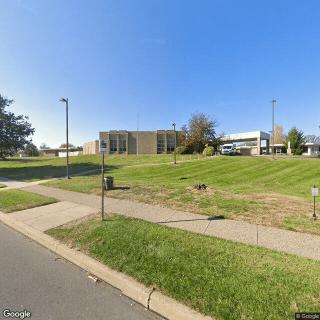
Immaculatemarycenter For Rehabilitation & Healthcare in Philadelphia, PA

Save

Immaculatemarycenter For Rehabilitation & Healthcare in Philadelphia, PA

Information last verified:

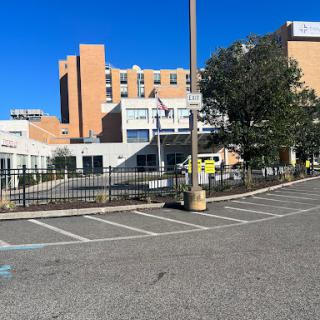
2990 Holme Avenue, Philadelphia, PA 19136

For more information about senior living options: (844) 490-3973

4.4 from 110 reviews
5 stars
86
4 stars
7
3 stars
1
2 stars
3
1 stars
13

Immaculatemarycenter For Rehabilitation & Healthcare Costs & Pricing

Immaculatemarycenter For Rehabilitation & Healthcare offers competitive pricing for its private rooms, with a monthly cost of $3,400. This rate is notably lower than the average costs in Philadelphia County, which stands at $4,448, and well below the statewide average of $4,890 in Pennsylvania. By choosing Immaculatemarycenter, residents benefit from quality rehabilitation and healthcare services at a more accessible price point compared to many other facilities in the region. This affordability can be particularly advantageous for families seeking comprehensive care options without compromising on quality.

Floor plansImmaculatemarycenter For Rehabilitation & HealthcarePhiladelphia CountyPennsylvania
Private$3,400$4,448$4,890

Overall Review of Immaculatemarycenter For Rehabilitation & Healthcare

Pros

  • pro Immaculate Mary Center is described as a gem—clean, with a warm and friendly staff.
  • pro The staff consistently show kindness and genuine care for residents.
  • pro Brian, a floor tech on 3-South, cleans with precision while bringing a cheerful vibe.
  • pro Sheila and Betty were exceptionally warm and attentive to my father.
  • pro Christine from 2N is always kind and ready to assist, including for dialysis patients.
  • pro Jocelyn at the front desk is very nice and helpful.
  • pro Katie in activities is kind, compassionate, and keeps residents entertained and happy.
  • pro Erica, the nurse manager on the skilled rehab unit, is amazing, resourceful, and hands-on.
  • pro Pastoral care is amazing and supportive for both residents and families.

Cons

  • pro The facility appeared far gone, with unapproachable staff.
  • pro The rooms were not cleaned or sanitized properly; the floors were disgusting, and the air was muggy and hot.
  • pro The staff seemed to hate their jobs and were miserable and unhelpful.
  • pro There was no loving environment surrounding the patients.
  • pro The facility should be shut down or reported.
  • pro The second-floor staff were careless.
  • pro The reviewer would not recommend this rehab center to others.
  • pro The facility allegedly gave the wrong medication to residents, resulting in life-threatening side effects.

Review

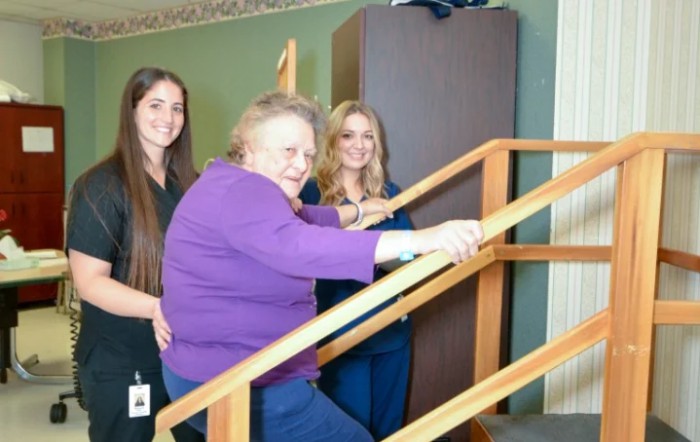
Immaculate Mary Center for Rehabilitation and Health Care in Philadelphia is best suited for families that prioritize a strong, hands-on rehab program backed by genuinely caring staff and a welcoming, home-like atmosphere. The community earns consistently high marks for interpersonal warmth, from nurses and CNAs to dietary and housekeeping teams, and for a reverent, supportive culture that many families feel translates into real day-to-day attention to residents. Reviewers repeatedly spotlight a facility where cleanliness, a calm environment, and approachable leadership create a foundation where residents can feel seen, heard, and protected. The rehab-focused units, in particular, benefit from a full spectrum of professionals, physical and occupational therapists, social workers, dietitians, and pastoral care, working together to support progress toward discharge or a more independent daily life. This is a place where the ambiance, quiet, with a chapel and garden, matters to families seeking a humane, person-centered experience.

That said, potential residents or families should explicitly consider alternatives if cleanliness, consistent maintenance, and uniform quality across shifts are nonnegotiable. Several reviews surface concerns about older infrastructure, dated rooms, and sporadic cleanliness, sometimes paired with smells or perceived lapses in housekeeping. A subset of comments also describes inconsistent responsiveness, with some staff perceived as overworked or unresponsive at critical moments, and one or two accounts of medication and safety lapses. The strong praise for camaraderie and care on certain floors sits alongside stronger warnings about experiences on other floors or at specific times. For families needing a faultless, consistently pristine environment, or those who require uniform day-to-day reliability without variance between shifts, it is prudent to shop around and compare with peers in the area.

The facility’s most persuasive advantages lie in its rehab and care teams, which can offset many of the downsides when the goal centers on meaningful recovery and daily engagement. PT and OT are repeatedly praised for personalized attention, goal-oriented progress, and staff who treat residents as people rather than tasks. Social work and discharge planning receive frequent accolades for helping families navigate transitions back home, while pastoral care and activities programs contribute to a sense of community and meaning that many residents value highly. Administrative and front-desk staff are frequently lauded for accessibility and warmth, with specific unit managers and nurses named as standout leaders who keep lines of communication open. In practical terms, families may see faster discharge planning, clearer symptom management, and better alignment of meals and therapies when the care team is coordinated and proactive.

Yet the cons listed in reviews cannot be dismissed, and they illuminate the caveats that should shape a rational decision. Inconsistency across floors appears to be a recurring theme, with some residents thriving under attentive teams and others reporting delayed responses, colder environments, or less rigorous attention to basic needs. Several accounts describe odors, cleanliness lapses, and aging furnishings that contribute to a less polished impression in parts of the building. Diet quality is not uniformly praised, and a few families report mismatches between what was requested and what was served, sometimes compounded by weekend gaps in therapy or routine changes. More severe concerns, ranging from perceived neglect to specific safety and medication issues, underscore the necessity of an on-site assessment and clear, documented expectations before choosing this center.

From a practical decision standpoint, prospective residents should focus on floor-specific dynamics and concrete care plans. Request a current tour with attention to the floor where the loved one would live, and ask for a recent week’s schedule of PT/OT sessions, nursing responsiveness metrics, and incident reports. Verify how dietary needs are managed, how likely it is to access chaplaincy or spiritual support for daily communion if that matters, and who the unit manager or primary point of contact will be. Engage social work early to map discharge goals and home-care supports, and insist on direct lines of communication with nursing leadership, your caregiver liaison, and the financial/administrative team. If language or cultural needs are essential, confirm staff availability and interpreter access. The most reliable path combines a thorough in-person evaluation with candid talk about what daily life actually looks like on the unit where a loved one would reside.

In sum, Immaculate Mary Center stands out for families seeking a compassionate, rehab-forward environment where staff warmth and interdisciplinary care can translate into real improvements and smoother transitions home. The strongest value emerges when families weight progress, rapport with therapists, and the availability of social and pastoral supports against the realities of aging infrastructure and mixed floor-to-floor experiences. This facility can be a superb fit for those who want a personable, engaged care culture and are willing to do due diligence to confirm consistency on the specific unit of placement. For those who require impeccably uniform cleanliness, consistently rapid responses at all hours, or a strictly modernized facility experience, alternatives deserve consideration. With clear expectations, proactive communication, and selective use of tours and references, Immaculate Mary Center can deliver meaningful rehabilitation and steady, compassionate daily life for a loved one.

Features

Housing

  • 296 resident community capacity 296 resident community capacity

Types of Care

  • Skilled Nursing Facility Skilled Nursing FacilitySkilled Nursing Facilities are crucial for seniors as they provide round-the-clock medical care, rehabilitation services, and assistance with daily activities. These facilities ensure that seniors receive the specialized care they need to maintain their health and well-being as they age.

Amenities

  • Air-conditioning Air-conditioningAir conditioning is important for seniors as they are more vulnerable to heat-related illnesses and may have underlying health conditions that make it difficult for them to regulate their body temperature. It helps to keep them comfortable, safe, and healthy in hot weather.
  • Beauty salon Beauty salonBeauty salons are important for seniors because they provide a space for them to feel pampered, socialize, and maintain their personal grooming and hygiene. Regular visits to a beauty salon can help boost seniors' self-esteem and overall well-being.
  • Cable or satellite TV Cable or satellite TVCable or satellite TV is important for seniors because it provides entertainment, news, and companionship, helping to combat loneliness and boredom. It also offers a wide range of programming options tailored to different interests and preferences.
  • Computer center Computer centerA computer center is essential for seniors as it provides access to technology, communication tools, and resources that can enhance their daily lives. It allows them to stay connected with loved ones, engage in online activities, and learn new skills, ultimately promoting socialization and mental stimulation.
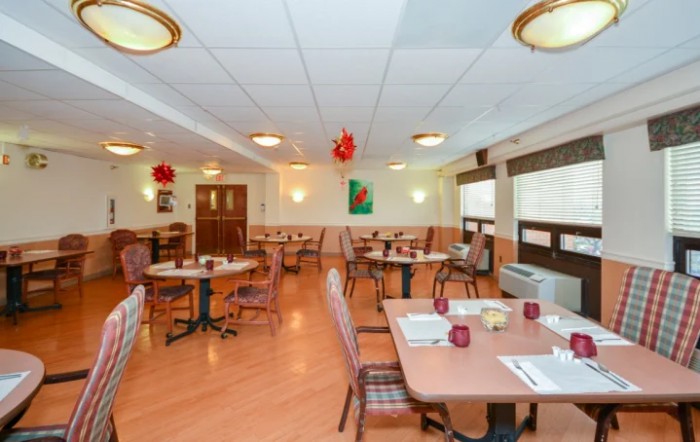
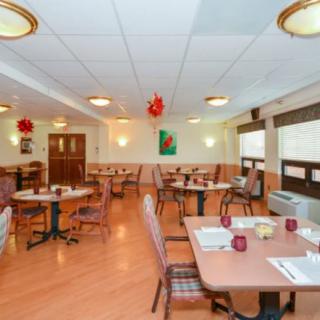
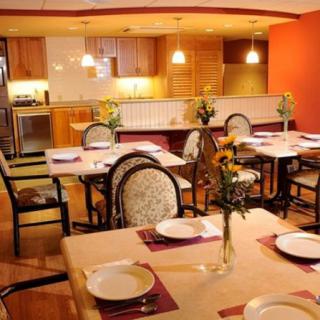
  • Dining room Dining roomDining rooms are important for seniors as they provide a space for socialization, connection, and nutritious meals. They offer opportunities for residents to bond over shared meals, foster a sense of community, and promote healthy eating habits. Dining rooms also ensure that seniors have access to well-balanced meals tailored to their dietary needs and preferences.
  • Fitness room Fitness roomHaving a fitness room in a senior living community is essential for seniors to stay active, maintain their physical health, and improve their overall well-being. Regular exercise can help prevent falls, reduce the risk of chronic diseases, and promote mental sharpness. It also provides social opportunities for residents to connect with others and enjoy a sense of community.
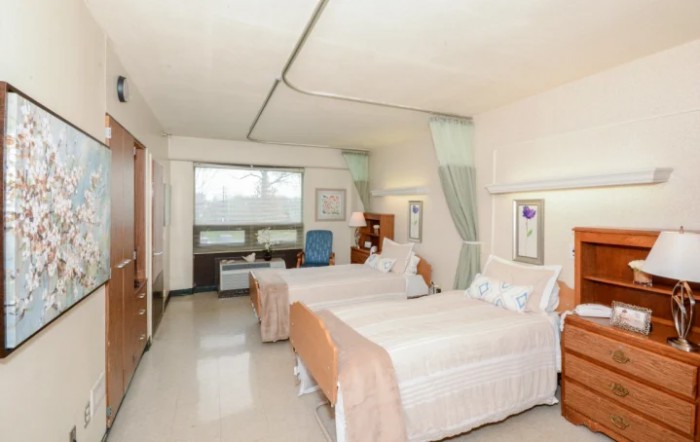
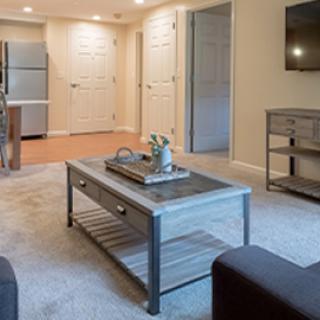
  • Fully furnished Fully furnishedFully furnished senior living communities are important for seniors because they provide convenience, comfort, and a hassle-free moving experience. Seniors can easily settle into their new living space without the stress of having to buy and move furniture. This allows them to focus on enjoying their new home and community.
  • Gaming room Gaming roomGaming rooms are important for seniors as they provide a fun and engaging environment for socializing, cognitive stimulation, and physical activity. Games can improve memory, problem-solving skills, and overall mental well-being while fostering friendships and reducing feelings of isolation.
  • Garden GardenGardens are important for seniors as they provide a peaceful and therapeutic environment for relaxation, physical activity, and socialization. Being in nature has been shown to reduce stress, improve mood, and promote overall well-being. Gardens also offer opportunities for seniors to engage in gardening activities, which can improve mobility, flexibility, and cognitive function. Additionally, gardens create a sense of community and connection with others who share a passion for plants and outdoor spaces.
  • Housekeeping services Housekeeping servicesHousekeeping services are important for seniors because they help maintain a clean and safe living environment, promote independence, and reduce the risk of accidents or illnesses. Additionally, having assistance with household chores can alleviate physical strain and allow seniors to focus on other aspects of their well-being.
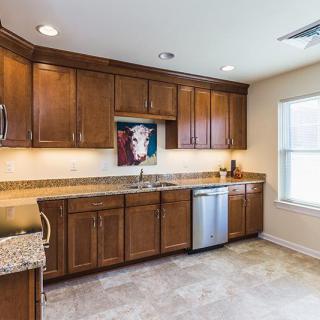
  • Kitchenette KitchenetteKitchenettes are important for seniors living in senior living communities because they provide the convenience and independence of being able to prepare simple meals and snacks in the comfort of their own living space. This can help promote a sense of autonomy and well-being for seniors, allowing them to maintain some level of control over their dietary choices and daily routines.
  • Move-in coordination Move-in coordinationMove-in coordination is important for seniors because it helps ease the transition into their new living environment. It ensures that all logistics, such as packing, organizing movers, and setting up utilities are taken care of, allowing seniors to focus on settling in and adjusting to their new home. Having a smooth move-in process can alleviate stress and anxiety, making the transition smoother and more enjoyable for seniors.
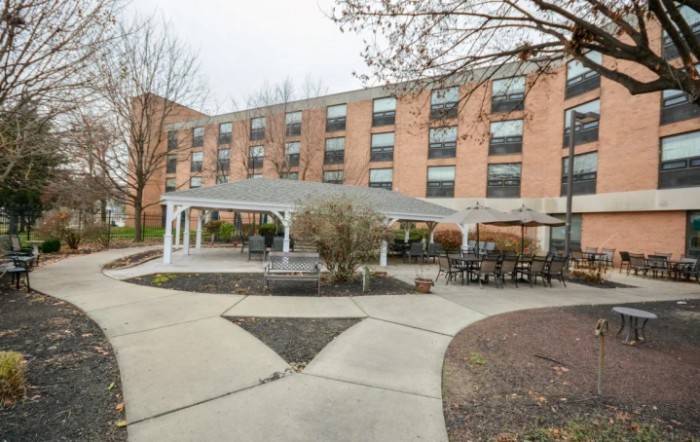
  • Outdoor space Outdoor spaceOutdoor spaces are important for seniors as they provide opportunities for physical activity, social interaction, exposure to natural light and fresh air, and a sense of connection to nature. Having access to outdoor spaces can improve overall well-being and quality of life for older adults living in senior communities.
  • Private bathrooms Private bathroomsPrivate bathrooms are important for seniors in senior living communities because they provide independence, dignity, and comfort. Having a private bathroom allows seniors to maintain their personal hygiene routines without the need for assistance, promoting a sense of autonomy and privacy. Additionally, private bathrooms help prevent the spread of infections and provide a safe and clean environment for seniors to navigate safely.
  • Restaurant-style dining Restaurant-style diningRestaurant-style dining is important for seniors because it allows them to enjoy delicious, nutritious meals in a social and upscale setting. This enhances their dining experience, promotes healthy eating habits, and fosters socialization with fellow residents, ultimately contributing to their overall well-being and quality of life.
  • Small library Small librarySmall libraries are important for seniors as they provide access to a variety of reading materials, including books, newspapers, and magazines. This can help stimulate their minds, keep them engaged, and provide a sense of community through book clubs and other social activities. Additionally, reading has been shown to improve cognitive function and overall mental well-being in older adults.
  • Telephone TelephoneTelephones are important for seniors as they provide a lifeline for communication with loved ones, emergency services, and healthcare providers. They offer a sense of security and independence, enabling seniors to stay connected and access assistance when needed.
  • Wellness center Wellness centerWellness centers are important for seniors because they offer a variety of programs and services that promote physical, mental, and emotional well-being. These centers provide opportunities for exercise, socialization, education, and relaxation, helping seniors maintain their overall health and quality of life.
  • Wi-Fi/high-speed internet available Wi-Fi/high-speed internet availableWi-Fi/high-speed internet is important for seniors to stay connected with loved ones, access online resources, and participate in virtual activities to combat feelings of loneliness and isolation. It also allows them to easily manage healthcare needs, access entertainment, and engage in lifelong learning opportunities.

Transportation

  • Philadelphia International (17 miles away) Philadelphia International (17 miles away)
  • Trenton-Mercer County (19 miles away) Trenton-Mercer County (19 miles away)
  • Community operated transportation Community operated transportationCommunity operated transportation is crucial for seniors as it provides them with the means to access essential services, social activities, and medical appointments. It allows seniors to maintain their independence and quality of life by ensuring they can participate in activities outside of their homes. Additionally, community-operated transportation services offer a safe and reliable way for seniors to travel without having to rely on family or friends for assistance.
  • Transportation arrangement Transportation arrangementTransportation arrangements are crucial for seniors as they may face challenges with driving, mobility, or access to public transportation. Having reliable transportation services ensures that seniors can easily attend appointments, social activities, and maintain their independence and quality of life.
  • Transportation arrangement (non-medical) Transportation arrangement (non-medical)Transportation arrangements are essential for seniors as they provide access to essential services, activities, and social interactions outside the home. This service helps maintain independence, mobility, and overall well-being for seniors who may have limited transportation options.
  • Transportation to doctors appointments Transportation to doctors appointmentsTransportation to doctors appointments is crucial for seniors as it ensures they have access to necessary medical care and support, promoting their health and well-being. It allows them to receive timely treatment, monitor existing conditions, and address any new health concerns efficiently. Additionally, transportation services can help seniors maintain their independence and quality of life by enabling them to stay connected with their healthcare providers.

Care Services

  • 12-16 hour nursing 12-16 hour nursing12-16 hour nursing care is crucial for seniors in order to ensure around-the-clock monitoring, timely medication administration, and prompt response to any health concerns or emergencies. This level of care helps to promote the overall well-being and safety of seniors living in senior living communities.
  • 24-hour call system 24-hour call system24-hour call systems are important for seniors because they provide peace of mind and immediate assistance in case of emergencies. This technology ensures that help is always available, promoting safety and security for elderly individuals living alone or in assisted living facilities.
  • 24-hour supervision 24-hour supervision24-hour supervision is important for seniors to ensure their safety, well-being, and access to immediate assistance in case of emergencies or health issues. This constant support provides peace of mind for both seniors and their loved ones, allowing them to age in place with dignity and security.
  • Activities of daily living assistance Activities of daily living assistanceActivities of daily living assistance are important for seniors because they provide essential support with tasks such as eating, bathing, dressing, and mobility. This assistance helps seniors maintain their independence, dignity, and overall quality of life as they age.
  • Assistance with bathing Assistance with bathingAssistance with bathing is crucial for seniors as it helps maintain personal hygiene, prevents infections, and ensures their overall well-being and comfort. It also provides a sense of dignity and independence for seniors who may struggle with this task on their own.
  • Assistance with dressing Assistance with dressingAssistance with dressing is important for seniors because it helps maintain their independence, promotes personal hygiene, prevents accidents and injuries, and improves overall quality of life. This service ensures that seniors can continue to dress comfortably and confidently, despite any physical limitations they may have.
  • Assistance with transfers Assistance with transfersAssistance with transfers is crucial for seniors as it helps prevent falls and injuries, maintains their independence, and ensures they can safely navigate their living environment. It also provides peace of mind for both seniors and their loved ones.
  • Diabetes diet Diabetes dietA diabetes diet is crucial for seniors as it helps manage blood sugar levels, reduce risks of complications, and improve overall health and well-being. By following a balanced and nutritious diet tailored to their specific needs, seniors can better control their diabetes and enhance their quality of life.
  • Meal preparation and service Meal preparation and serviceMeal preparation and service are crucial for seniors as they may have limited mobility or energy to cook nutritious meals. Having access to healthy and convenient food options can ensure they are getting the proper nutrition needed to maintain their overall health and well-being.
  • Medication management Medication managementMedication management is crucial for seniors to ensure they are taking the right medications at the correct dosages and times. This helps prevent adverse drug interactions, reduces the risk of medication errors, and promotes overall health and well-being. Proactive management also allows for adjustments as needed based on changing health conditions or new prescriptions.
  • Mental wellness program Mental wellness programMental wellness programs are essential for seniors as they promote cognitive stimulation, emotional support, and social engagement. These programs help prevent isolation, depression, and cognitive decline, ultimately enhancing the overall quality of life for older adults.
  • Special dietary restrictions Special dietary restrictionsSpecial dietary restrictions are important for seniors because age-related changes in metabolism and health conditions can make it difficult for their bodies to process certain foods. By following a diet tailored to their specific needs, seniors can maintain their overall health and well-being, manage chronic conditions, and reduce the risk of complications such as malnutrition or food interactions with medications.

Dining

  • Diabetes diet Diabetes dietA diabetes diet is crucial for seniors as it helps manage blood sugar levels, reduce risks of complications, and improve overall health and well-being. By following a balanced and nutritious diet tailored to their specific needs, seniors can better control their diabetes and enhance their quality of life.
  • Special dietary restrictions Special dietary restrictionsSpecial dietary restrictions are important for seniors because age-related changes in metabolism and health conditions can make it difficult for their bodies to process certain foods. By following a diet tailored to their specific needs, seniors can maintain their overall health and well-being, manage chronic conditions, and reduce the risk of complications such as malnutrition or food interactions with medications.

Activities

  • Community-sponsored activities Community-sponsored activitiesCommunity-sponsored activities are important for seniors as they provide opportunities for social interaction, mental stimulation, and physical activity. These activities can help improve overall well-being, combat loneliness and isolation, and promote a sense of belonging and purpose among older adults.
  • Concierge services Concierge servicesConcierge services are essential for seniors as they provide assistance with daily tasks and errands, enhance their quality of life by offering convenience and personalized care, and promote a sense of safety and security.
  • Fitness programs Fitness programsFitness programs are crucial for seniors as they help improve strength, flexibility, balance, and overall well-being. Staying active can reduce the risk of chronic diseases, improve mental health, and enhance quality of life in older adults.
  • Planned day trips Planned day tripsPlanned day trips are important for seniors because they offer opportunities for socialization, mental stimulation, and physical activity. They provide a change of scenery and help seniors stay engaged and connected to their community, promoting overall well-being and quality of life.
  • Resident-run activities Resident-run activitiesResident-run activities are important for seniors as they encourage social interaction, creativity, and a sense of autonomy. These activities empower seniors to stay engaged and active in their community while fostering meaningful connections with their peers.
  • Scheduled daily activities Scheduled daily activitiesScheduled daily activities are important for seniors because they provide structure, socialization, mental stimulation, and physical activity. Engaging in regular activities can improve overall well-being and quality of life for seniors living in a community setting.

Description

Immaculatemarycenter for Rehabilitation & Healthcare in Philadelphia, PA is an exceptional assisted living community that offers a wide range of amenities and care services to ensure the comfort and well-being of its residents.

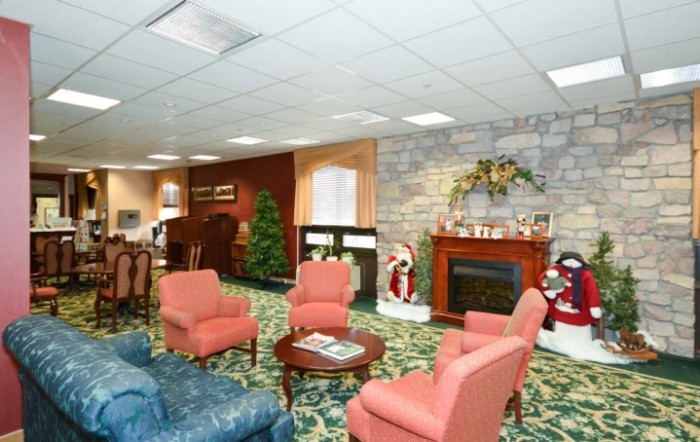
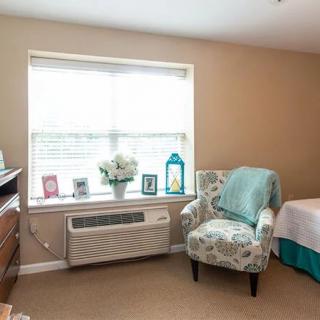
Residents at Immaculatemarycenter enjoy a variety of amenities, including a beauty salon for pampering and relaxation, cable or satellite TV for entertainment, and access to community-operated transportation for convenient outings. The computer center allows residents to stay connected with loved ones, while the small library offers a quiet space for reading and learning. The fully furnished accommodation provides a cozy and homely environment, complete with private bathrooms.

An inviting dining room with restaurant-style dining serves delicious meals that cater to special dietary restrictions. Housekeeping services are available to maintain a clean living environment. Move-in coordination is offered to assist residents during the transition process.

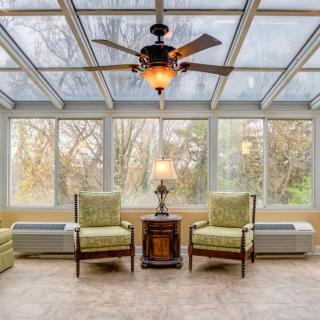
The community also boasts several recreational facilities designed to promote wellness and social interaction. Residents can stay active in the fitness room or engage in friendly competition in the gaming room. The outdoor space provides opportunities for relaxation surrounded by nature. Planned daily activities are scheduled, ensuring there is always something enjoyable happening.

Immaculatemarycenter prioritizes the safety and well-being of its residents with 24-hour call systems and supervision. Trained staff members provide assistance with activities of daily living, such as bathing, dressing, and transfers. Medication management services ensure that medications are taken correctly.

Transportation arrangements are available both for non-medical purposes as well as transportation to doctors' appointments. This enables residents to attend medical appointments without any inconvenience.

Nearby amenities include cafes, parks, pharmacies, restaurants, physicians’ offices, and hospitals, ensuring easy access to various services within close proximity.

At Immaculatemarycenter for Rehabilitation & Healthcare in Philadelphia, PA, residents can expect a comfortable living environment supported by comprehensive care services and an array of amenities that prioritize their overall well-being and enjoyment of life.

Nearby Places of Interest

Pharmacies

  • Rite Aid (1 miles)
  • Rite Aid (1.5 miles)
  • CVS Pharmacy (1.6 miles)
  • CVS Pharmacy (2.3 miles)
  • Url Pharma (2.3 miles)
  • Rite Aid (2.6 miles)
  • Walgreens (3.3 miles)

Restaurants

  • McDonald's (1.1 miles)
  • Taco Bell (4 miles)
  • Chick-Fil-A (4.1 miles)
  • Point After (4.5 miles)
  • Texas Chicken & Burgers (4.9 miles)
  • McDonald's (5.3 miles)
  • Chick-Fil-A (5.3 miles)

Parks

  • Champion Park Playground (2.7 miles)
  • Womrath Park (4.6 miles)
  • Palmer Park Farmers Market (7.8 miles)
  • Palmer Doggie Depot (7.8 miles)
  • Piazza Dog Park (8.4 miles)
  • Race Street Pier (9.2 miles)
  • Franklin Square (9.4 miles)

Hospitals

  • Jefferson Torresdale Hospital (2.7 miles)
  • Fox Chase Cancer Center (3.4 miles)
  • Aria Health (3.7 miles)
  • Holy Redeemer Hospital (4.7 miles)
  • St Christopher's Hospital for Children (6.1 miles)
  • Albert Einstein Employee Health Center (6.1 miles)
  • Abington Hospital, Widener Building (6.5 miles)

Cafes

  • Starbucks (4.1 miles)
  • ReAnimator Coffee (7.5 miles)
  • La Colombe Coffee Roasters (8 miles)
  • Starbucks (8.2 miles)
  • Starbucks (9.3 miles)

Physicians

  • Frankford Avenue Health Center (4.1 miles)
  • Simms Hank Md Albert Einstein Medical Center Philadelphia (6.2 miles)
  • Stoltz and Hahn Family Practice (6.5 miles)
  • Dr.'s Eyecare Center (7.6 miles)
  • Cooper University Physicians (7.9 miles)
  • Cooper Hematology/Oncology (8 miles)
  • South Jersey Skin Care (9.1 miles)

Transportation

  • SEPTA Jenkintown-Wyncote Station (6.3 miles)
  • Septa Wayne Junction Station (7.3 miles)
  • Stenton Station (7.9 miles)

Theaters

  • AMC Neshaminy 24 (7.1 miles)

Frequently Asked Questions

How much does it cost to live at Immaculatemarycenter For Rehabilitation & Healthcare in Philadelphia, PA?
Where is Immaculatemarycenter For Rehabilitation & Healthcare?
What photos are available for Immaculatemarycenter For Rehabilitation & Healthcare in Philadelphia, Pennsylvania?

Nearby Communities

  • Tcu At Nazareth Hospital

    Tcu At Nazareth Hospital

    Phila, PA


    pro Comprehensive care and engagement: 24/7 supervision, medication management, ADL support, plus varied dining and activities.
  • Deer Meadows Retirement Community

    Deer Meadows Retirement Community

    Philadelphia, PA

    4 from 67 reviews
    $2,920 to $4,150 / month

    pro Caring staff, effective physical therapy, and clean spaces.

  • Aneisha Home Care LLC

    Aneisha Home Care LLC

    Philadelphia, PA

    4.5 from 2 reviews
     

    pro Convenient access to pharmacies, hospitals, parks, and nearby restaurants.

  • Evangelical Manor

    Evangelical Manor

    Philadelphia, PA

    4.6 from 85 reviews
     

    pro Spacious apartments with a wide range of on-site amenities and engaging activities.

  • Wesley Enhanced Living At Pennypack Park

    Wesley Enhanced Living At Pennypack Park

    Philadelphia, PA

    3.7 from 79 reviews
    $1,496 to $2,441 / month

    pro Friendly, responsive staff; clean, well-maintained environment; engaging activities and accommodating dining.

  • Harmony Place

    Harmony Place

    Philadelphia, PA

    4.1 from 28 reviews
    $3,450 to $5,700 / month

    pro Dedicated staff and a clean, engaging environment with quality dining and activities.

  • Golden Slipper Uptown Home

    Golden Slipper Uptown Home

    Philadelphia, PA

    4.5 from 102 reviews
     

    pro Empathetic, timely communication from administration and nursing staff, including facilitating virtual family connections.

  • Lafayette-Redeemer

    Lafayette-Redeemer

    Philadelphia, PA

    3.6 from 66 reviews
     

    pro Clean, home-like atmosphere with friendly staff and solid amenities (library, dining, transportation).

  • Saint John Neumann Nursing Home

    Saint John Neumann Nursing Home

    Philadelphia, PA

    3.7 from 126 reviews
     

    pro Some staff, especially admissions and select nurses, are attentive and supportive.

Related Resources

  • nursing home costsA Detailed Examination of Nursing Home Costs Across the U.S.
    Nursing home care costs in the U.S. vary significantly based on location, level of care, and amenities, with private room prices ranging from approximately $6,700 to over $30,000 monthly. Families need to explore various payment options and conduct thorough research to manage these expenses effectively.

  • non medical home careExploring Nonmedical Home Care: Understanding Services, Costs, and Financial Approaches

    Nonmedical home care provides assistance with daily activities and companionship for individuals wishing to maintain independence and quality of life at home, without medical intervention. Its growing popularity is driven by an aging population, the need for supportive environments for recovery, and the emotional benefits of caregiver companionship, while costs vary based on service frequency and location.

  • brain games for seniorsEngaging Brain Games and Innovative Apps to Keep Senior Minds Active

    Maintaining cognitive fitness through engaging in various brain games, both traditional and digital, is crucial for seniors as it enhances memory retention, problem-solving abilities, and emotional well-being while helping to protect against age-related decline. A holistic approach that includes diverse activities, physical exercise, a balanced diet, and social interaction further supports mental health and cognitive function.