Deer Meadows Retirement Community in Philadelphia, PA

Save

  • Interior

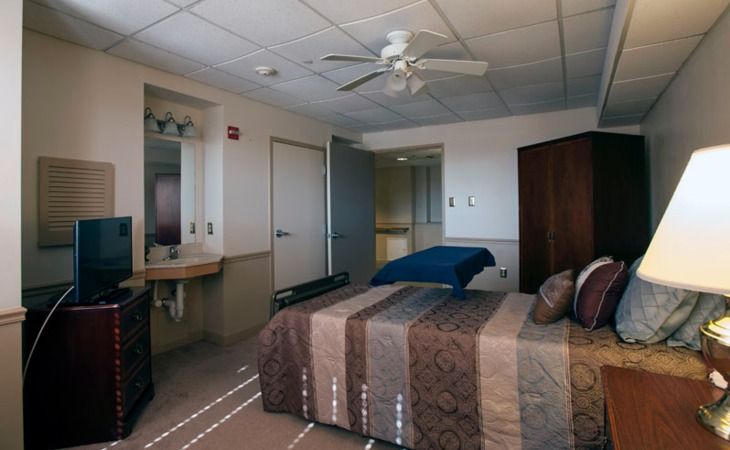
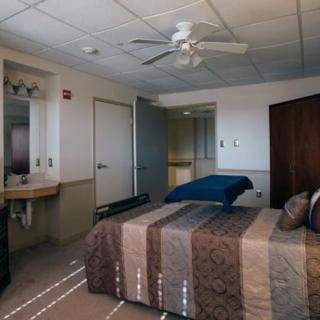
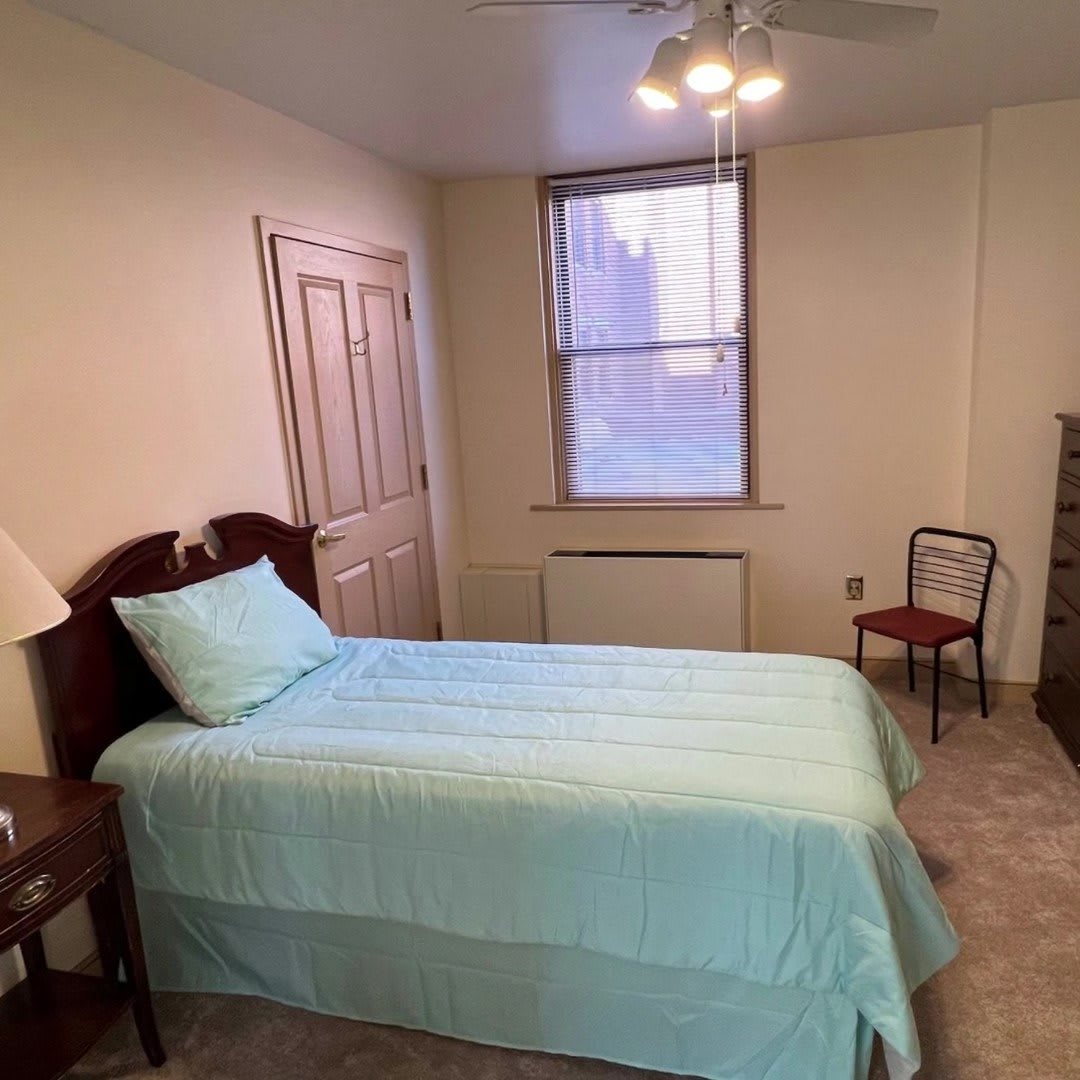
    A cozy bedroom with a bed, ceiling fan, and a wardrobe.
  • Decor

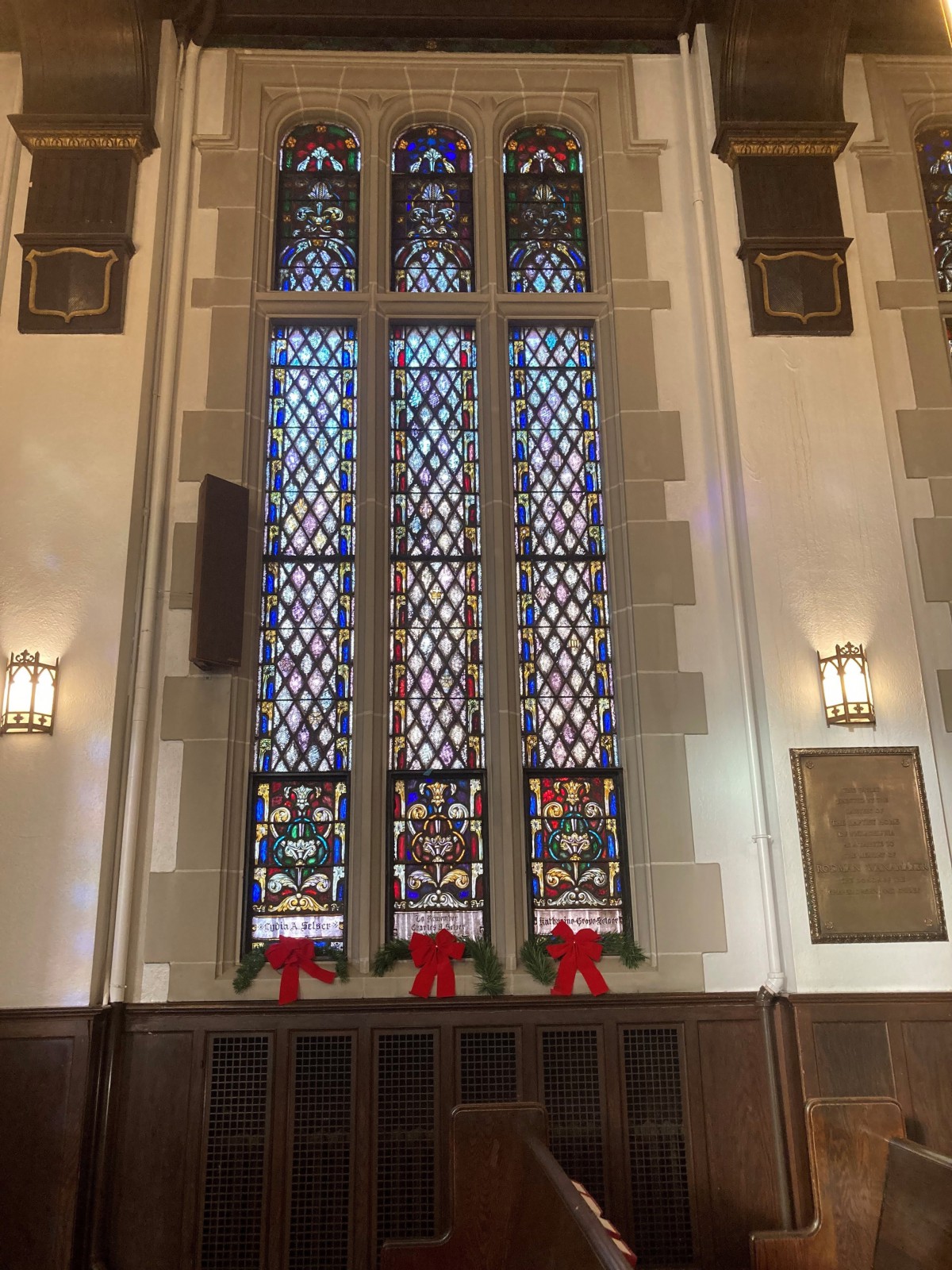
    A beautifully designed church interior featuring tall stained glass windows adorned with festive decorations.
  • Living Room

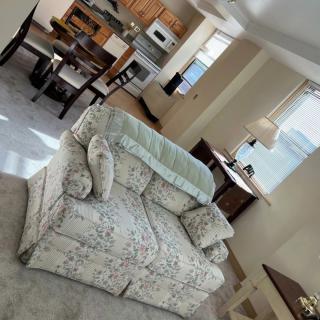
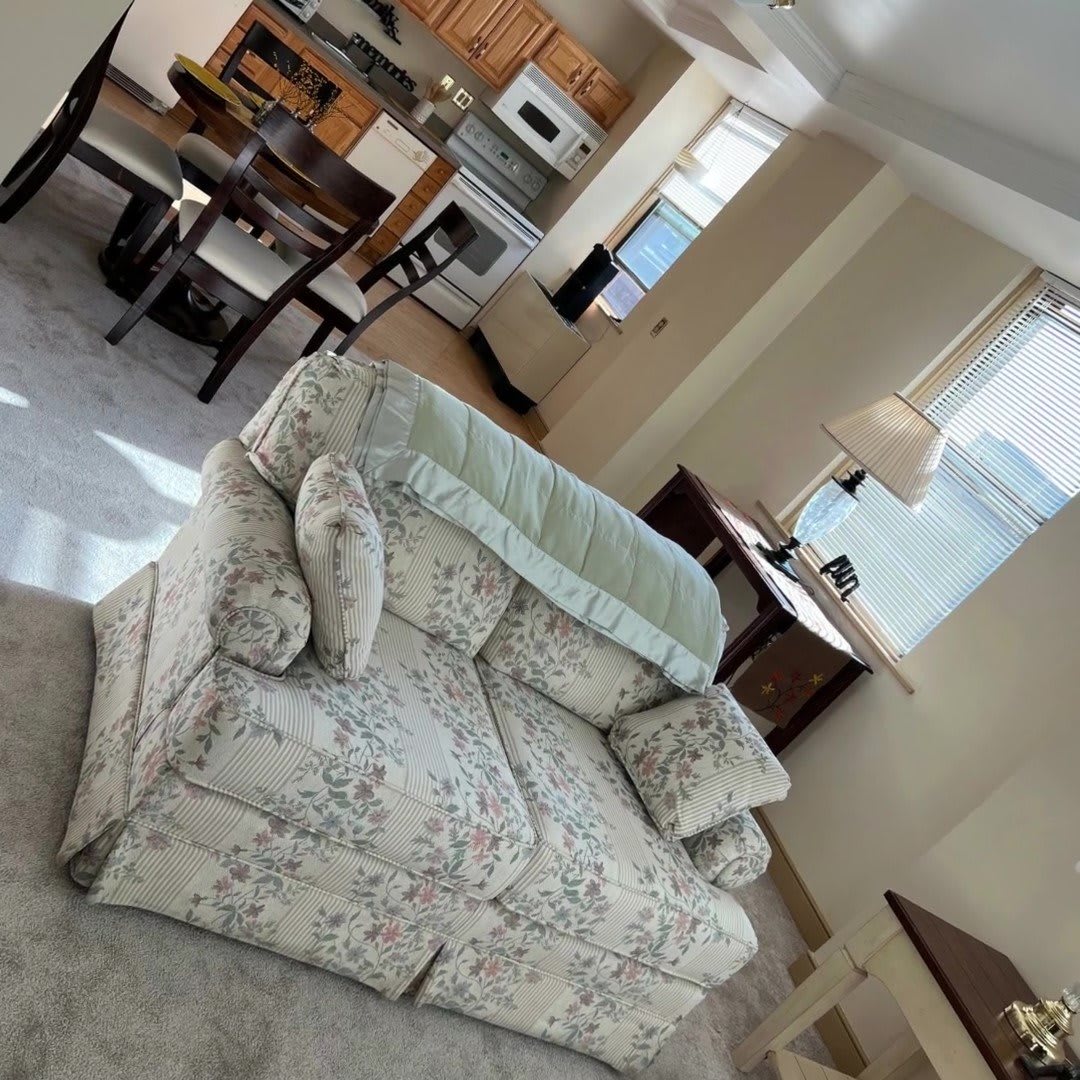
    A cozy living room with a floral sofa, dining area, and open kitchen.
  • Building

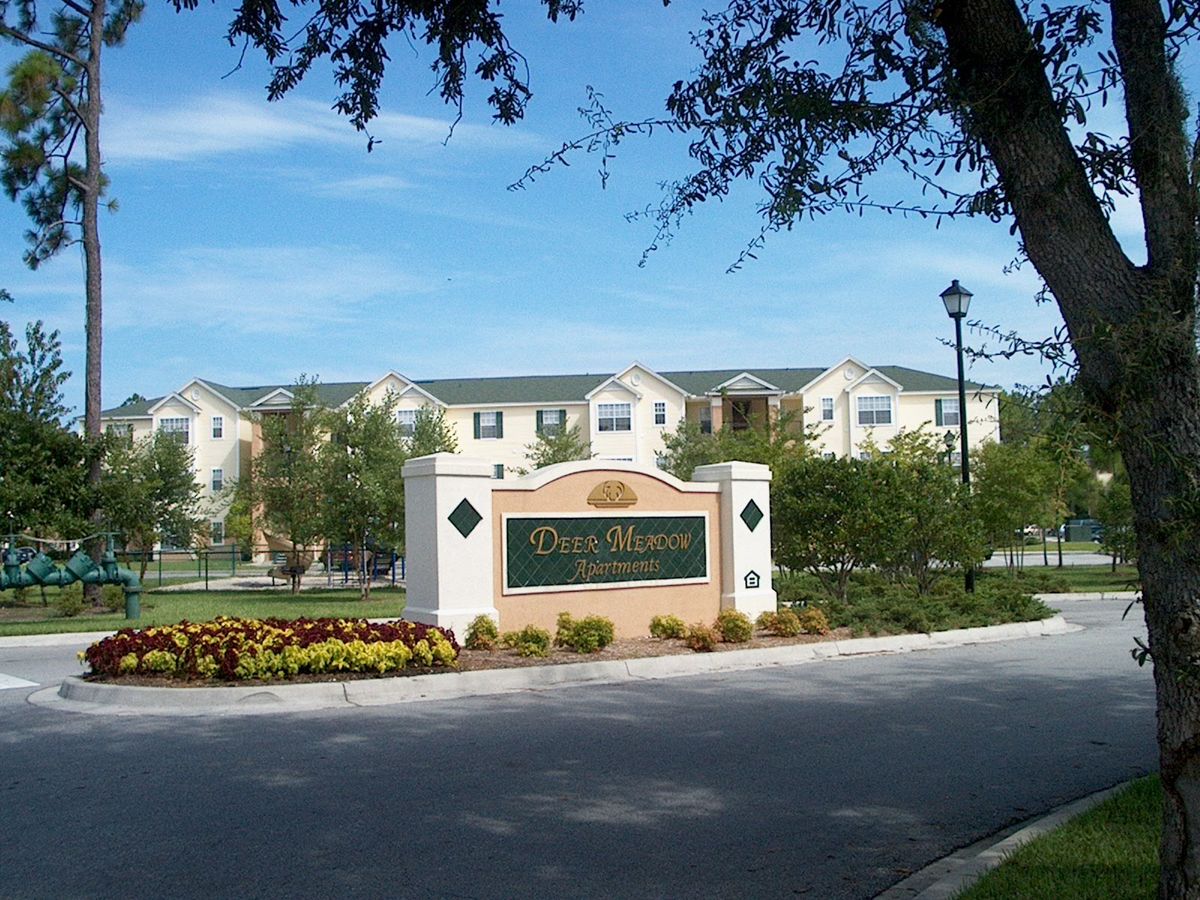
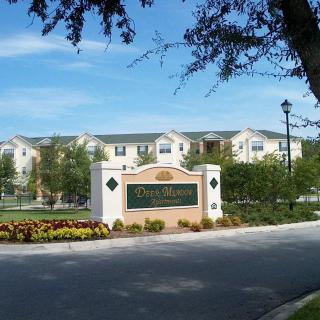
    Entrance to an apartment complex with well-maintained landscaping and a visible sign.
  • Architecture

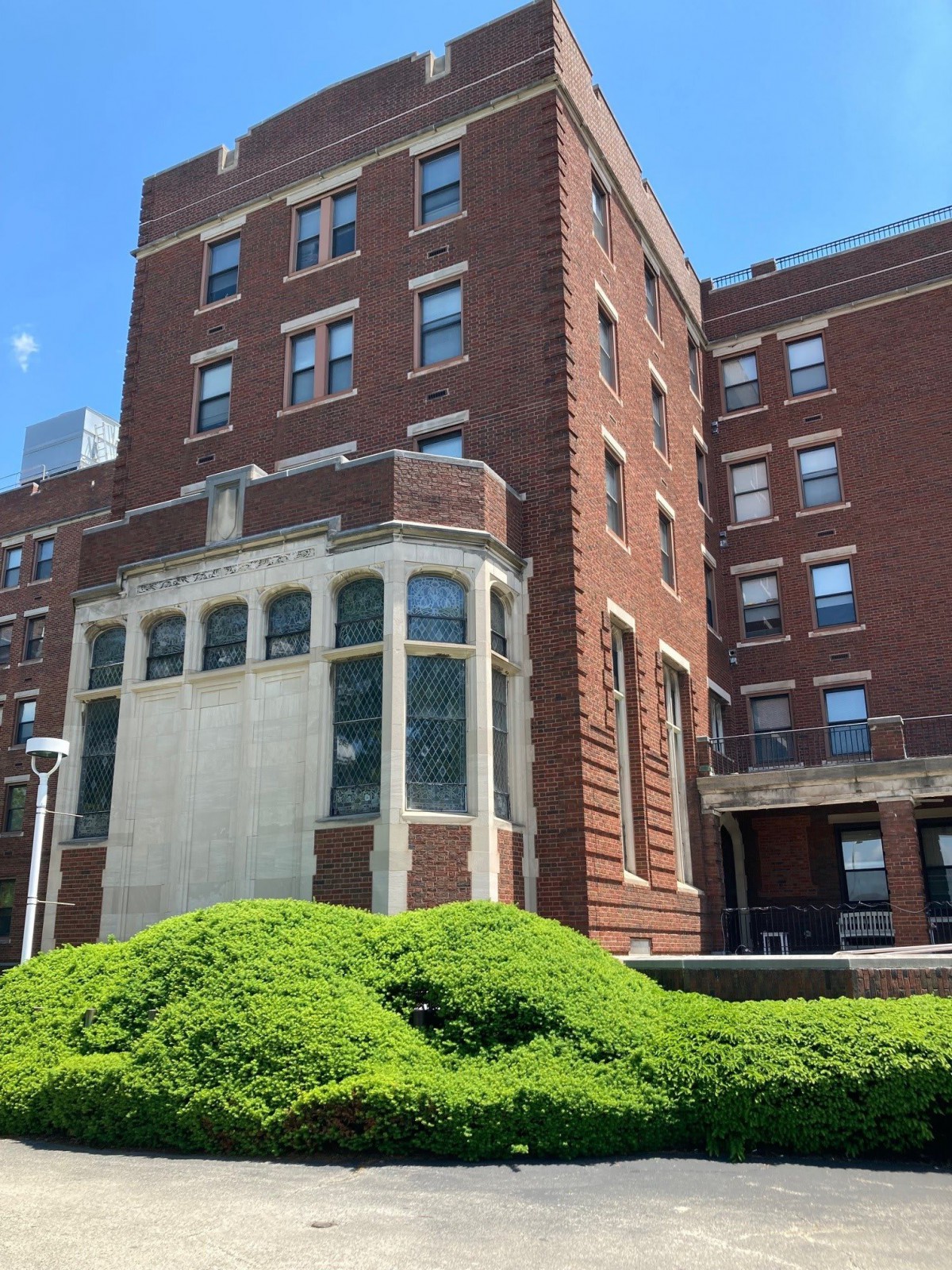
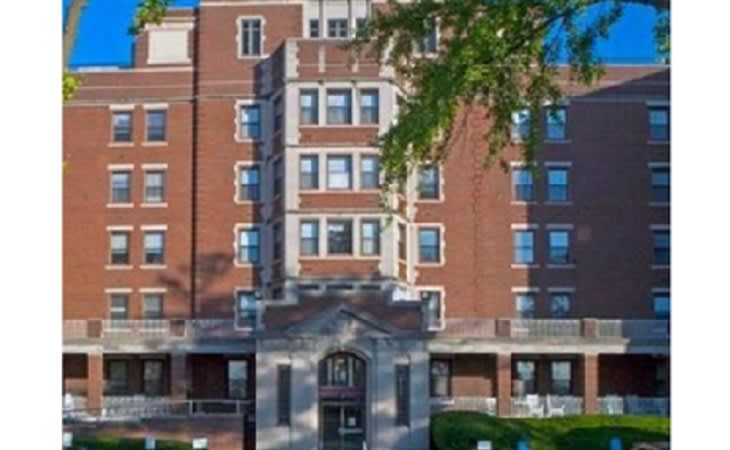
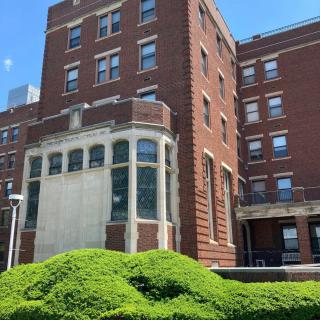
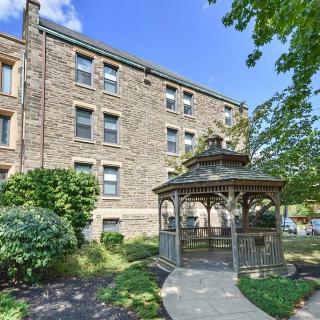
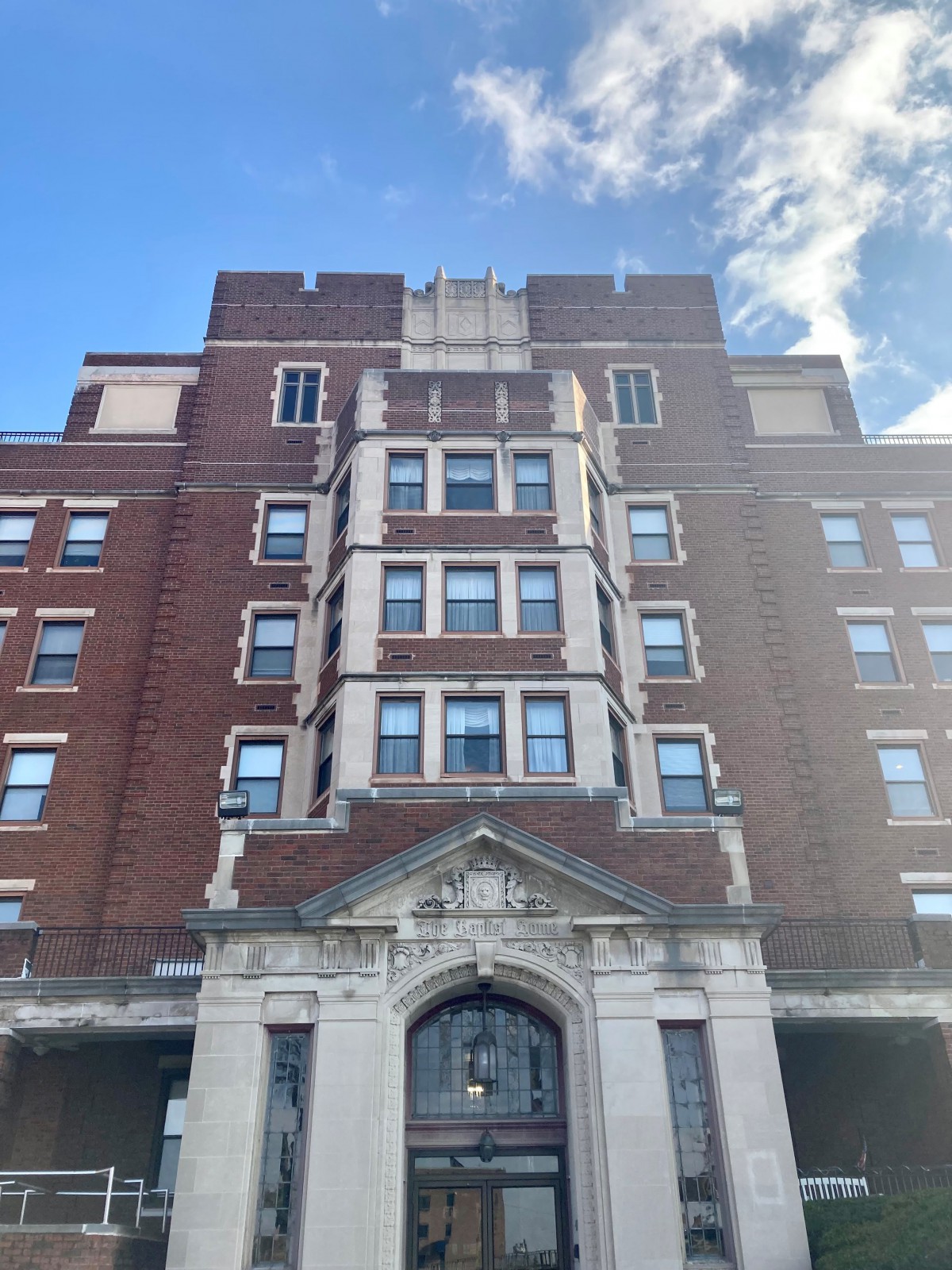
    A historical brick building with lush greenery under a clear blue sky.
  • Bedroom

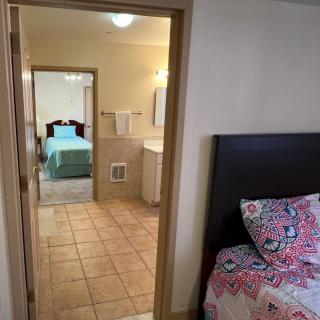
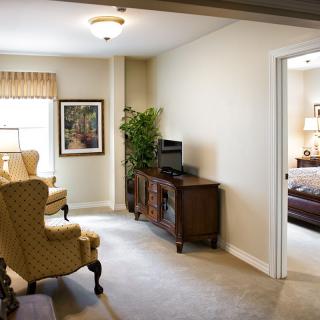
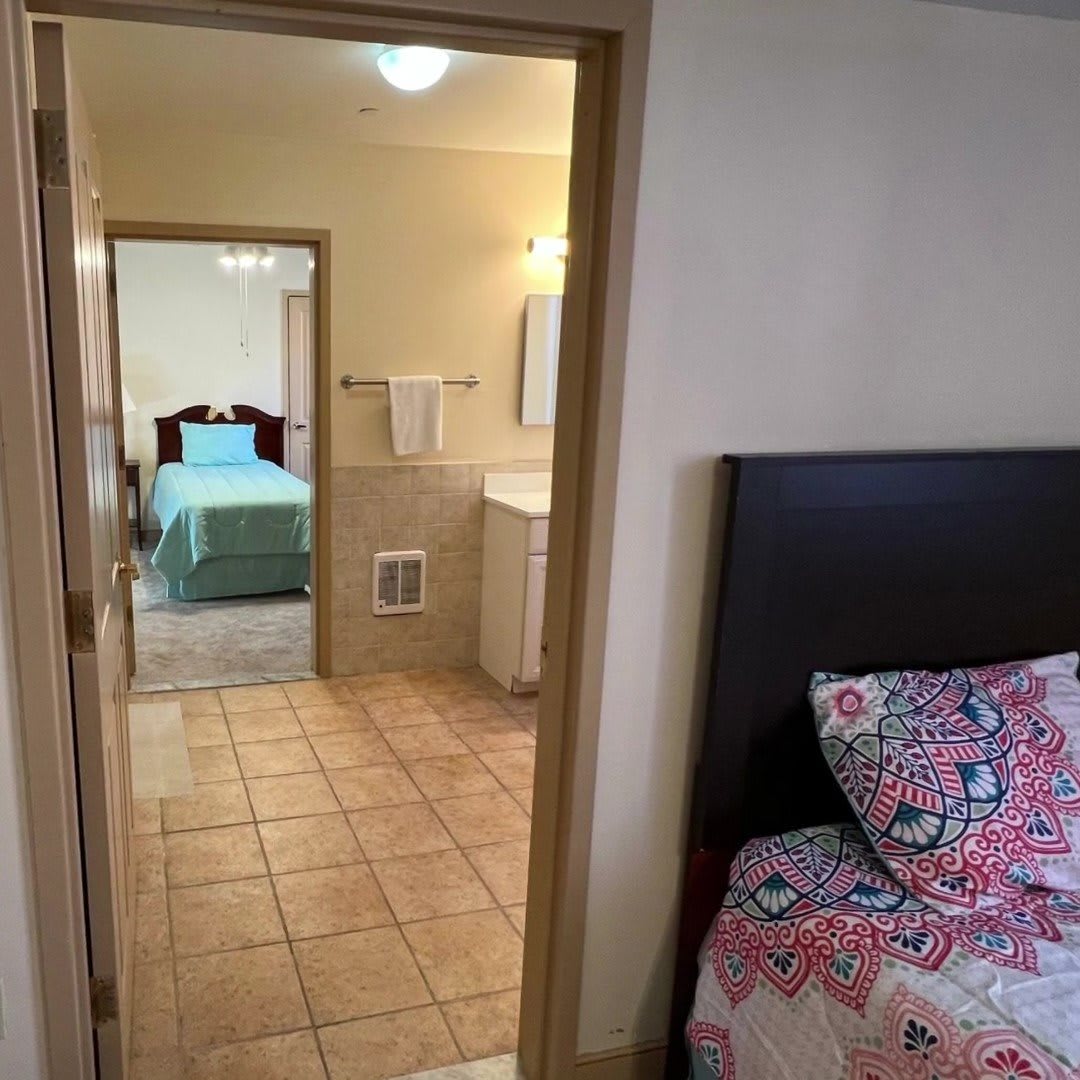
    Two adjoining bedrooms with colorful bedding, separated by a doorway.
  • Trees

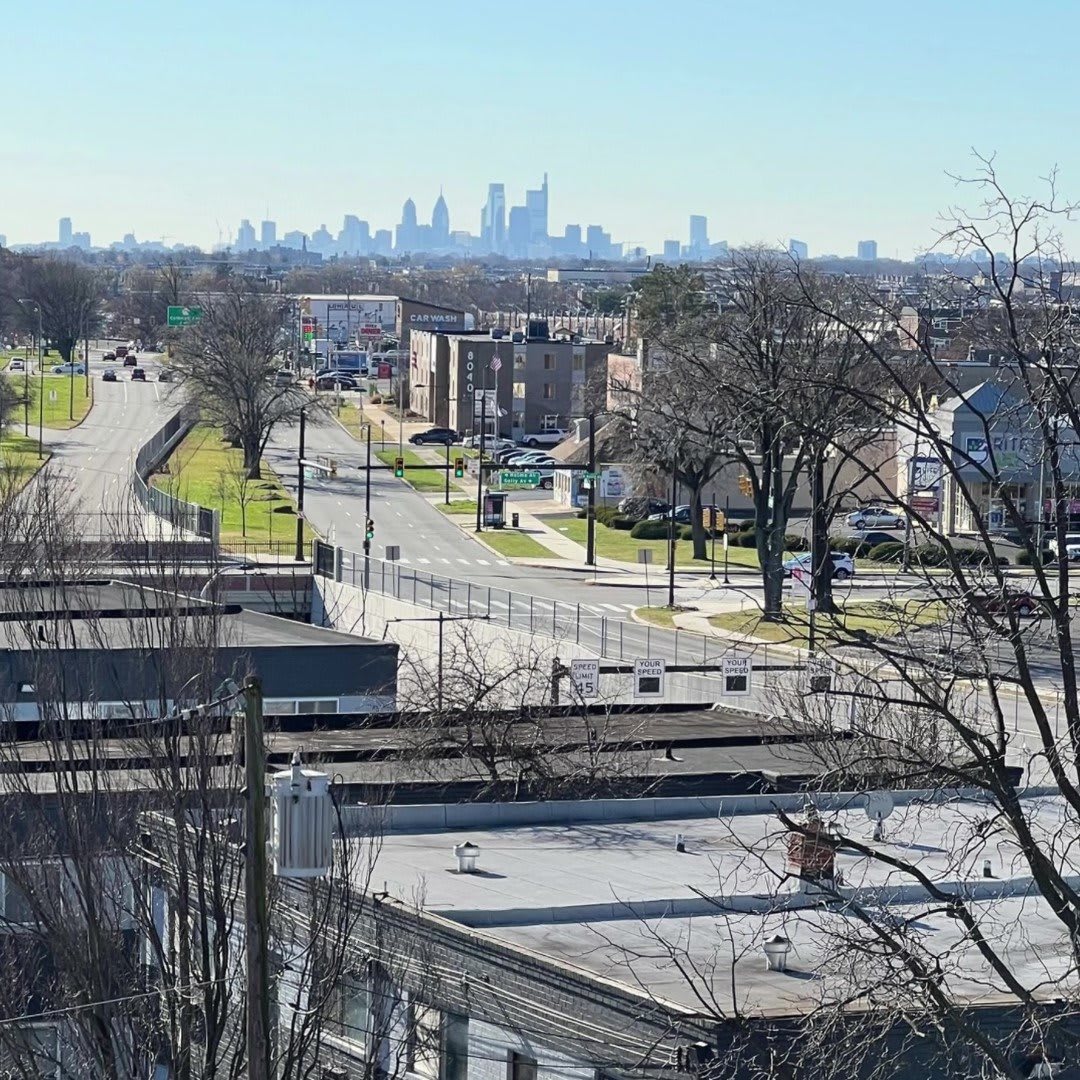
    A view of a city skyline from a suburban neighborhood with roads, buildings, and trees.
  • Windows

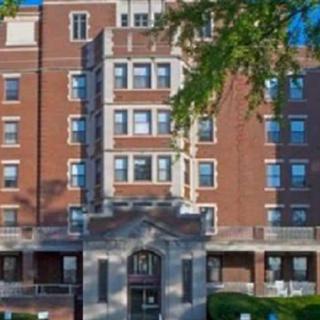
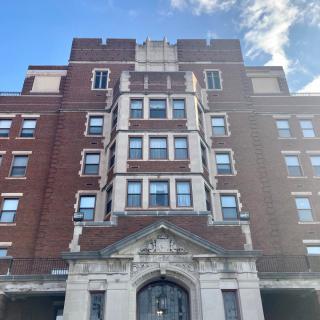
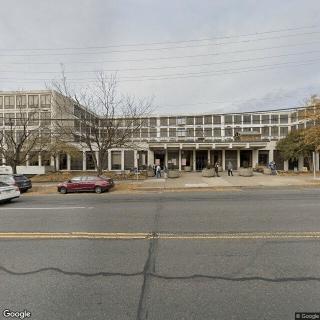
    A multi-story brick residential building with numerous windows and a central entrance.
  • Dining

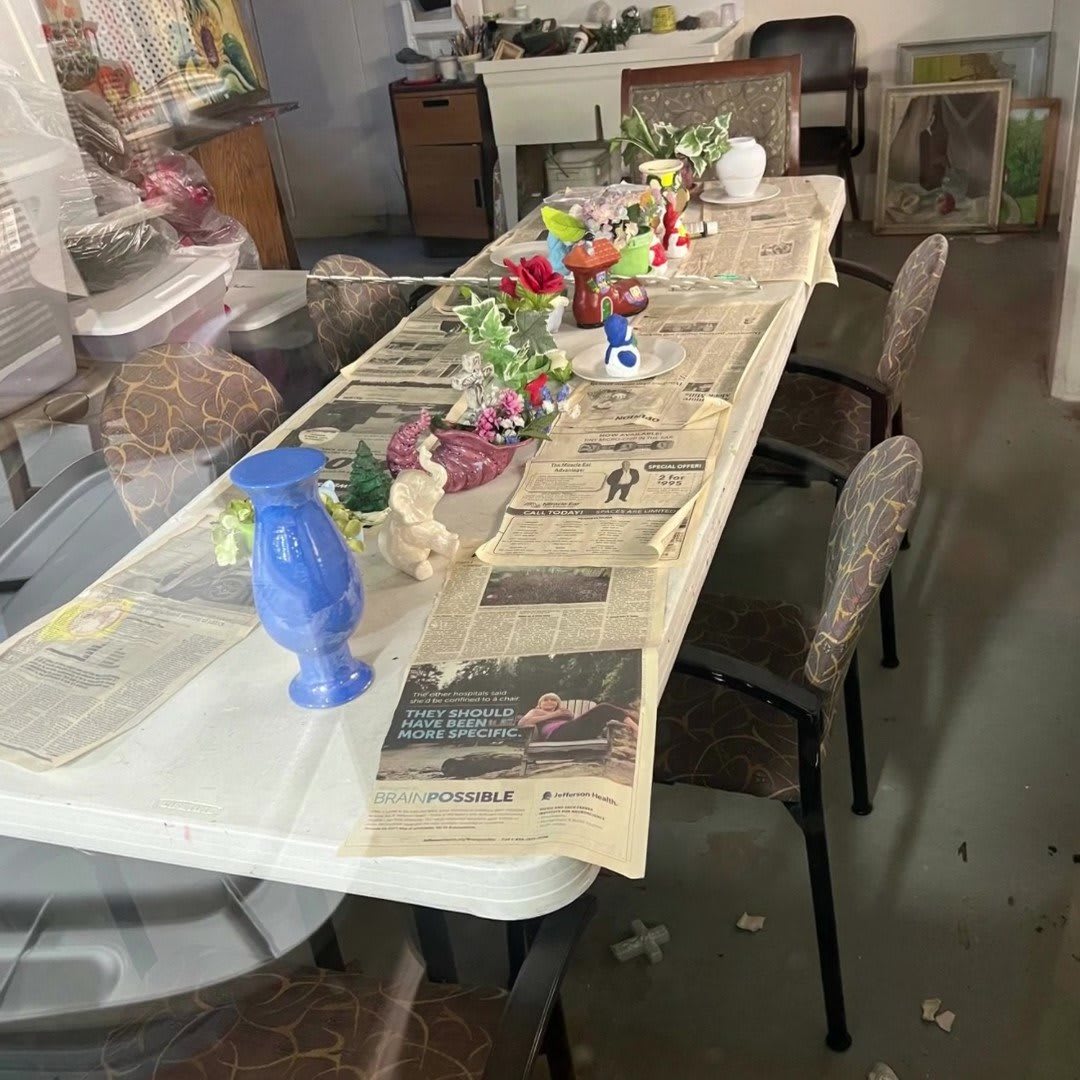
    A dining table set with newspapers, vases, and flowers indoors.
  • Outdoor

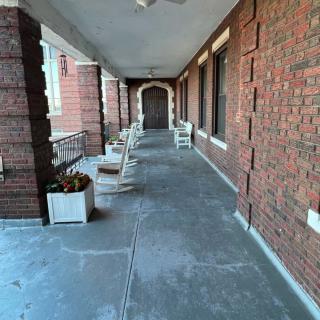
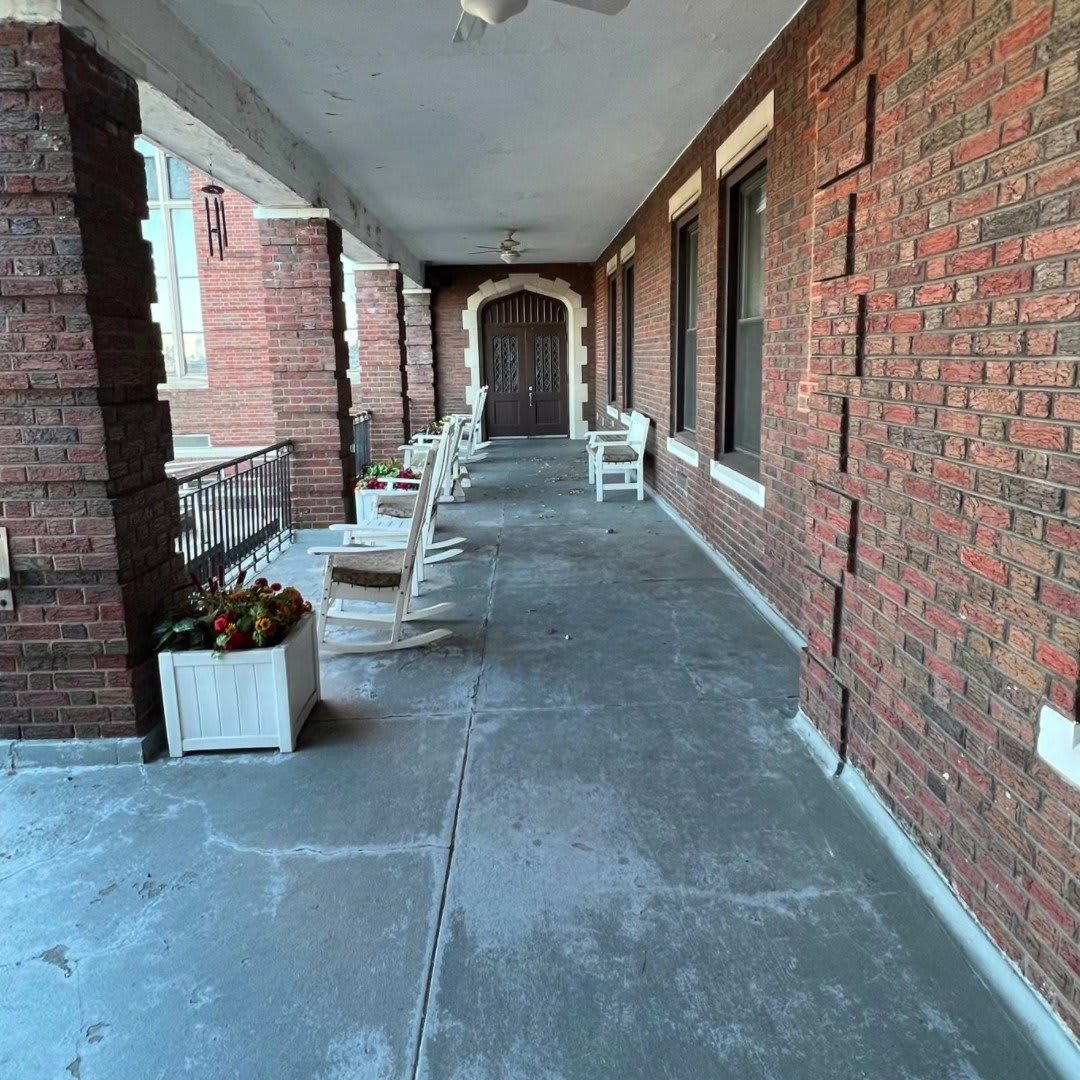
    A long corridor with brick walls and chairs lined up alongside the windows.
  • Bathroom

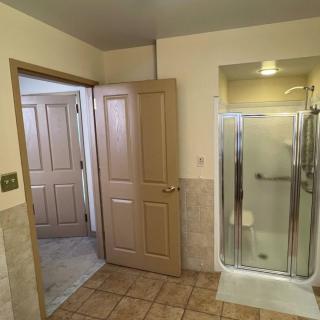
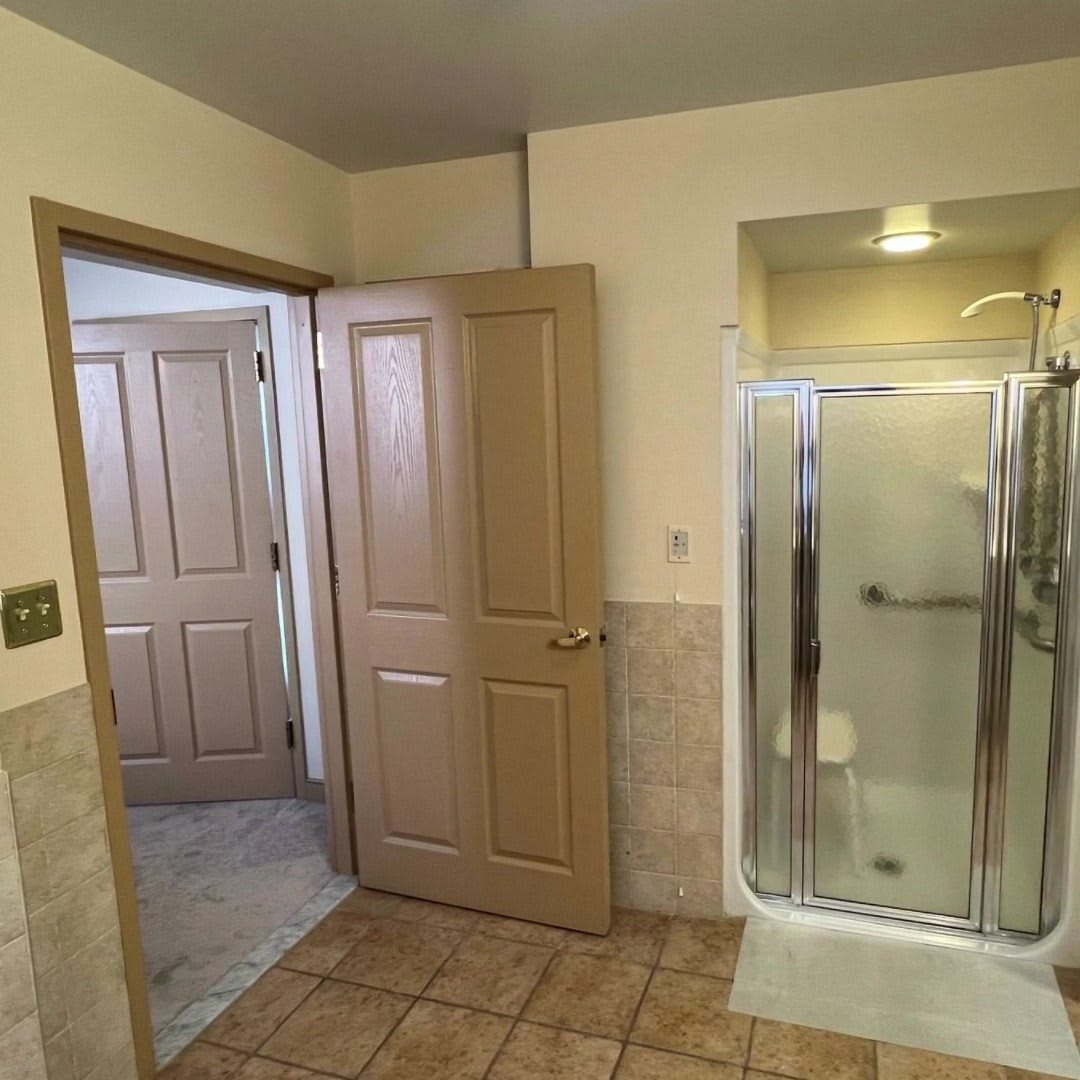
    A spacious bathroom featuring a shower, tiled floor, and two wooden doors.
  • Flag

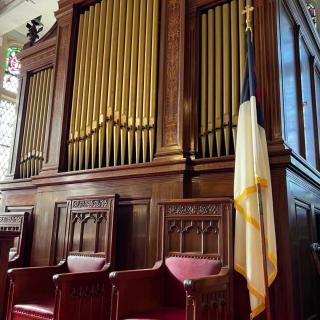
    A church interior featuring a large organ with wooden panels and adjacent pews, accompanied by a flag.
  • Brick

    A historic brick building with multiple windows against a blue sky.
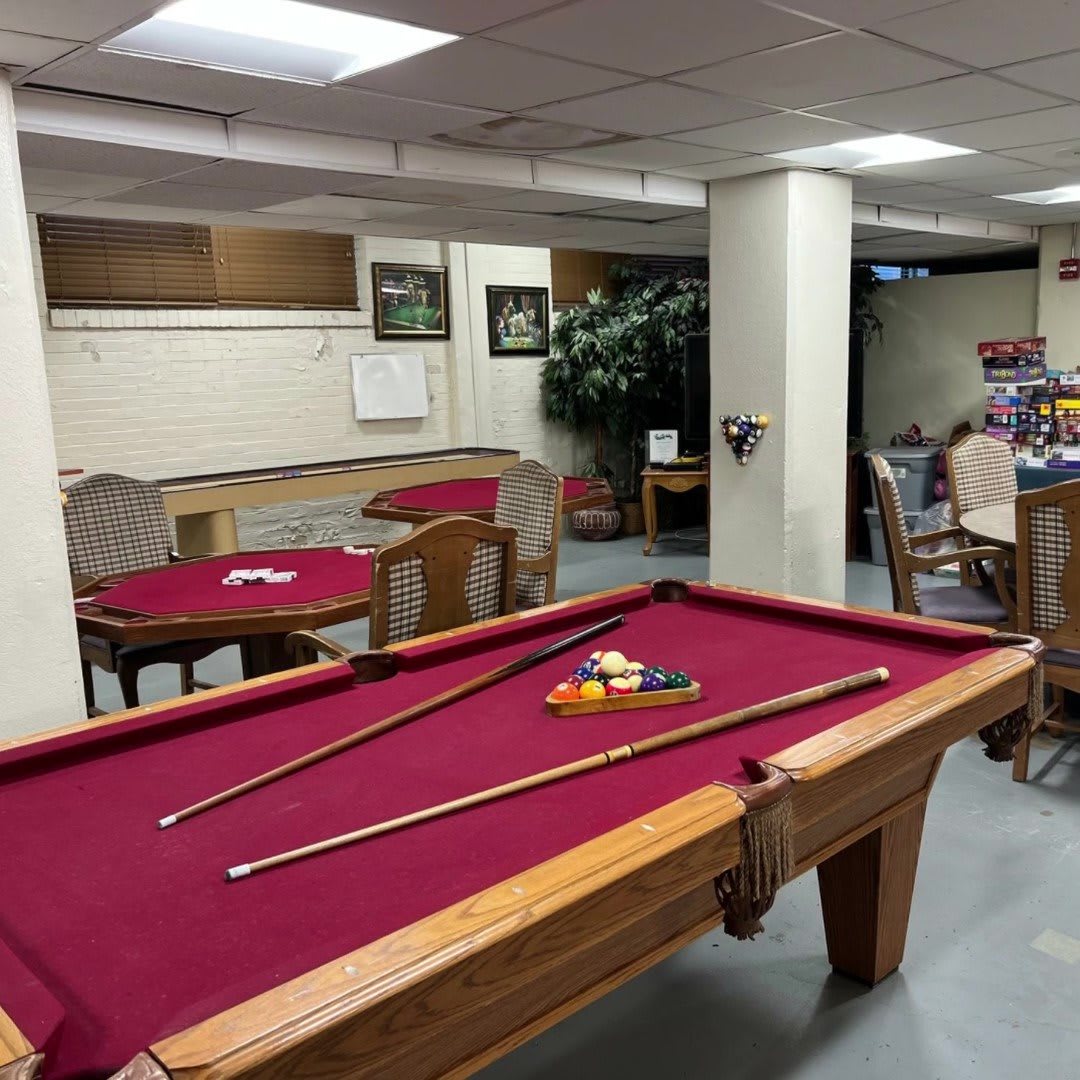
  • Game Room

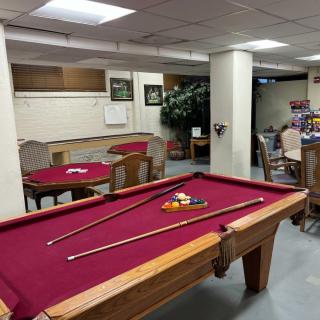
    A cozy game room with a red felt pool table and seating area.

Deer Meadows Retirement Community in Philadelphia, PA

8301 Roosevelt Boulevard, Philadelphia, PA 19152

For more information about senior living options: (844) 490-3973

4 from 67 reviews
5 stars
37
4 stars
12
3 stars
6
2 stars
3
1 stars
9

Assisted Living Continuing Care Retirement Community (CCRC) Independent Living Memory Care Respite Care

Deer Meadows Retirement Community Costs & Pricing

Deer Meadows Retirement Community offers competitive pricing for its residents, with costs that reflect both the local market in Philadelphia County and broader trends across Pennsylvania. For instance, a studio apartment at Deer Meadows is priced at $2,920 per month, which is slightly above the county average of $2,752 but considerably lower than the state average of $3,737. Similarly, their one-bedroom units are available for $2,950, again positioning them competitively against Philadelphia's average of $2,848 while still being more affordable than the state's higher figure of $4,006. The two-bedroom option stands out at $4,150; this price is higher than both Philadelphia County's average of $3,874 and slightly less than Pennsylvania's statewide average of $4,242. Overall, Deer Meadows provides a range of living options that cater to various budgetary needs without sacrificing quality or comfort.

Floor plansDeer Meadows Retirement CommunityPhiladelphia CountyPennsylvania
Studio$2,920$2,752$3,737
1 Bedroom$2,950$2,848$4,006
2 Bedrooms$4,150$3,874$4,242

What level of care are you interested in?

Assisted Living

Memory Care

Independent Living

Skilled Nursing Facility

Continuing Care Retirement Community (CCRC)CCRC

Other


Request a tour at Deer Meadows Retirement Community

    Overall Review of Deer Meadows Retirement Community

    Pros

    • pro The staff at Deer Meadows Retirement Community are caring and friendly.
    • pro The rehabilitation team provides frequent therapy and effective pain management to help residents walk again.
    • pro The menu offers variety and accommodating substitutions for different proteins.
    • pro The assisted living apartments are lovely, and the staff are accommodating and friendly.
    • pro Dining in the community dining room is a social and nice option.
    • pro Deer Meadows is reasonably priced and genuinely cares about its residents.
    • pro Staff communicate clearly and proactively with families.
    • pro The facility is clean and well maintained, with bright, comfortable rooms.
    • pro The community feels like family, and the staff go above and beyond for residents.
    • pro The rehab and skilled nursing services are highly recommended for recovery and care.

    Cons

    • pro The facility has been unable to keep enough staff to take care of residents.
    • pro The staff are short-staffed, causing delays in care and insufficient attention to bedbound patients.
    • pro The menu lacks variety and diabetes-appropriate options, and the overall quality of the food is poor.
    • pro Several reviewers would not recommend the facility, feeling decisions are not made in residents' best interests.
    • pro Maintenance is slow, with repairs to rooms and replacing items like TV remotes taking too long.
    • pro The rooms and areas are not consistently clean, and items can be lost or stolen from residents' rooms.
    • pro Some staff members are rude, and communication is poor, including language barriers.
    • pro Weekend staff are reportedly inattentive, making residents feel like inmates and delaying medications.
    • pro There are accusations of deceptive practices and contract issues related to funds and services.
    • pro There are safety concerns, such as delays in calling 911 or medication-related problems.

    Review

    Deer Meadows Retirement Community in Philadelphia is best suited for families seeking a warm, people-centered environment where genuine care, solid rehabilitation services, and social programming meet a budget-friendly price. The community tends to excel for residents who need post-acute rehabilitation or assisted living with ongoing activity options, accessible dining, and a staff that can feel like a steady, reassuring presence. It is less ideal for those demanding exceptionally consistent staffing every hour, highly specialized memory-care oversight, or a modernized facility with every room outfitted to luxury standards. In short, this is a practical, value-focused choice for families prioritizing care culture and rehab potential over showroom polish or rigid medical expectations.

    Alternatives become appealing for several reasons. Families with loved ones who require highly predictable weekend staffing, tightly regulated medical protocols, or advanced behavioral health management may want to compare options with stronger 24/7 coverage and clearer care plans. Those who place a premium on ultramodern interiors, larger rooms, or a facility that feels consistently new may find Deer Meadows dated in places and worth a longer look elsewhere. The reviews also flag concerns about billing practices and administrative responsiveness, suggesting that any family considering long-term residency should scrutinize contracts and ensure alignment on costs, services, and refunds before committing.

    The strongest positive drivers are the people and the rehabilitation framework. The staff - nurses, aides, and therapists - are repeatedly described as caring, friendly, and capable, with substantial praise for the rehabilitation team that helps residents regain walking ability and function. The dining and activity calendar are cited as meaningful, with menu flexibility and social opportunities that include bus trips, bingo, outings, and even in-house amenities that feel homey. Cleanliness and safety are consistently highlighted, and when the environment clicks, families report real peace of mind that a loved one is being treated with attention and respect. Those elements create a solid foundation for confidence, especially during short stays or transition to assisted living.

    Yet the downsides cannot be ignored, and they do temper the overall impression. Staffing shortages - especially on weekends - can translate into slower responses, longer call-bell waits, and gaps in routine tasks like room maintenance or timely showers. Communication gaps emerge in some reviews, leaving families uncertain about care plans or upcoming changes. Dietary variety and consistency are occasionally flagged, with some residents discontented by menu options or temperatures, and there are multiple reports of administrative friction, billing disputes, and refunds due. The facility's older footprint - small rooms in some layouts and limited immediate accommodations for memory care - may also weigh on families seeking a more modern or specialized environment.

    When considering how the positives offset the negatives, a clear pattern emerges. For short-term rehab or post-hospital recovery, Deer Meadows often delivers strong outcomes through a capable therapy team and attentive nursing care, which can more than compensate for occasional service gaps. The social fabric - group activities, transport to engagements, and a dining room that supports interaction - adds significant quality-of-life value that is hard to match at similarly priced peers. Still, the reality of inconsistent staffing and administrative friction can erode trust if not actively managed; families operating with limited time or distance may experience frustration if issues persist without timely resolutions. In essence, the care quality is reliable where staff are engaged, but consistency across shifts and departments remains a critical variable.

    For families evaluating Deer Meadows, a practical, disciplined due-diligence approach is essential. Schedule thorough tours focusing on rehabilitation availability, staffing patterns across weekends, and the process for escalating concerns. Request to meet the therapy director and review a sample care plan for a loved one with diabetes or other special dietary needs, and taste-test menu options to gauge variety and temperature. Verify which services are included in the base rate versus add-ons, and obtain a written outline of the billing cycle and refund policies to avoid future surprises. Finally, probe the memory-care environment if memory-related needs exist, ensuring secure access, staff training, and a clear plan for transitioning if the level of care intensifies.

    Ultimately, Deer Meadows offers a dependable, compassionate environment with robust rehab capabilities and a community-oriented atmosphere that many families value highly. It is a strong fit for seniors who prioritize care culture, meaningful activities, and affordability, particularly when the goal centers on recovery and sustained social engagement. For families needing unwavering weekend coverage, highly specialized memory-care oversight, or a modernized facility experience, other options may deliver greater predictability and comfort. The right choice will hinge on aligning the resident's care trajectory, the family's tolerance for staffing variability, and the importance placed on routine, communication, and value.

    Features

    Housing

    • 206 resident community capacity 206 resident community capacity
    • 1-bedroom apartments 1-bedroom apartments1-bedroom apartments are important for seniors because they provide a sense of independence, privacy, and autonomy while still offering the necessary space for comfortable living. These apartments allow seniors to maintain their own personal space and lifestyle preferences in a supportive community setting.
    • 2-bedroom apartments 2-bedroom apartments2-bedroom apartments are important for seniors because they provide extra space for guests, hobbies, and caregivers, as well as potential for additional income through roommates or rental.
    • Studio apartments Studio apartmentsStudio apartments are important for seniors because they offer a smaller, more manageable living space that is easier to navigate and maintain as physical abilities decline. Additionally, studio apartments provide seniors with independence and privacy while still being part of a community that offers support and social opportunities.

    Types of Care

    • Assisted Living Assisted LivingAssisted living facilities provide crucial support and care for seniors who may need help with daily tasks such as medication management, bathing, and meal preparation. These communities offer a safe and comfortable environment where seniors can maintain their independence while receiving the assistance they need to thrive in their golden years.
    • Continuing Care Retirement Community (CCRC) Continuing Care Retirement Community (CCRC)Continuing Care Retirement Communities (CCRCs) are important for seniors because they provide a range of housing options and care services all in one location. This allows seniors to age in place and receive the level of care they need as their health changes, without having to move to a new facility. CCRCs provide a sense of security and peace of mind for seniors and their families, knowing that they will be taken care of no matter what the future holds.
    • Independent Living Independent LivingIndependent living communities are important for seniors because they offer a safe and supportive environment where older adults can live independently while still having access to amenities and services that enhance their quality of life. These communities provide social opportunities, recreational activities, and assistance with daily tasks, promoting overall well-being and allowing seniors to maintain their independence for as long as possible.
    • Memory Care Memory CareMemory care is crucial for seniors as it provides specialized support and services for individuals with dementia or Alzheimer's disease. These programs offer a safe and secure environment where residents receive personalized care, cognitive stimulation, and help with daily activities. Memory care helps seniors maintain their independence, quality of life, and dignity while also providing peace of mind for their families.
    • Respite Care Respite CareRespite care provides temporary relief for caregivers, allowing them to recharge and attend to their own needs. It also gives seniors the opportunity to socialize, receive professional care, and experience a change of scenery, promoting overall well-being and reducing feelings of isolation.

    Pets

    • Cats allowed Cats allowed"Pet friendly" senior living communities are important for seniors because pets provide companionship, reduce feelings of loneliness and depression, promote physical activity and mental stimulation, and offer a sense of purpose and responsibility. Pets can improve overall well-being and quality of life for seniors in many ways.
    • Dogs allowed Dogs allowed"Pet friendly" senior living communities are important for seniors because pets provide companionship, reduce feelings of loneliness and depression, promote physical activity and mental stimulation, and offer a sense of purpose and responsibility. Pets can improve overall well-being and quality of life for seniors in many ways.

    Amenities

    • Activities off-site Activities off-siteEngaging in off-site activities is crucial for seniors to maintain social connections, stay active, and stimulate their minds. It promotes overall well-being and helps combat feelings of isolation and loneliness.
    • Activities on-site Activities on-siteActivities on-site are important for seniors because they provide opportunities for socialization, mental stimulation, physical activity, and overall well-being. Engaging in activities can help seniors stay active, maintain their independence, and improve their quality of life.
    • Air-conditioning Air-conditioningAir conditioning is important for seniors as they are more vulnerable to heat-related illnesses and may have underlying health conditions that make it difficult for them to regulate their body temperature. It helps to keep them comfortable, safe, and healthy in hot weather.
    • Bath tubs Bath tubsBath tubs are important for seniors because they provide a safe and relaxing way to bathe, helping to prevent slips and falls while promoting independence and overall well-being.
    • Beautician on-site Beautician on-siteHaving a beautician on-site at a senior living community is important for seniors as it allows them to easily access grooming and personal care services, boosting their self-esteem and overall well-being. It also provides convenience and helps seniors maintain their sense of independence and personal style.
    • Beauty salon Beauty salonBeauty salons are important for seniors because they provide a space for them to feel pampered, socialize, and maintain their personal grooming and hygiene. Regular visits to a beauty salon can help boost seniors' self-esteem and overall well-being.
    • Cable or satellite TV Cable or satellite TVCable or satellite TV is important for seniors because it provides entertainment, news, and companionship, helping to combat loneliness and boredom. It also offers a wide range of programming options tailored to different interests and preferences.
    • Computer center Computer centerA computer center is essential for seniors as it provides access to technology, communication tools, and resources that can enhance their daily lives. It allows them to stay connected with loved ones, engage in online activities, and learn new skills, ultimately promoting socialization and mental stimulation.
    • Devotional services on-site Devotional services on-siteDevotional services on-site provide seniors with spiritual support and a sense of community, as well as an opportunity for reflection and guidance during their senior living experience. This can promote emotional well-being and connection to others, leading to a more fulfilling and enriching lifestyle in their later years.
    • Fitness room Fitness roomHaving a fitness room in a senior living community is essential for seniors to stay active, maintain their physical health, and improve their overall well-being. Regular exercise can help prevent falls, reduce the risk of chronic diseases, and promote mental sharpness. It also provides social opportunities for residents to connect with others and enjoy a sense of community.
    • Fully furnished Fully furnishedFully furnished senior living communities are important for seniors because they provide convenience, comfort, and a hassle-free moving experience. Seniors can easily settle into their new living space without the stress of having to buy and move furniture. This allows them to focus on enjoying their new home and community.
    • Gaming room Gaming roomGaming rooms are important for seniors as they provide a fun and engaging environment for socializing, cognitive stimulation, and physical activity. Games can improve memory, problem-solving skills, and overall mental well-being while fostering friendships and reducing feelings of isolation.
    • Garden GardenGardens are important for seniors as they provide a peaceful and therapeutic environment for relaxation, physical activity, and socialization. Being in nature has been shown to reduce stress, improve mood, and promote overall well-being. Gardens also offer opportunities for seniors to engage in gardening activities, which can improve mobility, flexibility, and cognitive function. Additionally, gardens create a sense of community and connection with others who share a passion for plants and outdoor spaces.
    • Housekeeping services Housekeeping servicesHousekeeping services are important for seniors because they help maintain a clean and safe living environment, promote independence, and reduce the risk of accidents or illnesses. Additionally, having assistance with household chores can alleviate physical strain and allow seniors to focus on other aspects of their well-being.
    • Indoor common areas Indoor common areasIndoor common areas are crucial for seniors as they provide a space for socialization, recreation, and community engagement, promoting overall well-being and reducing feelings of isolation and loneliness.
    • Kitchenette KitchenetteKitchenettes are important for seniors living in senior living communities because they provide the convenience and independence of being able to prepare simple meals and snacks in the comfort of their own living space. This can help promote a sense of autonomy and well-being for seniors, allowing them to maintain some level of control over their dietary choices and daily routines.
    • Move-in coordination Move-in coordinationMove-in coordination is important for seniors because it helps ease the transition into their new living environment. It ensures that all logistics, such as packing, organizing movers, and setting up utilities are taken care of, allowing seniors to focus on settling in and adjusting to their new home. Having a smooth move-in process can alleviate stress and anxiety, making the transition smoother and more enjoyable for seniors.
    • Outdoor common areas Outdoor common areasOutdoor common areas are important for seniors as they provide a space for socialization, physical activity, and relaxation. Being outside in nature can improve mood and overall well-being, while also encouraging movement and engagement with others. These spaces can help combat feelings of isolation and promote a sense of community among residents.
    • Outdoor space Outdoor spaceOutdoor spaces are important for seniors as they provide opportunities for physical activity, social interaction, exposure to natural light and fresh air, and a sense of connection to nature. Having access to outdoor spaces can improve overall well-being and quality of life for older adults living in senior communities.
    • Private bathrooms Private bathroomsPrivate bathrooms are important for seniors in senior living communities because they provide independence, dignity, and comfort. Having a private bathroom allows seniors to maintain their personal hygiene routines without the need for assistance, promoting a sense of autonomy and privacy. Additionally, private bathrooms help prevent the spread of infections and provide a safe and clean environment for seniors to navigate safely.
    • Respite or short term stays offered Respite or short term stays offeredRespite or short term stays provide seniors with a temporary solution when their regular caregiver is unavailable, offering them the opportunity to receive additional care and support during times of need, while also giving caregivers a chance to rest and recharge.
    • Restaurant-style dining Restaurant-style diningRestaurant-style dining is important for seniors because it allows them to enjoy delicious, nutritious meals in a social and upscale setting. This enhances their dining experience, promotes healthy eating habits, and fosters socialization with fellow residents, ultimately contributing to their overall well-being and quality of life.
    • Small library Small librarySmall libraries are important for seniors as they provide access to a variety of reading materials, including books, newspapers, and magazines. This can help stimulate their minds, keep them engaged, and provide a sense of community through book clubs and other social activities. Additionally, reading has been shown to improve cognitive function and overall mental well-being in older adults.
    • Swimming pool / hot tub Swimming pool / hot tubSwimming pools and hot tubs are important for seniors as they provide a safe and enjoyable way to stay active, improve mobility, reduce joint pain, and promote relaxation. Regular use of these amenities can contribute to overall well-being and quality of life for older adults living in senior communities.
    • Telephone TelephoneTelephones are important for seniors as they provide a lifeline for communication with loved ones, emergency services, and healthcare providers. They offer a sense of security and independence, enabling seniors to stay connected and access assistance when needed.
    • Wellness center Wellness centerWellness centers are important for seniors because they offer a variety of programs and services that promote physical, mental, and emotional well-being. These centers provide opportunities for exercise, socialization, education, and relaxation, helping seniors maintain their overall health and quality of life.
    • Wheelchair accessible showers Wheelchair accessible showersWheelchair accessible showers are crucial for seniors as they provide a safe and independent bathing option for those with mobility challenges. These showers help prevent falls and allow seniors to maintain their dignity and autonomy while ensuring they can bathe comfortably.
    • Wi-Fi/high-speed internet available Wi-Fi/high-speed internet availableWi-Fi/high-speed internet is important for seniors to stay connected with loved ones, access online resources, and participate in virtual activities to combat feelings of loneliness and isolation. It also allows them to easily manage healthcare needs, access entertainment, and engage in lifelong learning opportunities.

    Transportation

    • Philadelphia International (17 miles away) Philadelphia International (17 miles away)
    • Trenton-Mercer County (19 miles away) Trenton-Mercer County (19 miles away)
    • Community operated transportation Community operated transportationCommunity operated transportation is crucial for seniors as it provides them with the means to access essential services, social activities, and medical appointments. It allows seniors to maintain their independence and quality of life by ensuring they can participate in activities outside of their homes. Additionally, community-operated transportation services offer a safe and reliable way for seniors to travel without having to rely on family or friends for assistance.
    • Transportation arrangement Transportation arrangementTransportation arrangements are crucial for seniors as they may face challenges with driving, mobility, or access to public transportation. Having reliable transportation services ensures that seniors can easily attend appointments, social activities, and maintain their independence and quality of life.
    • Transportation arrangement (non-medical) Transportation arrangement (non-medical)Transportation arrangements are essential for seniors as they provide access to essential services, activities, and social interactions outside the home. This service helps maintain independence, mobility, and overall well-being for seniors who may have limited transportation options.

    Care Services

    • 24-hour call system 24-hour call system24-hour call systems are important for seniors because they provide peace of mind and immediate assistance in case of emergencies. This technology ensures that help is always available, promoting safety and security for elderly individuals living alone or in assisted living facilities.
    • 24-hour supervision 24-hour supervision24-hour supervision is important for seniors to ensure their safety, well-being, and access to immediate assistance in case of emergencies or health issues. This constant support provides peace of mind for both seniors and their loved ones, allowing them to age in place with dignity and security.
    • Activities of daily living assistance Activities of daily living assistanceActivities of daily living assistance are important for seniors because they provide essential support with tasks such as eating, bathing, dressing, and mobility. This assistance helps seniors maintain their independence, dignity, and overall quality of life as they age.
    • Ambulatory care Ambulatory care"Ambulatory care services provide essential medical support and treatment to seniors without requiring hospitalization, allowing them to maintain their independence and quality of life while managing chronic conditions or receiving routine medical care."
    • Assistance with bathing Assistance with bathingAssistance with bathing is crucial for seniors as it helps maintain personal hygiene, prevents infections, and ensures their overall well-being and comfort. It also provides a sense of dignity and independence for seniors who may struggle with this task on their own.
    • Assistance with dressing Assistance with dressingAssistance with dressing is important for seniors because it helps maintain their independence, promotes personal hygiene, prevents accidents and injuries, and improves overall quality of life. This service ensures that seniors can continue to dress comfortably and confidently, despite any physical limitations they may have.
    • Assistance with transfers Assistance with transfersAssistance with transfers is crucial for seniors as it helps prevent falls and injuries, maintains their independence, and ensures they can safely navigate their living environment. It also provides peace of mind for both seniors and their loved ones.
    • Diabetes diet Diabetes dietA diabetes diet is crucial for seniors as it helps manage blood sugar levels, reduce risks of complications, and improve overall health and well-being. By following a balanced and nutritious diet tailored to their specific needs, seniors can better control their diabetes and enhance their quality of life.
    • Diabetic care Diabetic careDiabetic care is crucial for seniors as they are more susceptible to developing diabetes due to aging and other health conditions. Proper management of diabetes can help prevent complications such as heart disease, vision loss, and nerve damage, improving the overall quality of life for seniors in senior living communities.
    • Incontinence care Incontinence careIncontinence care is essential for seniors to maintain their dignity, hygiene, and overall quality of life. By addressing incontinence issues promptly and effectively, seniors can enjoy a sense of independence and comfort in their daily activities.
    • Meal preparation and service Meal preparation and serviceMeal preparation and service are crucial for seniors as they may have limited mobility or energy to cook nutritious meals. Having access to healthy and convenient food options can ensure they are getting the proper nutrition needed to maintain their overall health and well-being.
    • Medication management Medication managementMedication management is crucial for seniors to ensure they are taking the right medications at the correct dosages and times. This helps prevent adverse drug interactions, reduces the risk of medication errors, and promotes overall health and well-being. Proactive management also allows for adjustments as needed based on changing health conditions or new prescriptions.
    • Special dietary restrictions Special dietary restrictionsSpecial dietary restrictions are important for seniors because age-related changes in metabolism and health conditions can make it difficult for their bodies to process certain foods. By following a diet tailored to their specific needs, seniors can maintain their overall health and well-being, manage chronic conditions, and reduce the risk of complications such as malnutrition or food interactions with medications.

    Dining

    • Diabetes diet Diabetes dietA diabetes diet is crucial for seniors as it helps manage blood sugar levels, reduce risks of complications, and improve overall health and well-being. By following a balanced and nutritious diet tailored to their specific needs, seniors can better control their diabetes and enhance their quality of life.
    • Kosher KosherKosher options are important for seniors because they adhere to dietary laws that are significant to many Jewish individuals, providing them with peace of mind and an opportunity to maintain their cultural traditions and beliefs while living in a senior living community.
    • Meals provided Meals provided"Meals provided" are crucial for seniors in assisted living communities as it ensures they have access to nutritious, balanced meals without the stress of meal planning and preparation. This can help promote overall health and well-being for seniors who may have limited mobility or cognitive abilities.
    • Special dietary restrictions Special dietary restrictionsSpecial dietary restrictions are important for seniors because age-related changes in metabolism and health conditions can make it difficult for their bodies to process certain foods. By following a diet tailored to their specific needs, seniors can maintain their overall health and well-being, manage chronic conditions, and reduce the risk of complications such as malnutrition or food interactions with medications.
    • Vegetarian VegetarianA vegetarian diet is important for seniors because it can help lower the risk of chronic diseases, maintain a healthy weight, and provide essential nutrients needed for aging bodies. Additionally, plant-based diets are often easier on digestive systems and can contribute to overall well-being in older adults.

    Activities

    • Activities off-site Activities off-siteEngaging in off-site activities is crucial for seniors to maintain social connections, stay active, and stimulate their minds. It promotes overall well-being and helps combat feelings of isolation and loneliness.
    • Activities on-site Activities on-siteActivities on-site are important for seniors because they provide opportunities for socialization, mental stimulation, physical activity, and overall well-being. Engaging in activities can help seniors stay active, maintain their independence, and improve their quality of life.
    • Community-sponsored activities Community-sponsored activitiesCommunity-sponsored activities are important for seniors as they provide opportunities for social interaction, mental stimulation, and physical activity. These activities can help improve overall well-being, combat loneliness and isolation, and promote a sense of belonging and purpose among older adults.
    • Concierge services Concierge servicesConcierge services are essential for seniors as they provide assistance with daily tasks and errands, enhance their quality of life by offering convenience and personalized care, and promote a sense of safety and security.
    • Devotional activities on-site Devotional activities on-siteDevotional activities on-site provide seniors with a sense of community, spiritual fulfillment, and emotional support, promoting overall well-being and a positive sense of purpose in their lives.
    • Fitness programs Fitness programsFitness programs are crucial for seniors as they help improve strength, flexibility, balance, and overall well-being. Staying active can reduce the risk of chronic diseases, improve mental health, and enhance quality of life in older adults.
    • Planned day trips Planned day tripsPlanned day trips are important for seniors because they offer opportunities for socialization, mental stimulation, and physical activity. They provide a change of scenery and help seniors stay engaged and connected to their community, promoting overall well-being and quality of life.
    • Resident-run activities Resident-run activitiesResident-run activities are important for seniors as they encourage social interaction, creativity, and a sense of autonomy. These activities empower seniors to stay engaged and active in their community while fostering meaningful connections with their peers.
    • Scheduled daily activities Scheduled daily activitiesScheduled daily activities are important for seniors because they provide structure, socialization, mental stimulation, and physical activity. Engaging in regular activities can improve overall well-being and quality of life for seniors living in a community setting.

    Description

    Deer Meadows Retirement Community in Philadelphia, PA is a vibrant and inclusive assisted living community that offers a range of housing options and care services. With 2-bedroom apartments and studio apartments available, residents can choose the living arrangement that best suits their needs and preferences.

    The community provides various types of care, including Continuing Care Retirement Community (CCRC), Independent Living, Memory Care, and Respite Care. This means that individuals can receive the level of assistance they require while enjoying a fulfilling and independent lifestyle.

    At Deer Meadows Retirement Community, residents benefit from an extensive list of amenities to enhance their quality of life. From activities on-site and fully furnished accommodation to restaurant-style dining and private bathrooms, every aspect of daily living is catered for. The community also offers a wide range of conveniences such as air-conditioning, cable or satellite TV, housekeeping services, Wi-Fi/high-speed internet access, and transportation arrangements for both medical and non-medical purposes.

    Care services at Deer Meadows Retirement Community are comprehensive and personalized to meet each individual's needs. With 24-hour supervision available, residents can feel secure knowing that assistance is always accessible. The dedicated staff provides support with activities of daily living such as bathing, dressing, transfers, meal preparation and service, medication management, diabetic care, incontinence care, and specialized dietary requirements.

    Residents also have an abundance of opportunities for social engagement through various activities organized on-site by the community or offered by local establishments nearby. These include fitness programs, planned day trips to explore the surrounding areas or enjoy nearby parks, resident-run activities like gaming room sessions or small library visits, as well as devotional services for spiritual enrichment.

    The location of Deer Meadows Retirement Community further adds to its appeal. With cafes, parks pharmacies physicians' offices restaurants ,and hospitals located nearby, a thriving neighborhood awaits residents who wish to explore beyond the community's boundaries.

    In summary,Dear Meadows Retirement Community is a top-notch assisted living community that offers a range of housing options, personalized care services, and an array of amenities to ensure a comfortable and fulfilling lifestyle for its residents.

    Videos

    Nearby Places of Interest

    This part of Philadelphia, Pennsylvania offers a convenient and diverse range of amenities for senior living. With several pharmacies such as Rite Aid and CVS nearby, access to healthcare and medication is readily available. There are also various dining options including familiar chains like McDonald's and Chick-Fil-A, as well as local favorites like Point After and Texas Chicken & Burgers. Parks like Champion Park Playground provide opportunities for outdoor recreation, while hospitals such as Fox Chase Cancer Center and Aria Health ensure quality medical care. Additionally, cafes like Starbucks offer cozy spots for socializing or relaxation. Transportation options like SEPTA stations make it easy to travel around the city, while theaters like AMC Neshaminy 24 provide entertainment options for leisure activities. Overall, this neighborhood provides a balanced mix of amenities that cater to the needs and interests of seniors looking for a comfortable and vibrant community to reside in.

    Pharmacies

    • Rite Aid (0.8 miles)
    • Rite Aid (0.9 miles)
    • Url Pharma (1.6 miles)
    • CVS Pharmacy (2 miles)
    • CVS Pharmacy (2.2 miles)
    • Rite Aid (2.2 miles)
    • Walgreens (3.2 miles)

    Restaurants

    • McDonald's (1.9 miles)
    • Chick-Fil-A (3.8 miles)
    • Point After (4.3 miles)
    • Taco Bell (4.4 miles)
    • Texas Chicken & Burgers (4.8 miles)
    • McDonald's (5.6 miles)
    • Chick-Fil-A (5.8 miles)

    Parks

    • Champion Park Playground (1.9 miles)
    • Womrath Park (4.5 miles)
    • Palmer Park Farmers Market (7.6 miles)
    • Palmer Doggie Depot (7.6 miles)
    • Piazza Dog Park (8.3 miles)
    • Race Street Pier (9.1 miles)
    • Franklin Square (9.3 miles)

    Hospitals

    • Fox Chase Cancer Center (2.7 miles)
    • Jefferson Torresdale Hospital (3.2 miles)
    • Aria Health (3.6 miles)
    • Holy Redeemer Hospital (4 miles)
    • Albert Einstein Employee Health Center (5.6 miles)
    • Abington Hospital, Widener Building (5.8 miles)
    • St Christopher's Hospital for Children (5.8 miles)

    Cafes

    • Starbucks (3.3 miles)
    • ReAnimator Coffee (7.4 miles)
    • La Colombe Coffee Roasters (7.9 miles)
    • Starbucks (8.6 miles)
    • Starbucks (9.3 miles)

    Physicians

    • Frankford Avenue Health Center (4 miles)
    • Simms Hank Md Albert Einstein Medical Center Philadelphia (5.7 miles)
    • Stoltz and Hahn Family Practice (6.3 miles)
    • Dr.'s Eyecare Center (8.3 miles)
    • Cooper University Physicians (8.6 miles)
    • Cooper Hematology/Oncology (8.7 miles)
    • AMS Cardiology (8.8 miles)

    Transportation

    • SEPTA Jenkintown-Wyncote Station (5.5 miles)
    • Septa Wayne Junction Station (6.8 miles)
    • Stenton Station (7.2 miles)

    Theaters

    • AMC Neshaminy 24 (7.2 miles)

    Frequently Asked Questions

    How much does it cost to live at Deer Meadows Retirement Community in Philadelphia, PA?
    What floor plans and room types does Deer Meadows Retirement Community offer?
    Where is Deer Meadows Retirement Community?
    Does Deer Meadows Retirement Community provide care for residents with dementia or Alzheimer's disease?
    Does Deer Meadows Retirement Community allow residents to have pets?
    What photos are available for Deer Meadows Retirement Community in Philadelphia, Pennsylvania?

    Nearby Communities

    • Evangelical Manor

      Evangelical Manor

      Philadelphia, PA

      4.6 from 85 reviews
       

      pro Spacious apartments with a wide range of on-site amenities and engaging activities.
    • Wesley Enhanced Living At Pennypack Park

      Wesley Enhanced Living At Pennypack Park

      Philadelphia, PA

      3.7 from 78 reviews
      $1,496 to $2,441 / month

      pro Friendly, responsive staff; clean, well-maintained environment; engaging activities and accommodating dining.

    • Harmony Place

      Harmony Place

      Philadelphia, PA

      4.1 from 28 reviews
      $3,450 to $5,700 / month

      pro Dedicated staff and a clean, engaging environment with quality dining and activities.

    • Tcu At Nazareth Hospital

      Tcu At Nazareth Hospital

      Phila, PA


      pro Comprehensive care and engagement: 24/7 supervision, medication management, ADL support, plus varied dining and activities.

    • The Pines at Philadelphia

      The Pines at Philadelphia

      Philadelphia, PA

      4.5 from 115 reviews
       

      pro Attentive, compassionate staff and professional rehabilitation in a clean, supportive environment.

    • The Pines At Philadelphia Rehab And Healthcare Center

      The Pines At Philadelphia Rehab And Healthcare Center

      Philadelphia, PA

      4.6 from 100 reviews
      $3,100 / month

      pro Affordable private-room pricing with comprehensive care and mental wellness programs.

    • Golden Slipper Uptown Home

      Golden Slipper Uptown Home

      Philadelphia, PA

      4.5 from 102 reviews
       

      pro Empathetic, timely communication from administration and nursing staff, including facilitating virtual family connections.

    • Lafayette-Redeemer

      Lafayette-Redeemer

      Philadelphia, PA

      3.6 from 65 reviews
       

      pro Clean, home-like atmosphere with friendly staff and solid amenities (library, dining, transportation).

    • The Villages at Pine Valley

      The Villages at Pine Valley

      Philadelphia, PA

      5 from 6 reviews
       

      pro Upgraded, clean rooms with friendly staff and an active social life.

    Related Resources

    • dementia stagesUnderstanding Dementia Through Its Seven Stages: A Comprehensive Look at Progression and Expectations

      Dementia encompasses a range of cognitive impairments characterized by types such as Alzheimer's and vascular dementia, and follows a seven-stage progression model known as the Global Deterioration Scale (GDS), highlighting varying symptoms and decline timelines. Early detection allows for lifestyle adjustments to potentially slow progression, while caregivers need support and resources to manage the challenges involved in caring for affected individuals.

    • how to prevent memory loss in old ageSafeguarding Your Memory Through the Golden Years: Eight Ways to Preserve Cognitive Health

      The article presents eight strategies for preserving cognitive health and memory in older adults, emphasizing a nutrient-rich diet, regular exercise, intellectually stimulating activities, adequate sleep, social connections, stress management techniques, limiting harmful substances, and regular medical checkups to mitigate age-related memory decline.

    • activities of daily livingComprehensive Insights into Activities of Daily Living (ADLs) and Their Assessment
      Activities of Daily Living (ADLs) are fundamental tasks vital for an individual's independence, particularly in older adults over 85, and include functions like bathing and dressing; assessing ADLs alongside Instrumental Activities of Daily Living (IADLs) helps determine the level of required assistance due to age-related health challenges. Tailored support plans, involving family and community resources, are essential for maintaining dignity and autonomy in assisted living environments.


    Get Pricing Ask A Question Schedule A Tour Contact Senior Advisor