Wesley Enhanced Living At Pennypack Park Costs & Pricing
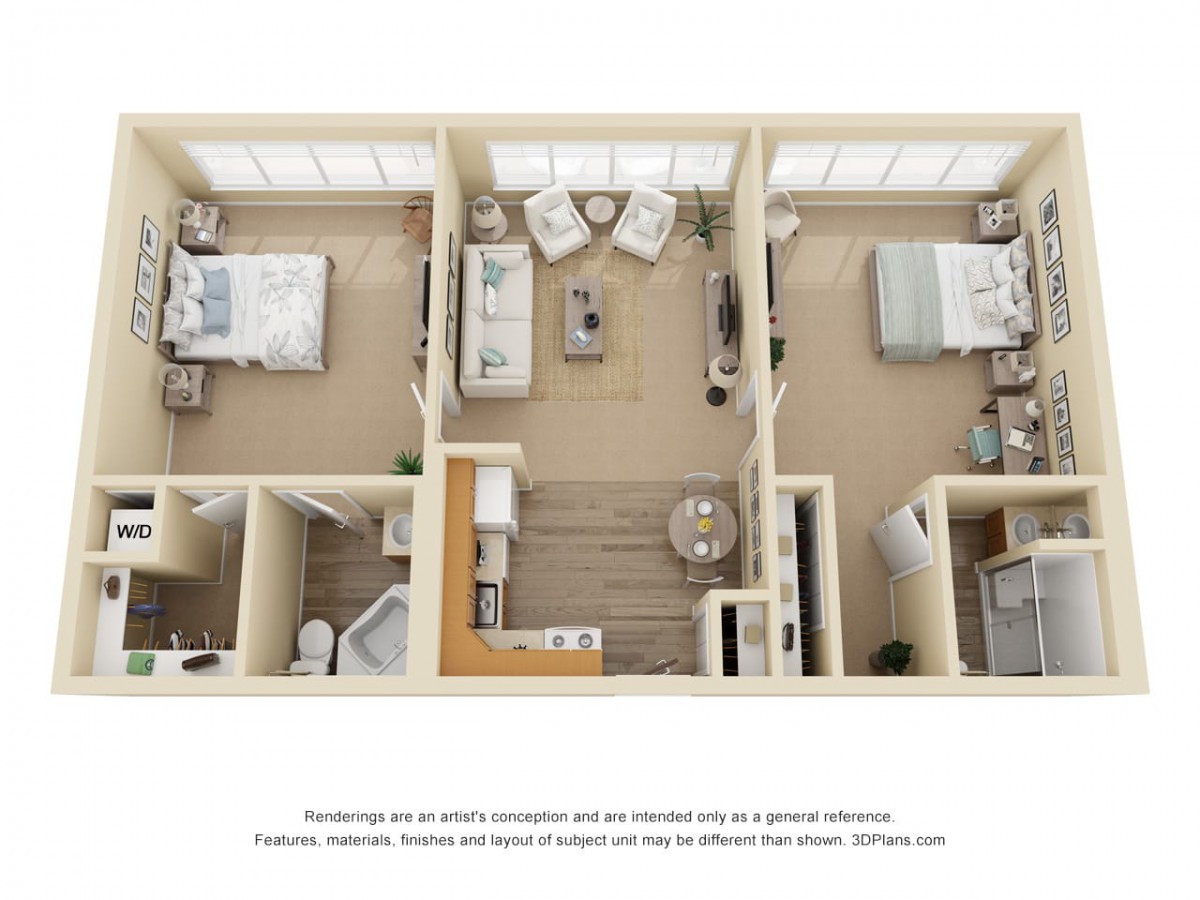
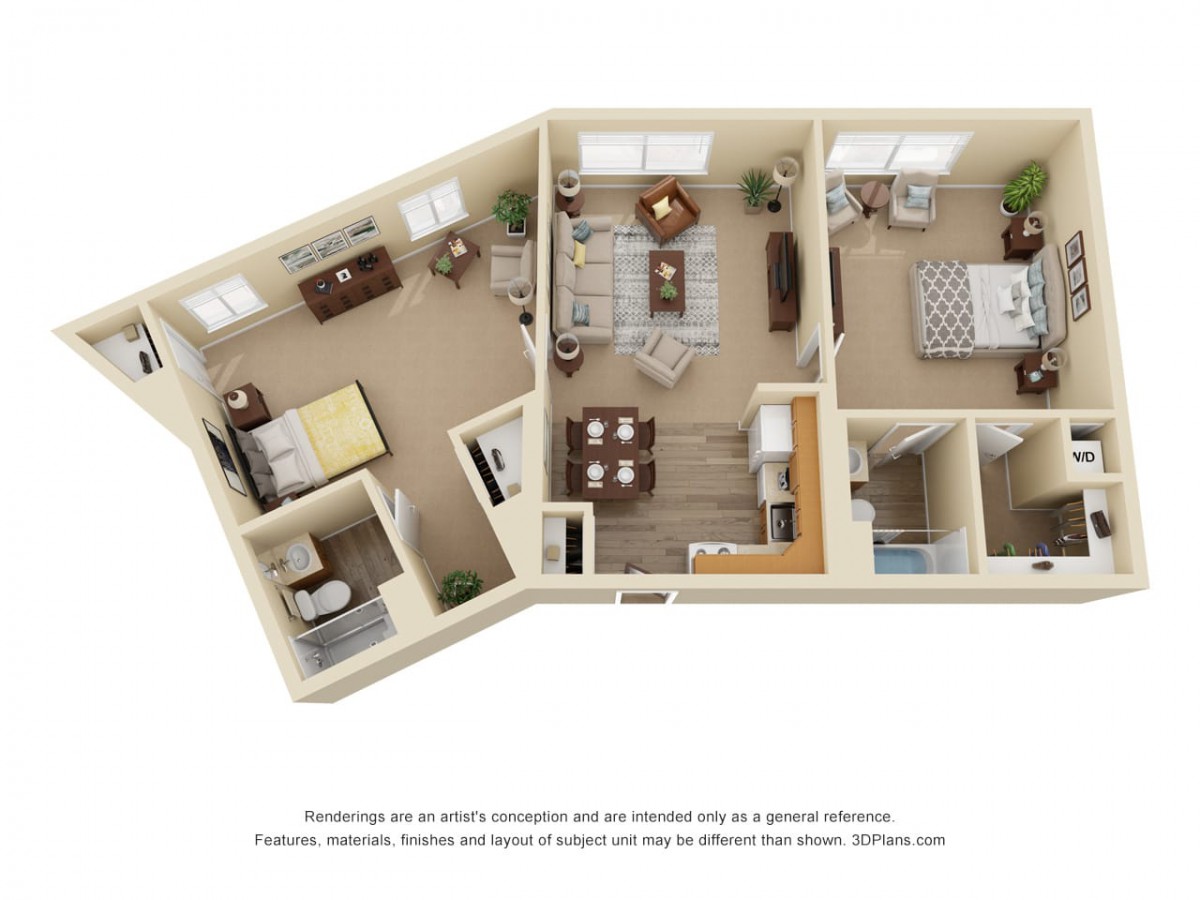
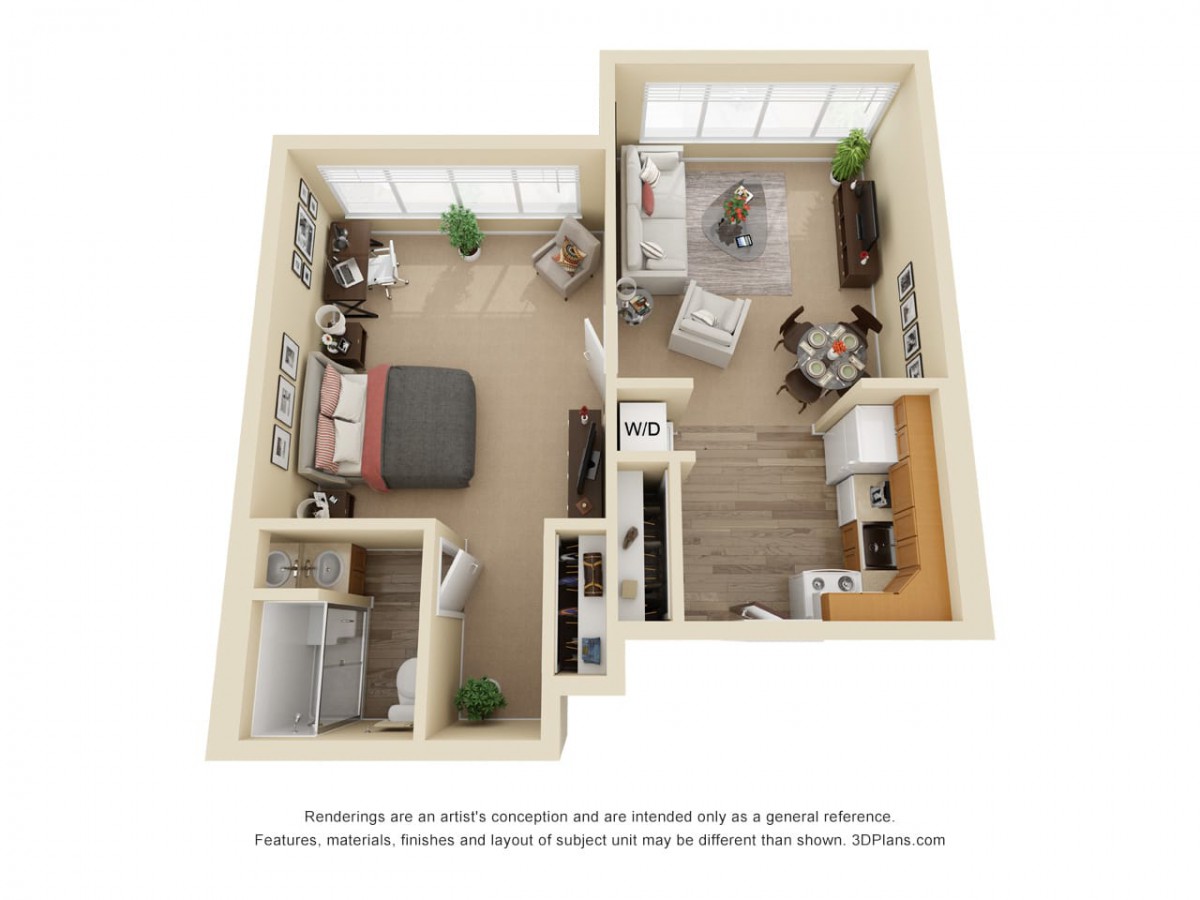
Wesley Enhanced Living At Pennypack Park offers a competitive pricing structure in comparison to both Philadelphia County and the broader state of Pennsylvania. For instance, residents can secure a studio for $1,496 per month, which is significantly lower than the county average of $2,752 and the state average of $3,737. One-bedroom units are available at $2,037, again presenting a cost advantage over Philadelphia County's average of $2,848 and Pennsylvania's average of $4,006. The two-bedroom option is priced at $2,441, well below the county's average of $3,874 and statewide average of $4,242. These figures highlight Wesley Enhanced Living At Pennypack Park as an attractive choice for those seeking quality living arrangements while being mindful of their budget within the Philadelphia area.
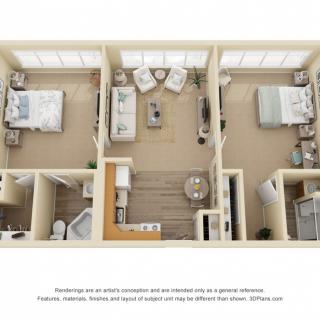
Floor plans
Wesley Enhanced Living At Pennypack Park
Philadelphia County
Pennsylvania
Studio
$1,496
$2,752
$3,737
1 Bedroom
$2,037
$2,848
$4,006
2 Bedrooms
$2,441
$3,874
$4,242
Overall Review of Wesley Enhanced Living At Pennypack Park
common5 reviews mention this
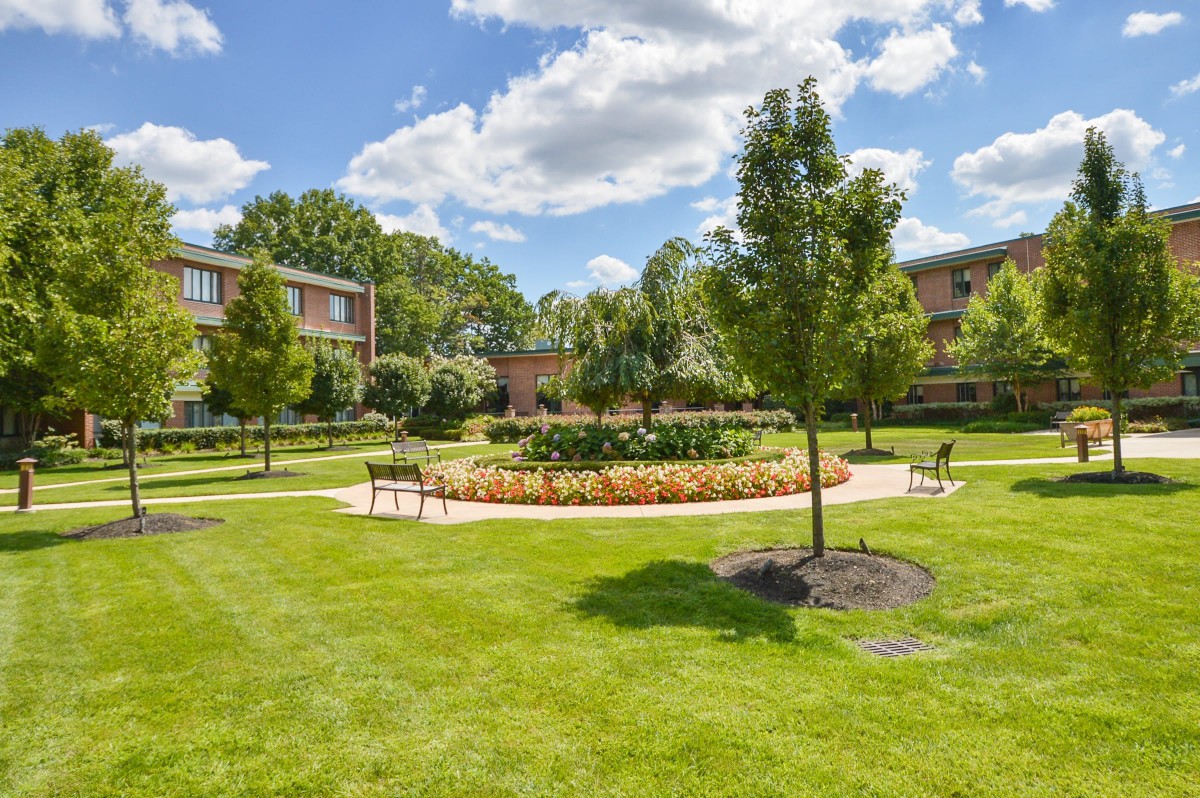
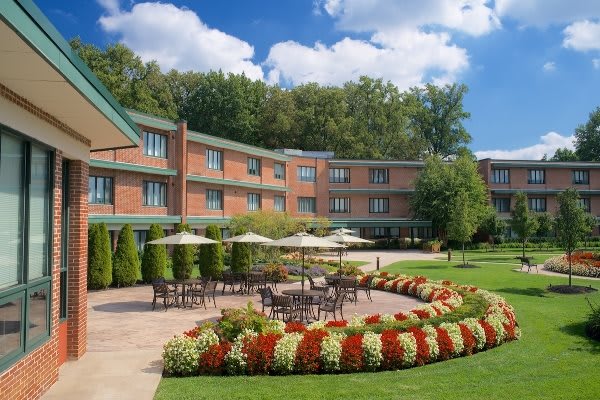
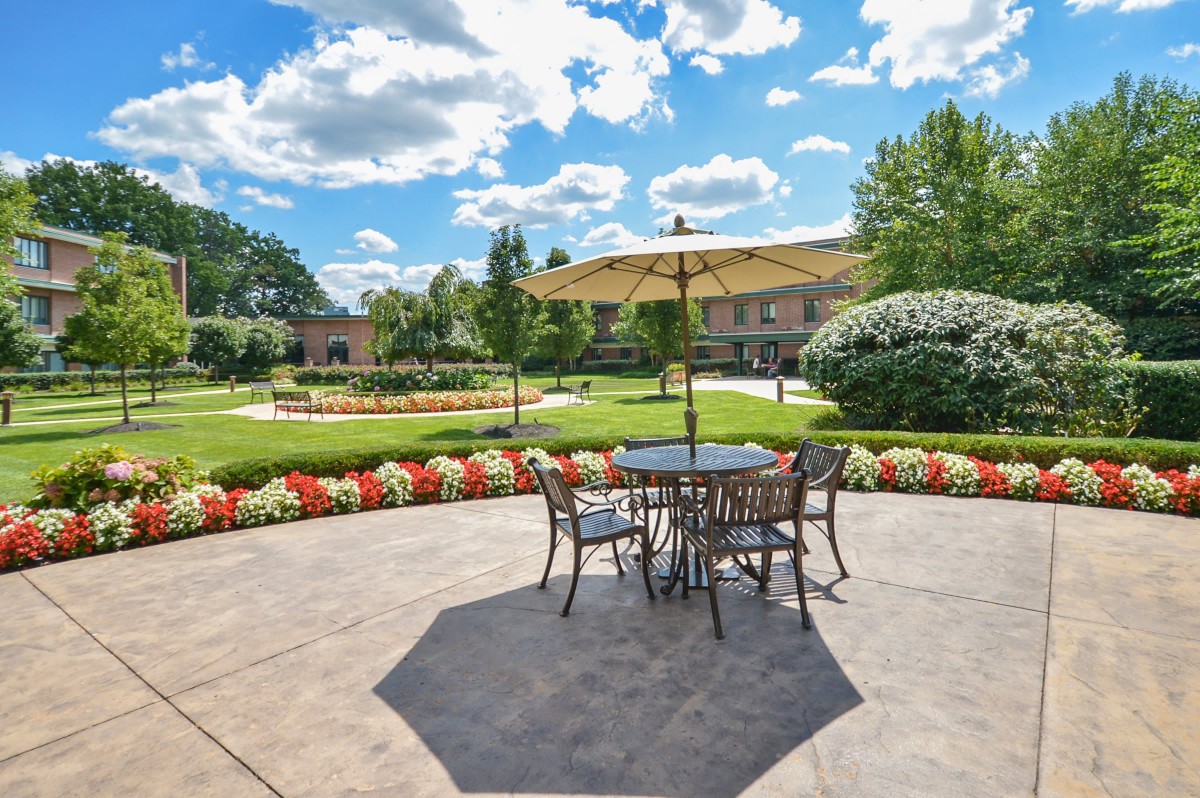
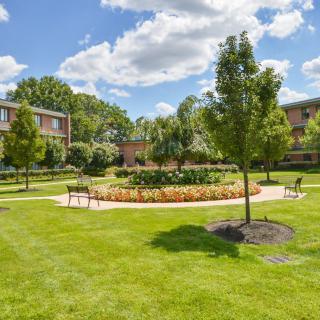
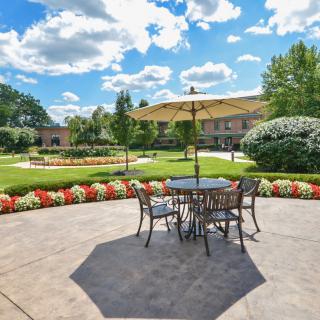
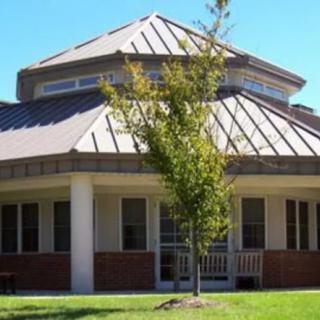
Courtyard and garden stand out
Residents and families repeatedly describe the outdoor spaces as pleasant places to visit.
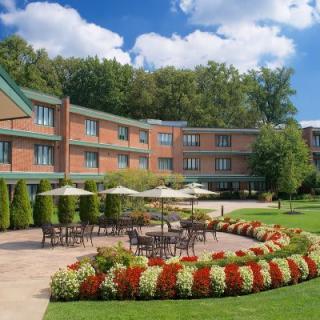
Several reviewers highlight the courtyard and outdoor areas as calming, well-kept places to sit and spend time. One family describes landscaped grounds with visiting animals, while others mention flowers and a garden they were looking forward to. Reviewers also connect the outdoor setting to daily life, saying they are eager to use the space when they can.
caveat8 reviews mention this
Cleanliness feels inconsistent
Some reviewers say the facility is clean, while others describe noticeably dirty or worn conditions.
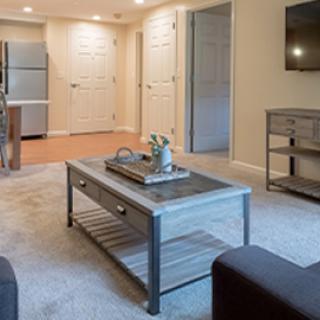
A number of reviews describe the community as clean, well maintained, and recently updated. Other reviewers, including families describing long-term or skilled nursing experiences, report issues like feeling the facility was unclean and dark or seeing a room that was filthy and dusty. There are also mentions of apartments and furniture being in good condition, alongside descriptions of scuffed walls and broken items in at least one unit.
caveat3 reviews mention this
Pricing draws mixed reactions
Pricing is a frequent point of disagreement, with some calling the entry fee affordable and others calling it excessive.
One reviewer chose the community because the entry fee felt affordable and not a strain compared with other options. Other families express the opposite concern, describing very high entry fees and ongoing costs as a deal-breaker. These contrasting reactions make costs one of the most debated parts of the experience.
How we summarize
Counts show how many written reviews mention each theme; a review can touch several themes, and only frequently mentioned themes are displayed.
Features
Housing
50 resident community capacity
Types of Care
Assisted Living
Continuing Care Retirement Community (CCRC)
Independent Living
Respite Care
Skilled Nursing Facility
Pets
Cats allowed
Dogs allowed
Amenities
Activities off-site
Activities on-site
Air-conditioning
Beautician on-site
Beauty salon
Cable or satellite TV
Devotional services off-site
Devotional services on-site
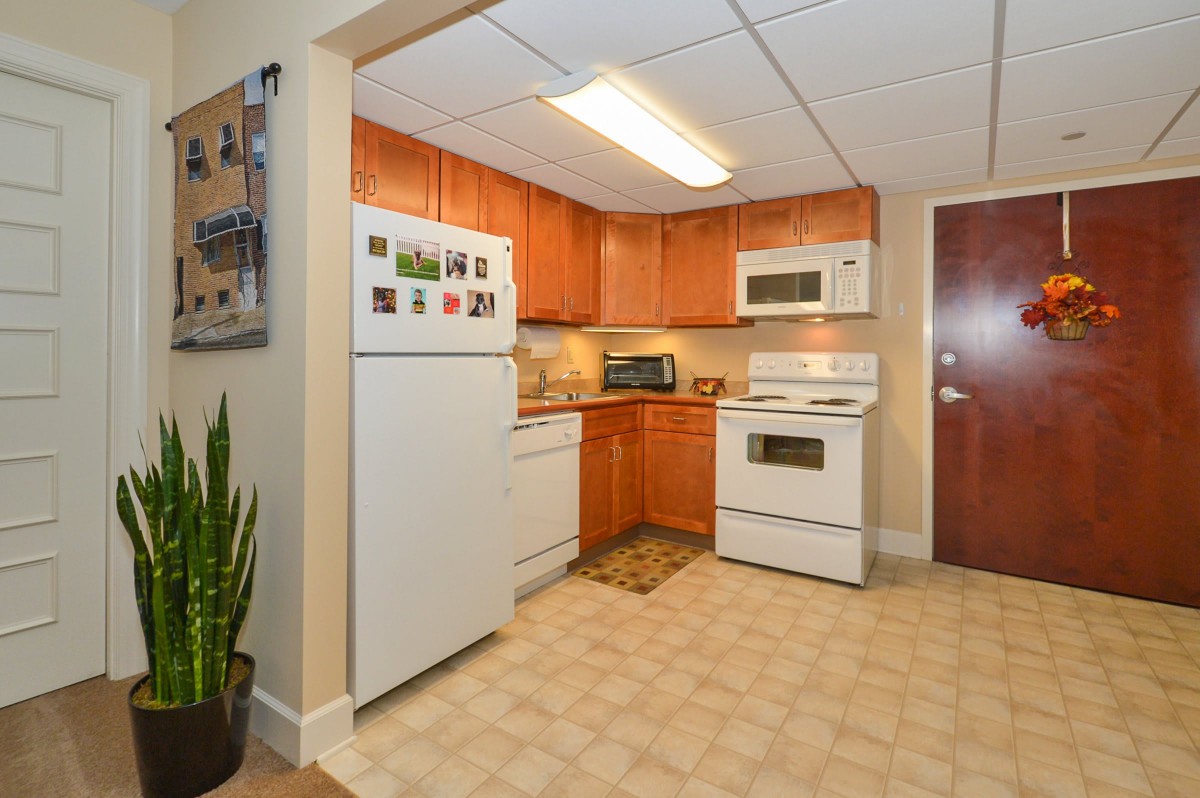
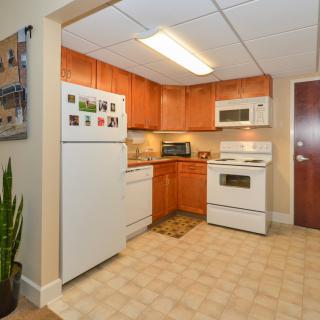
Full kitchen
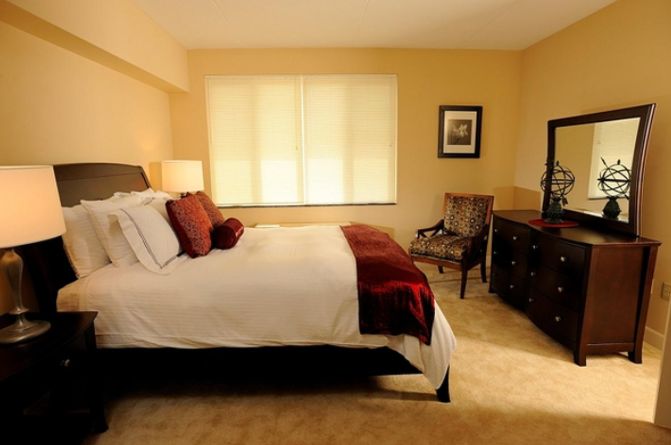
Fully furnished
Garden
Ground floor units
Handicap accessible
Housekeeping services
Indoor common areas
Kitchenette
Move-in coordination
Outdoor common areas
Outdoor space
Private bathrooms
Respite or short term stays offered
Wheelchair accessible showers
Transportation
Philadelphia International (17 miles away)
Trenton-Mercer County (19 miles away)
Transportation arrangement
Transportation arrangement (non-medical)
Care Services
24-hour call system
24-hour supervision
Activities of daily living assistance
Ambulatory care
Assistance with bathing
Assistance with dressing
Assistance with transfers
Diabetes diet
Diabetic care
Incontinence care
Meal preparation and service
Medication management
Special dietary restrictions
Dining
Diabetes diet
Guest meals
International cuisine
Low / no sodium
Meals provided
No Sugar
Professional chef
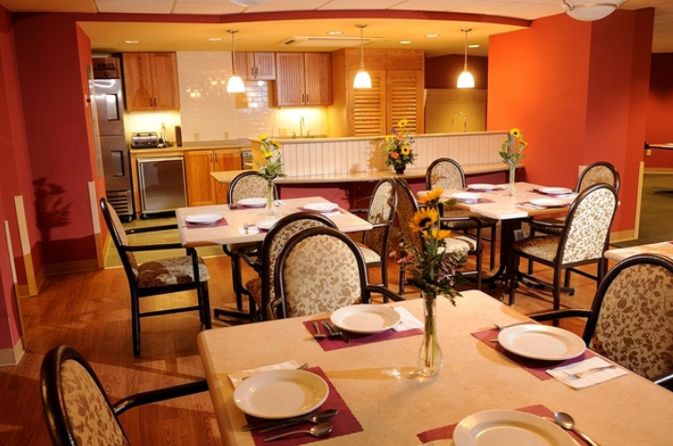
Restaurant style dining
Special dietary restrictions
Vegetarian
Activities
Art classes
Community-sponsored activities
Day trips and outings
Devotional activities offsite
Devotional activities on-site
Educational speakers / life long learning
Live dance or theater performances
Live musical performances
Live well programs
Scheduled daily activities
Stretching classes
Tai Chi
Yoga / chair yoga
Nearby Places of Interest
This part of Philadelphia, Pennsylvania offers a convenient and accessible location with a variety of amenities nearby. With several pharmacies, hospitals, and physicians' offices in close proximity, residents can easily access healthcare services. Additionally, there are parks for leisurely activities, such as Champion Park Playground and Race Street Pier, as well as cafes for socializing like Starbucks and ReAnimator Coffee. For entertainment, there is the AMC Neshaminy 24 theater just a short drive away. Overall, this area provides a good balance of essential services and recreational options for seniors looking to settle in a vibrant community.
Pharmacies
Rite Aid (0.8 miles)
Rite Aid (0.8 miles)
Url Pharma (1.6 miles)
CVS Pharmacy (1.9 miles)
CVS Pharmacy (2.2 miles)
Rite Aid (2.3 miles)
Walgreens (3.3 miles)
Parks
Champion Park Playground (1.9 miles)
Womrath Park (4.5 miles)
Palmer Park Farmers Market (7.7 miles)
Palmer Doggie Depot (7.7 miles)
Piazza Dog Park (8.4 miles)
Race Street Pier (9.2 miles)
Franklin Square (9.4 miles)
Restaurants
McDonald's (1.9 miles)
Chick-Fil-A (3.9 miles)
Taco Bell (4.4 miles)
Point After (4.4 miles)
Texas Chicken & Burgers (4.8 miles)
McDonald's (5.6 miles)
Chick-Fil-A (5.7 miles)
Hospitals
Fox Chase Cancer Center (2.7 miles)
Jefferson Torresdale Hospital (3.2 miles)
Aria Health (3.7 miles)
Holy Redeemer Hospital (3.9 miles)
Albert Einstein Employee Health Center (5.6 miles)
Abington Hospital, Widener Building (5.7 miles)
Abington Memorial Hospital (5.7 miles)
Cafes
Starbucks (3.3 miles)
ReAnimator Coffee (7.5 miles)
La Colombe Coffee Roasters (8 miles)
Starbucks (8.7 miles)
Starbucks (9.4 miles)
Physicians
Frankford Avenue Health Center (4.1 miles)
Simms Hank Md Albert Einstein Medical Center Philadelphia (5.7 miles)
Wesley Enhanced Living At Pennypack Park offers a competitive pricing structure in comparison to both Philadelphia County and the broader state of Pennsylvania. For instance, residents can secure a studio for $1,496 per month, which is significantly lower than the county average of $2,752 and the state average of $3,737. One-bedroom units are available at $2,037, again presenting a cost advantage over Philadelphia County's average of $2,848 and Pennsylvania's average of $4,006. The two-bedroom option is priced at $2,441, well below the county's average of $3,874 and statewide average of $4,242. These figures highlight Wesley Enhanced Living At Pennypack Park as an attractive choice for those seeking quality living arrangements while being mindful of their budget within the Philadelphia area.
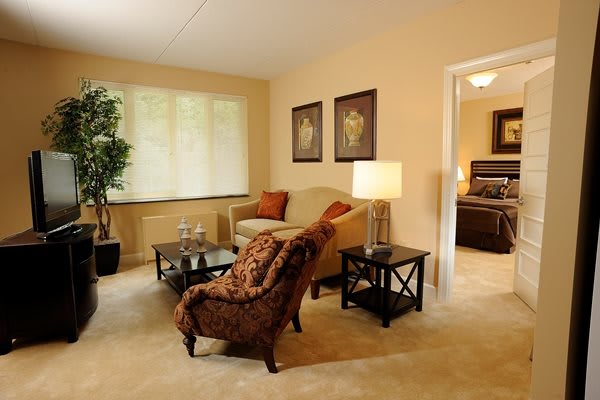
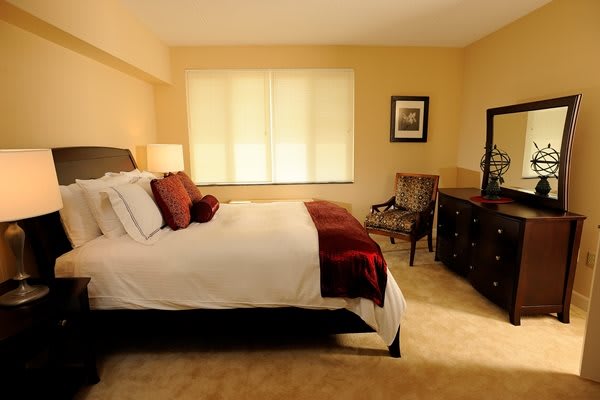
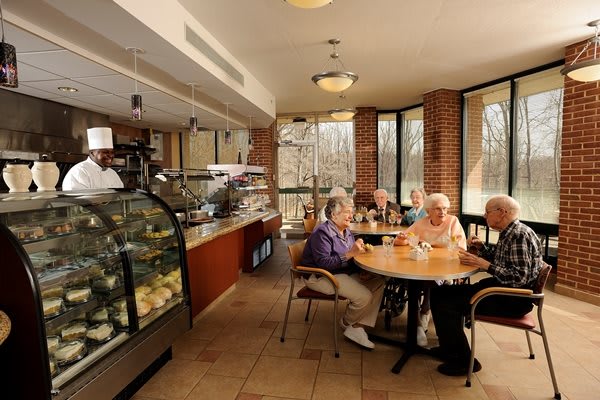
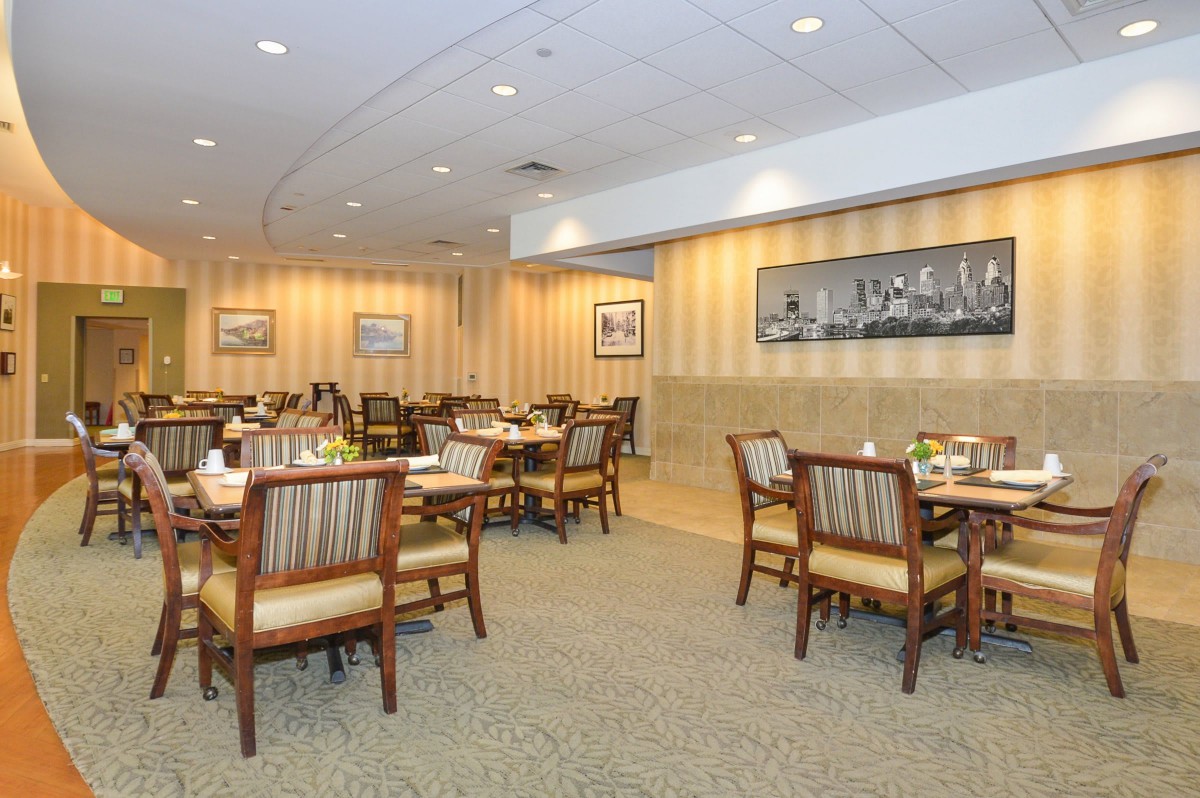
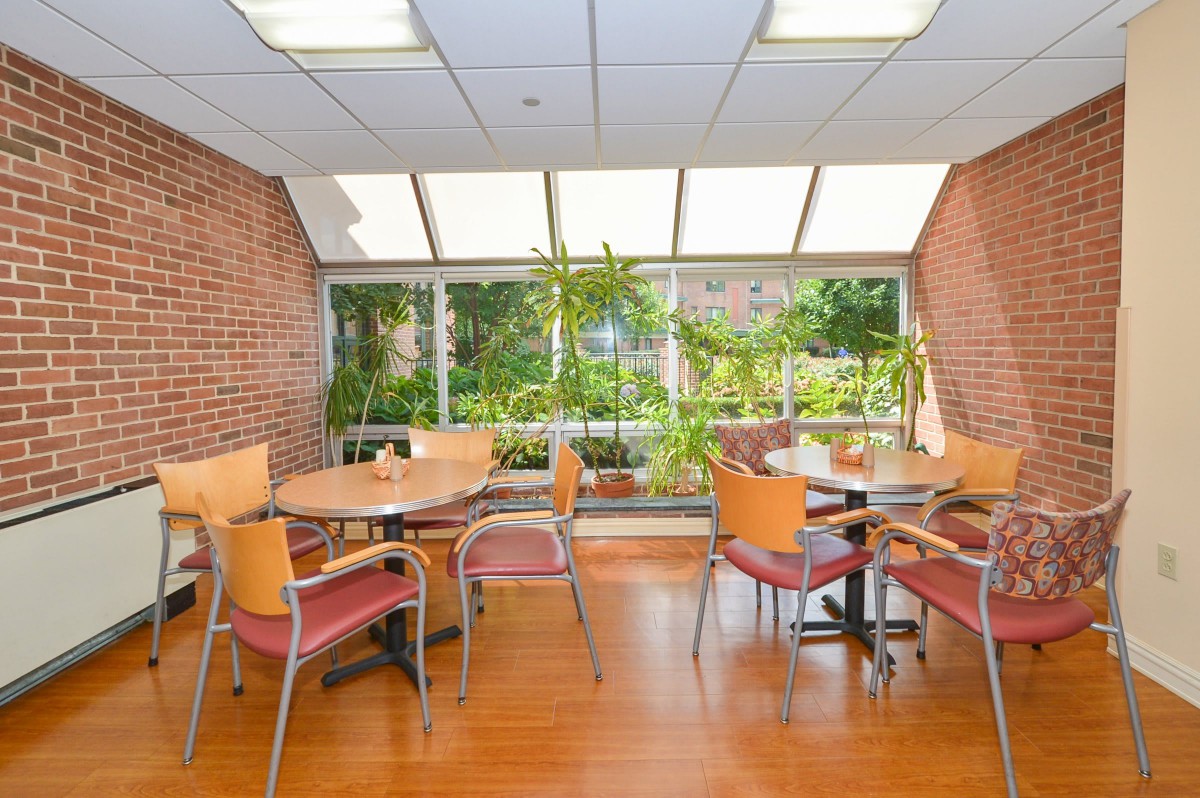
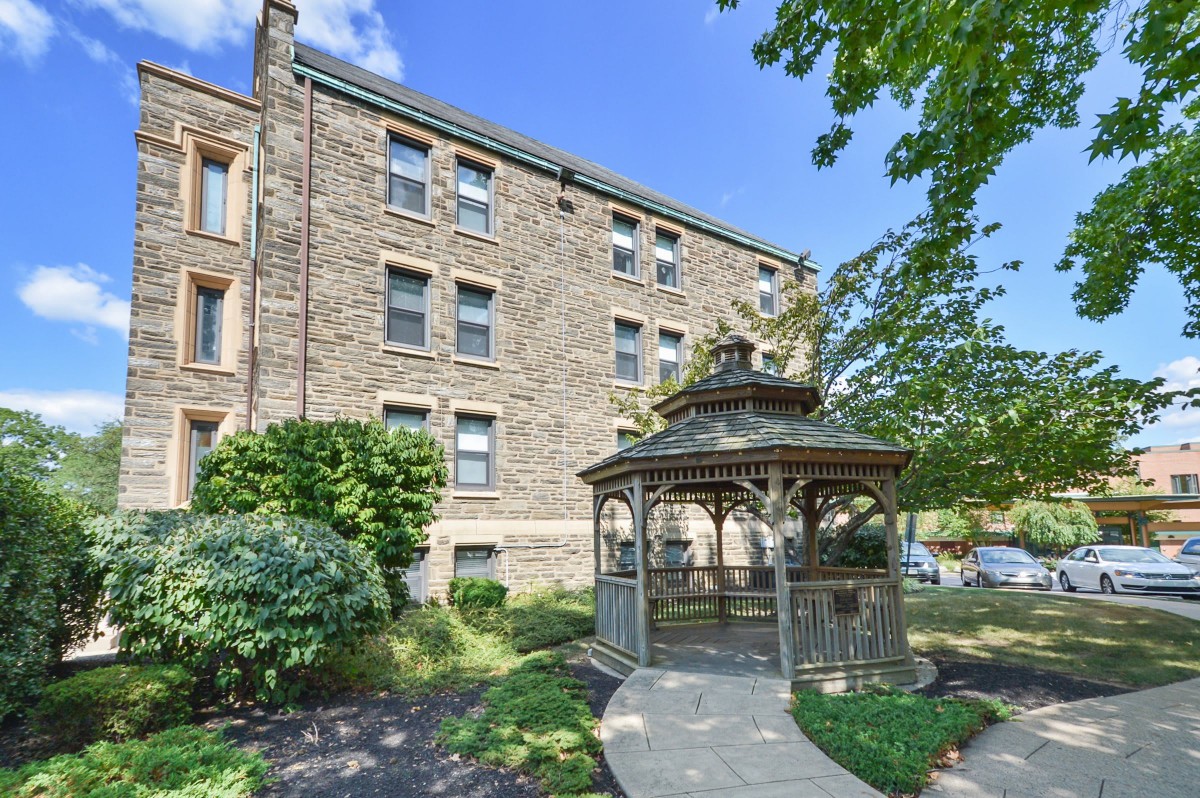
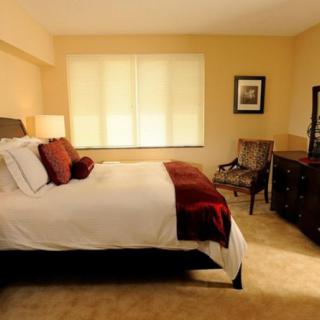
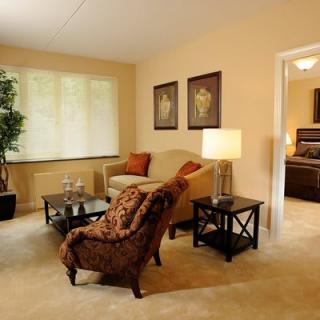
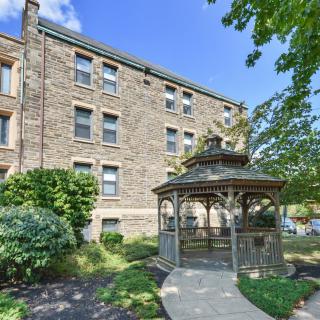
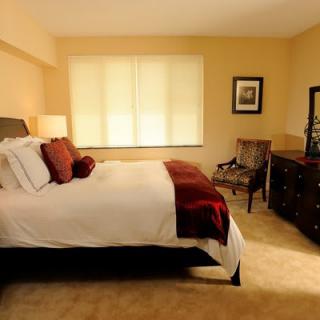
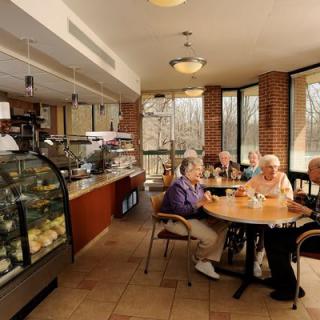
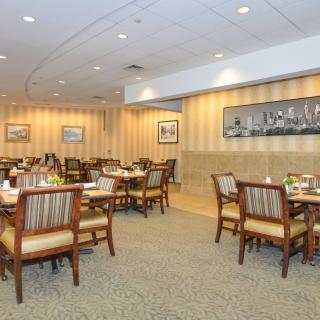
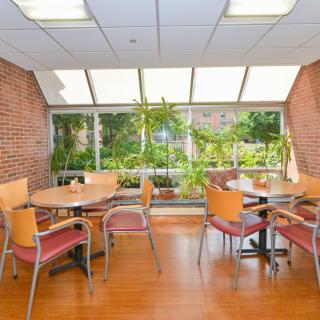
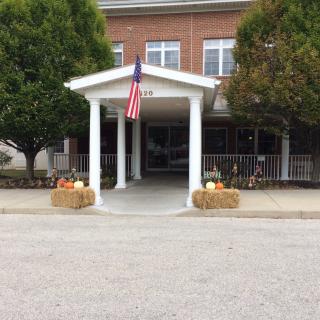
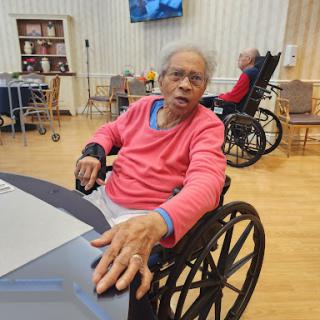
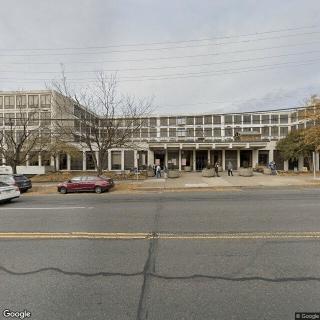
Wesley Enhanced Living At Pennypack Park on seniors.fyi includes 15 photos including images showing interior, floor plan, dining, decor, windows, landscaping, bedroom, trees, and more.
Nearby Communities
Evangelical Manor
Philadelphia, PA
4.6 from 85 reviews
Spacious apartments with a wide range of on-site amenities and engaging activities.
Deer Meadows Retirement Community
Philadelphia, PA
4 from 67 reviews
$2,920 to $4,150 / month
Caring staff, effective physical therapy, and clean spaces.
Harmony Place
Philadelphia, PA
4.1 from 28 reviews
$3,450 to $5,700 / month
Dedicated staff and a clean, engaging environment with quality dining and activities.
The Pines at Philadelphia
Philadelphia, PA
4.6 from 135 reviews
Attentive, compassionate staff and professional rehabilitation in a clean, supportive environment.
The Pines At Philadelphia Rehab And Healthcare Center
Philadelphia, PA
4.6 from 100 reviews
$3,100 / month
Affordable private-room pricing with comprehensive care and mental wellness programs.
Harmony Place at Parke Ridge
Philadelphia, PA
4.5 from 12 reviews
Extensive amenities and comprehensive care (24/7 supervision, medication management, dining options, transportation, and wellness programs).
Golden Slipper Uptown Home
Philadelphia, PA
4.5 from 102 reviews
Empathetic, timely communication from administration and nursing staff, including facilitating virtual family connections.
Lafayette-Redeemer
Philadelphia, PA
3.6 from 66 reviews
Clean, home-like atmosphere with friendly staff and solid amenities (library, dining, transportation).
The Villages at Pine Valley
Philadelphia, PA
5 from 6 reviews
Upgraded, clean rooms with friendly staff and an active social life.
Choosing between assisted living and nursing homes involves evaluating emotional and financial factors, with assisted living offering independence and support for daily activities at a lower cost, while nursing homes provide intensive medical care for individuals with significant health needs. The decision is influenced by personal preferences, health status, cognitive function, and varying Medicaid coverage across states.
Assisted living in 2025 offers a crucial balance of independence and support for seniors, with costs varying from $2,500 to over $7,000 per month based on factors such as location and care level. Understanding pricing complexities, including regional differences and potential hidden fees, is essential for families to plan financially while ensuring quality care for their loved ones.
The guide outlines the complexities of Medicaid coverage for assisted living, highlighting significant state-to-state variations, limited coverage often restricted to personal care services, and the existence of specialized waivers for certain needs like memory care. It advises families to consult local Medicaid offices for options while emphasizing the importance of understanding state-specific regulations and facility policies.
Get PricingAsk A QuestionSchedule A TourContact Senior Advisor
By clicking submit, you agree to our Partner's Terms of Use. You
also consent to receive calls and texts, which may be autodialed, from our Partner. Your consent is not a condition to
using our Partner's service. Please visit our Partner's Privacy Policy for information about their privacy practices.

 50 resident community capacity
 Assisted Living
 Continuing Care Retirement Community (CCRC)
 Independent Living
 Respite Care
 Skilled Nursing Facility
 Cats allowed
 Dogs allowed
 Activities off-site
 Air-conditioning
 Beautician on-site
 Cable or satellite TV
 Devotional services off-site
 Full kitchen
 Fully furnished
 Garden
 Ground floor units
 Handicap accessible
 Housekeeping services
 Indoor common areas
 Move-in coordination
 Outdoor common areas
 Private bathrooms
 Wheelchair accessible showers
 Philadelphia International (17 miles away)
 Transportation arrangement
 24-hour call system
 Ambulatory care
 Assistance with bathing
 Assistance with dressing
 Assistance with transfers
 Diabetes diet
 Diabetic care
 Incontinence care
 Meal preparation and service
 Medication management
 Special dietary restrictions
 Art classes
 Day trips and outings
 Educational speakers / life long learning
 Live dance or theater performances
 Live musical performances
 Live well programs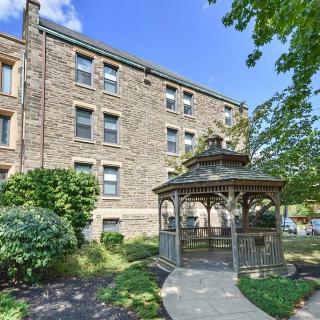
 Spacious apartments with a wide range of on-site amenities and engaging activities.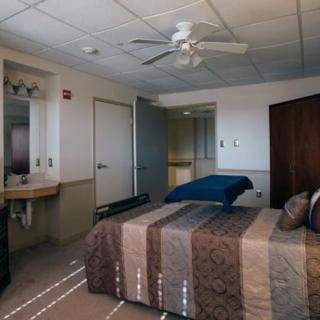

 Choosing the Right Senior Care: A Detailed Exploration of Assisted Living and Nursing Homes
 Understanding the True Cost of Assisted Living in 2025: A Comprehensive Guide
 Understanding Medicaid Coverage for Assisted Living: A Comprehensive Guide