Residents and families repeatedly describe attentive, kind staff.
Across the reviews, people focus on staff being friendly, caring, and helpful day to day, including nurses, aides, therapists, and social services. Several reviewers say staff were responsive when questions or requests came up and that communication during visits helped them feel at ease. A few reviews are sharply negative about specific staff actions or follow-through, but even those call out pockets of good care from individual CNAs or team members.
common36 reviews mention this
Clean facility is a recurring theme
Many reviewers point to cleanliness as a clear strength.
Multiple reviews mention the building as clean, well-kept, and sanitized, with visitors also noting how it smells. Several families connect that cleanliness to feeling confident about care during rehabilitation or short-term stays. A small number of negative reviews dispute cleanliness and infection-control practices, which is the main counterpoint to the overall pattern.
common28 reviews mention this
Therapy support helps residents improve
Physical and occupational therapy is repeatedly described as effective.
Reviews frequently highlight PT and OT as a reason people felt they were making progress, including improved mobility and easier daily movement. Several reviewers describe therapists as professional, patient, and involved in exercises with attention to safety. While most experiences are positive, a few negative reviews focus on care outside of therapy—such as medication and discharge coordination—rather than on therapy itself.
common12 reviews mention this
Food quality and choice come up often
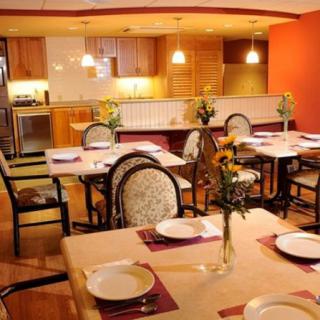
Food quality and meal choices are mentioned by many families.
Many reviews note that meals are good and that residents had choices at mealtimes. Some reviewers specifically describe being able to get something else if they didn’t like a selected option. A few complaints criticize the food and dining experience, but the majority of mentions are positive.
caveat5 reviews mention this
Medication and discharge follow-through concerns
A minority of reviewers report problems with medication and discharge handling.
Some negative reviews describe medication timing or hospital-discharge orders not being followed correctly, leading to readmission or prolonged stays. Others mention administrative friction around discharge timing and follow-up paperwork, which left families frustrated. These comments are the main source of concern in otherwise positive reviews.
How we summarize
Counts show how many written reviews mention each theme; a review can touch several themes, and only frequently mentioned themes are displayed.
Features
Types of Care
Skilled Nursing Facility
Amenities
Respite or short term stays offered
Transportation
Philadelphia International (17 miles away)
Trenton-Mercer County (19 miles away)
Nearby Places of Interest
Pharmacies
Rite Aid (0.7 miles)
Rite Aid (0.8 miles)
Url Pharma (1.5 miles)
CVS Pharmacy (2 miles)
CVS Pharmacy (2.3 miles)
Rite Aid (2.3 miles)
Walgreens (3.3 miles)
Parks
Champion Park Playground (1.7 miles)
Womrath Park (4.5 miles)
Palmer Park Farmers Market (7.7 miles)
Palmer Doggie Depot (7.7 miles)
Piazza Dog Park (8.4 miles)
Race Street Pier (9.2 miles)
Franklin Square (9.4 miles)
Restaurants
McDonald's (2 miles)
Chick-Fil-A (3.8 miles)
Point After (4.4 miles)
Taco Bell (4.5 miles)
Texas Chicken & Burgers (4.8 miles)
McDonald's (5.6 miles)
Chick-Fil-A (5.8 miles)
Hospitals
Fox Chase Cancer Center (2.6 miles)
Jefferson Torresdale Hospital (3.3 miles)
Aria Health (3.7 miles)
Holy Redeemer Hospital (3.8 miles)
Albert Einstein Employee Health Center (5.5 miles)
Abington Hospital, Widener Building (5.6 miles)
Abington Memorial Hospital (5.6 miles)
Cafes
Starbucks (3.1 miles)
ReAnimator Coffee (7.5 miles)
La Colombe Coffee Roasters (8 miles)
Starbucks (8.8 miles)
Starbucks (9.3 miles)
Physicians
Frankford Avenue Health Center (4.1 miles)
Simms Hank Md Albert Einstein Medical Center Philadelphia (5.6 miles)
Palliative care focuses on alleviating distress at any stage of a serious illness and can accompany curative treatments, while hospice care is for those nearing the end of life with a prognosis of six months or less, emphasizing comfort over curative measures. Both prioritize holistic care for patients and families but differ in timing, goals, and scope.
The guide details the tax deductibility of in-home healthcare expenses according to IRS guidelines, differentiating between medically necessary services and non-medical assistance, while emphasizing the need for proper documentation and itemization requirements. It also highlights state-level variations, the importance of record-keeping, and encourages seeking professional tax help to understand evolving regulations.
Gardening provides seniors with physical exercise, mental and emotional support, and social interaction opportunities, while accommodating their needs through raised beds and ergonomic tools. It promotes health benefits like improved dexterity and cardiovascular health, encourages sustainable practices, and allows for manageable upkeep with low-maintenance plants.
Get PricingAsk A QuestionSchedule A TourContact Senior Advisor
By clicking submit, you agree to our Partner's Terms of Use. You
also consent to receive calls and texts, which may be autodialed, from our Partner. Your consent is not a condition to
using our Partner's service. Please visit our Partner's Privacy Policy for information about their privacy practices.



 Skilled Nursing Facility
 Respite or short term stays offered
 Philadelphia International (17 miles away)
 Affordable private-room pricing with comprehensive care and mental wellness programs.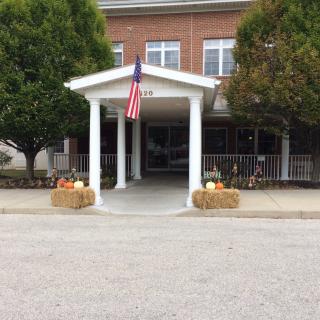



 Understanding the Nuances of Palliative Care and Hospice: A Comprehensive Exploration
 Is In-Home Healthcare Tax Deductible? Your Comprehensive Guide
 Nurturing Well-Being Through Gardening: A Detailed Guide for Senior Enthusiasts