Harmony Place in Philadelphia, PA

Save

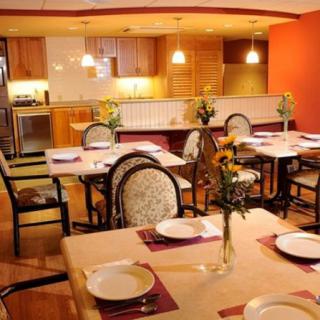
  • Interior

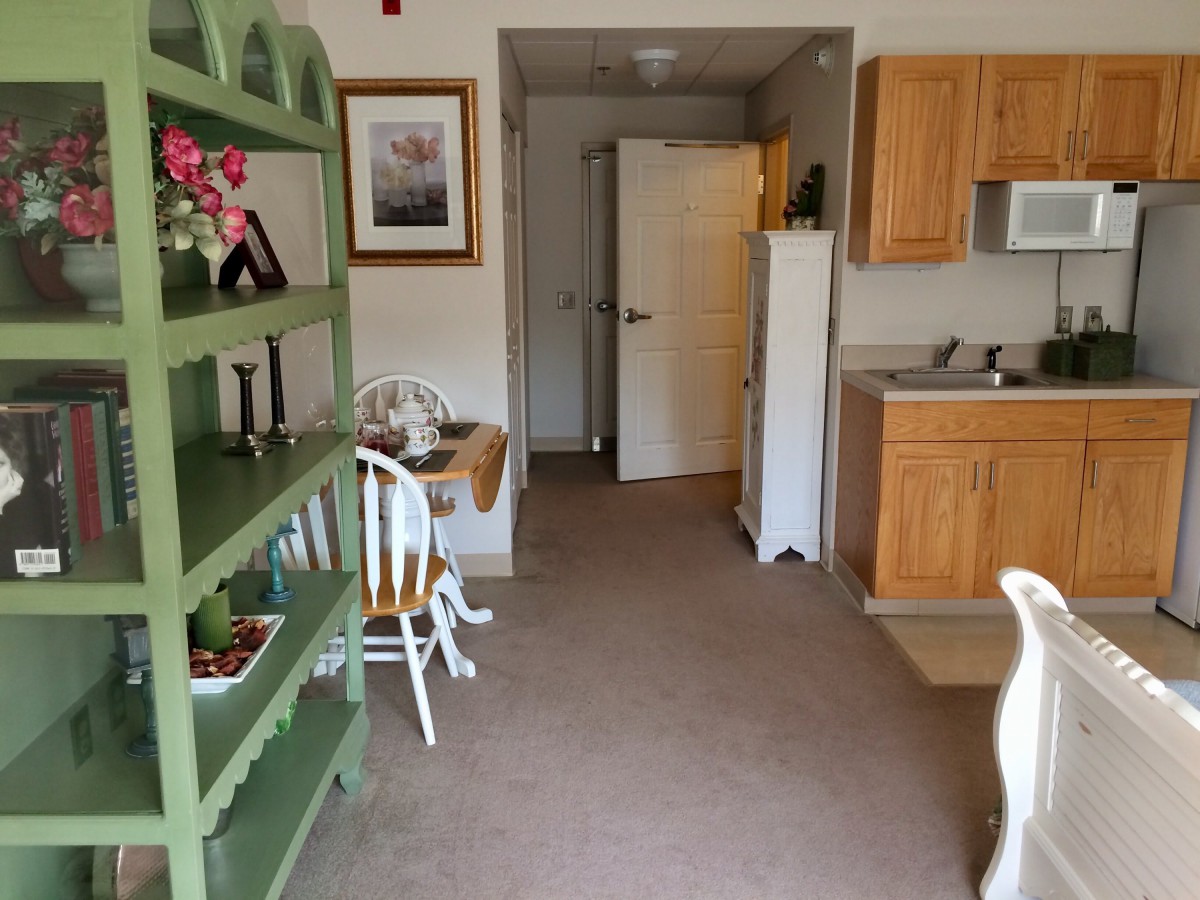
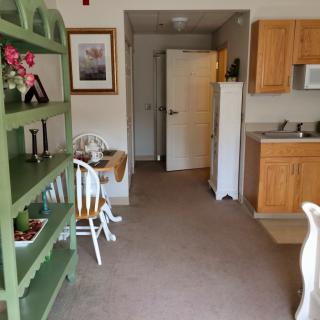
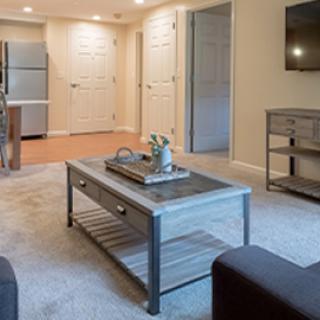
    A cozy interior featuring a kitchenette and dining area with wooden furniture.
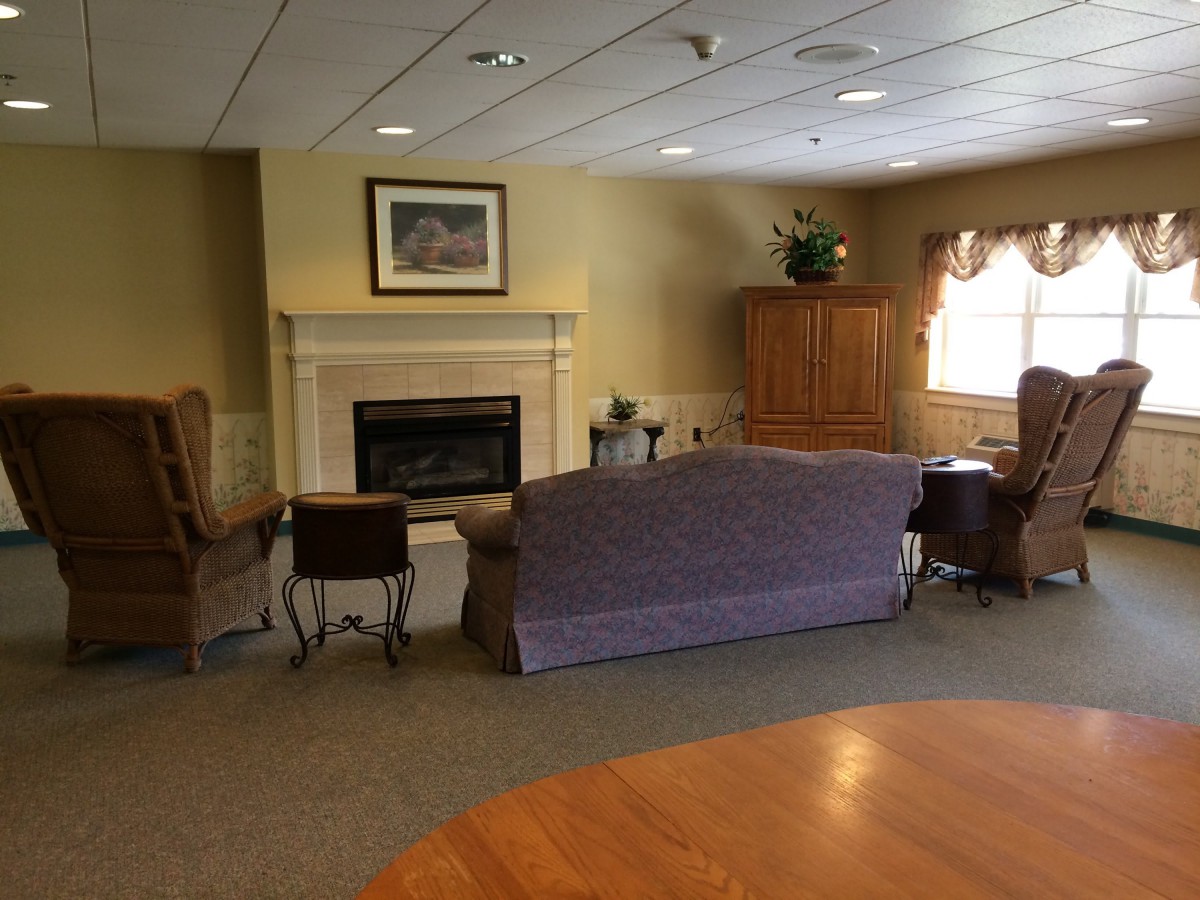
  • Decor

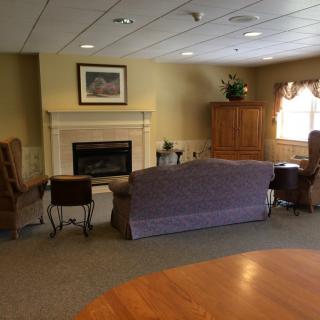
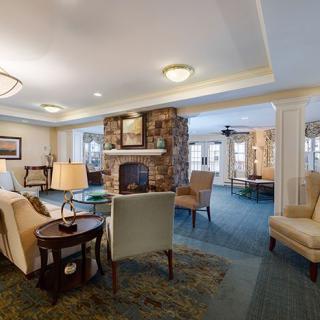
    A cozy living room with a fireplace and comfortable seating.
  • Living Room

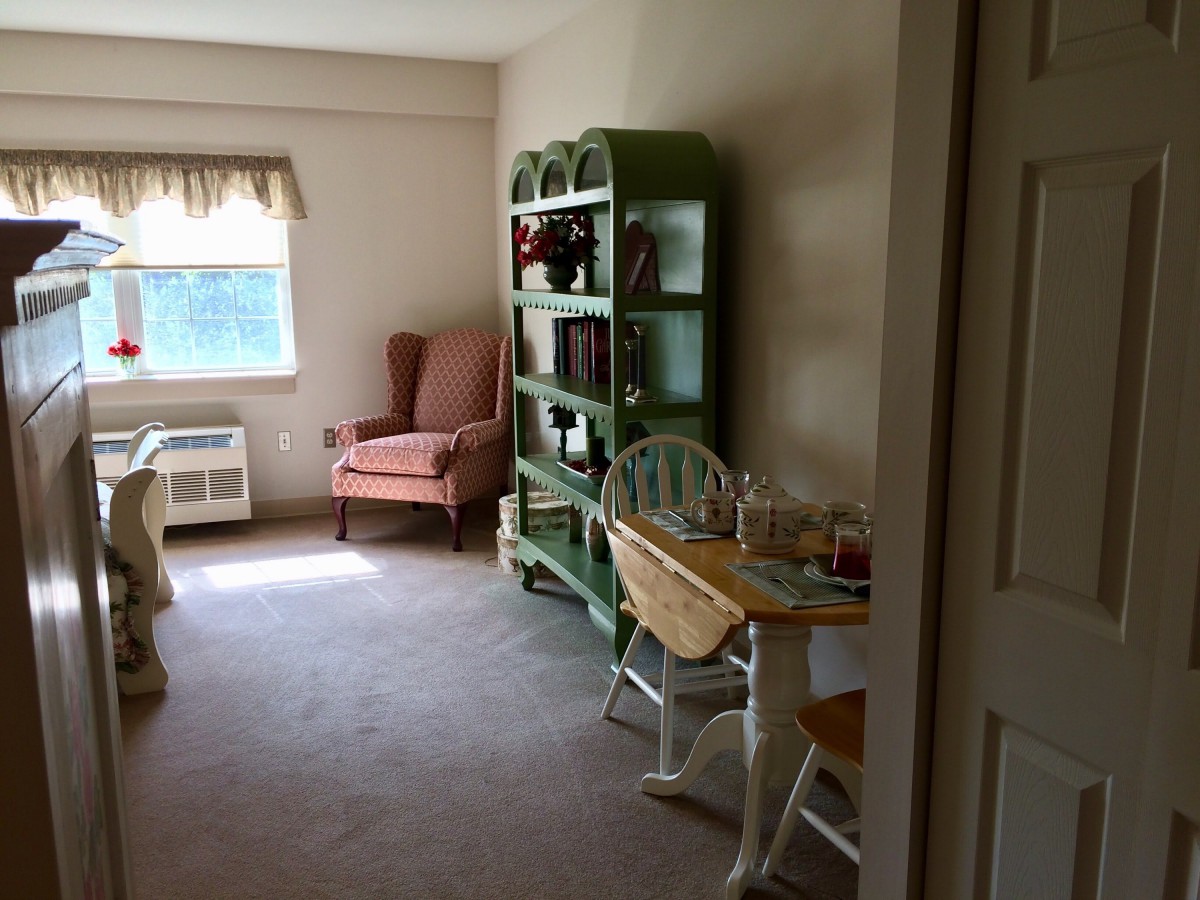
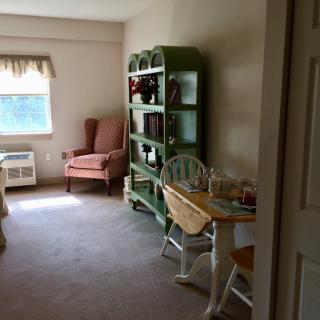
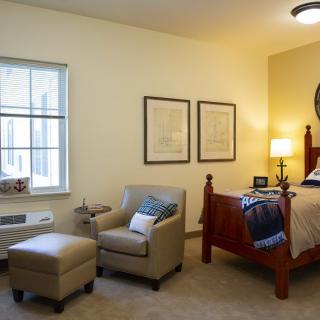
    A cozy living area featuring an armchair, bookshelf, and small dining table by the window.
  • Building

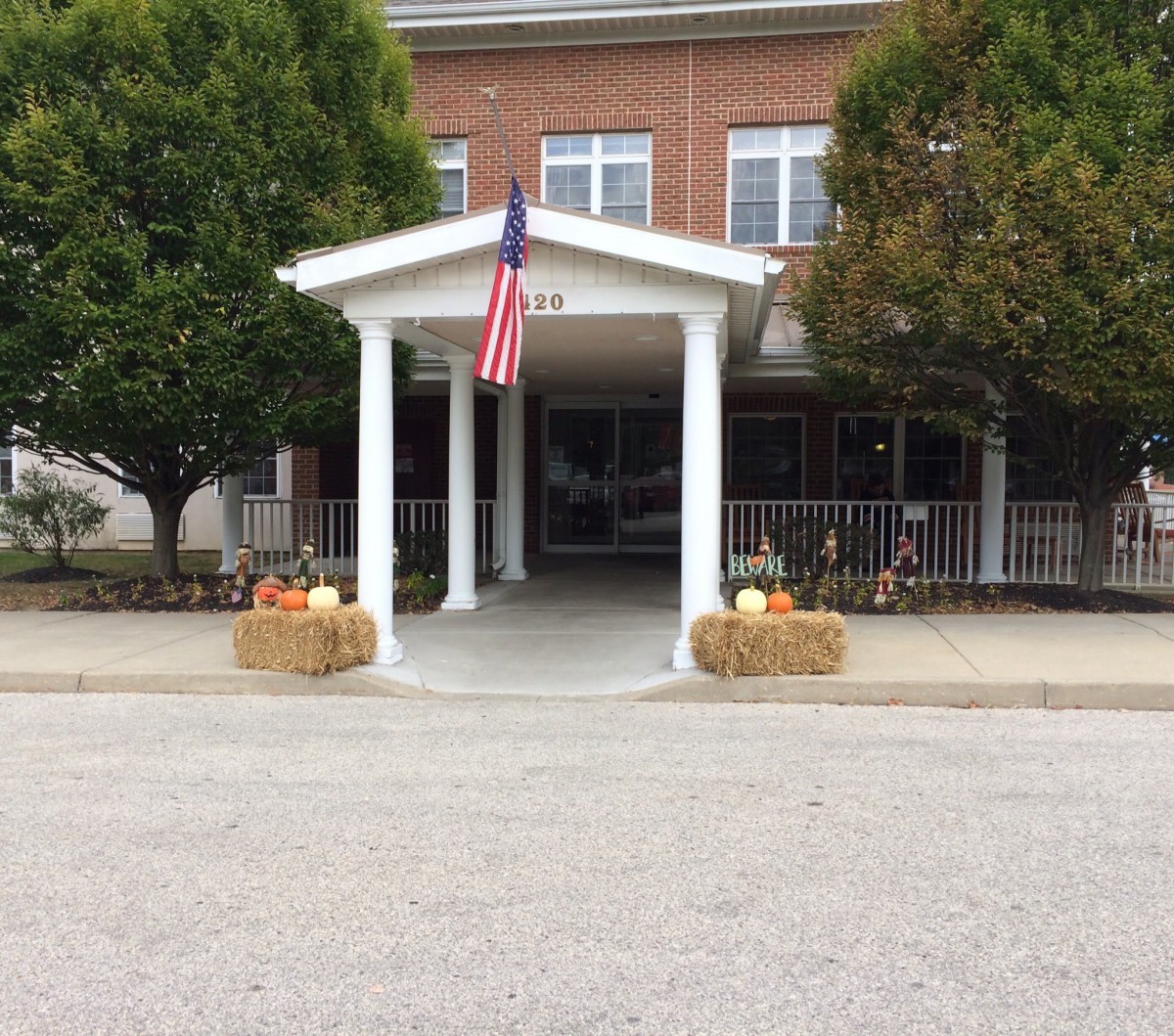
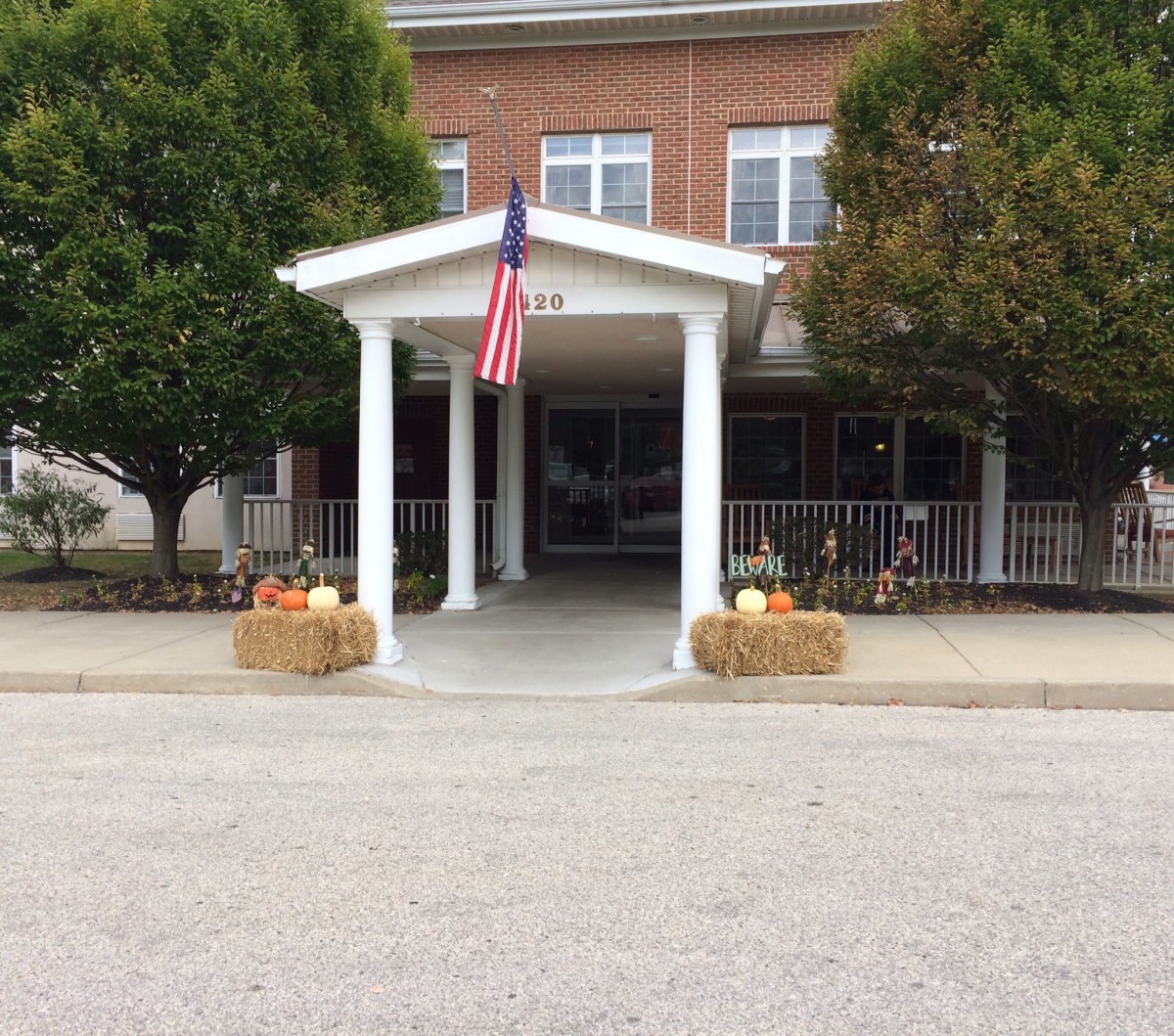
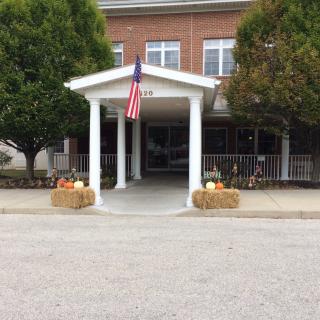
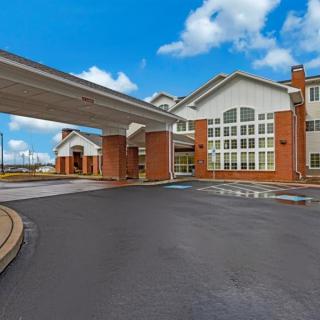
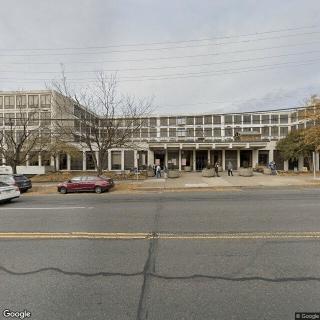
    Entrance of a building decorated with pumpkins and hay bales, featuring an American flag.
  • Trees

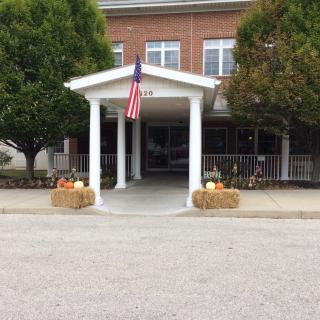
    A building entrance decorated with hay bales and pumpkins, featuring an American flag.
  • Landscaping

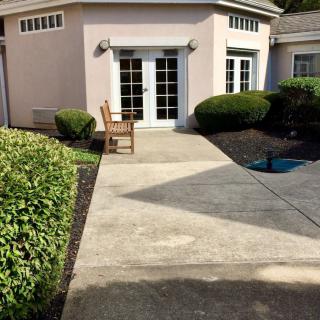
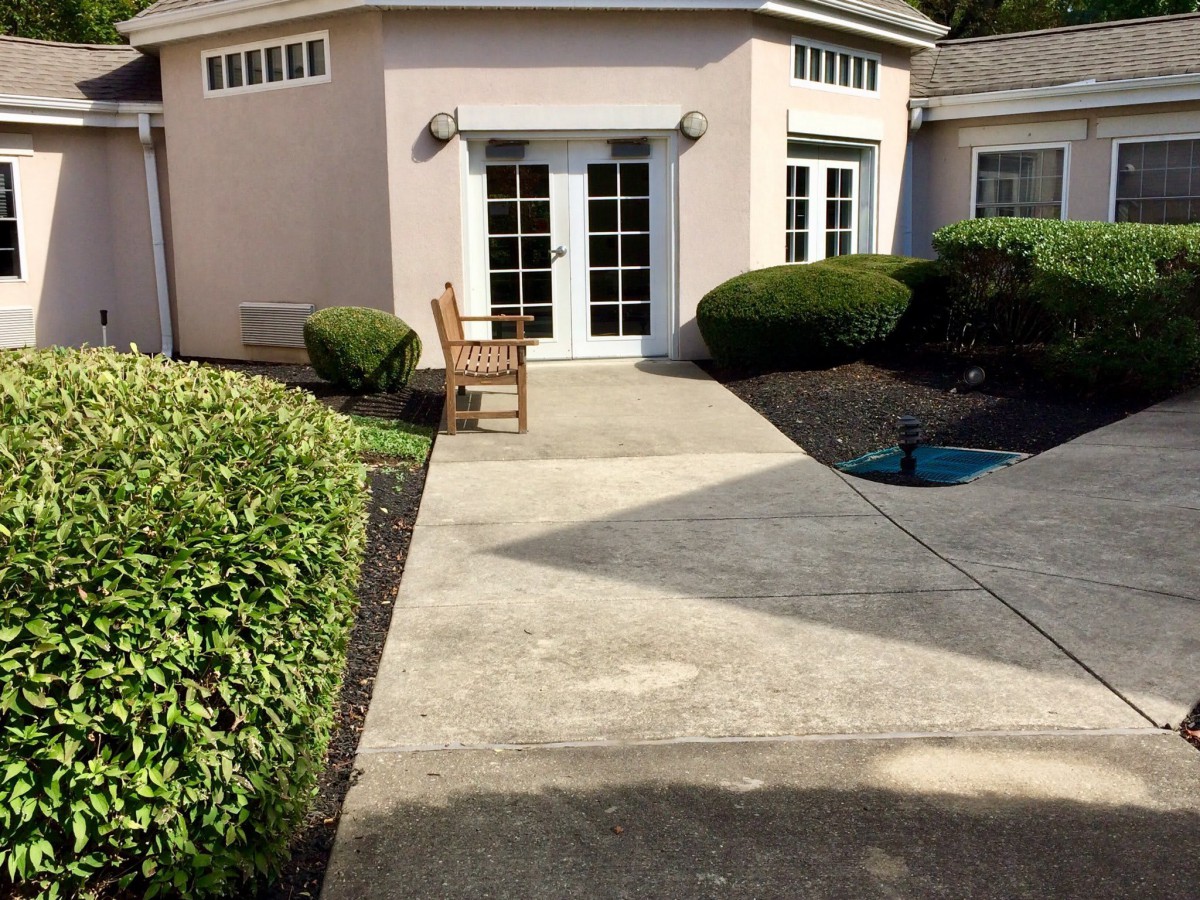
    A sunny patio with a chair and pathway leading to glass doors surrounded by bushes.
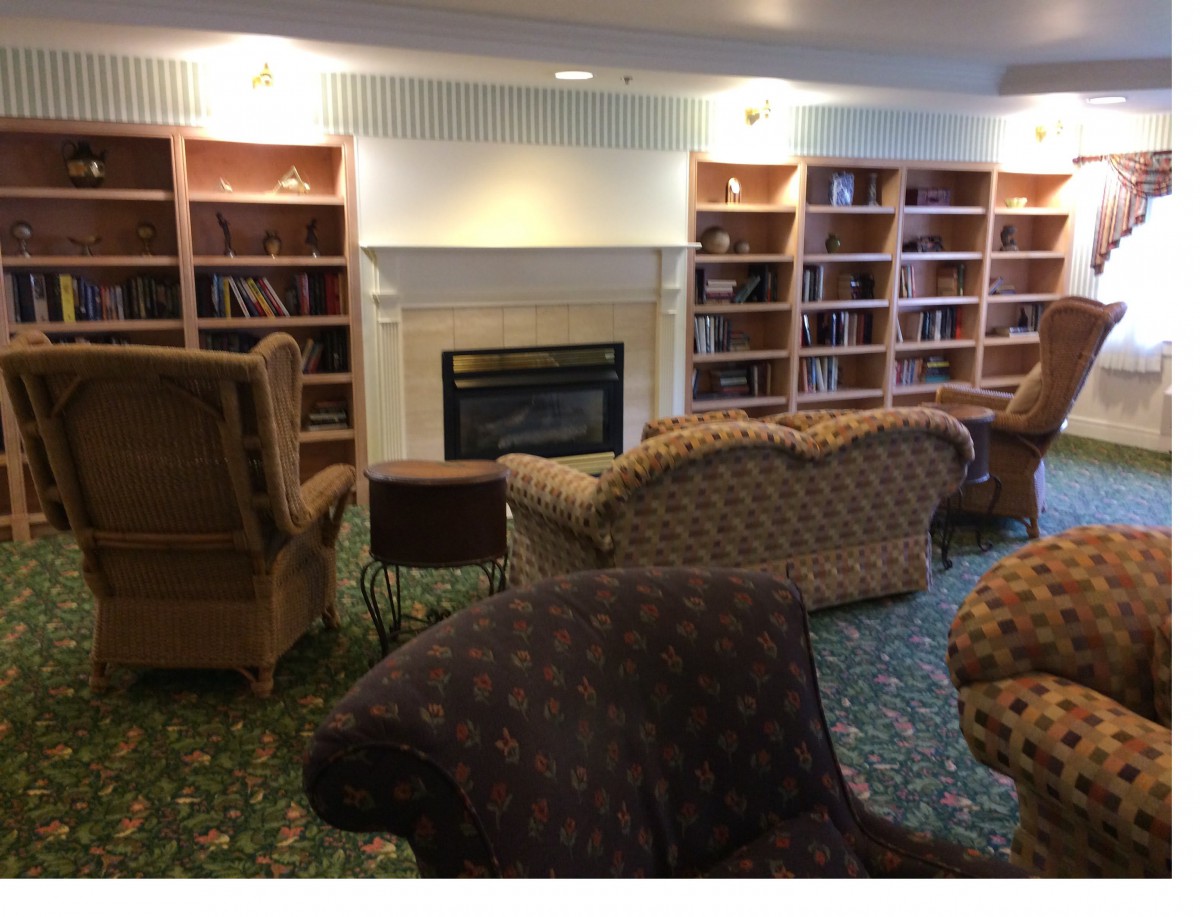
  • Fireplace

    A cozy living room with a fireplace, surrounded by bookshelves and comfortable seating.
  • Bathroom

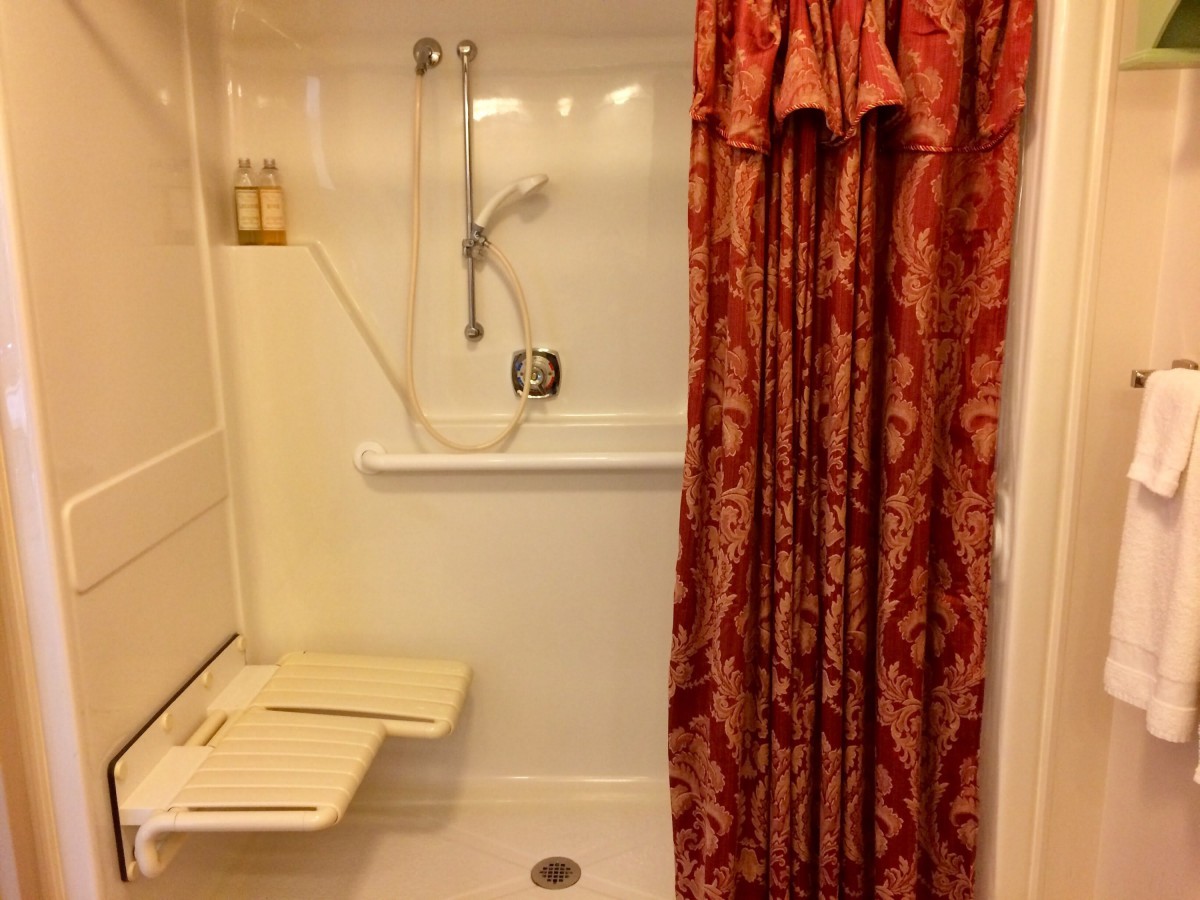
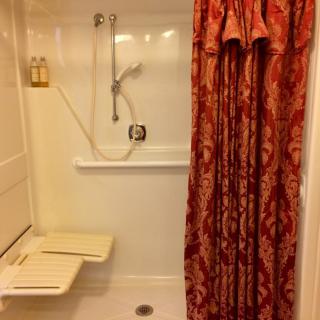
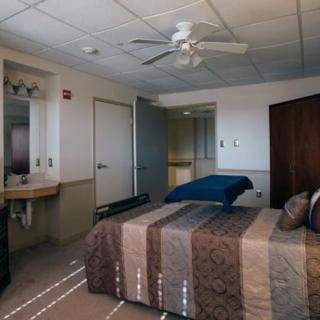
    An accessible shower with a folding seat and handheld showerhead, featuring a decorative curtain.

Harmony Place in Philadelphia, PA

8420 Roosevelt Blvd., Philadelphia, PA 19152

For more information about senior living options: (844) 490-3973

4.1 from 28 reviews
5 stars
17
4 stars
4
3 stars
2
2 stars
3
1 stars
2

Assisted Living Memory Care

Harmony Place Costs & Pricing

Harmony Place offers competitive pricing for its accommodations, particularly when compared to Philadelphia County and the broader state of Pennsylvania. For a studio unit, residents can expect to pay $3,450 per month, which positions Harmony Place above the county's average of $2,752 but below the state's average of $3,737. When it comes to one-bedroom units, Harmony Place's rate of $5,700 stands in stark contrast to Philadelphia County's lower rate of $2,848 and also exceeds the state average of $4,006. This pricing structure suggests that while Harmony Place may command a premium for its offerings, it also reflects a commitment to quality living that may justify the higher costs relative to local and state averages.

Floor plansHarmony PlacePhiladelphia CountyPennsylvania
Studio$3,450$2,752$3,737
1 Bedroom$5,700$2,848$4,006

What level of care are you interested in?

Assisted Living

Memory Care

Independent Living

Skilled Nursing Facility

Continuing Care Retirement Community (CCRC)CCRC

Other


Request a tour at Harmony Place

    Overall Review of Harmony Place

    Pros

    • pro The contractors did an outstanding job with the building at 8420.
    • pro Harmony Place staff went above and beyond for residents.
    • pro Harmony Place is described as a little-known gem and is highly recommended.
    • pro The facility is very nice, cheerful, and clean.
    • pro The dining area is nice and quaint, and staff keep residents engaged with activities.
    • pro The staff are very nice, helpful, and friendly, and information is easy to obtain.
    • pro The unit and building are very clean.

    Cons

    • pro It used to be decent, but it is not anymore.
    • pro Most of the friendly staff have been let go or resigned.
    • pro One nurse is nasty toward the residents.
    • pro Some weekends there is no regular staff; an agency is used and they don't care about the residents.
    • pro The state has been called regarding this facility.
    • pro The facility cares only about money and will kick residents out on the street.
    • pro There is no step up or down and it is for profit.
    • pro The dementia unit was dark and dimly lit, and the facility had a nursing home stench.

    Review

    Harmony Place is best suited for families seeking a modest, home-like assisted living option in Philadelphia where cleanliness, a pleasant dining atmosphere, and approachable staff are the core attractions. The campus reads as well-maintained, with a bright dining area and regularly scheduled activities that encourage resident interaction. For families prioritizing a warm, personal vibe over a high-end, clinical footprint, Harmony Place can feel like a solid, workable choice. The memory-care environment appears present in some residents' experiences, but the clarity of what is offered and how it is staffed varies, so prospective residents should verify the current memory-care setup in detail during a tour.

    Those who should consider alternatives are families whose loved ones require highly reliable, around-the-clock staffing or a more structured, well-stred memory-care program. Several reviews flag staffing fragility - the implication that a single nurse or limited CNAs per unit can compromise safety and responsiveness. Weekend coverage sometimes relies on agencies, and turnover has led to gaps that affect continuity of care. For residents with significant medical needs, urgent assistance requirements, or a preference for a tightly regulated memory-care trajectory, other communities with deeper staffing depth and clearer continuity may be a better fit.

    The strongest positives of Harmony Place - cleanliness, a friendly, helpful staff in many interactions, and a dining and activity environment that keeps residents engaged - are meaningful offsets when staffing is stable. Families repeatedly note staff going above and beyond, and the facility's presentation is consistently described as bright and clean. These elements matter in daily quality of life: good meals, social opportunities, and courteous care staff can deliver real daily comfort and dignity for residents who do not require high-acuity medical oversight. When care moments go well, Harmony Place delivers a value proposition that many families find hard to beat in this market segment.

    Yet the cons are not easily dismissed. The most persistent concern centers on staffing adequacy and consistency. With reports of only one nurse per unit and limited CNAs, the potential for delayed responses or missed assistance looms, especially during shifts covered by agency staff. Turnover and the perceived prioritization of cost savings over resident welfare are recurring themes, creating a risk of abrupt changes in caregivers or care standards. For families choosing Harmony Place, these factors translate into a practical question: can dependable, timely help be relied upon every day, particularly in moments of urgent need?

    Another layer of nuance concerns the memory-care component. While some residents' families are pleased with an Alzheimer's care unit, others describe a dementia space that feels dimly lit or even lacking in the vivid, secure programming one would expect. The inconsistency here matters greatly for families weighing whether a memory-impaired loved one will receive the specialized routines, supervision, and environmental design that support safer, calmer days. Prospective residents should request specifics on memory-care staffing ratios, daily programming, security measures, and how the unit is integrated with the rest of the community. It may also be prudent to verify whether the facility truly functions as a memory-care continuum or if what is labeled as such operates with more limited capabilities.

    In the end, Harmony Place tends to reward households that value a clean, pleasant atmosphere and authentic, if uneven, staff warmth, while requiring a tolerance for staffing variability and the realities of a for-profit operation managing resource constraints. The facility's competitive edge rests on the human touch - the moments when aides and nurses connect with residents and families - and on a well-kept, bright environment. For families willing to actively verify current staffing levels, request detailed care plans, and insist on transparent scheduling, Harmony Place can be a compelling option. For others, especially those with high care needs or a priority on unwavering staffing reliability and a tightly run memory program, alternatives with more robust caregiving depth should be explored before committing.

    Features

    Types of Care

    • Assisted Living Assisted LivingAssisted living facilities provide crucial support and care for seniors who may need help with daily tasks such as medication management, bathing, and meal preparation. These communities offer a safe and comfortable environment where seniors can maintain their independence while receiving the assistance they need to thrive in their golden years.
    • Memory Care Memory CareMemory care is crucial for seniors as it provides specialized support and services for individuals with dementia or Alzheimer's disease. These programs offer a safe and secure environment where residents receive personalized care, cognitive stimulation, and help with daily activities. Memory care helps seniors maintain their independence, quality of life, and dignity while also providing peace of mind for their families.

    Amenities

    • Activities off-site Activities off-siteEngaging in off-site activities is crucial for seniors to maintain social connections, stay active, and stimulate their minds. It promotes overall well-being and helps combat feelings of isolation and loneliness.
    • Activities on-site Activities on-siteActivities on-site are important for seniors because they provide opportunities for socialization, mental stimulation, physical activity, and overall well-being. Engaging in activities can help seniors stay active, maintain their independence, and improve their quality of life.
    • Air-conditioning Air-conditioningAir conditioning is important for seniors as they are more vulnerable to heat-related illnesses and may have underlying health conditions that make it difficult for them to regulate their body temperature. It helps to keep them comfortable, safe, and healthy in hot weather.
    • Bath tubs Bath tubsBath tubs are important for seniors because they provide a safe and relaxing way to bathe, helping to prevent slips and falls while promoting independence and overall well-being.
    • Beautician on-site Beautician on-siteHaving a beautician on-site at a senior living community is important for seniors as it allows them to easily access grooming and personal care services, boosting their self-esteem and overall well-being. It also provides convenience and helps seniors maintain their sense of independence and personal style.
    • Devotional services off-site Devotional services off-siteDevotional services off-site are important for seniors as they provide spiritual nourishment, social engagement, and a sense of community outside of the senior living facility. This can enhance overall well-being and help combat feelings of isolation and loneliness often experienced by older adults.
    • Devotional services on-site Devotional services on-siteDevotional services on-site provide seniors with spiritual support and a sense of community, as well as an opportunity for reflection and guidance during their senior living experience. This can promote emotional well-being and connection to others, leading to a more fulfilling and enriching lifestyle in their later years.
    • Ground floor units Ground floor unitsGround floor units are important for seniors because they provide easy accessibility, reduced risk of falls and injuries, and convenience for those with mobility issues. Seniors can avoid climbing stairs or using elevators, making daily tasks and activities more manageable and enjoyable.
    • Handicap accessible Handicap accessible"Handicap accessible" amenities are crucial for seniors to ensure they can easily navigate and access facilities, services, and activities without barriers or limitations due to physical impairments. This promotes independence, safety, and inclusivity for seniors in senior living communities.
    • Indoor common areas Indoor common areasIndoor common areas are crucial for seniors as they provide a space for socialization, recreation, and community engagement, promoting overall well-being and reducing feelings of isolation and loneliness.
    • Kitchenette KitchenetteKitchenettes are important for seniors living in senior living communities because they provide the convenience and independence of being able to prepare simple meals and snacks in the comfort of their own living space. This can help promote a sense of autonomy and well-being for seniors, allowing them to maintain some level of control over their dietary choices and daily routines.
    • Outdoor common areas Outdoor common areasOutdoor common areas are important for seniors as they provide a space for socialization, physical activity, and relaxation. Being outside in nature can improve mood and overall well-being, while also encouraging movement and engagement with others. These spaces can help combat feelings of isolation and promote a sense of community among residents.
    • Respite or short term stays offered Respite or short term stays offeredRespite or short term stays provide seniors with a temporary solution when their regular caregiver is unavailable, offering them the opportunity to receive additional care and support during times of need, while also giving caregivers a chance to rest and recharge.
    • Wheelchair accessible showers Wheelchair accessible showersWheelchair accessible showers are crucial for seniors as they provide a safe and independent bathing option for those with mobility challenges. These showers help prevent falls and allow seniors to maintain their dignity and autonomy while ensuring they can bathe comfortably.
    • Wi-Fi/high-speed internet available Wi-Fi/high-speed internet availableWi-Fi/high-speed internet is important for seniors to stay connected with loved ones, access online resources, and participate in virtual activities to combat feelings of loneliness and isolation. It also allows them to easily manage healthcare needs, access entertainment, and engage in lifelong learning opportunities.

    Transportation

    • Philadelphia International (17 miles away) Philadelphia International (17 miles away)
    • Trenton-Mercer County (19 miles away) Trenton-Mercer County (19 miles away)

    Care Services

    • Ambulatory care Ambulatory care"Ambulatory care services provide essential medical support and treatment to seniors without requiring hospitalization, allowing them to maintain their independence and quality of life while managing chronic conditions or receiving routine medical care."
    • Diabetic care Diabetic careDiabetic care is crucial for seniors as they are more susceptible to developing diabetes due to aging and other health conditions. Proper management of diabetes can help prevent complications such as heart disease, vision loss, and nerve damage, improving the overall quality of life for seniors in senior living communities.
    • Incontinence care Incontinence careIncontinence care is essential for seniors to maintain their dignity, hygiene, and overall quality of life. By addressing incontinence issues promptly and effectively, seniors can enjoy a sense of independence and comfort in their daily activities.
    • Medication management Medication managementMedication management is crucial for seniors to ensure they are taking the right medications at the correct dosages and times. This helps prevent adverse drug interactions, reduces the risk of medication errors, and promotes overall health and well-being. Proactive management also allows for adjustments as needed based on changing health conditions or new prescriptions.

    Dining

    • Anytime dining Anytime diningAnytime dining is important for seniors because it allows them the flexibility to eat when they are hungry, rather than being restricted to set meal times. This can be especially beneficial for those with medical conditions or medications that affect their appetite, as well as those who may have difficulty adhering to a strict dining schedule. Overall, anytime dining promotes independence and overall well-being for seniors in senior living communities.
    • Guest meals Guest mealsGuest meals are important for seniors living in senior living communities because they provide an opportunity for socialization and companionship. Sharing a meal with friends, family, or new acquaintances can help combat feelings of loneliness and isolation, promote a sense of community, and enhance overall well-being. Additionally, guest meals allow seniors to enjoy delicious food in a comfortable setting without the hassle of cooking or cleaning up, making dining a pleasurable and stress-free experience.
    • Kosher KosherKosher options are important for seniors because they adhere to dietary laws that are significant to many Jewish individuals, providing them with peace of mind and an opportunity to maintain their cultural traditions and beliefs while living in a senior living community.
    • Low / no sodium Low / no sodiumLow/no sodium options are important for seniors because excessive sodium intake can lead to high blood pressure, heart disease, and other health issues commonly experienced by older adults. By choosing low/no sodium foods, seniors can better manage their health and reduce their risk of developing these conditions.
    • Meals provided Meals provided"Meals provided" are crucial for seniors in assisted living communities as it ensures they have access to nutritious, balanced meals without the stress of meal planning and preparation. This can help promote overall health and well-being for seniors who may have limited mobility or cognitive abilities.
    • No Sugar No SugarNo sugar diets are important for seniors because they can help prevent or manage chronic conditions such as diabetes, heart disease, and obesity. Sugar can also contribute to cognitive decline and inflammation in the body, so reducing sugar intake can lead to overall improved health and well-being in older adults.
    • Restaurant style dining Restaurant style diningRestaurant style dining is important for seniors as it offers them a social and enjoyable dining experience, promotes healthy eating habits, and provides personalized menu options to cater to their dietary needs and preferences. This type of dining setting can enhance their overall quality of life and create a sense of community within the senior living facility.
    • Vegetarian VegetarianA vegetarian diet is important for seniors because it can help lower the risk of chronic diseases, maintain a healthy weight, and provide essential nutrients needed for aging bodies. Additionally, plant-based diets are often easier on digestive systems and can contribute to overall well-being in older adults.

    Activities

    • Art classes Art classesArt classes are important for seniors because they provide a creative outlet, improve cognitive function, reduce stress and anxiety, promote socialization, and enhance overall well-being and quality of life.
    • Catholic services Catholic servicesCatholic services are important for seniors because they provide spiritual support, a sense of community, and opportunities for social interaction that can enhance overall well-being and quality of life in their later years.
    • Cooking classes Cooking classesCooking classes are important for seniors as they provide opportunities for social interaction, enhance cognitive skills, promote healthy eating habits, and boost confidence in the kitchen.
    • Devotional activities offsite Devotional activities offsiteDevotional activities offsite are important for seniors because they provide social engagement, spiritual growth, and a sense of community outside of their living environment. This can improve overall well-being, mental health, and combat feelings of isolation or loneliness.
    • Devotional activities on-site Devotional activities on-siteDevotional activities on-site provide seniors with a sense of community, spiritual fulfillment, and emotional support, promoting overall well-being and a positive sense of purpose in their lives.
    • Educational speakers / life long learning Educational speakers / life long learningEducational speakers and lifelong learning opportunities are crucial for seniors as they provide mental stimulation, promote social engagement, and contribute to overall well-being. Continuous learning helps seniors stay mentally sharp, build new skills, and maintain a sense of purpose and fulfillment in their lives. It also allows them to stay connected to the world around them and fosters a sense of community within senior living facilities.
    • Jewish services Jewish servicesJewish services are important for seniors as they provide a sense of community, spiritual support, and connection to their heritage and traditions. These services help enhance overall well-being and quality of life for older adults in senior living settings.
    • Other religious services Other religious servicesOther religious services are important for seniors as they provide a sense of community, spiritual comfort, and opportunities for socializing. These services can help seniors feel connected to their faith and maintain a sense of purpose and belonging in their later years.
    • Protestant services Protestant servicesProtestant services are important for seniors because they provide spiritual nourishment, community support, and a sense of belonging. These services can help seniors connect with others who share their faith, find comfort and guidance in times of need, and maintain a sense of purpose and fulfillment in their later years.
    • Visiting Rabbi Visiting Rabbi"Visiting rabbis provide spiritual and emotional support to seniors in assisted living communities, helping them connect with their faith, find comfort in times of need, and maintain a sense of community and belonging."
    • Visiting chaplain or priest Visiting chaplain or priestHaving a visiting chaplain or priest at a senior living community is important for seniors because it provides spiritual support, comfort, and guidance during a time of life that can be challenging and uncertain. Their presence can help seniors feel connected to their faith, find peace of mind, and cope with the emotional and mental struggles they may face in their later years.

    Description

    Harmony Place in Philadelphia, PA is a memory care assisted living community that provides exceptional care and services for seniors with memory impairments. The community offers a variety of amenities to enhance the residents' comfort and enjoyment. Activities are available on-site to keep residents engaged and entertained, while air-conditioning ensures a pleasant environment for all. Bath tubs are provided for relaxation and convenience, and there is also a beautician on-site for personal grooming needs. Devotional services can be accessed both on-site and off-site, catering to the spiritual well-being of the residents.

    The community features ground floor units that are easily accessible for individuals with mobility challenges, as well as indoor and outdoor common areas where residents can socialize with each other. Each unit is equipped with a kitchenette, allowing residents to prepare light meals or snacks at their convenience. Additionally, Harmony Place offers respite or short-term stays for individuals who require temporary assistance or relief.

    The care services provided at this memory care community include diabetic care, incontinence care, and medication management to ensure the health and well-being of each resident. Dining options cater to specific dietary needs such as kosher, low/no sodium, no sugar, and vegetarian preferences. Meals are provided in a restaurant-style dining setting, creating an enjoyable dining experience for all.

    A wide range of activities are offered to cater to various interests and religious affiliations. Catholic services, Jewish services, Protestant services, as well as other religious services are available both on-site and off-site. Educational speakers provide opportunities for lifelong learning experiences. Cooking classes allow residents to explore their culinary interests. Furthermore, nearby cafes, parks, pharmacies, physicians' offices, restaurants,and hospitals offer easy access to additional amenities and healthcare resources.

    Overall,Harmony Place provides a warm and inviting atmosphere where seniors with memory impairments receive personalized care in a supportive environment while enjoying various activities designed to promote their overall well-being.

    Nearby Places of Interest

    Located in Philadelphia, Pennsylvania, this area offers a convenient and diverse range of amenities for seniors looking to reside in the neighborhood. With multiple pharmacies such as Rite Aid and CVS easily accessible, seniors can ensure their healthcare needs are met. The area also boasts various dining options including fast food chains like McDonald's and Chick-Fil-A, as well as healthcare facilities like Fox Chase Cancer Center and Aria Health for medical attention. Additionally, nearby parks such as Champion Park Playground provide opportunities for outdoor recreation. Public transportation options like SEPTA stations make it easy for seniors to travel around the area, while theaters such as AMC Neshaminy 24 offer entertainment options. Overall, this neighborhood provides a well-rounded living environment for seniors seeking convenience and accessibility.

    Pharmacies

    • Rite Aid (0.7 miles)
    • Rite Aid (0.8 miles)
    • Url Pharma (1.5 miles)
    • CVS Pharmacy (2 miles)
    • CVS Pharmacy (2.2 miles)
    • Rite Aid (2.3 miles)
    • Walgreens (3.3 miles)

    Parks

    • Champion Park Playground (1.8 miles)
    • Womrath Park (4.5 miles)
    • Palmer Park Farmers Market (7.7 miles)
    • Palmer Doggie Depot (7.7 miles)
    • Piazza Dog Park (8.4 miles)
    • Race Street Pier (9.2 miles)
    • Franklin Square (9.4 miles)

    Restaurants

    • McDonald's (2 miles)
    • Chick-Fil-A (3.8 miles)
    • Point After (4.4 miles)
    • Taco Bell (4.4 miles)
    • Texas Chicken & Burgers (4.8 miles)
    • McDonald's (5.6 miles)
    • Chick-Fil-A (5.8 miles)

    Hospitals

    • Fox Chase Cancer Center (2.6 miles)
    • Jefferson Torresdale Hospital (3.2 miles)
    • Aria Health (3.6 miles)
    • Holy Redeemer Hospital (3.8 miles)
    • Albert Einstein Employee Health Center (5.5 miles)
    • Abington Hospital, Widener Building (5.7 miles)
    • Abington Memorial Hospital (5.7 miles)

    Cafes

    • Starbucks (3.2 miles)
    • ReAnimator Coffee (7.5 miles)
    • La Colombe Coffee Roasters (8 miles)
    • Starbucks (8.7 miles)
    • Starbucks (9.3 miles)

    Physicians

    • Frankford Avenue Health Center (4.1 miles)
    • Simms Hank Md Albert Einstein Medical Center Philadelphia (5.7 miles)
    • Stoltz and Hahn Family Practice (6.2 miles)
    • Dr.'s Eyecare Center (8.3 miles)
    • AMS Cardiology (8.6 miles)
    • Cooper University Physicians (8.7 miles)
    • Cooper Hematology/Oncology (8.8 miles)

    Transportation

    • SEPTA Jenkintown-Wyncote Station (5.4 miles)
    • Septa Wayne Junction Station (6.8 miles)
    • Stenton Station (7.2 miles)

    Theaters

    • AMC Neshaminy 24 (7.1 miles)

    Frequently Asked Questions

    How much does it cost to live at Harmony Place in Philadelphia, PA?
    Where is Harmony Place?
    Does Harmony Place provide care for residents with dementia or Alzheimer's disease?
    What photos are available for Harmony Place in Philadelphia, Pennsylvania?

    Nearby Communities

    • The Pines at Philadelphia

      The Pines at Philadelphia

      Philadelphia, PA

      4.5 from 115 reviews
       

      pro Attentive, compassionate staff and professional rehabilitation in a clean, supportive environment.
    • The Pines At Philadelphia Rehab And Healthcare Center

      The Pines At Philadelphia Rehab And Healthcare Center

      Philadelphia, PA

      4.6 from 100 reviews
      $3,100 / month

      pro Affordable private-room pricing with comprehensive care and mental wellness programs.

    • Evangelical Manor

      Evangelical Manor

      Philadelphia, PA

      4.6 from 85 reviews
       

      pro Spacious apartments with a wide range of on-site amenities and engaging activities.

    • Wesley Enhanced Living At Pennypack Park

      Wesley Enhanced Living At Pennypack Park

      Philadelphia, PA

      3.7 from 78 reviews
      $1,496 to $2,441 / month

      pro Friendly, responsive staff; clean, well-maintained environment; engaging activities and accommodating dining.

    • Harmony Place at Parke Ridge

      Harmony Place at Parke Ridge

      Philadelphia, PA

      4.5 from 12 reviews
       

      pro Extensive amenities and comprehensive care (24/7 supervision, medication management, dining options, transportation, and wellness programs).

    • Deer Meadows Retirement Community

      Deer Meadows Retirement Community

      Philadelphia, PA

      4 from 67 reviews
      $2,920 to $4,150 / month

      pro Caring staff, effective physical therapy, and clean spaces.

    • Golden Slipper Uptown Home

      Golden Slipper Uptown Home

      Philadelphia, PA

      4.5 from 102 reviews
       

      pro Empathetic, timely communication from administration and nursing staff, including facilitating virtual family connections.

    • Lafayette-Redeemer

      Lafayette-Redeemer

      Philadelphia, PA

      3.6 from 65 reviews
       

      pro Clean, home-like atmosphere with friendly staff and solid amenities (library, dining, transportation).

    • The Villages at Pine Valley

      The Villages at Pine Valley

      Philadelphia, PA

      5 from 6 reviews
       

      pro Upgraded, clean rooms with friendly staff and an active social life.

    Related Resources

    • dementia stagesUnderstanding Dementia Through Its Seven Stages: A Comprehensive Look at Progression and Expectations

      Dementia encompasses a range of cognitive impairments characterized by types such as Alzheimer's and vascular dementia, and follows a seven-stage progression model known as the Global Deterioration Scale (GDS), highlighting varying symptoms and decline timelines. Early detection allows for lifestyle adjustments to potentially slow progression, while caregivers need support and resources to manage the challenges involved in caring for affected individuals.

    • dementia careA Holistic Dementia Care Guide: Effective Strategies for Memory Support

      The guide on holistic dementia care outlines the complexity of dementia and stresses the need for individualized caregiver strategies that include medical treatment, psychological support, and environmental adaptations, while emphasizing early detection, various therapeutic options, and caregiver support to enhance quality of life and maintain dignity.

    • dementia careMemory Care Pathways: A Holistic Guide to Dementia Support
      "Memory Care Pathways: A Holistic Guide to Dementia Support" outlines the complexities of dementia and its various types, emphasizing early detection, patient-centered care strategies, caregiver support, and long-term care options while addressing legal and financial considerations to enhance the quality of life for individuals with dementia and their families.


    Get Pricing Ask A Question Schedule A Tour Contact Senior Advisor