Residents and families consistently describe staff as kind, professional, and attentive.
Many reviews emphasize that staff treat residents with consideration and respect, including when families are visiting and needing guidance. Several reviewers also mention specific moments like helpful communication, supportive help during rehab, and staff who take time to answer questions. Cleanliness is often mentioned alongside the way staff interacts with residents. A few reviews disagree sharply, saying care can be inconsistent, but the overall recurring pattern in the positive comments is strong.
caveat8 reviews mention this
Response times and staffing vary
Some residents report long waits for help and problems with call response.
A recurring concern is delayed assistance, including call light response taking hours and reports that staff are too busy or understaffed. Several reviews connect these delays to safety worries such as falls or residents being left unattended. There are also complaints about nurse call buttons not working and difficulty getting urgent help. While some reviewers say the staff is responsive, others describe care that feels slow and unreliable during critical moments.
common7 reviews mention this
Food quality is praised and criticized
Food is a mixed experience, with both praise and complaints about meals.
Several reviews say meals are well prepared, appetizing, and satisfying, and some mention that preferences are addressed when someone has low appetite. Others report problems in the kitchen, including sending incorrect meals for dietary needs and not offering snacks for diabetes. One review also describes missing menu visibility and not consistently meeting special-diet discussions. Overall, dining comes through as important to residents and families, but the feedback is not uniform.
differentiator6 reviews mention this
Skilled nursing and rehab support
Residents and families describe meaningful therapy support for recovery.
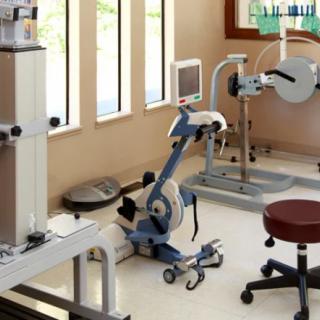
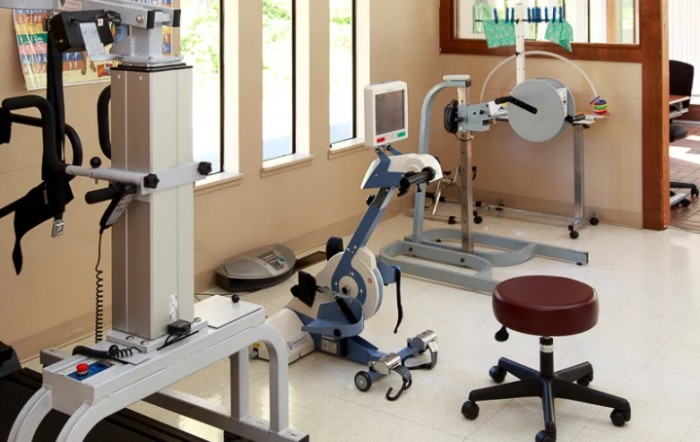
Because this is a skilled nursing facility, multiple reviews focus on physical and occupational therapy experiences during rehab stays. Several reviewers say therapy helped with progress and getting back to home, including for conditions like broken backs, strokes, and post-surgery recovery. A few reviews also mention concerns about pain management affecting therapy participation, which in turn limited dining and activities for that resident. Taken together, the theme is that therapy matters, and experiences range from very positive to challenging depending on day-to-day support.
How we summarize
Counts show how many written reviews mention each theme; a review can touch several themes, and only frequently mentioned themes are displayed.
Features
Housing
121 resident community capacity
Types of Care
Skilled Nursing Facility
Amenities
Air-conditioning
Beauty salon
Cable or satellite TV
Computer center
Dining room
Fitness room
Fully furnished
Gaming room
Garden
Housekeeping services
Kitchenette
Move-in coordination
Outdoor space
Private bathrooms
Respite or short term stays offered
Restaurant-style dining
Small library
Telephone
Wellness center
Wi-Fi/high-speed internet available
Transportation
Mahlon Sweet (7 miles away)
Community operated transportation
Transportation arrangement
Transportation arrangement (non-medical)
Transportation to doctors appointments
Care Services
12-16 hour nursing
24-hour call system
24-hour supervision
Activities of daily living assistance
Assistance with bathing
Assistance with dressing
Assistance with transfers
Diabetes diet
Hospice care
Meal preparation and service
Medication management
Mental wellness program
Special dietary restrictions
Dining
Diabetes diet
Special dietary restrictions
Activities
Community-sponsored activities
Concierge services
Fitness programs
Planned day trips
Resident-run activities
Scheduled daily activities
Nearby Places of Interest
Restaurants
Mami's Mexican Grill (0.9 miles)
Taco Time (1 miles)
Pizza Hut (1 miles)
McDonald's (1 miles)
Bagel Sphere (1 miles)
Jack In The Box (1.2 miles)
Forrester's Bar and Grill (1.5 miles)
Pharmacies
Fred Meyer Pharmacy (1.1 miles)
Walmart Pharmacy (1.1 miles)
Managed Healthcare Pharmacy (1.5 miles)
Managed Healthcare Pharmacy (1.7 miles)
BHS Pharmacy (1.7 miles)
Walgreens (1.8 miles)
Albertsons Pharmacy (1.8 miles)
Hospitals
Compassion Center (1.6 miles)
Willamette Community Health Solutions (2.7 miles)
Physicians
Oregon Medical Group (1.8 miles)
Westmoreland Medical Clinic (1.8 miles)
Eugene Marijuana Doctors (2 miles)
Eugene Hearing & Speech Center (2 miles)
Oram Virginia A (2.6 miles)
Quillin Family Medicine (2.9 miles)
Eugene Sports & Orthopaedic (2.9 miles)
Parks
Madison Meadows (2.5 miles)
Monroe Park (2.5 miles)
Jefferson Park (2.6 miles)
Washington Park (2.6 miles)
Maurie Jacobs Park (2.9 miles)
Candlelight park (3 miles)
Skinner Butte Park (3.3 miles)
Cafes
Equiano Coffee (2.6 miles)
The Better Living Room by Ninkasi Brewing (2.6 miles)
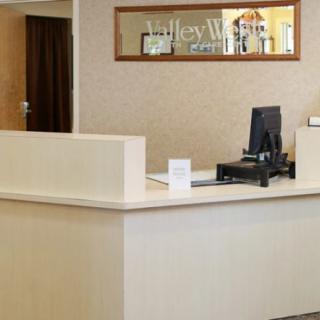
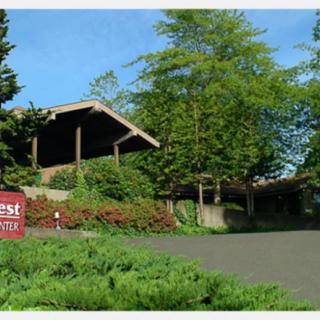
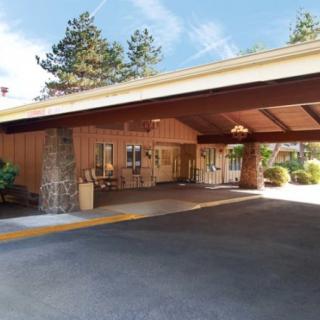
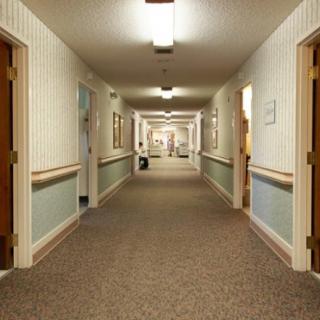
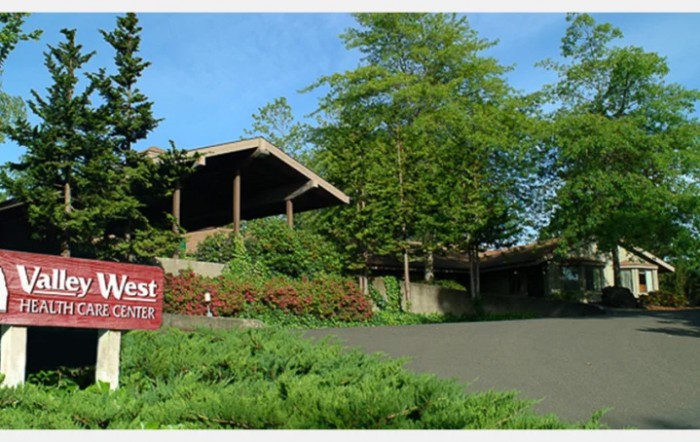
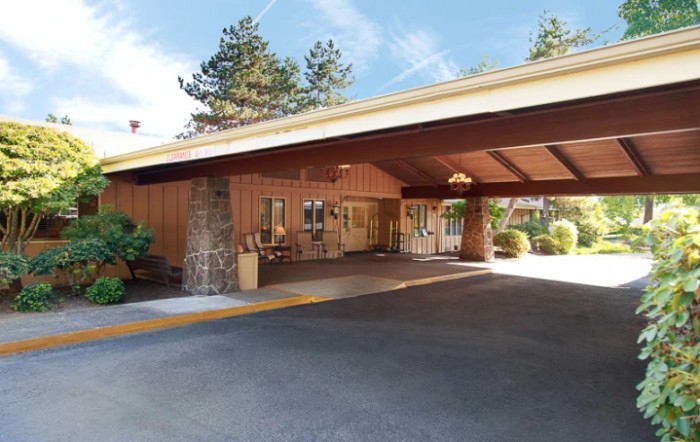
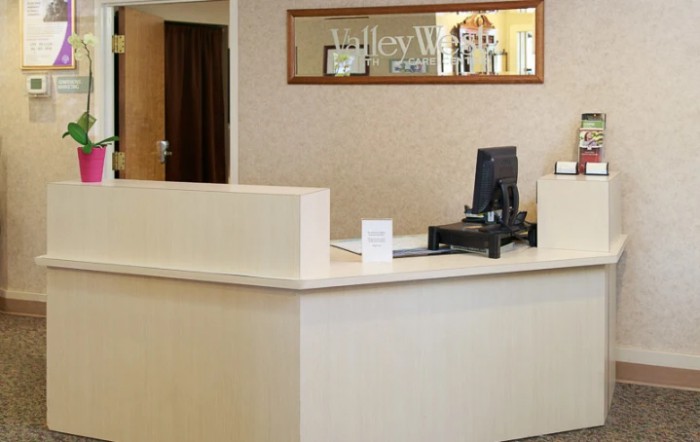
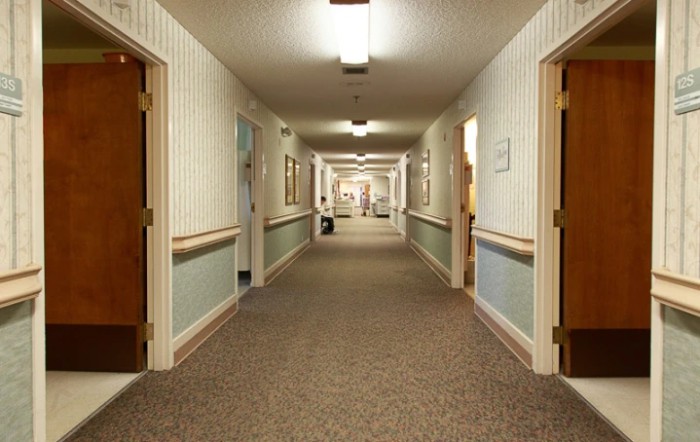
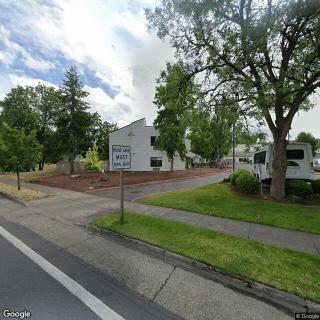
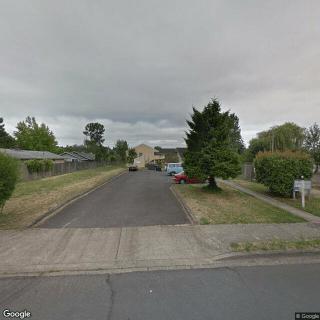
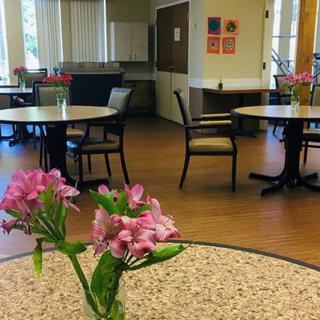
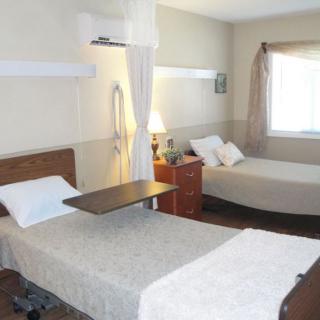
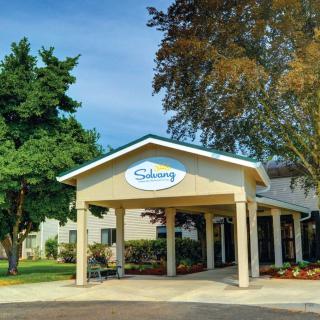
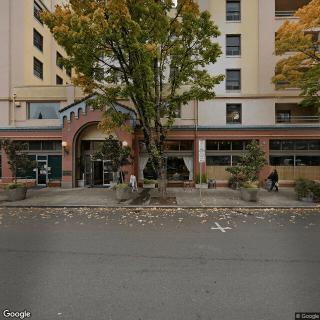
Valley West Health Care Center on seniors.fyi includes 5 photos including images showing outdoors, interior, building, landscaping, entrance, architecture, reception desk, computers, and more.
Nearby Communities
Churchill Retirement Assisted Living
Eugene, OR
3.7 from 52 reviews
Comprehensive on-site care and amenities with transportation
Churchill Estates Retirement Community
Eugene, OR
3.8 from 69 reviews
Friendly, helpful staff and an active, social environment with engaging activities.
Churchill Estates
Eugene, OR
3.6 from 81 reviews
$1,460 to $4,750 / month
Clean, well-maintained facility with friendly staff and spacious rooms.
Laurel Grove Inc
Eugene, OR
4 from 1 review
Extensive nearby amenities and healthcare resources.
Avamere Rehabilitation of Eugene
Eugene, OR
2.3 from 56 reviews
Clean, comfortable rooms with courteous staff and engaging activities.
Hillside Heights Rehabilitation
Eugene, OR
3.2 from 54 reviews
Compassionate, attentive staff with reliable nursing and rehab support.
Solvang Retirement
Eugene, OR
4.6 from 55 reviews
$1,625 to $2,400 / month
Friendly staff with a strong sense of community and restaurant-quality dining.
Olive Plaza
Eugene, OR
2.9 from 12 reviews
Vibrant, amenity-rich location with easy access to cafes, parks, pharmacies, restaurants, and healthcare nearby.
Eugene Hotel Retirement Community
Eugene, OR
4.7 from 31 reviews
$1,000 to $2,250 / month
Very affordable independent-living option with rich nearby amenities
Private pay home care offers a flexible caregiving option for older adults and families who don't qualify for government programs, allowing them to directly fund in-home care services that range from daily assistance to specialized support. This model's customization potential enables aging in place while addressing financial considerations through strategic planning options, though clients must navigate marketplace challenges and ensure quality compliance.
Arthritis encompasses over 100 joint disorders affecting people of all ages, leading to symptoms like pain and stiffness that impair mobility and quality of life. Effective management involves early diagnosis, lifestyle changes, medical treatments, emotional support, and ongoing monitoring with healthcare professionals.
The article highlights the high risk of falls among older adults due to factors like muscle weakness, vision issues, and environmental hazards, with one in four experiencing a fall annually. It advocates for a comprehensive prevention approach that includes exercise, home safety modifications, medication management, social support, and caregiver involvement.
Get PricingAsk A QuestionSchedule A TourContact Senior Advisor
By clicking submit, you agree to our Partner's Terms of Use. You
also consent to receive calls and texts, which may be autodialed, from our Partner. Your consent is not a condition to
using our Partner's service. Please visit our Partner's Privacy Policy for information about their privacy practices.

 121 resident community capacity
 Skilled Nursing Facility
 Air-conditioning
 Beauty salon
 Cable or satellite TV
 Computer center
 Dining room
 Fitness room
 Fully furnished
 Gaming room
 Garden
 Housekeeping services
 Kitchenette
 Move-in coordination
 Outdoor space
 Private bathrooms
 Respite or short term stays offered
 Restaurant-style dining
 Small library
 Telephone
 Wellness center
 Wi-Fi/high-speed internet available
 Mahlon Sweet (7 miles away)
 Community operated transportation
 12-16 hour nursing
 24-hour call system
 Activities of daily living assistance
 Assistance with bathing
 Assistance with dressing
 Assistance with transfers
 Diabetes diet
 Hospice care
 Medication management
 Mental wellness program
 Special dietary restrictions
 Concierge services
 Planned day trips
 Comprehensive on-site care and amenities with transportation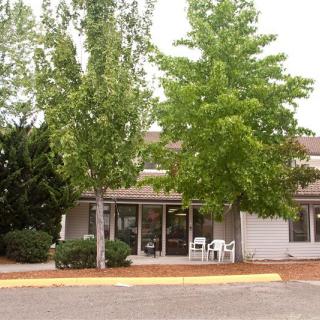
 A Closer Look at Private Pay Home Care
 Comprehensive Approaches for Arthritis: A Detailed Guide to Symptoms, Causes, and Care
 Comprehensive Insights and Practical Strategies to Help Older Adults Avoid Falls