Churchill Estates Costs & Pricing
Churchill Estates offers competitive monthly rates that stand out favorably when compared to both Lane County and the broader state of Oregon. For a studio apartment, residents at Churchill Estates pay $1,460, significantly lower than the county's average of $3,877 and the state average of $3,815. Similarly, a one-bedroom unit is priced at $1,810, again undercutting both Lane County's rate of $4,179 and Oregon's average of $3,904. Even for larger accommodations like two-bedroom apartments and semi-private rooms, Churchill Estates maintains a cost-effective stance; at $2,470 for two bedrooms and $4,750 for semi-private spaces, these prices are remarkably competitive against Lane County's figures of $4,934 and $4,740 respectively. Overall, the value offered by Churchill Estates makes it an attractive option for those seeking quality living without the burden of excessive costs.
| Floor plans | Churchill Estates | Lane County | Oregon |
|---|
| Studio | $1,460 | $3,877 | $3,815 |
| 1 Bedroom | $1,810 | $4,179 | $3,904 |
| 2 Bedrooms | $2,470 | $4,934 | $4,436 |
| Semi-Private | $4,750 | $4,740 | $4,457 |
Assisted Living communities with a similar price nearby
-
from -$60 / mo

Grace Manor Living Center LLC
$1,400 to $1,700 / month
4.8 miles away
Overall Review of Churchill Estates
differentiator
4 reviews mention this
Pricing feels notably favorable
Pricing comes up repeatedly as a major reason families consider this community.
Several reviewers describe the community as reasonably priced compared with other options they toured, including comments about larger apartment options for less money. Others mention that affordability changed after updated prices under new management, and at least one review criticizes the billed cost for a short stay. Overall, pricing is discussed as either a clear selling point or a clear concern, depending on the reviewer.
common
11 reviews mention this
Food quality is mixed
Dining draws both praise and criticism across reviews.
Some residents and visitors describe meals as good, plain, or even smelling great, with residents being clean and well fed. Others report concerns like rigid meal schedules, limited choices, or portions that feel too small, including comments about overcooked vegetables and watery soups. A few accounts also call food scary or associate the experience with a negative caregiving outcome, while another reviewer says meals are cooked almost restaurant-style even if the menu isn’t highly variable.
common
10 reviews mention this
Staff communication is uneven
Residents and families describe staff support ranging from very responsive to concerning.
Many reviews highlight helpful, friendly, and communicative staff, including being proactive about updates for falls or questions and providing an overall positive experience. At the same time, several reviews raise serious concerns about how caregivers and med techs treated people, including rude interactions and problems with communication around medical needs. There are also mentions of management or staffing issues shifting over time, which some reviewers tie to changes in the overall experience.
caveat
10 reviews mention this
Building upkeep and cleanliness vary
Reviews describe the facility as clean in some cases, but also outdated and unpleasant in others.
Some reviewers say the place feels clean and well maintained, and they point to upgrades happening in sections or rooms. Other reviews describe the environment as run down, drab, outdated, or even smelling unpleasant, with reports of residents living in filth. Several accounts also describe older facilities or parts that felt claustrophobic or difficult to navigate, suggesting the physical experience depends on where and when a person visited or lived.
common
7 reviews mention this
Activities and community involvement stand out
Activities and involvement with others are a frequent theme.
Multiple reviewers describe a full schedule of activities such as outings, games, exercise opportunities, movie nights, and church or devotional activities. Some also praise community connection, including involvement with local events and performances from nearby groups. Even when reviewers didn’t see activities during their visit, they often said the community offers plenty of them.
caveat
5 reviews mention this
Memory care feels very different
Memory care experiences are described as both supportive and overly institutional.
Some reviewers say memory care residents seem calm and relaxed and describe the area as more like a small community. Other reviews describe the memory care setting as institutional, and one reviewer says residents may need to move through memory care areas to access parts of the building. There are also high-stakes negative accounts involving dementia care and medical communication, which strongly color the discussion for those families.
differentiator
2 reviews mention this
Care services are available on-site
The community offers multiple care services and supports transitions between levels of care.
Reviewers mention medication help as part of the base experience in assisted living and describe the ability to move to a higher level of care if needed. The community also offers specific care services such as ambulatory, diabetic, and incontinence care, aligning with the way families discuss care planning. While reviewers’ medical experiences are not uniformly positive, they do repeatedly tie the on-site care options to the decision-making process.
How we summarize
Counts show how many written reviews mention each theme; a review can touch several themes, and only frequently mentioned themes are displayed.

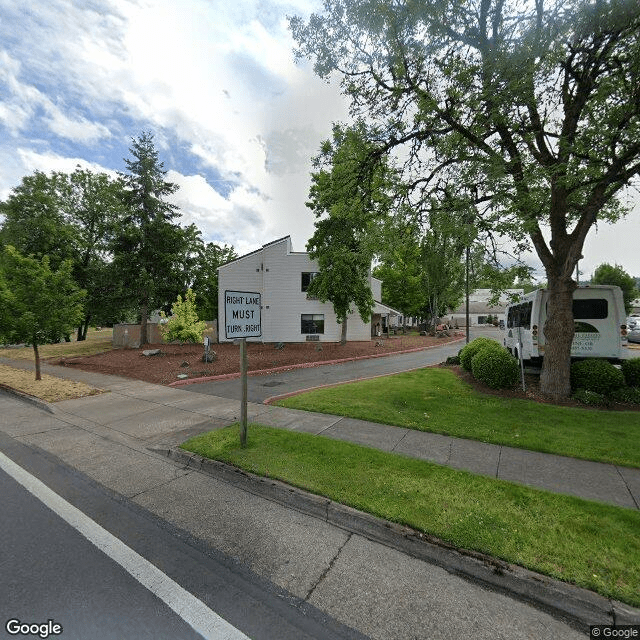
 1-bedroom apartments
 Assisted Living
 Independent Living
 Memory Care
 Skilled Nursing Facility
 Activities on-site
 Beautician on-site
 Devotional services off-site
 Dining room
 Full kitchen
 Garden
 Housekeeping services
 Indoor common areas
 Laundry
 Overnight guests
 Party space
 Respite or short term stays offered
 Mahlon Sweet (7 miles away)
 Transportation & parking
 Ambulatory care
 Diabetic care
 Incontinence care
 Meals provided
 English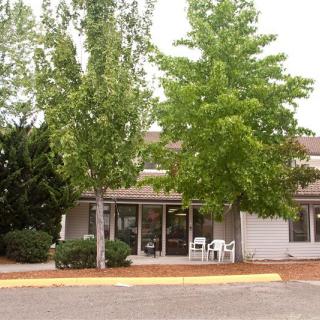
 Friendly, helpful staff and an active, social environment with engaging activities.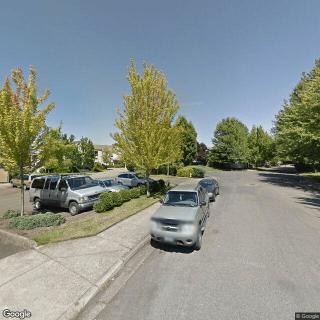


 A Thorough Discussion of Medications Potentially Linked to Dementia Risk
 Why Do Dementia Patients Sleep So Much? Understanding Oversleeping, Stages, and Care Approaches
 8 Key Indicators That Suggest It May Be Time to Transition from Assisted Living to Skilled Nursing Care