For more information about senior living options: (866) 208-4318
4.7 from 31 reviews
5 stars
26
4 stars
2
3 stars
3
2 stars
0
1 stars
0
Eugene Hotel Retirement Community Costs & Pricing
Eugene Hotel Retirement Community offers an appealing and economical living option compared to the average costs in Lane County and across Oregon. For instance, their studio apartments are priced at $1,000 per month, significantly lower than the county's average of $3,877 and the state average of $3,815. Similarly, their one-bedroom units are available for $1,300 - again a competitive rate against Lane County's $4,179 and Oregon's $3,904 averages. The two-bedroom options also stand out at $2,250 per month compared to the higher costs of $4,934 in Lane County and $4,436 statewide. This pricing structure highlights Eugene Hotel Retirement Community as an attractive choice for seniors seeking quality accommodations without straining their budgets.
Floor plans
Eugene Hotel Retirement Community
Lane County
Oregon
Studio
$1,000
$3,877
$3,815
1 Bedroom
$1,300
$4,179
$3,904
2 Bedrooms
$2,250
$4,934
$4,436
Overall Review of Eugene Hotel Retirement Community
differentiator5 reviews mention this
Dining is consistently praised
Residents consistently describe the food as standout and accommodating.
Many residents highlight the quality of meals, including descriptions like gourmet meals and restaurant-style dining. Several also mention specific details such as salad bar options and brunch, and at least one person notes gluten-free accommodations. A few reviews also point to the convenience of room service as part of the overall dining experience.
common11 reviews mention this
Staff are caring and responsive
Residents repeatedly describe staff as caring, professional, and attentive.
Across reviews, residents and families say the team takes great care of them and looks out for daily needs. Multiple comments describe friendly, welcoming interactions that help residents feel at home. A few reviews also mention that staff are professional and that management makes residents feel content.
common7 reviews mention this
Downtown location is convenient
The downtown setting makes it easy to get out and run errands.
Several residents choose the community for its central downtown location and walkable access to daily life. Reviews mention easy access to culture, public transportation, and nearby places to eat and shop. One resident also flags that downtown streets can be busy, even while others say it works out well day to day.
common5 reviews mention this
Lively activities keep residents busy
Residents describe frequent, engaging activities throughout the week.
Reviews commonly mention scheduled activities and daily themes that help residents stay active. Some residents say they attend regularly and have already made friends through community events. A few comments also frame the community as a lively place that stays social without requiring residents to plan every outing.
differentiator4 reviews mention this
Historic, vintage character stands out
The buildingā€™s vintage, historic character is a frequent point of pride.
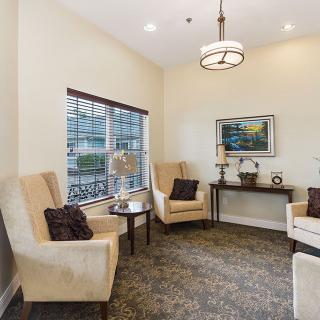
Several reviews highlight the historic nature of the building and describe it as beautifully maintained. Residents also talk about vintage decor and a feel similar to an elegant hotel experience. A few mention specific attraction points like the age of the property and how the space feels when you walk in.
How we summarize
Counts show how many written reviews mention each theme; a review can touch several themes, and only frequently mentioned themes are displayed.
Features
Types of Care
Independent Living
Transportation
Mahlon Sweet (8 miles away)
Nearby Places of Interest
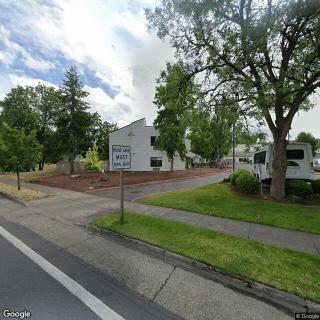
Located in Eugene, Oregon, this area offers a variety of amenities that may appeal to seniors looking for a vibrant community. With several cafes and restaurants within walking distance, you can easily enjoy a cup of coffee or a meal with friends. Additionally, there are several healthcare options nearby, including physicians' offices and pharmacies for your medical needs. For those who enjoy the outdoors, there are several parks in the area where you can take a leisurely stroll or relax in nature. The proximity to public transportation, such as Amtrak, also makes it convenient for getting around the city. Overall, this part of Eugene provides a well-rounded environment for seniors seeking a comfortable and engaging place to live.
Eugene Hotel Retirement Community offers an appealing and economical living option compared to the average costs in Lane County and across Oregon. For instance, their studio apartments are priced at $1,000 per month, significantly lower than the county's average of $3,877 and the state average of $3,815. Similarly, their one-bedroom units are available for $1,300 - again a competitive rate against Lane County's $4,179 and Oregon's $3,904 averages. The two-bedroom options also stand out at $2,250 per month compared to the higher costs of $4,934 in Lane County and $4,436 statewide. This pricing structure highlights Eugene Hotel Retirement Community as an attractive choice for seniors seeking quality accommodations without straining their budgets.
Skilled nursing facilities (SNFs) provide high-level medical care and rehabilitation for short-term recovery, typically covered by Medicare after hospitalization, while nursing homes focus on ongoing custodial care for chronic conditions, mainly funded by Medicaid or private payments. The staffing and regulatory structures differ significantly between the two, necessitating clarity for families in choosing appropriate long-term care options.
Nursing home care costs in the U.S. vary significantly based on location, level of care, and amenities, with private room prices ranging from approximately $6,700 to over $30,000 monthly. Families need to explore various payment options and conduct thorough research to manage these expenses effectively.
Nonmedical home care provides assistance with daily activities and companionship for individuals wishing to maintain independence and quality of life at home, without medical intervention. Its growing popularity is driven by an aging population, the need for supportive environments for recovery, and the emotional benefits of caregiver companionship, while costs vary based on service frequency and location.
Get PricingAsk A QuestionSchedule A TourContact Senior Advisor
By clicking submit, you agree to our Partner's Terms of Use. You
also consent to receive calls and texts, which may be autodialed, from our Partner. Your consent is not a condition to
using our Partner's service. Please visit our Partner's Privacy Policy for information about their privacy practices.

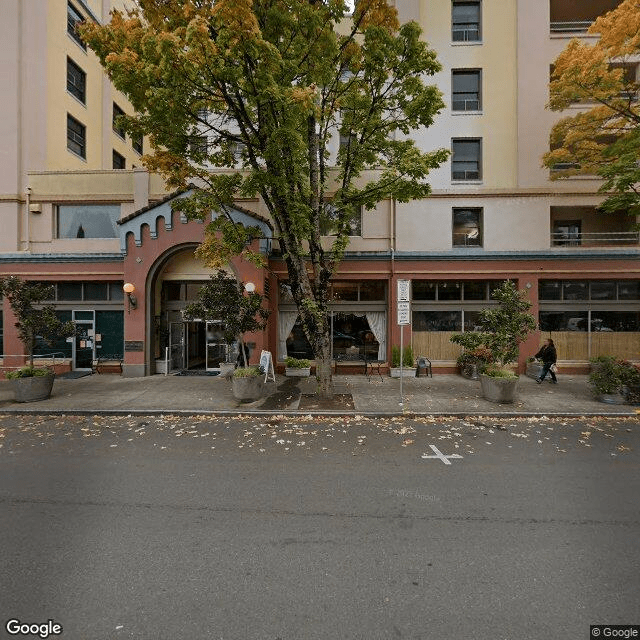
 Independent Living
 Mahlon Sweet (8 miles away)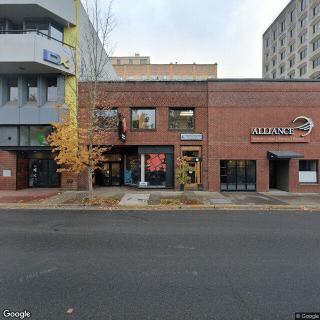
 Excellent access to dining, healthcare, transportation, and outdoor amenities nearby.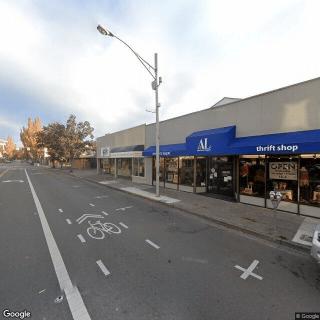
 Skilled Nursing Facilities vs. Nursing Homes: Making Sense of the Differences
 A Detailed Examination of Nursing Home Costs Across the U.S.
 Exploring Nonmedical Home Care: Understanding Services, Costs, and Financial Approaches