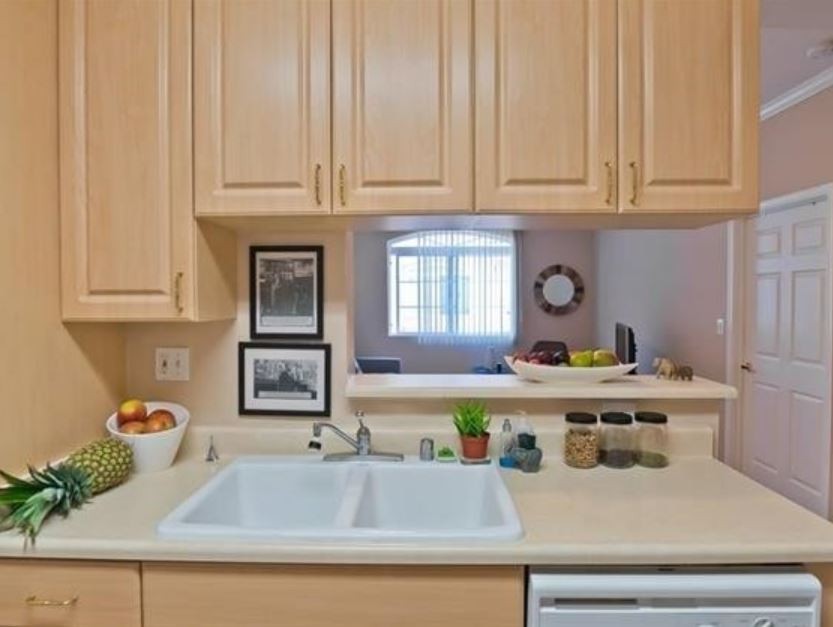

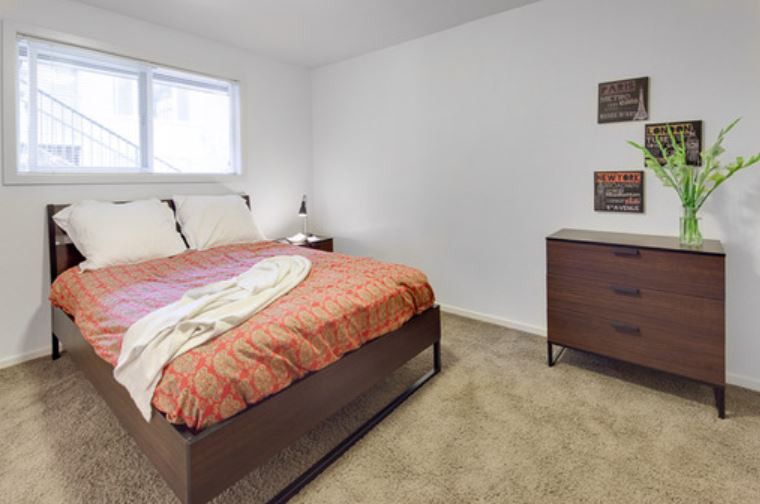
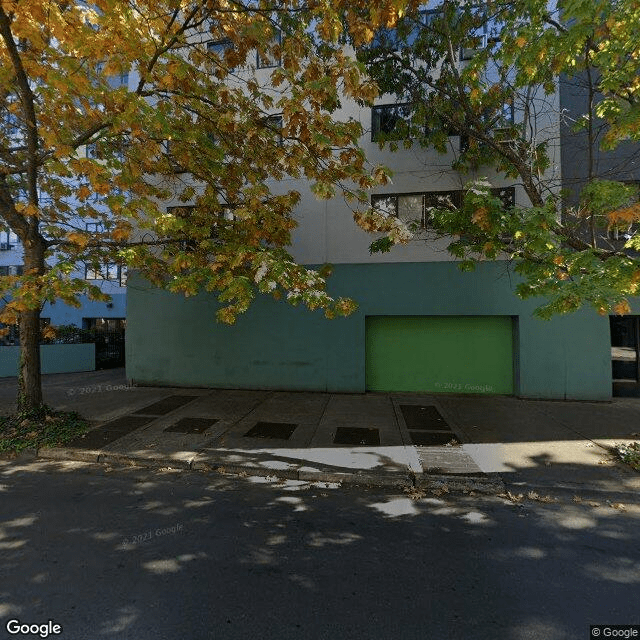
1133 Olive St, Eugene, OR 97401
To contact a resident: (541) 683-3247
For more information about senior living options: (866) 208-4318
Overall Review of Olive Plaza
Pros
 The assistant manager was very sweet and comforting.
- The staff are great and very helpful.
- The people, both residents and helpers, are really kind and friendly.
- Olive Plaza has a warm, welcoming atmosphere.
- The birthday card from the staff reflects their kindness and the sense of community.
Cons
 The reviewer felt dismissed when told they could always live somewhere else.
 - The reviewer faced poor relocation communication: dropped at a hotel without grocery-run info, a sign-up sheet only in the Olive Plaza lobby, and the bus driver unavailable after holidays.
- The reviewer felt no one cared they were there, and the assistant manager had no power to make changes.
- The reviewer described a two-year bedbug problem that reached their mother’s apartment, with treatment short-lived and the family fearful of bringing bugs home.
- The reviewer criticized the staff as rude and noted hazardous conditions, including a worn, slippery spot on the third floor that endangers the elderly.
Review
Olive Plaza in Eugene is best suited for seniors who prize a warm, neighborly atmosphere and staff who appear genuinely engaged in residents' daily lives. The property tends to attract families looking for a community with visible compassion from frontline workers and volunteers who create moments of connection amid a busy building. For residents who value social programming and personal touches, friendly greetings, a familiar face at the desk, or a chats with visiting volunteers, the tone can feel comforting. But that comfort comes with caveats: the overall operation can feel uneven, and the experience hinges heavily on individual staff members rather than consistent processes. In short, Olive Plaza rewards advocacy and patience more than it rewards quick fixes.
Those who require a pest-free living space, consistently reliable maintenance, predictable transportation, and transparent, proactive management may want to look elsewhere. Bedbug incidents have persisted for years, and even when treatment occurs, the problem tends to recur, creating ongoing anxiety for residents and families. If safety, cleanliness, and dependable routines are non-negotiable, Olive Plaza will likely fall short. Similarly, if a resident depends on timely grocery runs and clear communication around services during renovations or staffing gaps, the current gaps can undermine overall quality of life.
On the upside, several staff members are described as caring and helpful, and a generally warm atmosphere percolates from interactions with caregivers and even visiting volunteers. One assistant manager was noted as sweet and comforting, even if limited in authority to enact change. A visitor from Japan described kindness from both residents and helpers, underscoring a basic human warmth that can make the facility feel like a community at times. Yet these positives are tempered by operational fragility, when promises are not fulfilled, small kindnesses cannot compensate for the structural issues. The daily friction around repairs and service requests can undermine the couple of moments of comfort that do exist.
Bedbugs have been a recurring, tangible stain on Olive Plaza's reputation. The building allegedly battled the pests for years, and the family's experience suggests treatment is intermittent in effect and quickly wears off. The emotional toll is substantial: residents and families fear bringing pests home, and privacy concerns collide with the stigma of infestation. In practice, this confluence of pests and the corresponding maintenance effort erodes trust in the premises and raises questions about ongoing preventive measures and accountability.
Safety and logistics emerge as the other core friction points. A renovation relocation left a resident dropped off at a Springfield hotel with unclear grocery-runs logistics and a sign-up system hidden in the lobby, while a bus driver became unavailable during holidays, without timely notice. A slip-prone area on the third floor highlights a concrete risk for falls, a critical concern for any senior community. These details matter less as anecdotes and more as evidence of a fragile operations backbone: residents may accept imperfect care if the basics, coordination, safety, and predictable routines, are solid; Olive Plaza struggles to deliver these consistently.
Verdict: Olive Plaza can work for residents who value warmth, personal interactions, and a sense of community, and who can tolerate gaps in logistics, safety, and pest control. For anyone with higher safety needs, a strict requirement for pest-free environments, or a preference for dependable scheduling and decisive management, alternatives should be explored. Prospective residents should demand concrete, written plans for pest control, a robust maintenance-response timeline, and a clear transportation schedule with backup options during staff shortages. Visit with a social worker and request a trial stay or a formal transition plan, and verify the cadence of communication from leadership after renovations conclude. In the right circumstances, Olive Plaza can be a nurturing home; in others, it’s a mismatch that risks ongoing stress for residents and their families.
 Active Adult Communities (55+)
 Mahlon Sweet (8 miles away)


 Navigating the Financial Road to Nursing Home Care: In-Depth Guidance and Resources
 Supportive Employee Benefits That Help Caregivers Attain Better Work-Life Harmony
 Top Cars for Senior Drivers and Essential Safety Innovations