
515 Grant Avenue, Cottage Grove, OR 97424
For more information about senior living options: (866) 208-4318
Overall Review of Coast Fork Nursing Center
Pros
 The facility is professional, caring, and amazingly helpful in providing a home for a loved one.
- The staff take excellent care of residents and listen to them, like they were family.
- They can be trusted with loved ones.
- Qualified nursing staff support residents recovering from strokes for extended periods.
- Cottage Grove Post Acute is a blessing to the community.
- The management team passionately cares and shows up to make a difference each day.
- The residents are cared for by an outstanding medical team that knows what they are doing.
- The staff clearly know their residents and truly care.
- The administrator interacts with staff and residents in a positive, genuine, and engaging fashion.
- The staff are willing to do what it takes to meet resident needs and provide great care.
- The facility is consistently clean, and the staff are friendly, caring, and available.
- The residents' comfort and care are always the top priority.
Cons
 The facility writes bad checks as reimbursements to deceased patient estates and will not return phone calls or emails.
- The rehab department is very lacking, and the reviewer would not recommend them to anyone.
- It is described as one of the most unorganized places the reviewer has ever seen.
- It is described as bad business.
Review
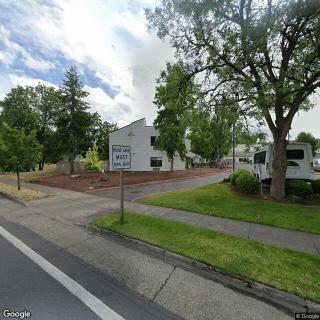
Coast Fork Nursing Center in Cottage Grove is best suited for families seeking a hands-on, compassionate skilled-nursing environment where post-acute recovery, especially after strokes, and long-term care are handled with genuine care and daily attentiveness. The campus design favors easy navigation, with a one-level layout that supports safety and independence to the extent possible in a nursing setting. The community shines when a loved one needs steady nursing oversight, a staff that listens, and a daily culture of kindness from caregivers who know residents by name. Families who prize a home-like atmosphere, responsive aides, and an engaged management team will find this facility especially appealing. It is a place where residents often feel seen, trusted, and supported by professionals who treat them like cherished members of the community.
The strongest positives center on the caregiving culture. Reviews consistently describe staff as professional, caring, and remarkably attentive to residents’ needs, sometimes to the point of being described as treating loved ones like family. The nursing and rehab teams are frequently recognized for their expertise, particularly for residents recovering from strokes or requiring ongoing skilled care. Management is repeatedly praised for showing up with genuine concern and for supporting a care-focused environment, while the medical team is noted as competent and capable. Cleanliness is a hallmark, hallways, rooms, and common areas tend to be well maintained, and housekeeping is described as excellent. Residents appreciate the thoughtful touches: well-balanced meals, purposeful activities, and opportunities to participate in community outings or bus trips, all of which contribute to a sense of normalcy and engagement. The facility’s one-level design, accessible room layouts, and posted care plans reviewed in family meetings further reinforce a perception of transparency and involvement.
Yet the picture is not without notable caveats. A few reviews raise concerns about administrative reliability and financial handling, including a harrowing account of improper reimbursements tied to deceased patient estates and a sense that communication can be slow or evasive. These red flags matter because they touch the core trust families place in facility leadership to handle billing, communication, and every-day operations smoothly. Other critiques touch on the rehab department’s uneven performance, one family reports strong care at first exposure, followed by a later period when rehab outcomes did not meet expectations. There are mentions of disorganization and inconsistent experiences, with at least one observer noting the facility can feel unorganized at times. Room configurations also vary in tone; some praise large, well-decorated spaces, while others describe small or shared rooms that may limit privacy and comfort for certain residents. These mixed signals are real, and they underscore the reality that experiences can diverge depending on unit, shifts, and staff availability.
These strengths and weaknesses interact in a practical way when deciding whether Coast Fork is the right fit. The practical offset is clear: for families prioritizing compassionate, attentive daily care, a strong sense of resident safety, clean environments, and active engagement through care planning and community activities, the positives often outweigh the negatives. A reliable, caring staff can deliver consistent day-to-day stability that makes a real difference in recovery and quality of life, particularly for stroke survivors navigating rehab and regaining independence. The security and accessibility of a one-level facility, combined with a robust activity slate, offer meaningful daily structure that supports both physical recovery and social well-being. When these elements align, concerns about occasional administrative missteps or rehab variability can be managed with proactive oversight, regular family meetings, and clear questions to staff and administrators about current processes and performance targets.
For families weighing Coast Fork against alternatives, the decision hinges on two core questions: how critical is flawless administrative reliability to you, and how important is consistent rehab performance for your loved one? If the answer leans toward high importance, it is essential to probe current billing practices, confirm the administrator’s responsiveness, and request a concrete plan for improving any gaps in communication. If rehab consistency is non-negotiable, ask for up-to-date therapy schedules, therapist tenure, and a recent track record of post-acute outcomes. For those who highly value private space or a firmer guarantee of uninterrupted privacy, inquire about room assignments and the possibility of private accommodations, and compare nearby facilities with more uniform room options and cleaner administrative reputations. Coast Fork remains a strong candidate for families who want a warm, hands-on team and a community that treats residents like family, but it is prudent to verify the current state of rehab services and administrative stability before committing.
In the final assessment, Coast Fork Nursing Center stands as a solid, practical choice for many Cottage Grove families seeking skilled nursing and post-acute care. The care quality, staff engagement, cleanliness, and comprehensive daily routines provide a reliable foundation for recovery and ongoing comfort. The facility’s capacity to deliver individualized attention, especially for stroke recovery, coupled with a supportive management presence, can produce meaningful, positive outcomes. However, potential residents should enter with eyes open to the documented administrative and rehab-related caveats, and plan to verify current practices and performance directly with the leadership team. For those who can tolerate occasional administrative hiccups in exchange for heartfelt care and a welcoming, activity-rich environment, Coast Fork Nursing Center remains a compelling option worth pursuing.
 80 resident community capacity
 Skilled Nursing Facility
 Air-conditioning
 Beauty salon
 Cable or satellite TV
 Computer center
 Dining room
 Fitness room
 Fully furnished
 Gaming room
 Garden
 Housekeeping services
 Kitchenette
 Move-in coordination
 Outdoor space
 Private bathrooms
 Restaurant-style dining
 Small library
 Telephone
 Wellness center
 Wi-Fi/high-speed internet available
 Mahlon Sweet (25 miles away)
 Community operated transportation
 12-16 hour nursing
 24-hour call system
 Activities of daily living assistance
 Assistance with bathing
 Assistance with dressing
 Assistance with transfers
 Diabetes diet
 Medication management
 Mental wellness program
 Special dietary restrictions
 Transportation arrangement (medical)
 Concierge services
 Planned day trips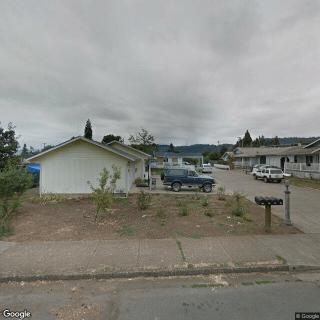






 8 Essential Assistive Devices for Older Adults
 Navigating the Financial Road to Nursing Home Care: In-Depth Guidance and Resources
 Supportive Employee Benefits That Help Caregivers Attain Better Work-Life Harmony