
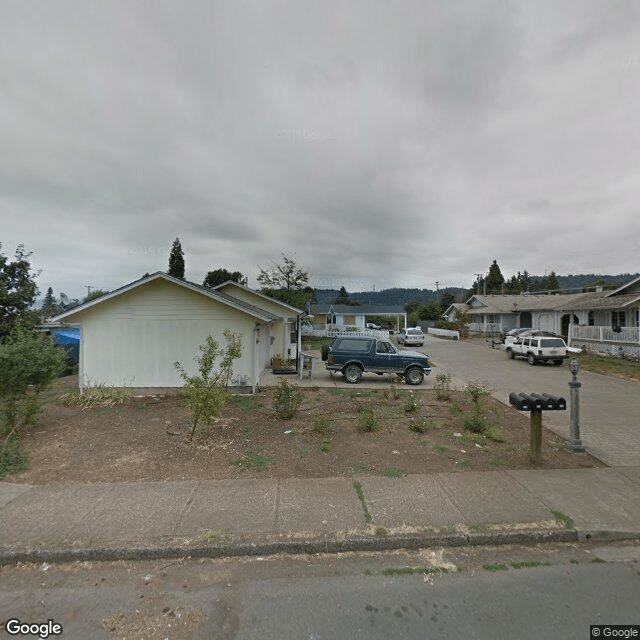
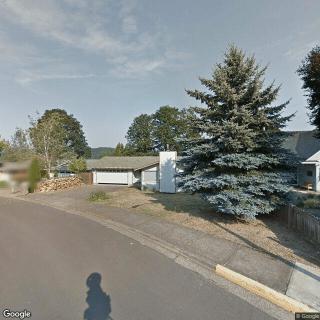
850 S 3rd, Cottage Grove, OR 97424
To contact a resident: (541) 767-0016
For more information about senior living options: (866) 208-4318
Pendleton Cottage AFC Costs & Pricing
Pendleton Cottage AFC offers competitive pricing for its residential care services, particularly when compared to both Lane County and the broader state of Oregon. With a monthly cost of $3,200 for semi-private rooms, Pendleton Cottage is significantly more affordable than the average rate in Lane County, which stands at $4,740, and is also lower than the state's average of $4,457. For those seeking private accommodations, Pendleton's fee of $3,700 remains appealing against Lane County's higher rate of $4,479; interestingly, it exceeds the statewide average of $3,424. Overall, Pendleton Cottage AFC provides a cost-effective option for individuals looking for quality assisted living arrangements without compromising on care or comfort.
| Floor plans | Pendleton Cottage AFC | Lane County | Oregon |
|---|---|---|---|
| Semi-Private | $3,200 | $4,740 | $4,457 |
| Private | $3,700 | $4,479 | $3,424 |
Senior living communities with a similar price nearby
-
from -$200 / mo

Country Comfort AFH
$3,000 / month22.5 miles away -
from -$321 / mo
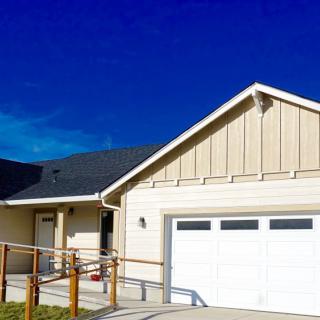
Arcadia Senior Care
$2,879 to $5,000 / month21.3 miles away -
from -$250 / mo

Sweetbriar Villa
$2,950 to $4,320 / month19.4 miles away -
from +$500 / mo
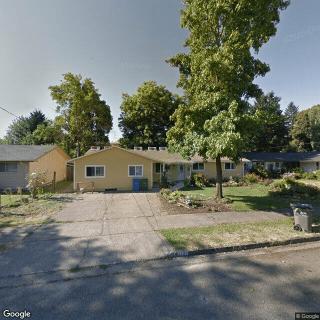
Grammy Dee's House
$3,700 to $4,200 / month19.2 miles away -
from +$200 / mo
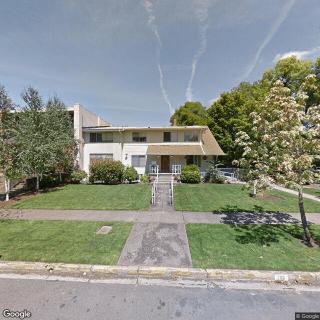
All Seasons RCF
$3,400 / month18.0 miles away
Overall Review of Pendleton Cottage AFC
Pros
 The care is above and beyond.
- It is a nice place for people to live, more like a family than a foster care home.
- This facility is excellent, with care far beyond expectations.
Review
Pendleton Cottage AFC in Cottage Grove, Oregon is best suited for seniors who want a small, home-like care setting where caregivers form lasting relationships and care feels personal rather than procedural. The environment operates like a supportive extended family, with staff who know residentsā€™ names, preferences, and routines and who tailor daily life accordingly. It is ideal for those who crave warmth, easy access to help, and a sense of belonging that comes from a tight-knit community. Those who prize consistent, compassionate attention will find this setting compelling. For residents needing full-time skilled nursing, intensive medical supervision, or expansive on-site programming, alternatives at larger assisted-living or memory-care campuses should be considered.
Key advantages emerge in the care narrative: the team demonstrates care that feels above and beyond. Residents are treated as family; staff are attentive, proactive, and quick to respond to concerns. The home atmosphere reinforces this commitment, offering familiar surroundings and practical support that matches individual needs. Daily life is shaped around preferences, with meals, routines, and activities adjusted to each person. Families gain peace of mind from the sense that needs are anticipated rather than requested. In short, the level of engagement and heartfelt service tends to reduce anxiety for loved ones who want dependable, personal attention for an aging relative.
That warmth does come with tradeoffs typical of a small AFC model. Medical resources and formal programming are more limited than in larger facilities, which can matter for residents with complex medical needs. The same intimate staff-to-resident dynamic can become stretched if coverage fluctuates or duties pile up. While the environment supports autonomy and dignity, it may feel less structured to those who prefer a busy calendar of group outings, extensive therapy services, or hospital-like oversight. Still, the reviews suggest these gaps are dwarfed by the strength of relationships, quick responsiveness, and the ability to customize care in a way that larger campuses struggle to match.
Pendleton Cottage AFC excels for individuals who want steady routines and caregivers who treat them as companions. It supports residents who value a home-inspired, low-pressure atmosphere that invites conversation, shared meals, and meaningful daily engagement over high-volume events. The family-style environment helps preserve dignity and autonomy, with staff readily adjusting for dietary needs, sleep cycles, and personal interests. For seniors seeking to stay connected to home and to avoid an institutional feel, this setting offers reassurance that care will be personal, not impersonal. It can be especially comforting for couples or those who simply want to reduce the sense of separation from family.
Those needing more robust clinical oversight should consider alternatives. A larger assisted-living community with on-site licensed nursing, around-the-clock medical staff, or dedicated memory-care programming may better suit residents with high medical complexity or dementia with wandering risk. If a structured calendar of diverse activities, broader transportation options, and stronger on-site therapy services are priorities, explore campuses designed to deliver breadth of services. Pendleton Cottage AFC delivers a compelling, intimate option that emphasizes relationships and personalization, but it is not a substitute for services built to handle higher acuity on-site.
To proceed, arrange a visit and observe how staff interact with residents, not just what is promised. Request to review care plans, medication management approaches, and any available wellness indicators. Inquire about staffing patterns, emergency procedures, and coordination with off-site providers. If possible, speak with current residents or families about response times, meal quality, and how well individual preferences are honored. For families prioritizing warmth, personalization, and a home-like daily life, Pendleton Cottage AFC is a strong fit; for those needing heavier clinical support or advanced memory care, pursue alternatives with broader medical resources.
 Board and Care Home
 Dogs allowed
 Activities off-site
 Bath tubs
 Beautician on-site
 Devotional services off-site
 Indoor common areas
 Outdoor common areas
 Private
 Mahlon Sweet (24 miles away)
 Ambulatory care
 High acuity care
 Incontinence care
 Kosher





 Comprehensive Guide to Medicare Coverage for Hospice Care
 Caring for Those Who Care: Recognizing, Understanding, and Overcoming Caregiver Burnout
 Caregiver Exhaustion: Recognizing the Signs and Restoring Your Well-Being