
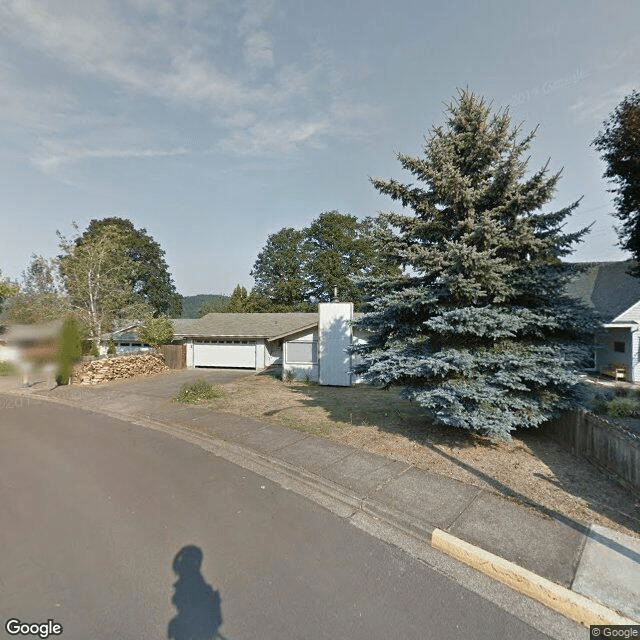
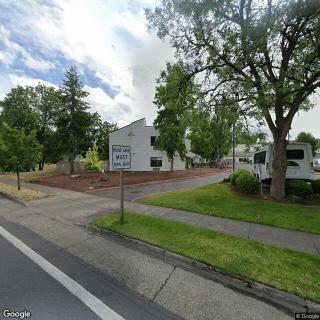
266 South 22nd Street, Cottage Grove, OR 97424
To contact a resident: (541) 767-3855
For more information about senior living options: (866) 208-4318
Overall Review of Bigelow's Foster Care
Pros
 The care is above and beyond.
- The place is nice to live in and feels more like a family than a foster care home.
- The facility is excellent, with care far beyond expectations.
Review
Bigelow's Foster Care in Cottage Grove, OR is best suited for seniors who crave a warm, home-like environment where caregivers treat residents as family and consistently go above and beyond in daily care. The setting functions more like a private, attentive home than a sterile institution, and that intimately managed cadence appeals to families who prioritize personal connection, steady routines, and a sense of belonging. For seniors who no longer need hospital-level services but still require hands-on, compassionate support, this community offers a compelling fit. The emphasis is on comfort, dignity, and day-to-day responsiveness, delivered with a personal touch that feels less transactional and more relational.
The strongest selling point is the evident level of care described in the testimonials: care that is "above and beyond" and a staff commitment that truly stands out. Residents are not treated as anonymous occupants but as individuals whose preferences and histories are known and respected. This translates into attentive supervision, timely assistance, and a steadier sense of safety. In a setting described as family-like, the staff demonstrate reliability in familiar routines, from mealtime to medication reminders, creating predictability that eases anxiety for both residents and their families. When emergencies or needs arise, the sense that help is readily available becomes a decisive factor for families weighing whether to entrust a loved one to this home.
The atmosphere described as “more like a family than a foster care home” carries real value for those seeking emotional well-being in addition to physical care. A smaller, intimate environment often means fewer transitions and less impersonality than larger campuses, which can translate into stronger relationships and more consistent staffing. The positive emphasis on warmth and personal attention suggests residents experience meaningful social connection and purposeful daily activities that align with individual interests. For many families, this is not just about basic care but about preserving dignity, autonomy, and a sense of daily purpose within a supportive, familiar circle.
That said, potential concerns naturally surface for families with different priorities. The foster-care orientation implies a smaller scale and less emphasis on expansive medical amenities, rehab programs, or hospital-grade oversight. Those who require extensive clinical care, frequent therapy sessions, or a highly structured activity calendar may find the environment less suited to long-term needs. Alternatives worth considering include larger assisted-living communities or facilities with formal medical partnerships and broader programming. For families prioritizing industrial-scale services or a more traditional institutional setting, a different option may better meet expectations.
In weighing pros against cons, the personal, high-touch care at Bigelow's Foster Care largely offsets the absence of large-scale services. The immediate, human-centered attention reduces stress for residents and families alike, and the home-like culture fosters stability and trust, qualities that are often harder to sustain in bigger facilities. The challenge, however, is whether this model can accommodate evolving medical needs or more intensive therapies over time. If expectations center on a bustling activities calendar or frequent clinical interventions, those elements may not align perfectly with the community’s strengths; if comfort, companionship, and consistent daily care are the priority, the balance tilts decisively in favor.
For families deciding where to place a loved one, Bigelow's Foster Care offers a clear, practical path: choose this community if the main objective is ongoing warmth, personalized care, and a familial feel that makes each resident feel seen. It is not the destination for those seeking a medicalized environment or a sprawling campus with extensive clinical services. Prospective residents should visit with questions about staffing patterns, routine, and what happens when medical needs intensify, then compare against alternatives that foreground larger-scale resources. The right match will feel like stepping into a trusted home, with caregivers who anticipate needs before they are spoken and treat every day as an opportunity to honor a life lived.
 Board and Care Home
 Mahlon Sweet (24 miles away)



 Understanding the Nuances of Palliative Care and Hospice: A Comprehensive Exploration
 Fecal Incontinence in Older Adults: A Comprehensive Guide
 Nurturing Well-Being Through Gardening: A Detailed Guide for Senior Enthusiasts